.webp&w=384&q=75)

Loading, please wait...
Loading, please wait...
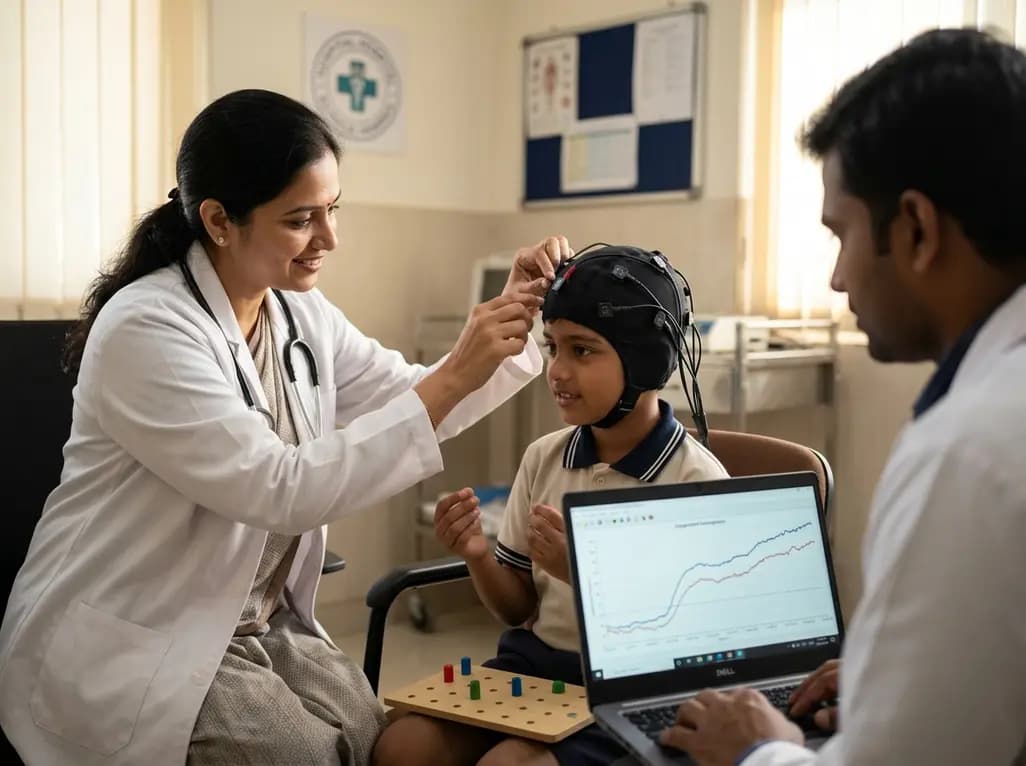
Recent neuroimaging investigations show that light physical activity in children triggers rapid hemodynamic changes within critical frontoparietal cognitive networks. Sedentary behavior increasingly dominates modern childhood routines, which negatively impacts scholastic focus and metabolic well-being. However, emerging physiological data suggest that even minimal movement exerts profound effects on cerebral perfusion. Specifically, functional near-infrared spectroscopy (fNIRS) now permits real-time non-invasive monitoring of prefrontal hemodynamics during active physical engagement. Through continuous optical tracking, researchers can quantify localized fluctuations in oxygenated hemoglobin. Consequently, these dynamic neuroimaging assessments provide valuable insights into early cognitive enhancement strategies.
The prefrontal cortex coordinates higher-order executive processes, including working memory, sustained attention, and inhibitory regulation. During periods of cognitive or motor challenge, active neurons rapidly demand extra energy substrates. Consequently, local cerebral blood vessels dilate to supply oxygen and glucose via neurovascular coupling. In developing pediatric brains, this metabolic mechanism remains highly responsive to acute physiological stimuli. However, traditional exercise science predominantly focused on moderate-to-vigorous aerobic exercise to stimulate brain perfusion. Many children encounter significant physical, social, or environmental barriers to high-intensity training. Therefore, neuroscientists are actively investigating whether lower-intensity regimens can induce comparable hemodynamic shifts. Light movement requires minimal cardiopulmonary exertion while elevating heart rate and respiratory exchange only modestly. Furthermore, structured light exercises require precise proprioceptive regulation and spatial alignment. These physical actions recruit complex cerebellar and cortical circuits simultaneously. As a result, the cerebral microvasculature responds promptly to meet these localized metabolic requirements. Understanding these subtle vascular shifts helps pediatricians craft achievable developmental activity prescriptions.
Recent clinical trials provide compelling proof regarding light physical activity in children. Investigators evaluated 33 healthy children aged 10 to 14 years using continuous fNIRS neuroimaging. Participants completed seated, short-duration exercises designed around motor coordination and postural balance. Concurrently, optical sensors measured hemodynamic changes across three specific subregions of the prefrontal cortex. The researchers noted robust increases in oxygenated hemoglobin concentrations during complex coordination movements. Specifically, mean Z-score elevations reached 0.68 within the middle prefrontal cortex. Moreover, the left prefrontal cortex exhibited an even higher mean Z-score increase of 0.87. Statistical analysis confirmed that these vascular elevations attained definitive significance compared to resting baselines. Thus, brief and gentle physical efforts clearly evoke measurable cortical vascular shifts. These findings indicate that intense exertion is not obligatory to stimulate frontocortical circulation. In contrast, complex coordination tasks recruit executive networks effectively without inducing muscular fatigue or cardiovascular strain. Consequently, light physical activity serves as a feasible tool for acute cognitive activation.
The differential activation across middle and left prefrontal subregions carries substantial clinical relevance. The left prefrontal cortex supports verbal working memory, cognitive flexibility, and task switching. Therefore, pronounced oxygenation in this hemisphere aligns with the cognitive processing required for coordinated movements. In addition, the middle prefrontal cortex governs executive focus, goal-directed planning, and conflict monitoring. When children perform intricate movement combinations, their brains actively reconcile visual inputs with proprioceptive feedback. Furthermore, bilaterally engaged executive regions maintain dynamic equilibrium between motor execution and attentional surveillance. Functional spectroscopy reveals that simple rhythmic actions produce lower oxygenation responses than complex coordination routines. Thus, task novelty and coordination complexity serve as key determinants of regional cerebral activation. Clinicians should recognize that the mental engagement inherent in balance exercises drives vascular redistribution. Consequently, exercise complexity matters just as much as physical intensity. Pediatric healthcare providers can leverage these neuroanatomical findings to design targeted motor training protocols.
Prolonged sedentary sitting in traditional educational classrooms frequently impairs attention and promotes executive fatigue. However, integrating vigorous exercise routines during instructional hours often presents logistical difficulties. In contrast, short seated bouts of light physical activity offer a practical and non-disruptive alternative. Teachers and pediatric occupational therapists can easily administer these exercises within standard classroom settings. Furthermore, children do not require specialized gymnasium equipment or athletic apparel to participate. Because these seated routines demand only modest physical effort, students return quickly to academic coursework without lingering breathlessness. In addition, children with lower baseline physical fitness can participate without feelings of frustration or exclusion. Pediatricians in general practice can recommend these brief coordination breaks to parents of children struggling with homework focus. Consequently, these low-barrier interventions offer exceptional translational feasibility for real-world school environments. Daily implementation of structured movement breaks could substantially optimize learning readiness and executive control throughout the school day.
Beyond immediate academic benefits, understanding cortical hemodynamics helps clinicians address childhood developmental challenges. For instance, children presenting with attention-deficit/hyperactivity disorder or motor coordination disorders often demonstrate frontocortical hypoactivation. Therefore, non-pharmacological interventions that reliably stimulate prefrontal oxygenation warrant serious clinical investigation. Light coordination exercises recruit frontostriatal and frontocerebellar pathways naturally without adverse effects. Furthermore, establishing enjoyable movement habits during early adolescence protects against sedentary lifestyle trajectories. Childhood physical inactivity poses significant long-term cardiovascular and metabolic risks across the globe. Consequently, introducing approachable physical activities builds lifelong physical literacy and neurocognitive resilience. Pediatricians and sports medicine physicians should actively educate families on the cumulative benefits of daily movement. In addition, future research must examine long-term cognitive adaptations following sustained light exercise routines. Overall, simple movement regimens represent an accessible and cost-effective approach to supporting global pediatric brain health.
Primary care clinicians and pediatric specialists occupy a prime position to guide physical activity practices. During routine health maintenance visits, physicians should evaluate both recreational screen time and daily sedentary patterns. Furthermore, practitioners should emphasize that cognitive stimulation does not require prolonged athletic training. Clinicians can recommend simple seated balance drills, bilateral coordination games, and upper-limb cross-body movements. In addition, physical therapists can integrate these structured motor sequences into customized rehabilitation plans for pediatric patients. Parents often appreciate actionable and low-stress strategies that directly enhance their child's academic attention. Consequently, clear physical activity guidance fosters stronger therapeutic alliances between healthcare teams and families. Moreover, health systems should partner with educational boards to implement evidence-based movement policies. By advocating for brief active breaks in schools, medical professionals help improve population-level developmental outcomes. Thus, simple clinical recommendations can bridge the gap between neuroimaging discoveries and everyday public health improvements.
Light physical activity activates the prefrontal cortex by demanding motor planning, balance, and coordination. When children execute complex seated movements, frontocerebellar circuits recruit substantial neuronal resources. Consequently, local cerebral blood vessels dilate through neurovascular coupling to meet elevated metabolic demands. Functional near-infrared spectroscopy demonstrates that this physiological response significantly raises concentrations of oxygenated hemoglobin. Therefore, even gentle physical effort effectively enhances cerebral blood flow to critical cognitive regions.
Functional near-infrared spectroscopy provides an optimal neuroimaging modality for pediatric assessments because it accommodates natural head motion. Unlike conventional functional magnetic resonance imaging, which requires complete stillness inside a claustrophobic bore, optical spectroscopy uses lightweight scalp sensors. Furthermore, this non-invasive technique emits harmless near-infrared light to quantify real-time hemoglobin changes. Consequently, researchers can accurately assess cortical hemodynamics while children perform seated motor tasks or classroom activities in comfortable settings.
Yes, brief coordination exercises can significantly improve academic attention and executive functioning in children. Short bouts of structured balance and coordination stimulate the left and middle prefrontal cortex, which oversee working memory and focus. Moreover, these accessible exercises do not induce physical exhaustion or interrupt school schedules excessively. Therefore, incorporating two-minute seated movement routines helps students reset their attention spans, improve task engagement, and optimize learning efficiency during demanding school days.
Disclaimer: This content is for informational and educational purposes only... Refer to the latest local and national guidelines for clinical practice.
References

Read summarized clinical updates, watch expert medical content, and earn CME certifications right from your smartphone.
Open your smartphone camera to scan and install.





A new fNIRS study demonstrates that short bouts of light physical activity significantly elevate oxygenated hemoglobin in the prefrontal cortex of children. These findings reveal that brief seated coordination exercises enhance cerebral blood flow in regions governing executive function and attention.
last month
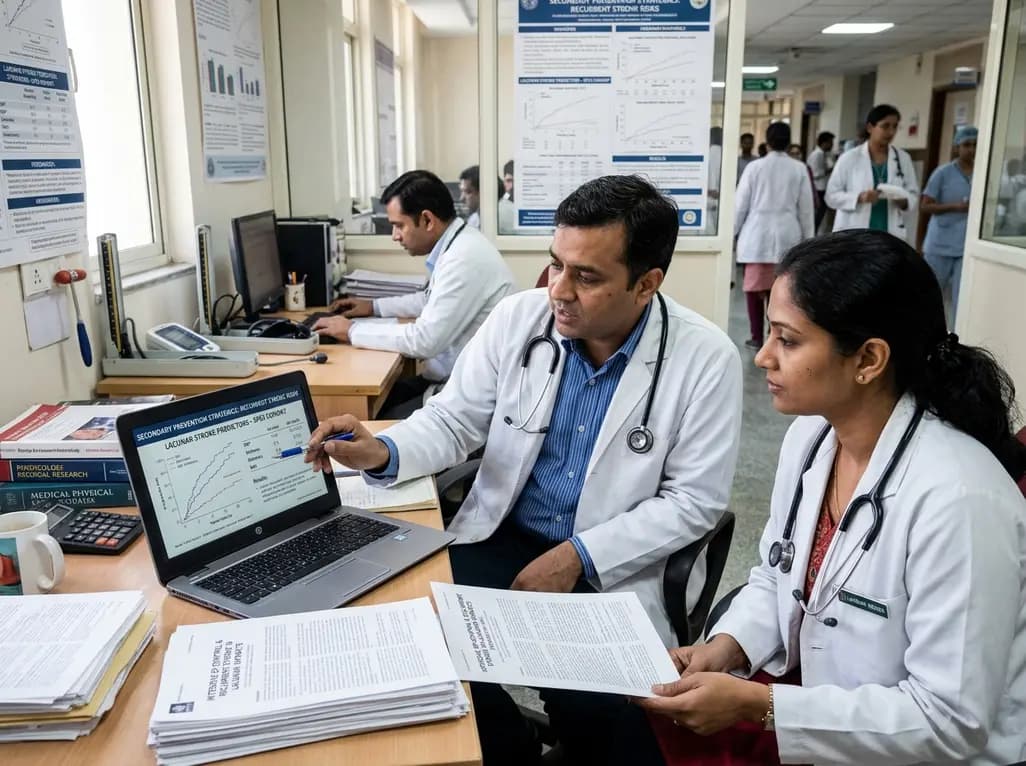
Explore vital recurrent stroke predictors in lacunar stroke patients managed with intensive blood pressure lowering. This analysis examines trial findings from SPS3 to uncover residual vascular risks, metabolic factors, and targeted secondary prevention strategies for high-risk neurological patients.
Today

A comprehensive scoping review synthesises evidence linking prenatal maternal mental health to long-term offspring neurodevelopment, evaluating neuroendocrine, inflammatory, and epigenetic pathways while highlighting clinical screening and future research priorities.
Today

The Directorate General of Health Services directs Indian states to halt the hazardous reuse and reprocessing of single-use medical devices. Discover regulatory implications under the Drugs and Cosmetics Act, critical infection risks, legal liabilities, and operational changes required across clinical specialties.
Today
Mitochondria-targeted nanoparticles self-assembled from EGCG and L-glutamic acid effectively restore mitochondrial homeostasis, suppress synovial inflammation, and attenuate chondrocyte senescence in osteoarthritis, offering a promising disease-modifying nanotherapy.
Today

India is advancing preventive healthcare by integrating genomics, artificial intelligence, and quantum technologies. With the SANGAM programme sequencing one million Indian genomes, clinicians can unlock personalized therapies, detect cardiometabolic risks early, and curb the burden of diabetes and heart disease.
Today
