.webp&w=384&q=75)

Loading, please wait...
Loading, please wait...

Leber Congenital Amaurosis 10 (LCA10) represents a severe early-onset retinal dystrophy that can sometimes present with complex features. In a recent breakthrough case, researchers identified a rare co-occurrence of dual molecular mutations in an infant. Initially, clinicians suspected Bardet-Biedl syndrome (BBS) due to the presence of nystagmus and postaxial polydactyly. However, further genetic investigation revealed a more nuanced reality involving two distinct genetic disorders.
A six-month-old female infant presented with nystagmus and an absence of visual tracking. Furthermore, she exhibited postaxial polydactyly. Initial targeted gene panel testing detected compound heterozygous pathogenic variants in the CEP290 gene. Consequently, doctors assigned a preliminary diagnosis of Bardet-Biedl syndrome. Over a six-year follow-up period, the patient developed progressive pigmentary retinopathy. Nevertheless, she did not manifest other classic systemic features of BBS, such as obesity or renal issues.
A detailed review of the family history revealed that the father also had polydactyly. Because of this critical finding, clinicians performed whole-exome sequencing (WES). This testing identified an additional likely pathogenic variant in the GLI3 gene. The patient inherited this mutation from her father. Therefore, the polydactyly existed as an isolated trait unrelated to the retinal disease.
The final diagnosis confirmed LCA10 alongside isolated postaxial polydactyly type A1. This case highlights how WES provides superior diagnostic utility over targeted panels in complex pediatric cases. Accurate differentiation is vital because LCA10 has a more favorable systemic prognosis than syndromic ciliopathies. Additionally, emerging gene therapies now target patients with LCA10. Practitioners must emphasize longitudinal phenotyping and meticulous family histories to avoid misdiagnosis.
LCA10 primarily affects the retina and does not typically involve the systemic multi-organ features seen in BBS, such as obesity, renal anomalies, or polydactyly.
WES can identify mutations in multiple unrelated genes. This is crucial for cases where independent genetic conditions coexist and mimic a single syndrome.
Disclaimer: This content is for informational and educational purposes only and does not constitute medical advice or a professional relationship. Always seek the advice of your physician or another qualified health provider with any questions you may have regarding a medical condition. Refer to the latest local and national guidelines for clinical practice.
References
Wang L et al. Dual molecular diagnosis of CEP290 and GLI3 mutations identified in an infant with leber congenital amaurosis and postaxial polydactyly, a Bardet-Biedl syndrome phenocopy. BMC Ophthalmol. 2026 Feb 18. doi: 10.1186/s12886-026-04675-2. PMID: 41703510.
Beales PL et al. New criteria for improving the clinical diagnosis of Bardet-Biedl syndrome. J Med Genet. 1999;36(6):437-446.
Cideciyan AV et al. Centrosomal-ciliary gene CEP290/NPHP6 mutations result in blindness with unexpected sparing of photoreceptors and visual brain. Invest Ophthalmol Vis Sci. 2017;58(5):2609-2622.

Read summarized clinical updates, watch expert medical content, and earn CME certifications right from your smartphone.
Open your smartphone camera to scan and install.





A rare case where dual mutations in CEP290 and GLI3 mimicked Bardet-Biedl syndrome, highlighting the utility of whole-exome sequencing for pediatric diagnos...
8 months ago
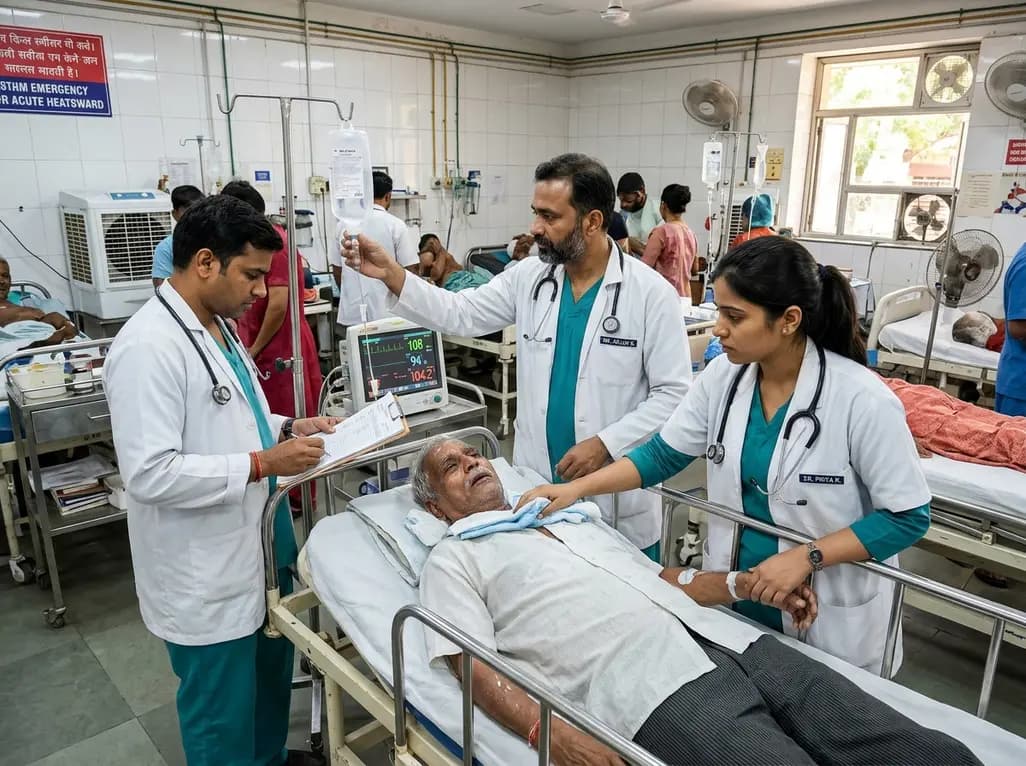
Recent epidemiological data reveals a dramatic surge in summer heat mortality driven by human-induced climate warming. This analysis explores the pathophysiological impacts on cardiac and renal systems, diagnostic dilemmas in death certification, and essential emergency cooling protocols for acute clinical care.
Today
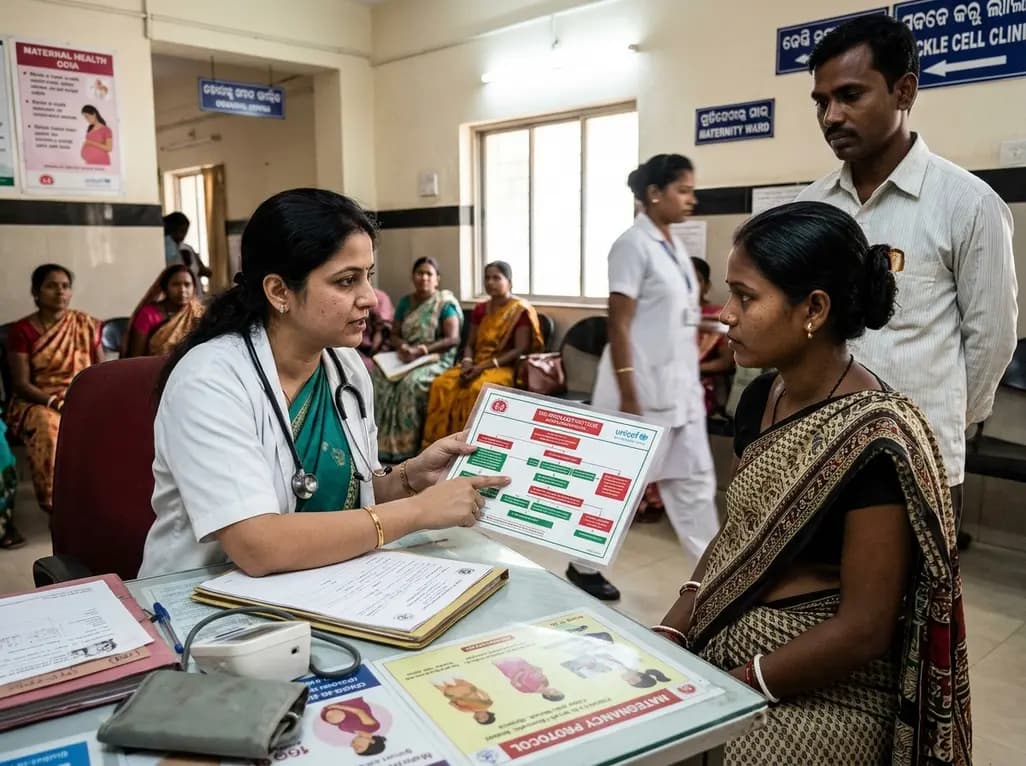
Odisha has established India's first state-level clinical protocol specifically tailored for pregnant women with sickle cell disease. Developed with NHM and UNICEF, the framework provides structured antenatal screening, crisis mitigation, standardized referral pathways, and specialized interdisciplinary care.
Today

India is advancing preventive healthcare by integrating genomics, artificial intelligence, and quantum technologies. With the SANGAM programme sequencing one million Indian genomes, clinicians can unlock personalized therapies, detect cardiometabolic risks early, and curb the burden of diabetes and heart disease.
Today

A randomized controlled trial demonstrates that an eight-week dual-task training intervention significantly improves static and dynamic postural control over standard balance exercises in individuals with chronic ankle instability, addressing critical neurocognitive deficits during athletic and daily activities.
Today

A retrospective cohort study of 7,716 ICU patients from the MIMIC-IV database demonstrates that Gradient Boosting Decision Trees significantly outperform traditional SOFA scores in predicting in-hospital mortality among patients with sepsis and diabetes, with SHAP analysis providing clinical interpretability.
Today
