.webp&w=384&q=75)

Loading, please wait...
Loading, please wait...
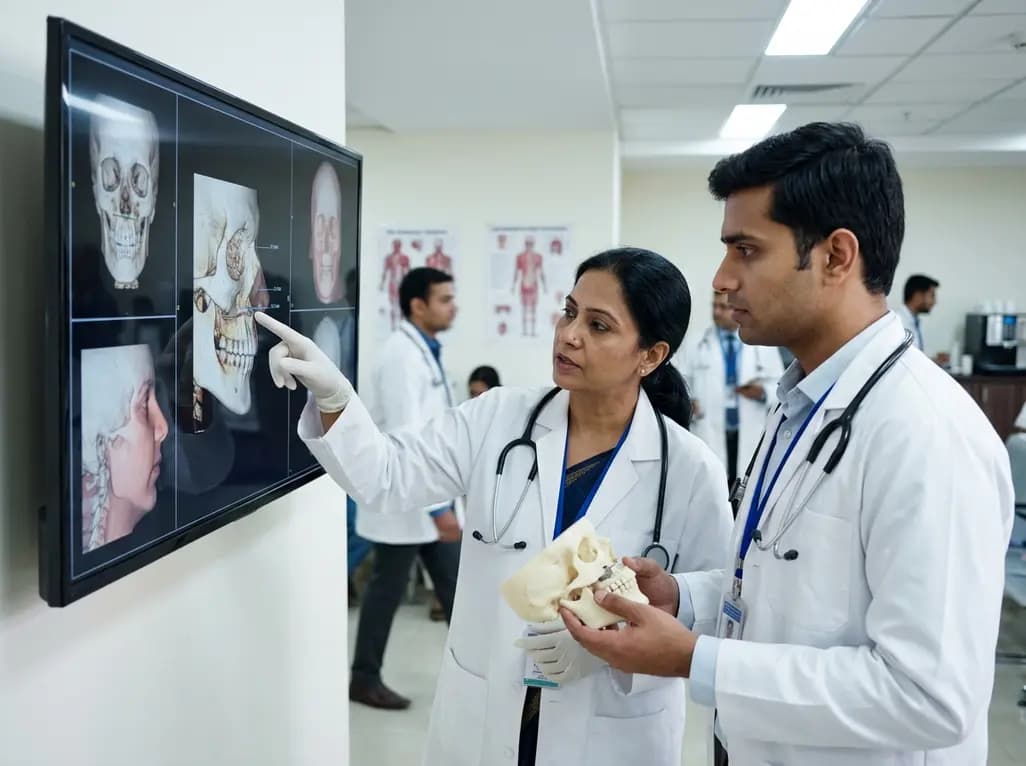
Orthognathic surgery aims to establish functional dental occlusion while simultaneously enhancing overall facial harmony. Among established orthognathic techniques, the Le Fort I osteotomy serves as the primary procedure to correct severe maxillary deformities. However, repositioning the bony maxilla invariably alters the overlying nasal soft tissue morphology. Maxillofacial surgeons frequently observe shifts in nasal tip projection, alar base width, and nasolabial contours. Consequently, predicting soft tissue transformation remains an essential clinical challenge for surgical teams. Specifically, changes in the nasolabial angle and nasofacial angle profoundly dictate aesthetic satisfaction after surgery. Therefore, clinicians must understand how specific skeletal movements influence these delicate nasal landmarks. In contemporary practice, three-dimensional virtual surgical planning substantially improves bony accuracy. Nevertheless, surgeons still require clear quantitative models to predict soft tissue behavior over extended healing periods. Maxillary displacement vectors operate in both horizontal and vertical planes, each producing distinct soft tissue changes. By evaluating these vectors accurately, surgical teams can formulate balanced aesthetic objectives. Furthermore, thorough evaluation of ethnic anatomical variations helps surgeons tailor reconstructive goals appropriately. Ultimately, precise predictive planning prevents undesirable profile changes and delivers superior patient satisfaction.
A recent retrospective cohort study thoroughly investigated how maxillary movements dictate aesthetic nasal changes after surgery. The research team evaluated forty-four patients undergoing bimaxillary orthognathic procedures at a single academic center. The patient cohort comprised ten men and thirty-four women with a median age of twenty-four years. To ensure high measurement accuracy, investigators acquired standardized lateral cephalograms at three distinct intervals. Specifically, radiographs were captured preoperatively, at one week postoperatively, and after twelve months of clinical healing. Furthermore, the clinicians utilized advanced three-dimensional virtual surgical planning to record horizontal and vertical maxillary displacements. The team subsequently validated these skeletal displacement values through meticulous cephalometric superimpositions. In addition, the statistical framework accounted for changes in the sella-nasion-B point angle as an essential confounding variable. Multiple linear regression and Pearson correlation analyses provided detailed insight into independent surgical effects. Evaluating patients at twelve months allowed the authors to bypass transient postoperative edema and observe true tissue stability. Consequently, this rigorous methodology produced reliable insights into permanent nasal changes following skeletal repositioning.
The statistical findings revealed clear correlations between skeletal movement and soft tissue angular alterations. Most notably, horizontal maxillary advancement exhibited a statistically significant positive correlation with the nasolabial angle. Specifically, researchers recorded a Pearson correlation coefficient of 0.32 with a p-value of 0.034 for this relationship. Moreover, horizontal advancement displayed an even stronger correlation with changes in the nasofacial angle. The analysis demonstrated a correlation coefficient of 0.68 with a p-value below 0.001. Therefore, advancing the maxilla forward consistently elevates both the nasolabial angle and the nasofacial angle. In contrast, vertical displacements demonstrated minimal independent influence on these specific angular parameters. Multiple linear regression modeling confirmed that horizontal advancement remained the predominant independent predictor of nasal aesthetic modification. Even after adjusting for mandibular movements and soft tissue confounding factors, the anteroposterior vector retained strong predictive power. These findings show that anteroposterior skeletal modifications drive the primary shifts in nasal profile balance. Consequently, surgeons must calculate horizontal advancement distances with exceptional care during virtual surgical simulation.
Understanding the anatomic mechanisms underlying these angular alterations is crucial for reconstructive surgeons. When surgeons mobilize and advance the maxilla, the anterior nasal spine moves forward concomitantly. Consequently, this forward translation provides mechanical support to the columellar base and elevates the overlying subnasale. Furthermore, tension across the alar cartilages and facial mimetic musculature produces upward rotation of the nasal tip. This structural relocation explains why horizontal advancement increases the nasofacial angle so robustly. In addition, stretching of the upper lip soft tissue envelope alters the inclination of the labial philtrum. Because the nasolabial angle depends on both the columellar line and the upper lip tangent, forward movement expands this geometric relationship. However, soft tissue adaptation is neither instantaneous nor purely linear. During the first postoperative week, acute inflammatory swelling often exaggerates angular measurements. Over the subsequent twelve months, tissue remodeling and cicatricial resolution restore anatomical equilibrium. Thus, the stable changes documented at one year reflect true biomechanical remodeling rather than residual edema.
These quantitative insights provide actionable guidance for maxillofacial surgeons and orthodontic specialists. When planning maxillary advancement, clinicians must evaluate the baseline nasolabial angle meticulously. For example, patients with an already obtuse nasolabial angle risk developing an excessively upturned appearance if the maxilla moves excessively forward. Conversely, individuals presenting with an acute angle and retrognathic profiles benefit immensely from maxillary advancement. In these patients, forward skeletal translation concurrently corrects dental malocclusion and restores harmonious nasal projection. Additionally, surgical teams can modify adjunctive soft tissue maneuvers based on anticipated skeletal displacement. Techniques such as alar base cinch suturing and anterior nasal spine recontouring allow fine aesthetic modulation. Furthermore, clear communication during preoperative consultations helps align patient expectations with achievable anatomical outcomes. Surgeons can demonstrate realistic profile simulations to explain how jaw repositioning alters the nose. Similarly, post-surgical monitoring ensures that occlusion and facial proportions remain balanced throughout long-term recovery. Ultimately, integrating skeletal displacement vectors into aesthetic planning ensures functional correction without compromising nasal balance. This holistic approach elevates overall surgical success in modern maxillofacial practice.
Maxillary advancement pushes the anterior nasal spine and subnasale forward, which lifts the columellar base. Additionally, forward skeletal displacement tensions the upper lip musculature, altering the philtral tangent. As a result, the angle between the columella and the upper lip widens predictably. Clinical studies demonstrate a statistically significant correlation between the magnitude of horizontal advancement and nasolabial angle expansion over twelve months of healing.
The nasofacial angle reflects nasal tip projection relative to the vertical facial plane. During Le Fort I procedures, forward maxillary movement elevates nasal tip projection, increasing this angle significantly. Monitoring this metric helps surgeons evaluate whether skeletal advancements will create a harmonious nasal profile or cause unwanted upturning. Consequently, incorporating nasofacial angle predictions into virtual surgical planning prevents aesthetic imbalances and optimizes facial proportions.
Surgeons must assess soft tissue outcomes at twelve months because postoperative edema distorts profile angles during initial recovery. Although immediate postoperative radiographs capture skeletal fixation, overlying tissues require extensive remodeling. By twelve months, lymphatic drainage normalizes, surgical scars mature, and muscular attachment settles into final positions. Therefore, evaluating patients at one year provides an accurate, stable assessment of permanent aesthetic changes induced by skeletal displacement.
Disclaimer: This content is for informational and educational purposes only and should not be taken as professional medical advice. Always seek the advice of your physician or other qualified healthcare provider with any questions you may have regarding a medical condition. Refer to the latest local and national guidelines for clinical practice.
References

Read summarized clinical updates, watch expert medical content, and earn CME certifications right from your smartphone.
Open your smartphone camera to scan and install.





A retrospective cohort study demonstrates that horizontal maxillary advancement in Le Fort I osteotomy correlates significantly with increases in nasolabial and nasofacial angles at 12 months, highlighting critical biomechanical implications for orthognathic aesthetic planning.
Today

The World Health Organization confirmed that Russian authorities detected no plague cases following a lab technician's death in Irkutsk. Explore critical clinical insights on pneumonic plague, differential diagnosis of fulminant pneumonia, biosafety protocols, and recommended antimicrobial regimens for healthcare teams.
Today
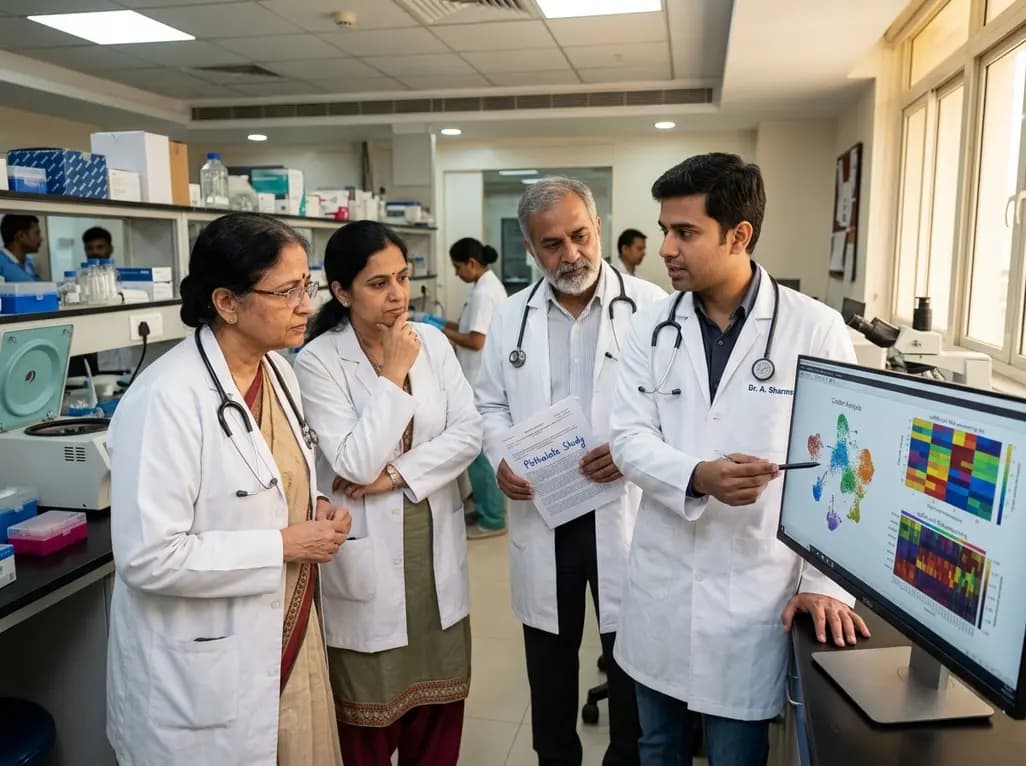
A landmark single-cell study reveals that MEHP, a major phthalate metabolite, damages human ovarian tissue beyond follicles. By disrupting glial-stromal communication, cellular adhesion, and mitochondrial respiration, environmental plasticizers impair ovarian integrity at realistic exposure levels.
Today

The Delhi High Court granted interim relief to beverage manufacturers against the FSSAI ban on the energy drink descriptor. Discover the regulatory dispute, caffeine safety thresholds, metabolic concerns, and the vital clinical recommendations for healthcare practitioners advising young consumers in India.
Today
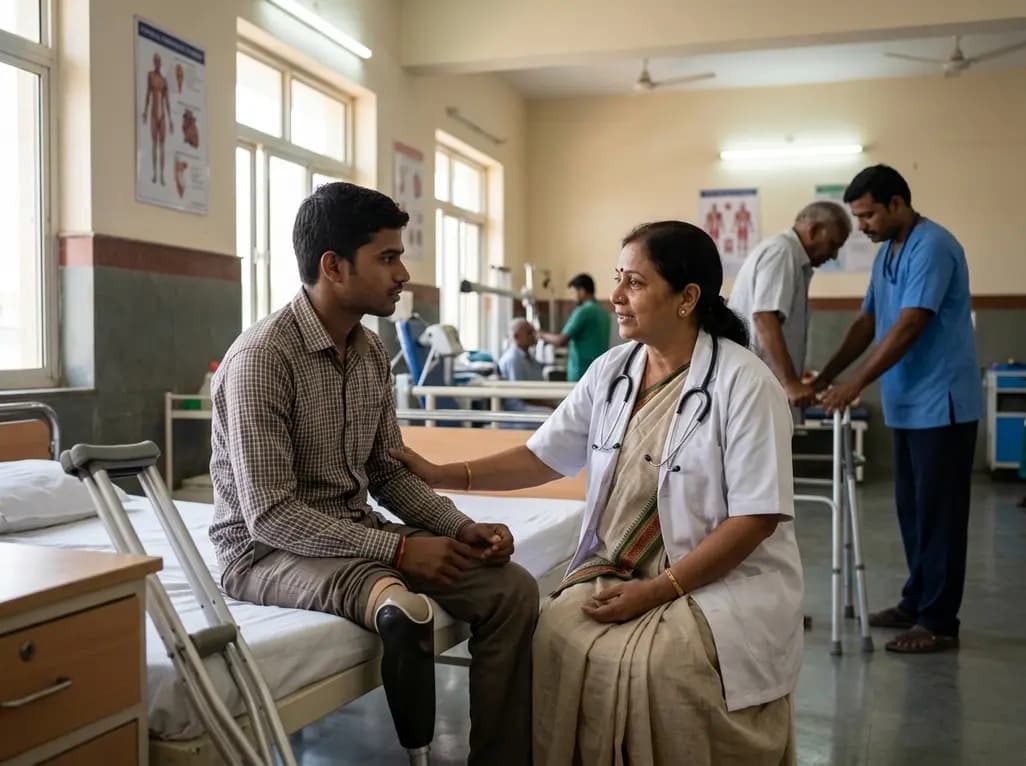
A scoping review reveals severe gaps in long-term assistive technology provision following humanitarian emergencies. Addressing post-disaster rehabilitation requires systematic follow-up, workforce training, and integration into national health systems to sustain mobility and recovery.
Today
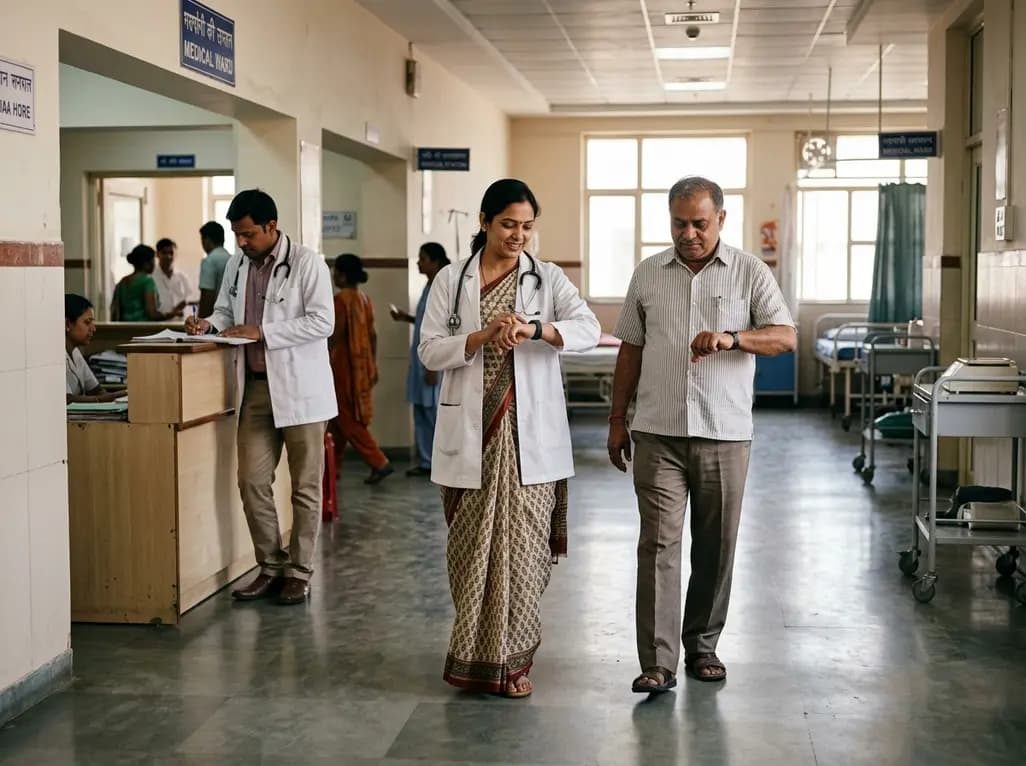
A randomized trial demonstrates that breaking up sedentary behavior with frequent 5-minute brisk walks matches a 45-minute continuous bout for daily energy expenditure while uniquely reducing prolonged sitting, offering a flexible lifestyle prescription for adults with overweight or obesity.
Today
