.webp&w=384&q=75)

Loading, please wait...
Loading, please wait...

The World Health Organization recently addressed global biosafety concerns following the death of a laboratory worker in Irkutsk, Russia. Initial media reports raised alarming suspicions of occupational pneumonic plague after the researcher succumbed to fulminant pneumonia. However, Russian public health authorities officially reported that diagnostic evaluations revealed no high-threat pathogens among contacts. Furthermore, testing confirmed no presence of Yersinia pestis in the deceased worker. Although global surveillance networks responded swiftly, this incident highlights the immense challenge clinicians face when evaluating severe unexplained respiratory failure. Consequently, medical teams worldwide must remain vigilant regarding rare infectious threats, stringent biosafety measures, and early empirical treatment pathways.
The incident unfolded when a twenty-eight-year-old laboratory technician at the Irkutsk Antiplague Research Institute developed rapidly worsening respiratory symptoms. Soon afterward, she required mechanical ventilation and tragically passed away on October 2. Because the institute handles hazardous biological agents, unconfirmed regional reports suggested that a broken culture container had triggered pneumonic exposure. In response, local health authorities enacted extensive containment measures, placing nearly two hundred hospital personnel and community contacts under observation.
Subsequently, the Russian national health watchdog, Rospotrebnadzor, conducted detailed biological testing on samples from the deceased patient. The official investigation concluded that the patient harbored no microorganisms linked to her institutional laboratory duties. Moreover, authorities reported that all observed contacts completed medical isolation without developing symptoms or high-threat infections. The World Health Organization subsequently requested comprehensive epidemiological data under the International Health Regulations framework. In addition, international public health experts emphasized that rapid disclosure clarifies conflicting reports during acute outbreaks. While authorities ruled out plague in this specific case, the event underscores why intensive surveillance remains crucial during occupational laboratory emergencies. Therefore, public health agencies continually assess sudden clusters of severe acute respiratory distress to exclude emerging pathogens.
Plague originates from infection with Yersinia pestis, a gram-negative coccobacillus maintained in nature by wild rodents and fleas. Primary pneumonic plague occurs through direct inhalation of infectious respiratory droplets or laboratory aerosols. Alternatively, secondary pneumonic plague develops when untreated bubonic or septicemic infections seed bacteria directly into pulmonary tissues through hematogenous spread. The pathogen bypasses primary pulmonary alveolar defenses using virulence factors that paralyze macrophages and suppress local immune signaling. Consequently, bacterial proliferation progresses rapidly inside the pulmonary parenchyma.
Clinically, primary disease has a remarkably brief incubation period, often lasting only twenty-four to seventy-two hours. Patients typically experience a sudden onset of high fever, rigors, headache, chest pain, and severe malaise. Within hours, a productive cough appears with thin, watery sputum that quickly turns frankly purulent and hemoptysic. Furthermore, patients develop refractory hypoxemia, tachypnea, and rapidly progressive bilateral alveolar infiltrates on chest imaging. Without rapid clinical intervention, patients develop fatal septic shock, adult respiratory distress syndrome, and multiorgan failure. Thus, clinicians must maintain a high index of clinical suspicion whenever rapid respiratory failure occurs after potential environmental or biological exposures. Additionally, early clinical suspicion remains the sole determinant separating recovery from fatal pulmonary disease.
Diagnosing high-threat respiratory infections demands extraordinary laboratory precautions to safeguard medical personnel from dangerous secondary transmission. When clinicians evaluate fulminant atypical pneumonia, they should obtain blood cultures, sputum samples, and bronchial aspirates prior to antimicrobial administration. However, clinicians must notify reference laboratories immediately before shipping or processing any suspicious specimens. Microscopic examination of sputum typically reveals bipolar-staining gram-negative rods using Wayson or Giemsa staining techniques. In addition, real-time polymerase chain reaction assays and rapid antigen tests provide sensitive, rapid pathogen confirmation.
Simultaneously, biosafety protocols require strict handling within certified Biosafety Level 3 facilities whenever technicians manipulate live cultures. Routine laboratory workbenches pose substantial dangers of generating infectious aerosols during vortexing or centrifugation. Furthermore, healthcare personnel must isolate symptomatic patients under strict droplet and respiratory precautions until they rule out contagious pathogens. Negative-pressure isolation rooms and N95 respirators prevent nosocomial dissemination during aerosol-generating procedures. Indeed, rigorous compliance with containment guidelines prevented secondary infections among healthcare contacts during the recent Siberian investigation. Therefore, hospitals must regularly review dangerous pathogen containment workflows to protect frontline healthcare workers from fatal nosocomial exposures. Consequently, vigilant biosafety standards preserve institutional safety while accelerating accurate pathogen identification.
Timely therapeutic intervention dictates clinical survival when treating suspected high-threat respiratory infections. Primary pneumonic plague exhibits a nearly one hundred percent case-fatality rate when clinicians delay antimicrobials beyond twenty-four hours from symptom onset. Therefore, physicians must start empirical bactericidal therapy immediately upon clinical suspicion without awaiting laboratory confirmation. Aminoglycosides represent historical first-line therapy, with intravenous gentamicin demonstrating superior clinical efficacy and manageable safety profiles. Intramuscular or intravenous streptomycin provides an established alternative where locally available.
In recent guideline updates, global health authorities endorse fluoroquinolones as effective, accessible therapeutic choices. Specifically, intravenous ciprofloxacin and levofloxacin offer potent bactericidal activity and penetrate deep into infected lung tissue. Clinicians also utilize doxycycline as a valuable second-line agent or oral step-down therapy once patients clinically stabilize. In severe presentations, critical care teams provide aggressive supportive care, including lung-protective ventilation, vasopressors, and cautious fluid resuscitation. Furthermore, close contacts require immediate post-exposure antimicrobial prophylaxis for seven consecutive days. Prescribers typically administer oral doxycycline or oral ciprofloxacin to exposed individuals to avert disease onset. Consequently, maintaining institutional stockpiles of essential antimicrobials ensures rapid response capabilities during unexpected biological emergencies. Thus, prompt administration of validated antimicrobials safeguards both individualized patient recovery and wider community health.
The World Health Organization emphasizes that timely and transparent information sharing forms the cornerstone of global infectious disease defense. Under the International Health Regulations, member nations must rapidly verify reports involving high-consequence pathogens capable of causing cross-border spread. When initial reports suggested a potential plague fatality in Irkutsk, the international public health community promptly initiated verification procedures. Although Russian authorities confirmed that no high-threat pathogens caused the death, international agencies continued requesting clinical clarification. Specifically, global health officials sought data regarding the underlying etiology of the severe pneumonia and a second employee hospitalized with respiratory illness.
In India and across Asia, historical plague outbreaks remind health authorities that ecological reservoirs of Yersinia pestis still persist. Therefore, physicians and epidemiologists must maintain integrated disease surveillance systems at regional and international borders. Clinicians should routinely question patients presenting with acute respiratory distress about recent travel to endemic areas or animal handling. In addition, hospitals must establish rapid notification protocols linking emergency departments directly with state surveillance officers. Transparent reporting eliminates dangerous misinformation and allows public health leaders to assess real-world population risks accurately. Ultimately, robust surveillance frameworks ensure early pathogen detection before localized transmission chains evolve into international health crises.
Q1: What are the earliest clinical indicators distinguishing pneumonic plague from typical pneumonia?
Pneumonic plague typically exhibits an abrupt onset with high fever, severe chills, headache, and profound prostration. Unlike common community-acquired pneumonia, patients rapidly develop productive cough with watery or bloody sputum within twenty-four hours. Additionally, tachypnea and dyspnea progress quickly into respiratory failure and cardiovascular collapse. Therefore, healthcare providers must obtain travel and occupational histories immediately to recognize suspected cases before clinical deterioration occurs.
Q2: What is the first-line therapeutic protocol when pneumonic plague cannot be excluded?
Clinicians must initiate empirical antimicrobial therapy without waiting for definitive microbiological confirmation. Specifically, aminoglycosides such as intravenous gentamicin or intramuscular streptomycin serve as primary first-line bactericidal agents. Alternatively, intravenous fluoroquinolones like ciprofloxacin or levofloxacin offer established efficacy with favorable safety profiles. In addition, healthcare teams must administer therapy within twenty-four hours of symptom onset because delayed treatment substantially elevates patient mortality and complications.
Q3: How should healthcare facilities manage individuals exposed to a suspected plague case?
Infection control teams must promptly quarantine and monitor close contacts under active fever surveillance for seven days. Furthermore, asymptomatic close contacts require post-exposure antimicrobial prophylaxis using oral doxycycline or oral ciprofloxacin. If any contact develops fever or respiratory manifestations, physicians must isolate them immediately and start full therapeutic regimens. Consequently, stringent droplet precautions and prompt public health notifications remain critical to preventing secondary transmission cycles.
Disclaimer: This content is for informational and educational purposes only. It does not constitute medical advice or replace professional judgment. Refer to the latest local and national guidelines for clinical practice.
References

Read summarized clinical updates, watch expert medical content, and earn CME certifications right from your smartphone.
Open your smartphone camera to scan and install.





The World Health Organization confirmed that Russian authorities detected no plague cases following a lab technician's death in Irkutsk. Explore critical clinical insights on pneumonic plague, differential diagnosis of fulminant pneumonia, biosafety protocols, and recommended antimicrobial regimens for healthcare teams.
Today

A landmark single-cell study reveals that MEHP, a major phthalate metabolite, damages human ovarian tissue beyond follicles. By disrupting glial-stromal communication, cellular adhesion, and mitochondrial respiration, environmental plasticizers impair ovarian integrity at realistic exposure levels.
Today

The Delhi High Court granted interim relief to beverage manufacturers against the FSSAI ban on the energy drink descriptor. Discover the regulatory dispute, caffeine safety thresholds, metabolic concerns, and the vital clinical recommendations for healthcare practitioners advising young consumers in India.
Today

A scoping review reveals severe gaps in long-term assistive technology provision following humanitarian emergencies. Addressing post-disaster rehabilitation requires systematic follow-up, workforce training, and integration into national health systems to sustain mobility and recovery.
Today
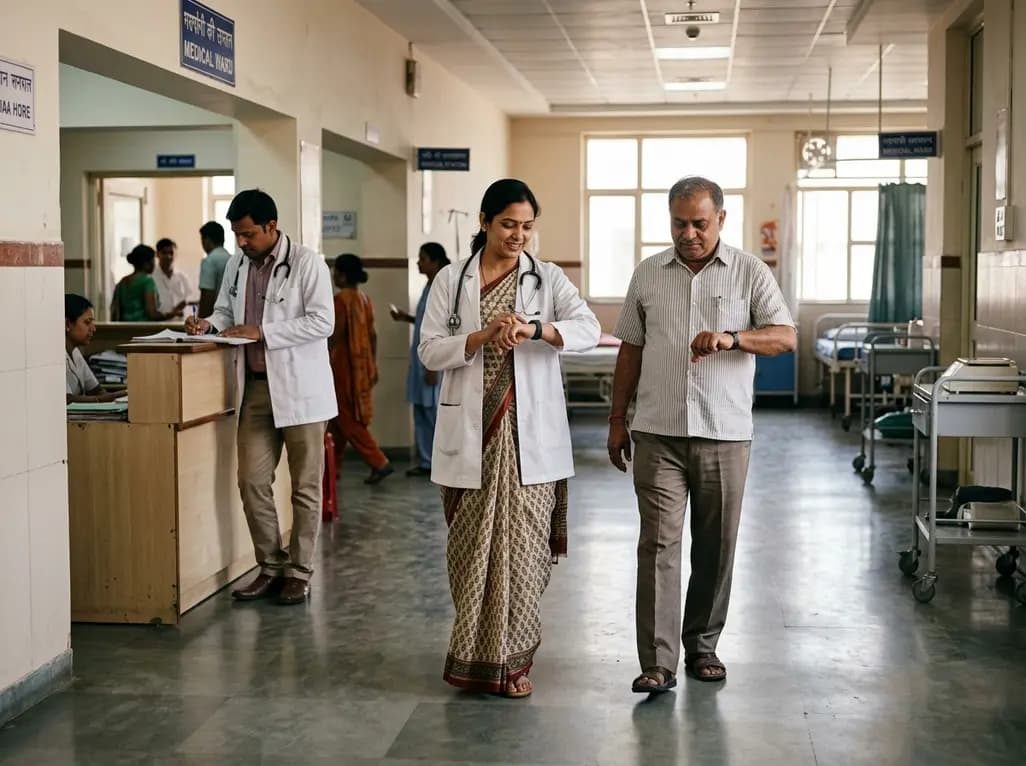
A randomized trial demonstrates that breaking up sedentary behavior with frequent 5-minute brisk walks matches a 45-minute continuous bout for daily energy expenditure while uniquely reducing prolonged sitting, offering a flexible lifestyle prescription for adults with overweight or obesity.
Today
