.webp&w=384&q=75)

Loading, please wait...
Loading, please wait...
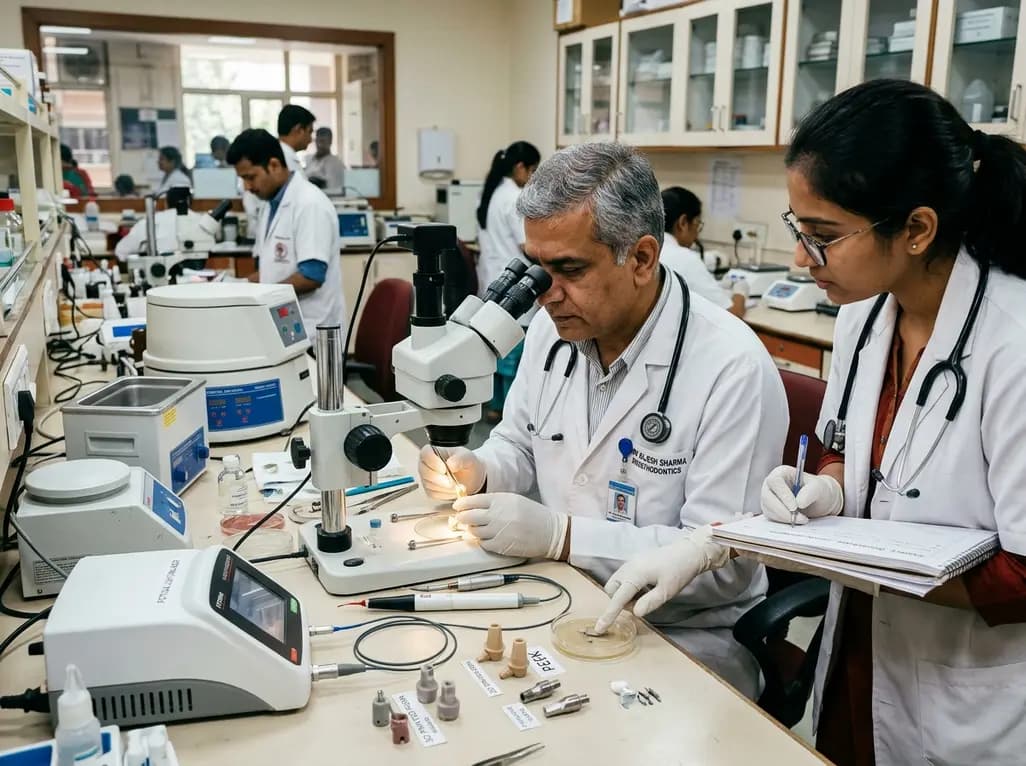
Modern implant dentistry relies heavily on customized transmucosal components to guide soft tissue emergence profiles. Clinicians frequently evaluate healing abutment surface roughness because microtopography directly influences bacterial biofilm adhesion and epithelial attachment. Consequently, maintaining an optimal surface profile during cleaning and decontamination is essential for long-term implant success. When plaque or calculus accumulates on custom healing abutments, dental teams must clean them without inadvertently damaging the underlying material. However, conventional instrumentation and therapeutic modalities can drastically alter biomaterial textures. Smooth transmucosal surfaces generally reduce pathogen retention and lower the risk of peri-implant mucositis. Conversely, aggressive debridement creates micro-irregularities that accelerate microbial colonization. Therefore, selecting appropriate decontamination protocols represents a critical clinical decision. Practitioners must understand how distinct decontamination tools interact with newly developed restorative substrates. This knowledge allows dental surgeons to safeguard soft tissue barriers while maintaining immaculate clinical standards.
Additive manufacturing has revolutionized dental workflows through precision 3D printing technologies. Clinicians now routinely fabricate custom healing abutments from advanced polymeric formulations, including permanent hybrid resins and polyetheretherketone (PEEK). Specifically, materials such as VarseoSmile TriniQ, Saremco Print Crowntec, and ceramic-filled resins offer customizable aesthetics and rapid chairside production. Furthermore, PEEK provides superior biocompatibility, low modulus of elasticity, and excellent chemical stability. However, each polymeric substrate exhibits unique mechanical and thermal thresholds during clinical handling. Resin matrices contain varying filler loads that respond differently to mechanical abrasion and thermal radiation. Meanwhile, PEEK demonstrates high chemical resistance but remains vulnerable to specific surface modifications. Understanding these distinct material compositions helps clinicians anticipate surface degradation during maintenance visits. Therefore, dental practitioners must tailor their debridement methods to the precise biomaterial used in the oral cavity.
Mechanical and high-energy therapeutic modalities can significantly modify polymeric surfaces. Recent investigations demonstrate that airborne-particle abrasion and Er:YAG laser irradiation dramatically increase surface roughness across both 3D printed resins and PEEK. Specifically, alumina air abrasion creates sharp micro-craters and irregular fissures across resin surfaces. This physical impact strips away resin matrices and dislodges inorganic filler particles. Similarly, Er:YAG lasers emit thermomechanical energy that rapidly vaporizes surface layers, resulting in noticeable micro-explosions and micro-fractures. Consequently, treated surfaces exhibit significantly elevated Ra values compared to their baseline measurements. Furthermore, scanning electron microscopy confirms substantial structural destruction and topographic irregularities after these aggressive interventions. Clinicians must recognize that such heightened roughness encourages rapid microbial adhesion in the subgingival environment. Therefore, practitioners should avoid using standard airborne-particle abrasion or high-power Er:YAG lasers for routine maintenance on polymeric custom abutments.
In contrast to aggressive modalities, gentler decontamination protocols maintain baseline surface smoothness. Studies indicate that diode lasers, Nd:YAG lasers, and GalvoSurge electrolytic cleaning systems preserve surface integrity without inducing significant roughness. Specifically, diode lasers deliver controlled thermal decontamination without disrupting polymeric cross-linking or degrading inorganic fillers. Similarly, Nd:YAG lasers achieve effective bacterial disinfection while maintaining predictable surface morphology when clinicians apply proper parameters. Furthermore, the GalvoSurge system uses electrolytic action to lift biofilms without physical friction or thermal ablation. Scanning electron microscopy reveals that these three methods leave the original topography of 3D printed resins and PEEK intact. Consequently, clinicians can achieve thorough decontamination without compromising the microscopic smoothness of transmucosal components. Therefore, these conservative modalities provide safe and effective alternatives for managing biofilm on polymer-based implant restorations.
Preserving an intact transmucosal seal is crucial for preventing peri-implant inflammatory diseases. When custom healing abutments develop increased roughness, pathogenic bacteria rapidly colonize the micro-grooves. Consequently, persistent biofilm accumulation triggers soft tissue inflammation and jeopardizes the marginal bone crest. In addition, rough subgingival surfaces impede the formation of a stable hemidesmosomal epithelial attachment. Dental teams must therefore prioritize minimally invasive decontamination protocols during routine implant maintenance appointments. By selecting diode lasers, Nd:YAG irradiation, or electrolytic cleaning, clinicians eliminate pathogens while safeguarding the smooth transmucosal profile. Moreover, avoiding mechanical roughening reduces the need for frequent component replacement and laboratory refinishing. This careful approach promotes long-term soft tissue stability and minimizes clinical complications. Thus, matching the decontamination technique to material properties directly enhances patient outcomes and treatment longevity.
Establishing evidence-based maintenance protocols is essential for clinical success with digital restorative biomaterials. First, clinicians must identify the specific material used for the transmucosal component, whether it is a hybrid resin or PEEK. Next, dental teams should select non-destructive cleaning modalities such as diode lasers or electrolytic cleaning rather than abrasive sandblasting. In addition, practitioners must strictly follow manufacturer-recommended laser energy settings to prevent thermal distortion. If mechanical cleaning becomes necessary, clinicians should utilize non-abrasive polishing pastes and rubber cups to preserve surface smoothness. Furthermore, regular monitoring with digital magnification helps detect early material degradation before clinical failure occurs. Finally, educating patients on gentle interdental hygiene practices supports soft tissue health around custom abutments. By implementing these structured protocols, dental practices ensure optimal aesthetic and functional results for all implant patients.
Healing abutment surface roughness directly determines how easily bacterial biofilms accumulate along the transmucosal collar. When surfaces become rough, micro-crevices protect periodontal pathogens from routine oral hygiene measures. Consequently, this persistent microbial colonization triggers inflammation in the peri-implant mucosa and leads to tissue breakdown. Maintaining a smooth surface promotes a resilient soft tissue seal, prevents bacterial adhesion, and protects underlying marginal bone levels around the dental implant.
Diode lasers, Nd:YAG lasers, and GalvoSurge electrolytic cleaning represent the safest decontamination methods for 3D printed resin abutments. Research demonstrates that these modalities effectively eliminate bacterial pathogens without altering the baseline surface roughness or damaging the resin matrix. In contrast, clinicians should avoid airborne-particle abrasion and Er:YAG lasers because these aggressive techniques cause extensive surface degradation, pitting, and micro-fractures on resin substrates.
PEEK demonstrates remarkable chemical stability and biocompatibility, but it responds similarly to 3D printed resins when exposed to aggressive treatments. Specifically, both PEEK and resin materials suffer significant surface roughening and microscopic damage following airborne-particle abrasion and Er:YAG laser irradiation. Fortunately, conservative decontamination methods like diode lasers, Nd:YAG lasers, and electrolytic cleaning preserve the smooth surface morphology of PEEK just as effectively as printed resins.
Disclaimer: This content is for informational and educational purposes only. It is not intended to provide medical advice, diagnosis, or treatment. Always seek the advice of your physician or other qualified health provider with any questions you may have regarding a medical condition. Never disregard professional medical advice or delay in seeking it because of something you have read here. Refer to the latest local and national guidelines for clinical practice.
References

Read summarized clinical updates, watch expert medical content, and earn CME certifications right from your smartphone.
Open your smartphone camera to scan and install.





A comparative in vitro evaluation reveals how different laser modalities, particle abrasion, and electrolytic cleaning impact the surface roughness and structural integrity of 3D printed resins and PEEK healing abutments.
last month

Modern renal nutrition is shifting toward additive-aware dietary guidance. This paradigm differentiates between intrinsic nutrients in whole foods and hyper-bioavailable inorganic additives, offering practical strategies to mitigate additive stacking and toxicity without restricting nutritious whole foods.
Today
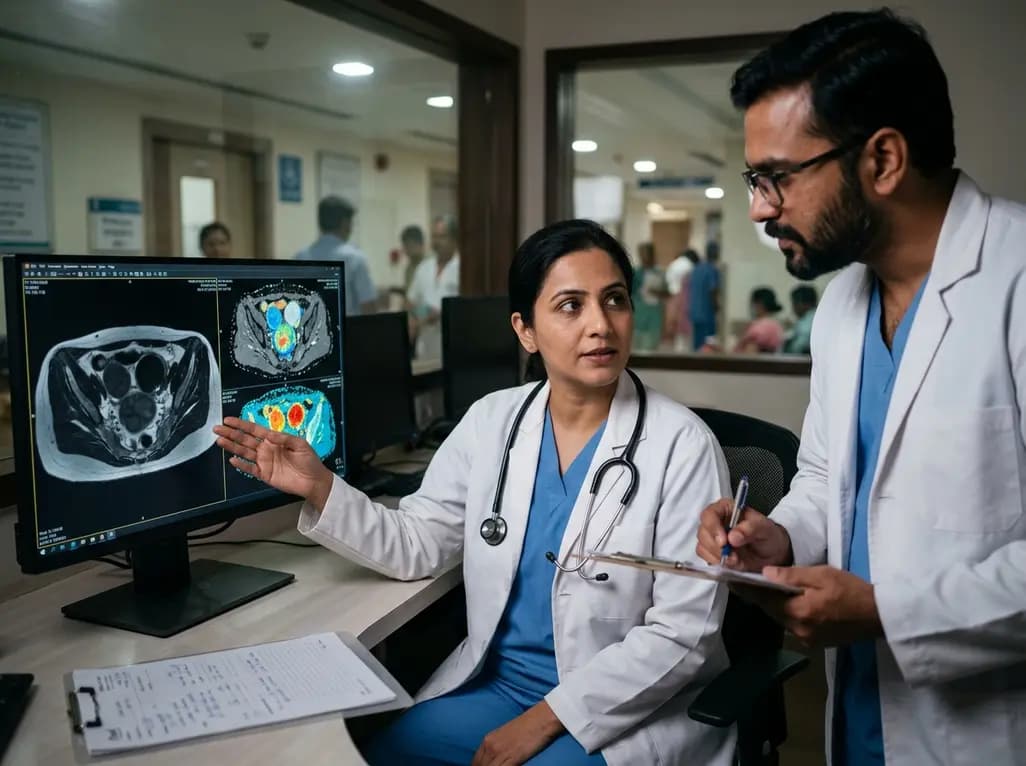
A multiparametric MRI approach combining quantitative T2 shading, apparent diffusion coefficient (ADC) measurements, and morphological signs provides superior diagnostic accuracy over subjective evaluation to differentiate ovarian endometriomas from benign hemorrhagic cysts.
Today
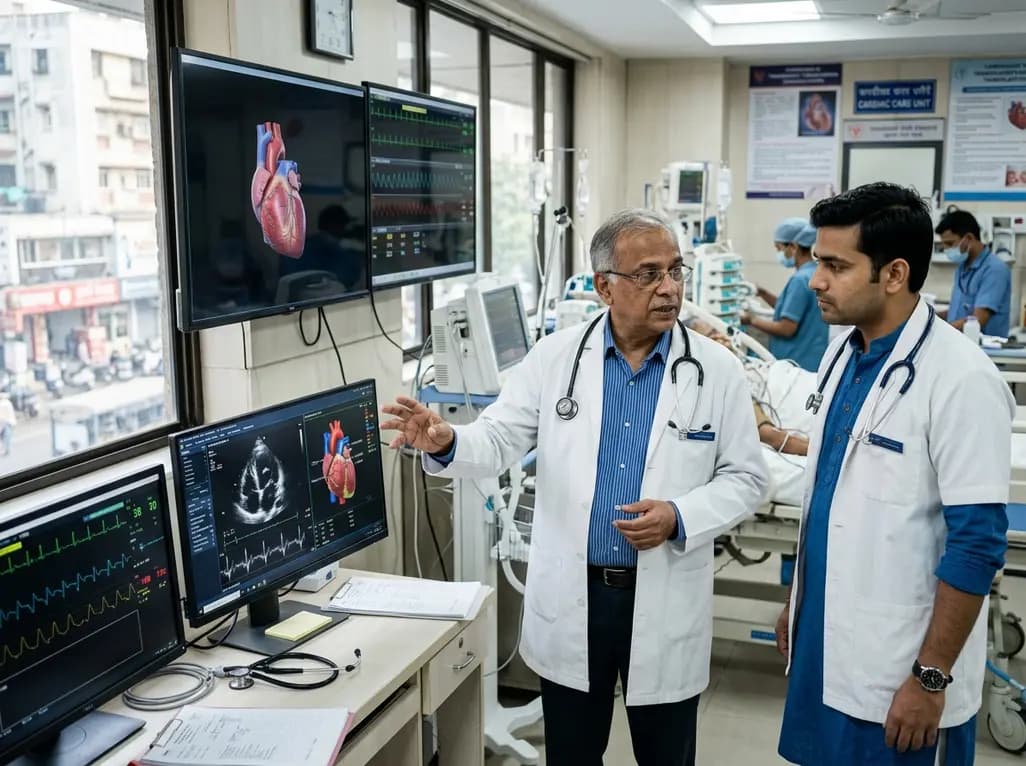
A landmark case report reveals a donor heart beating for a century in a 63-year-old recipient, challenging conventional age limits in cardiac transplantation and offering critical lessons on organ longevity, donor selection, and long-term graft survival.
Today
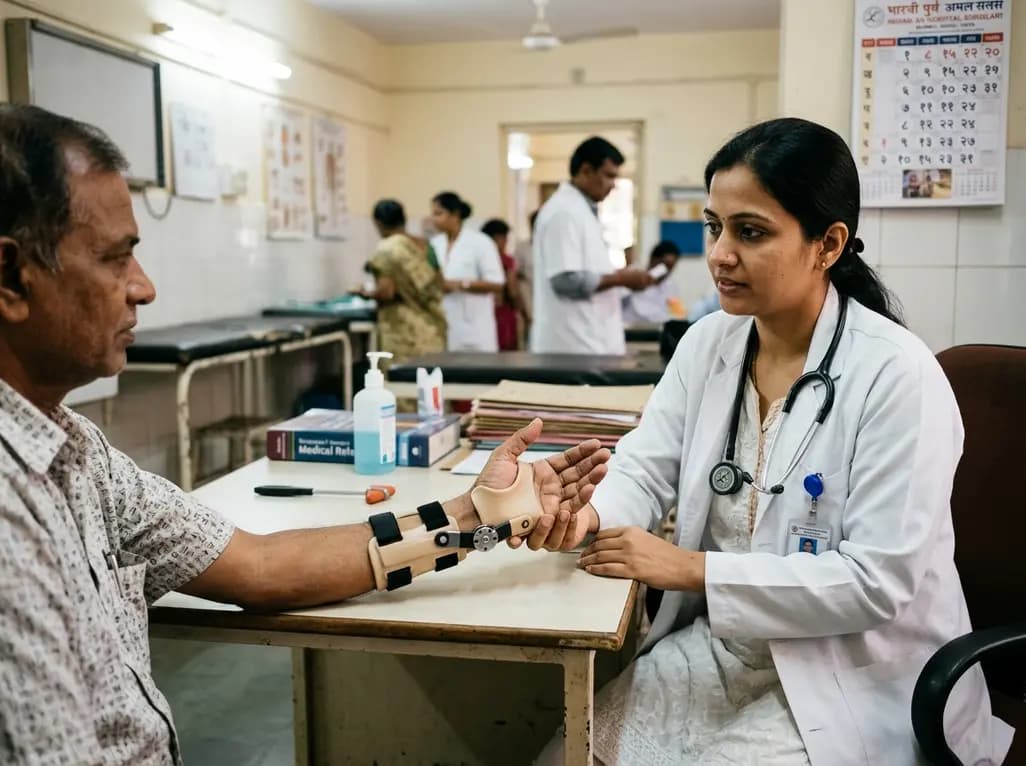
A new randomized crossover trial reveals that a hinged ulnar gutter orthosis significantly improves hand function and weight-bearing tolerance compared to standard volar splints in patients with degenerative triangular fibrocartilage complex lesions, supporting functionally permissive orthotic designs.
Today
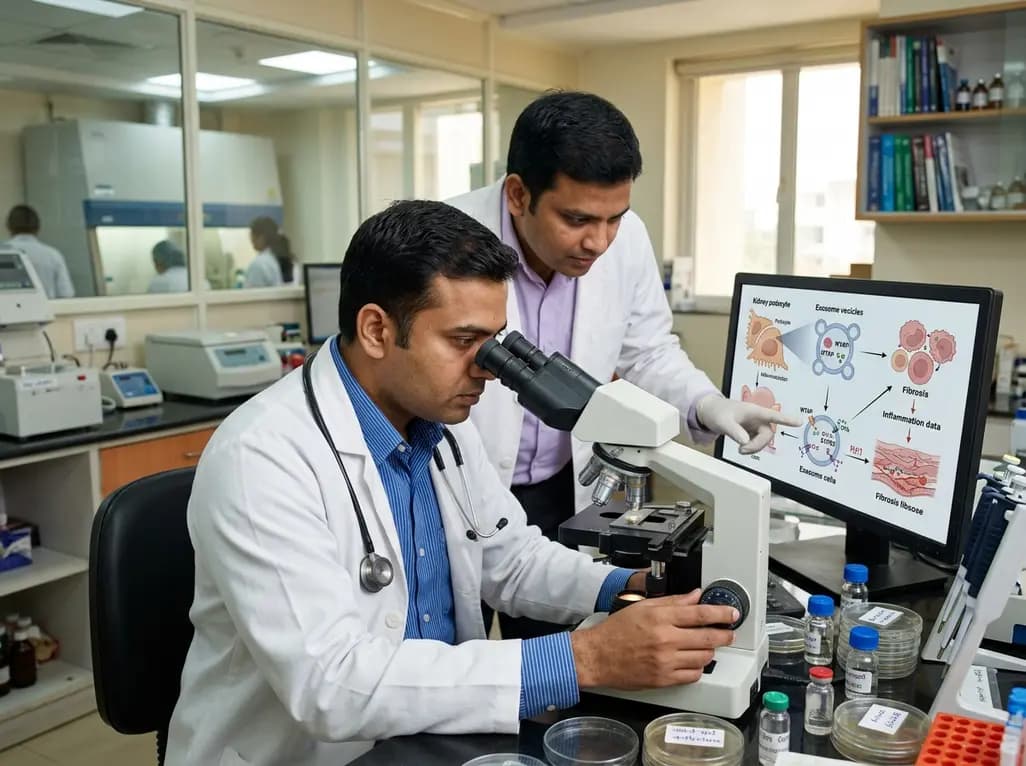
New research reveals that M1 macrophage-derived exosomes aggravate diabetic nephropathy by transferring WTAP to stabilize S1PR2 mRNA. Silencing WTAP in these vesicles attenuates endothelial injury and renal fibrosis, pointing toward innovative nanomedicine therapies.
Yesterday
