.webp&w=384&q=75)

Loading, please wait...
Loading, please wait...
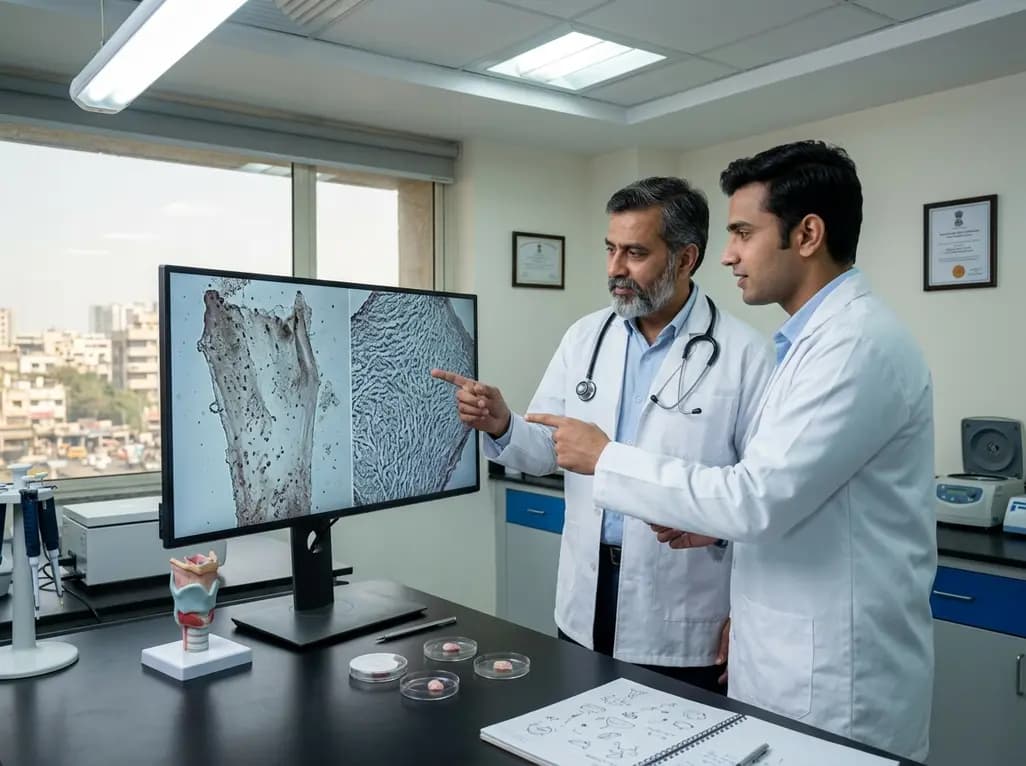
Scientists are making significant strides in laryngeal tissue engineering to address complex airway defects. Traditionally, sodium dodecyl sulfate (SDS) has served as the gold standard for decellularizing tissue scaffolds. However, researchers have found that SDS often damages the delicate structure of the extracellular matrix (ECM). Consequently, they have explored alternative methods to maintain tissue integrity while removing immunogenic material. A recent study compared the conventional SDS protocol with an innovative antigen removal approach in a murine model.
Both protocols successfully removed over 95% of double-stranded DNA, meeting the criteria for effective decellularization. Notably, the antigen removal method showed clear superiority in preserving the scaffold's architecture. Specifically, quantitative analysis revealed that antigen removal maintained collagen and glycosaminoglycan (GAG) levels significantly better than SDS. While SDS caused notable GAG loss, the antigen removal group retained a composition closer to native tissue.
Additionally, these findings are pivotal for the future of regenerative airway surgery. By preserving GAGs and collagen, the antigen removal approach ensures the scaffold retains its essential biochemical and mechanical cues. Furthermore, this method maintains the ultrastructural integrity necessary for successful cell recellularization. Therefore, clinicians and researchers might transition away from harsh detergents like SDS to optimize scaffold production. Ultimately, this refinement could lead to more durable and bio-compatible laryngeal transplants.
The antigen removal approach preserves the extracellular matrix and glycosaminoglycans much better than SDS, which can be overly aggressive and damage tissue structure.
Yes, research shows that antigen removal achieves over 95% DNA removal, which is comparable to the effectiveness of standard SDS protocols.
Disclaimer: This content is for informational and educational purposes only. It does not constitute professional medical advice, diagnosis, or treatment. Always seek the advice of your physician or other qualified health provider with any questions you may have regarding a medical condition. Refer to the latest local and national guidelines for clinical practice.
References
Hardy EG et al. Antigen Removal Approach to Murine Larynx Engineering Optimizes Extracellular Matrix Preservation. Laryngoscope. 2026 Jun 12. doi: 10.1002/lary.70678. PMID: 42283142.
Wong ML, Griffiths LG. Immunogenicity in xenogeneic scaffold generation: Antigen removal vs. decellularization. Acta Biomater. 2014;10(5):1806-16.
Ott HC, et al. Perfusion-decellularized matrix: using nature's platform to engineer a bioartificial heart. Nat Med. 2008;14(2):213-21.

Read summarized clinical updates, watch expert medical content, and earn CME certifications right from your smartphone.
Open your smartphone camera to scan and install.





A comparative study on murine laryngeal scaffolds demonstrates that antigen removal processing optimizes extracellular matrix preservation and glycosaminoglycan retention compared to traditional SDS decellularization, while maintaining effective cell removal.
4 months ago

An observational study from the NIH All of Us Research Program reveals that adding a multi-ancestry polygenic risk score to machine learning models provides only modest improvements in predicting adult weight gain, underscoring the enduring significance of routine clinical and lifestyle factors.
Today

A study in JAMIA Open shows lightweight open-source reasoning LLMs achieve up to 95% sensitivity and accelerate evidence synthesis screening by nearly twentyfold, presenting a cost-effective, scalable AI solution for biomedical research and systematic reviews.
Today
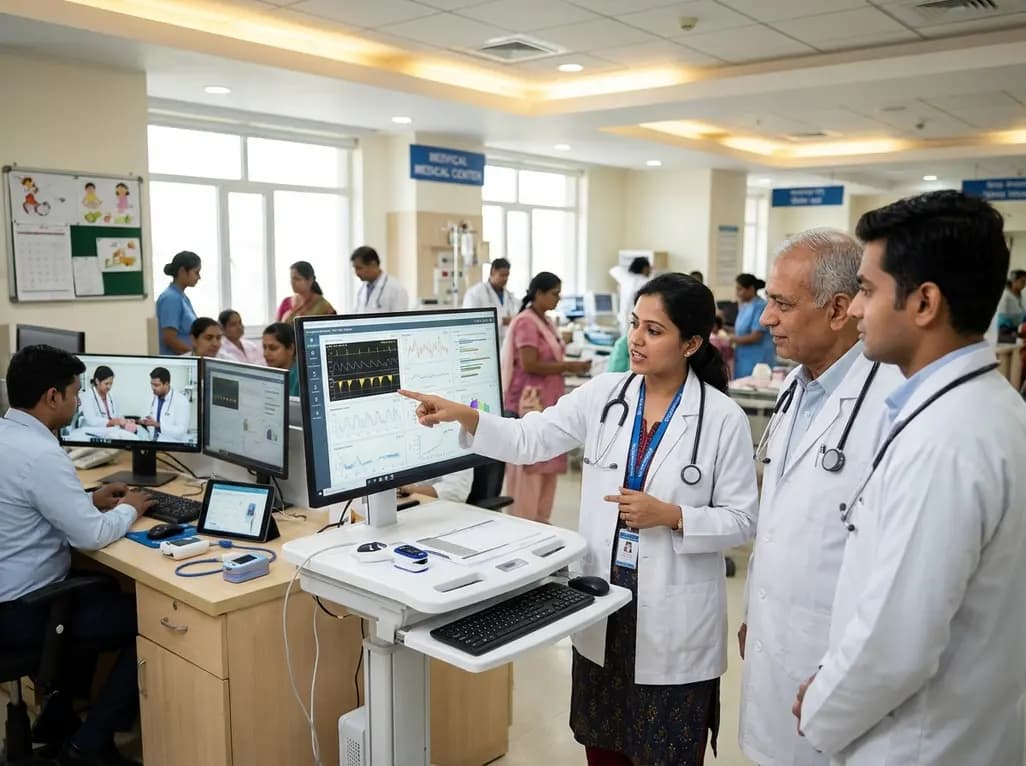
A landmark study details how an enterprise pediatric remote patient management model expanded from a single cardiology pilot to 16 diverse specialty programs by combining centralized digital operations with specialty clinical leadership.
Today

A comparative review of tension band wiring and intramedullary screw fixation in thumb metacarpophalangeal arthrodesis, evaluating union rates, hardware complications, and clinical outcomes.
Yesterday
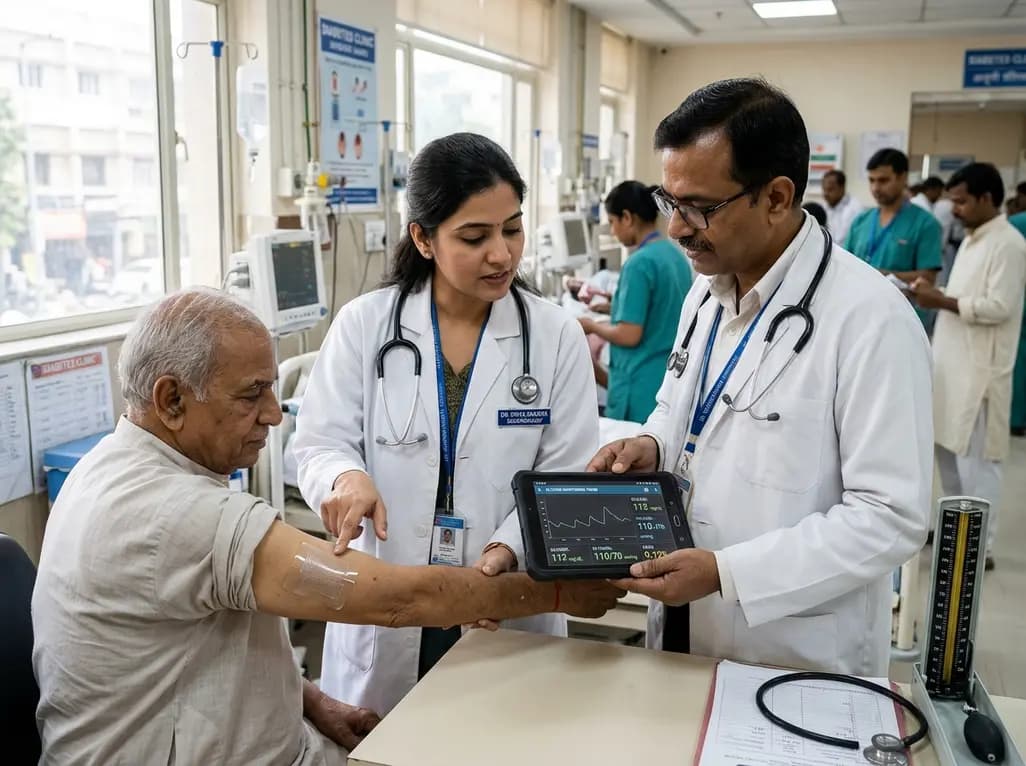
A breakthrough ultrathin multimodal sensor decouples physical hemodynamic monitoring from disposable electrochemical calibration, achieving long-term wearable glucose prediction with 81.36% accuracy and a 9.12% MARD. This offers a robust, drift-free solution for outpatient metabolic surveillance.
Yesterday
