.webp&w=384&q=75)

Loading, please wait...
Loading, please wait...

Choosing between minimally invasive and traditional surgery for locally advanced gastric cancer remains a controversial decision for many clinicians. A recent study evaluated the gastric cancer surgical prognosis to compare long-term survival outcomes between laparoscopy and open surgery. Researchers analyzed detailed data from patients treated at Zhejiang Cancer Hospital between 2008 and 2019. This analysis provides critical insights into which surgical method offers the best chance for long-term recovery.
The study found that the choice of surgical technique serves as an independent risk factor for patient outcomes. Specifically, patients who underwent open surgery demonstrated significantly better disease-free survival (DFS) and overall survival (OS) compared to those who received laparoscopic treatment. This finding challenges the growing preference for minimally invasive techniques in advanced oncological cases. Furthermore, it suggests that technical complexity in locally advanced cases may favor the traditional open approach.
Clinicians must carefully consider pathological stages when selecting the optimal surgical approach for their patients. Moreover, the survival benefits of open surgery were most pronounced in individuals with Stage III disease or N3 nodal involvement. In contrast, patients with earlier stages of the disease did not show such a stark difference in long-term outcomes. Therefore, while laparoscopy remains a feasible option for some, it might not be the superior choice for high-risk subgroups. Additionally, the study highlighted that precise nodal dissection and visualization in advanced stages are vital for a better gastric cancer surgical prognosis. Consequently, surgeons should weigh the short-term benefits of laparoscopy against the long-term survival advantages of open surgery in advanced stages.
While laparoscopy offers short-term benefits like reduced blood loss and quicker recovery, this long-term study suggests that open surgery provides superior overall and disease-free survival in advanced cases.
According to the research, patients with Stage III disease and N3 nodal involvement appear to have a more favorable long-term prognosis when undergoing traditional open surgery.
Disclaimer: This content is for informational and educational purposes only and does not constitute medical advice or a professional relationship. Always seek the advice of a physician or other qualified health provider with any questions you may have regarding a medical condition. Refer to the latest local and national guidelines for clinical practice.
References
Deng MC et al. Comparison of the long-term impact of laparoscopy and open surgery on the prognosis of patients with locally advanced gastric cancer. Sci Rep. 2026 Apr 16. doi: 10.1038/s41598-026-48276-x. PMID: 41991641.
Ichikawa D et al. Short- and Long-term Outcomes After Laparoscopic Versus Open Total Gastrectomy for Advanced Gastric Cancer. Cancer Diagnosis & Prognosis. 2026 Jan 02. doi: 10.21873/cdp.10058.
Basili G et al. Laparoscopic versus Open Total Gastrectomy for Locally Advanced Gastric Cancer: Short and Long-Term Results. Journal of Clinical Medicine. 2022 Nov 06. doi: 10.3390/jcm11216573.
"
Read summarized clinical updates, watch expert medical content, and earn CME certifications right from your smartphone.
Open your smartphone camera to scan and install.





A study comparing long-term outcomes of laparoscopy vs. open surgery in locally advanced gastric cancer, finding survival advantages for open surgery in adv...
6 months ago
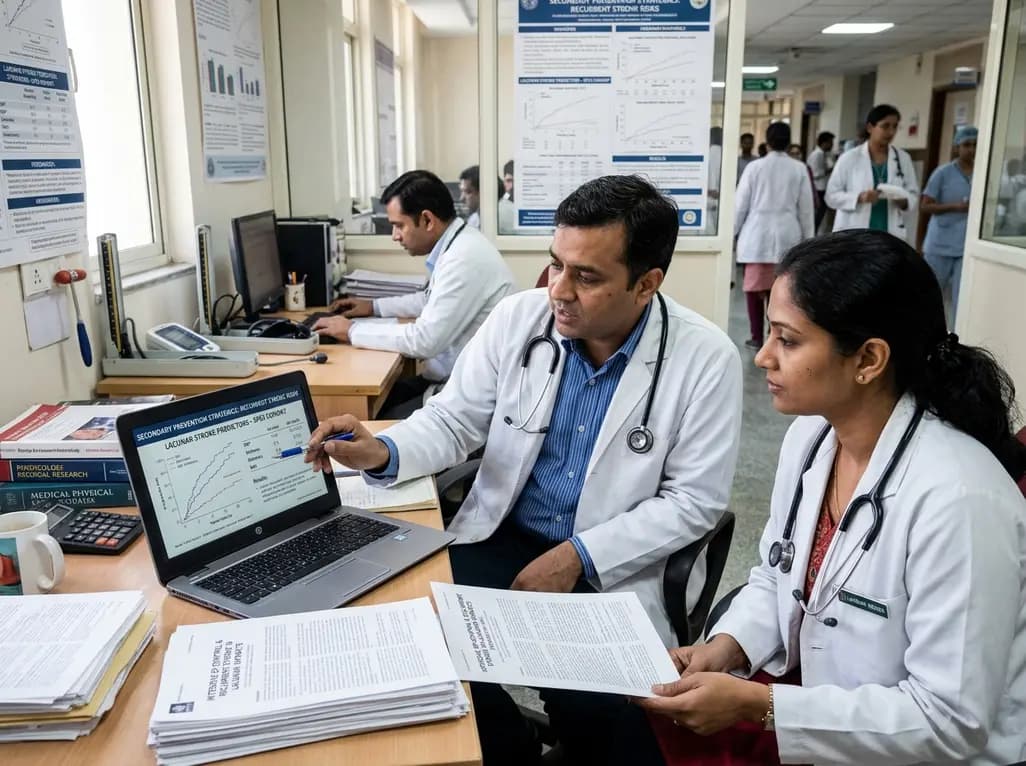
Explore vital recurrent stroke predictors in lacunar stroke patients managed with intensive blood pressure lowering. This analysis examines trial findings from SPS3 to uncover residual vascular risks, metabolic factors, and targeted secondary prevention strategies for high-risk neurological patients.
Today
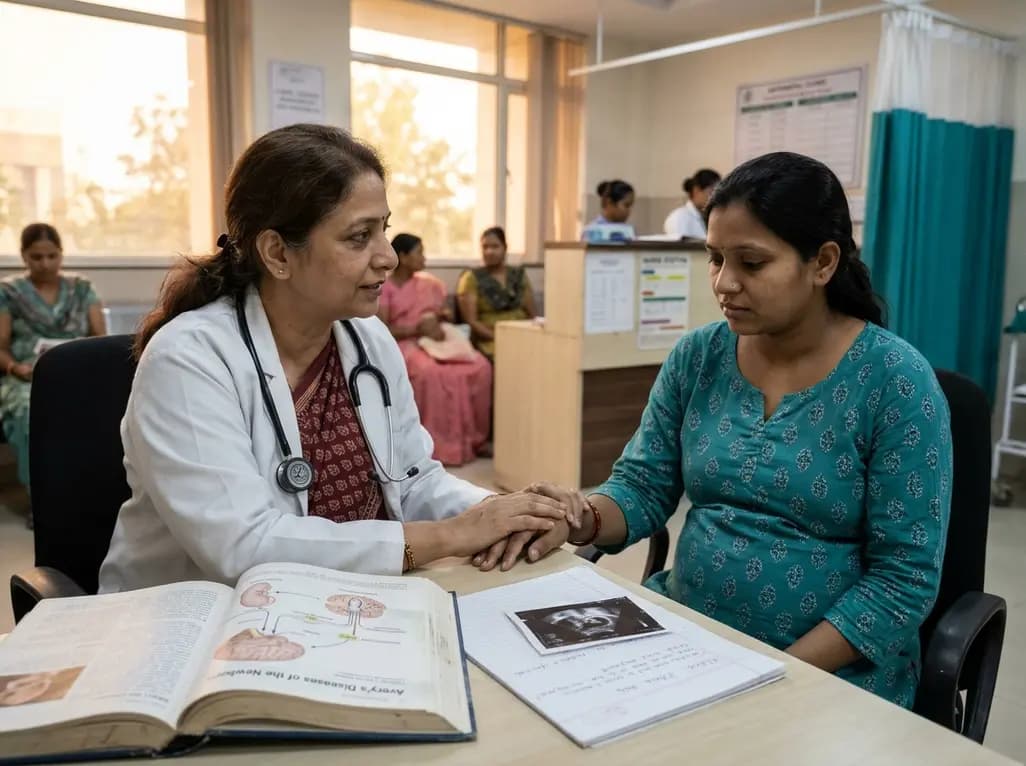
A comprehensive scoping review synthesises evidence linking prenatal maternal mental health to long-term offspring neurodevelopment, evaluating neuroendocrine, inflammatory, and epigenetic pathways while highlighting clinical screening and future research priorities.
Today
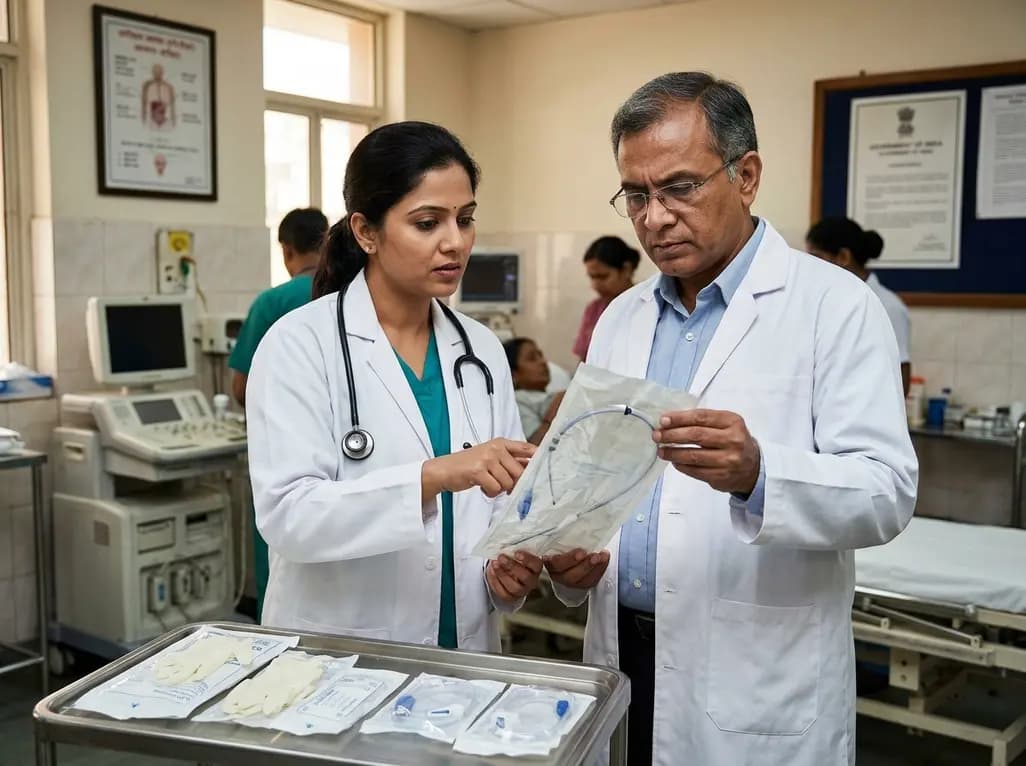
The Directorate General of Health Services directs Indian states to halt the hazardous reuse and reprocessing of single-use medical devices. Discover regulatory implications under the Drugs and Cosmetics Act, critical infection risks, legal liabilities, and operational changes required across clinical specialties.
Today
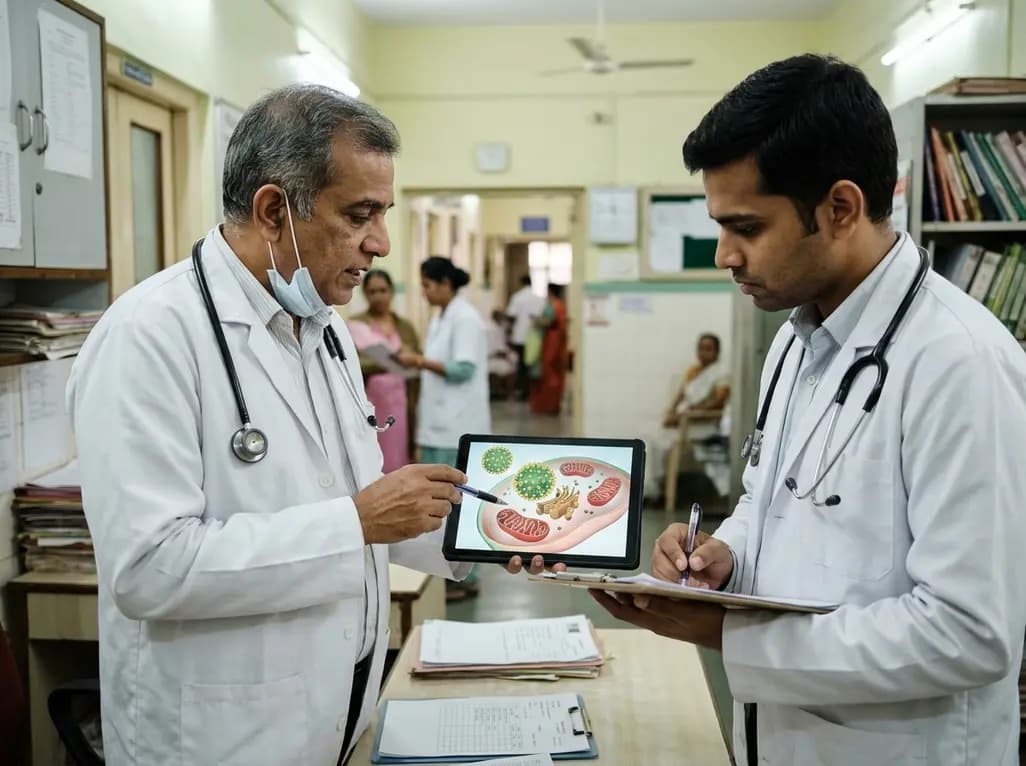
Mitochondria-targeted nanoparticles self-assembled from EGCG and L-glutamic acid effectively restore mitochondrial homeostasis, suppress synovial inflammation, and attenuate chondrocyte senescence in osteoarthritis, offering a promising disease-modifying nanotherapy.
Today

India is advancing preventive healthcare by integrating genomics, artificial intelligence, and quantum technologies. With the SANGAM programme sequencing one million Indian genomes, clinicians can unlock personalized therapies, detect cardiometabolic risks early, and curb the burden of diabetes and heart disease.
Today
