.webp&w=384&q=75)

Loading, please wait...
Loading, please wait...
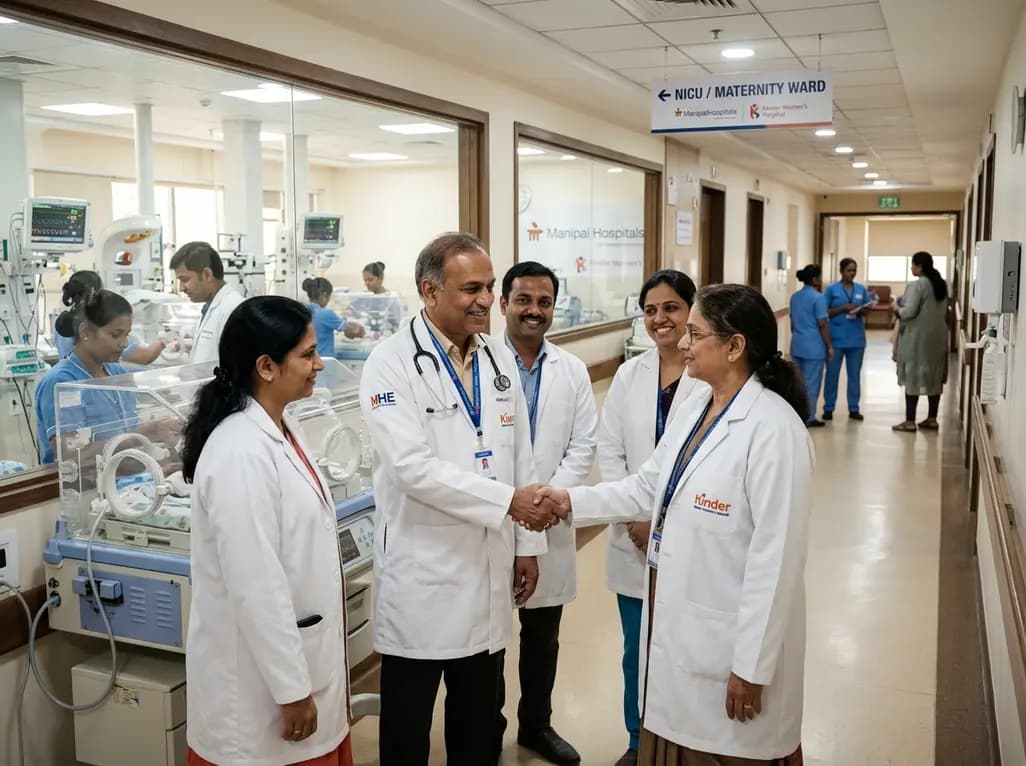
The Indian healthcare ecosystem is witnessing substantial consolidation, driven by strategic acquisitions and capital deployment across major metropolitan hubs. In a notable industry development, the recent Kinder Hospitals acquisition significantly expands tertiary healthcare capacity in Bengaluru, Karnataka. Manipal Health Enterprises has formally executed a Business Transfer Agreement with Kindorama Healthcare Private Limited to acquire the entire operations and assets of Kinder Women's Hospital. Consequently, this strategic ₹130 crore all-cash transaction adds 100 licensed beds to Manipal's growing network. The acquisition underscores an increasing trend among premier healthcare providers to strengthen specialized maternal, neonatal, and women's health services in rapidly developing urban corridors. As clinical medicine becomes more integrated, such acquisitions provide patients with immediate access to advanced critical care backup and multidisciplinary medical expertise.
Under the newly signed Business Transfer Agreement, Manipal Health Enterprises has agreed to acquire the comprehensive operational framework and physical assets of the hospital. Notably, this transaction represents an all-cash deal valued at approximately ₹130 crore. The agreement specifically excludes the acquisition of corporate equity shares, functioning strictly as a direct business transfer. Commissioned recently in 2022, the hospital currently possesses an operational capacity of 100 secondary and tertiary care beds. Located in the Doddanekundi belt within Bengaluru's Whitefield zone, the facility includes advanced modular surgical theatres and specialized maternity suites. Furthermore, this strategic addition expands Manipal's pan-India licensed capacity to more than 13,500 beds. The deal directly aligns with the group's long-term institutional strategy to add an additional 2,426 beds across 14 states by FY30. Following its historic $960 million initial public offering, the hospital major is deploying strategic capital to strengthen its regional presence. Consequently, acquiring operational facilities allows healthcare conglomerates to rapidly scale up capacity while bypassing protracted greenfield hospital construction cycles.
Kinder Women's Hospital was originally established as a boutique medical center dedicated exclusively to obstetrics, gynecology, fertility care, and neonatology. Consequently, the integration of this 100-bed facility significantly enhances specialized clinical infrastructure for women and children within eastern Bengaluru. High-risk obstetric cases frequently require sophisticated multidisciplinary care pathways, advanced fetal surveillance, and immediate adult intensive care backup. Through this acquisition, clinical teams can seamlessly leverage comprehensive subspecialty support, including interventional radiology, specialized critical care, and advanced hematology services. Moreover, the facility features modern level-III neonatal intensive care units capable of managing extreme prematurity and complex congenital anomalies. In addition, gynecological oncology and minimally invasive laparoscopic procedures will benefit from standardized perioperative care protocols. Modern assisted reproductive technology services also require stringent laboratory quality controls and sophisticated embryological support. Therefore, assimilating boutique maternity hospitals into large tertiary healthcare networks elevates patient safety standards. As a result, obstetricians and pediatricians can provide evidence-based, continuous care throughout antenatal, perinatal, and developmental stages.
The Whitefield micro-market in Bengaluru represents one of India's most dynamic technological and residential corridors. Consequently, the rapid influx of young corporate professionals and families has driven substantial demand for premium maternal, pediatric, and tertiary healthcare services. Manipal Hospitals already operates major multispecialty tertiary campuses in this growing geographical cluster. Therefore, adding the Doddanekundi facility creates vital operational and clinical synergies across the network. Specifically, this acquisition facilitates an efficient hub-and-spoke clinical referral model. Complex medical presentations, including severe maternal hemorrhages or critical pediatric emergencies, can rapidly access quaternary resources at neighboring flagship hospitals. Meanwhile, the acquired center can focus on elective gynecological procedures, routine obstetric deliveries, outpatient pediatric clinics, and fertility consultations. Furthermore, shared clinical rotas among senior consultants will ensure round-the-clock specialized coverage across both facilities. In addition, integrated diagnostic laboratories and consolidated supply chains will significantly enhance operational efficiency. Ultimately, densifying healthcare assets within high-density suburban corridors optimizes emergency responsiveness and elevates overall community healthcare delivery.
Large-scale healthcare consolidation in India extends beyond physical capacity expansion to encompass comprehensive clinical governance and standardisation. Indeed, integrating independent medical facilities into corporate healthcare chains requires strict alignment with established national quality benchmarks, including NABH accreditation protocols. Manipal Hospitals introduces standardized clinical care pathways, computerized physician order entry systems, and robust antimicrobial stewardship programs across newly acquired units. Furthermore, uniform infection control guidelines and rigorous medication safety checks substantially decrease the incidence of hospital-acquired complications. Transitioning nursing and medical personnel to a centralized electronic medical records framework also ensures transparent patient monitoring and accelerated clinical handovers. Moreover, structured continuous medical education initiatives and weekly morbidity audits allow medical teams to maintain high standards of evidence-based practice. Clinical specialists also gain access to multi-center tumor boards and peer review committees. As a result, patient safety indicators and treatment outcomes remain uniform across all network hospitals. Therefore, rigorous clinical governance frameworks protect patient welfare while building sustainable institutional trust.
The Indian private healthcare sector is undergoing a profound structural transformation characterized by widespread institutional investment and rapid asset consolidation. Historically, standalone nursing homes and independent single-specialty clinics delivered the vast majority of maternal and neonatal healthcare in metropolitan areas. However, rising biomedical equipment costs, stringent regulatory compliance mandates, and increasing patient expectations for integrated critical care backup have altered the operational landscape. Consequently, standalone healthcare operators are increasingly choosing business transfer agreements with well-capitalized hospital networks. Meanwhile, leading hospital chains are utilizing public market capital and institutional investments to densify their footprint in high-demand urban corridors. Furthermore, corporate consolidation fosters greater adoption of standardized clinical guidelines, digital healthcare interfaces, and transparent insurance pre-authorization mechanisms. In addition, centralized procurement enables large networks to acquire advanced medical technologies at significant economies of scale. Ultimately, these industry-wide dynamics are elevating the quality of private clinical practice and creating resilient healthcare ecosystems across urban India.
Q1: What are the key financial and operational terms of the Kinder Hospitals acquisition?
Manipal Health Enterprises signed a Business Transfer Agreement valued at ₹130 crore in an all-cash deal with Kindorama Healthcare Private Limited. The transaction covers the entire operational business and physical assets of the 100-bed Kinder Women's Hospital in Doddanekundi, Bengaluru. However, the transaction strictly excludes any equity share purchases, functioning as a direct asset transfer. This structured acquisition enables rapid clinical integration without inheriting corporate structural liabilities.
Q2: How does this acquisition enhance maternal and neonatal clinical care in Bengaluru?
The acquisition enhances maternal-fetal and neonatal care by integrating a specialized 100-bed boutique facility into Manipal's comprehensive tertiary hospital network. Consequently, patients receive enhanced access to level-III neonatal intensive care, advanced obstetric surgery, adult intensive care backup, and standardized clinical governance protocols. Furthermore, it strengthens multidisciplinary support for managing high-risk pregnancies and complex gynecological conditions in Bengaluru's Whitefield corridor, ensuring seamless clinical continuity.
Q3: How does this deal align with Manipal Hospitals' long-term national expansion roadmap?
This transaction directly advances Manipal's strategic vision to expand its national capacity beyond 13,500 licensed beds. Additionally, the group plans to add 2,426 beds across 14 Indian states by FY30. Supported by capital raised from its landmark initial public offering, Manipal is actively densifying its presence in key urban micro-markets. This targeted asset acquisition accelerates capacity addition while bypassing long greenfield construction timelines.
Disclaimer: This content is for informational and educational purposes only. It does not constitute medical advice or replace professional judgment. Refer to the latest local and national guidelines for clinical practice.
References

Read summarized clinical updates, watch expert medical content, and earn CME certifications right from your smartphone.
Open your smartphone camera to scan and install.





Manipal Health Enterprises has acquired Kinder Women's Hospital in Bengaluru for ₹130 crore via a business transfer agreement. The 100-bed facility strengthens maternal, neonatal, and tertiary healthcare in the Whitefield corridor while supporting Manipal's national expansion roadmap toward FY30.
last month
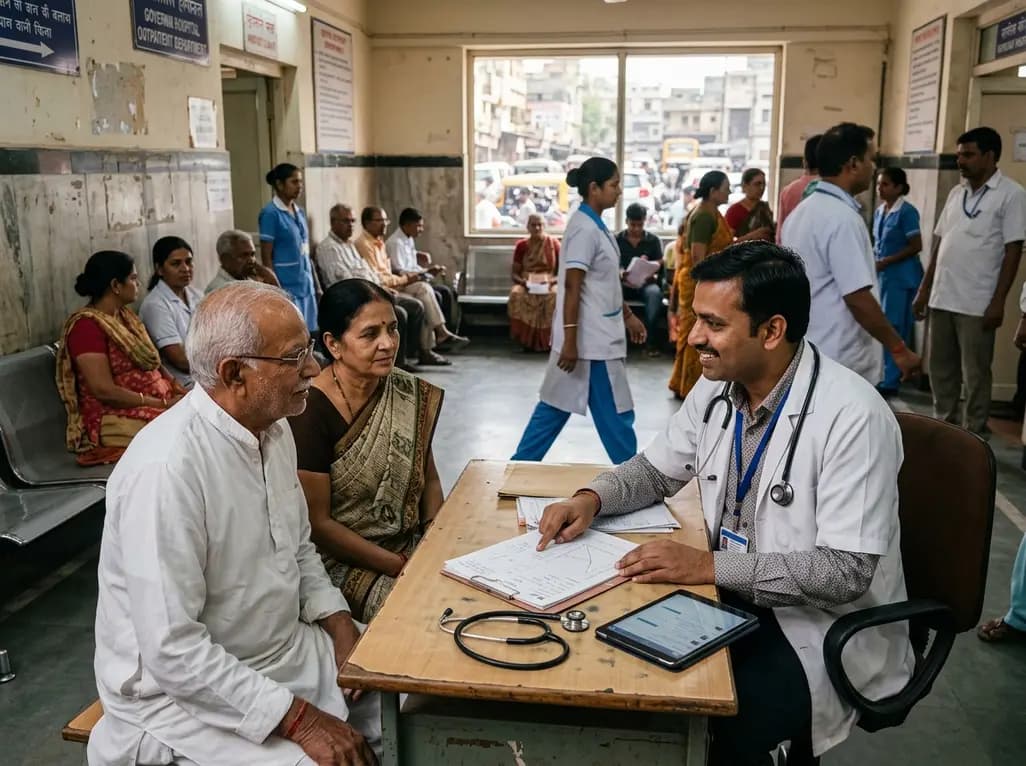
According to WHO data, average lifespan reached 73.3 years in 2023, recovering from pandemic lows. However, healthy life expectancy lags at 62.8 years due to surging noncommunicable conditions like cardiovascular disease and dementia, demanding proactive primary screening and sustained chronic care.
Today
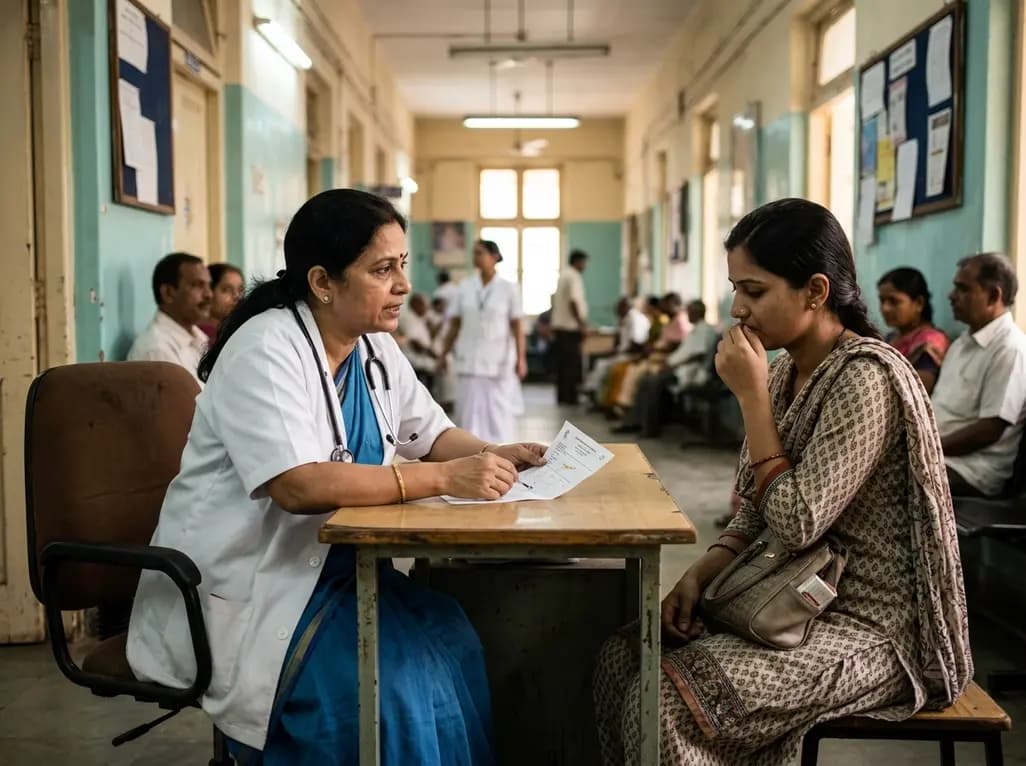
A nationwide South Korean study shows underreporting of smoking among women dropped from 57.4% to 36.4% between 2008 and 2021. However, over one-third of female smokers still conceal their habit, highlighting the critical role of cotinine verification in clinical risk assessment.
Today
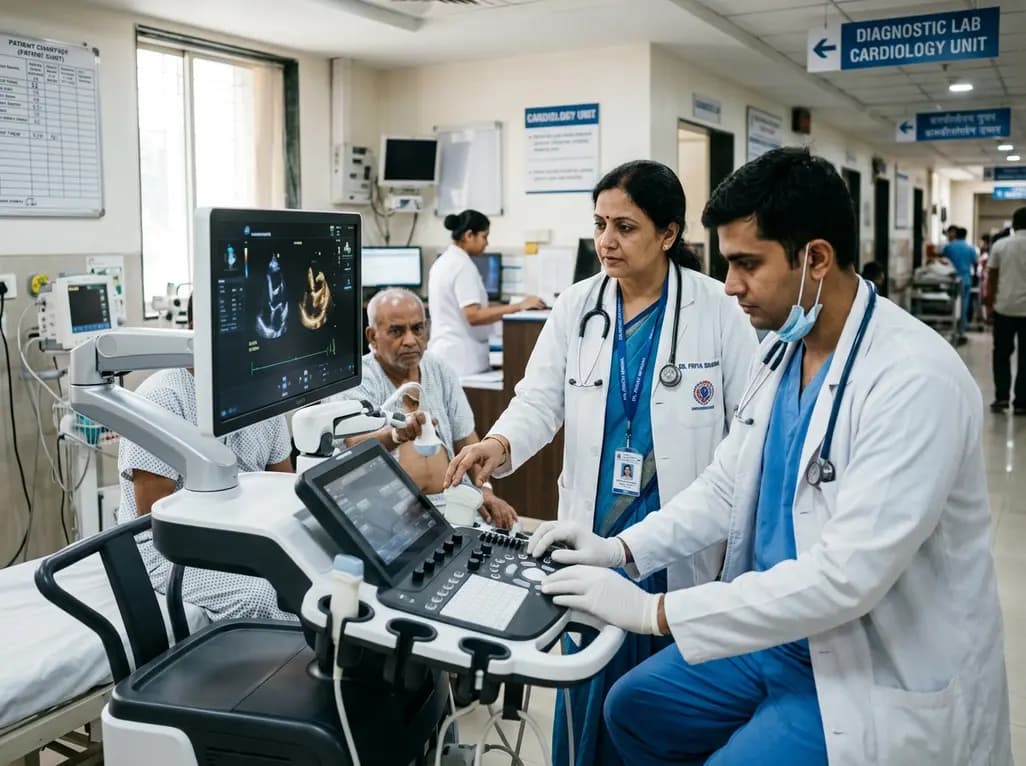
Medical robotics is transitioning beyond operative suites into diagnostics, cardiology, and endocrinology. Explore how innovations in tele-robotics, AI integration, and nanomedicine are overcoming geographical barriers and transforming precision healthcare delivery across India's evolving disease landscape.
Today
A new study evaluates the rheological stability of decellularized peripheral nerve matrix hydrogels under varied storage conditions. Findings show -80°C storage and freeze-drying preserve gelation kinetics and mechanical stiffness, offering key insights for shipping and translational clinical applications.
Today
A qualitative meta-synthesis highlights the complex interplay between gender dysphoria, minority stress, and eating disorders in transgender and gender-diverse individuals. Clinicians must recognize these distinct drivers to offer supportive, gender-affirming, and interdisciplinary eating disorder care.
Today
