.webp&w=384&q=75)

Loading, please wait...
Loading, please wait...
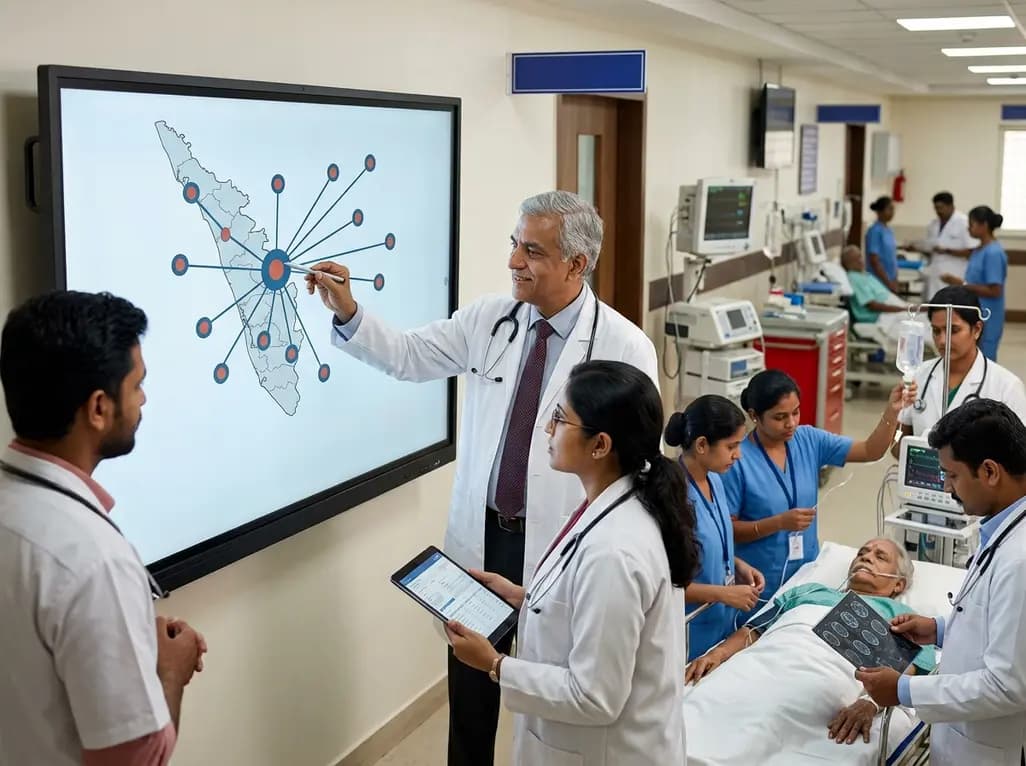
The Government of Kerala is rolling out a massive healthcare expansion to tackle the rising incidence of cerebrovascular accidents. Specifically, Health Minister K Muraleedharan recently announced plans to establish specialized stroke units in Kerala across 12 districts. This initiative aims to address the critical treatment window for stroke patients. Consequently, it will significantly boost local emergency response capabilities and save lives.
Indeed, the state is adopting a hub-and-spoke model to optimize healthcare delivery. Furthermore, medical colleges will function as advanced hubs. Meanwhile, district and general hospitals will operate as spokes to provide immediate stabilization. Therefore, patients will receive standardized thrombolytic therapy regardless of their location. While medical colleges in Wayanad and Malappuram will serve as hubs, other districts will establish independent units. As a result, this network ensures widespread access to emergency care.
Thrombolysis is the cornerstone of acute ischemic stroke management. Because time is brain, the government is procuring 50 mg of tissue Plasminogen Activator (tPA). Specifically, the National Health Mission (NHM) will fund the distribution of this drug to all spokes. Additionally, the minister announced that stroke rehabilitation centres have successfully started in all district hospitals. Moreover, the state is planning to implement robotic rehabilitation in medical colleges. However, officials are still reviewing the exact timeline for robotic integration.
Indeed, assembly members raised serious concerns regarding a rise in stroke cases among youth and children. For instance, MLA A K M Ashraf urged the government to conduct post-COVID disease scanning camps. In response, Health Minister Muraleedharan noted that lifestyle factors like cholesterol and lack of exercise remain key drivers. Although some reports link COVID-19 to increased stroke incidence, the minister emphasized that scientific experiments must first confirm this connection. Thus, clinicians should continue monitoring patient histories diligently while focusing on traditional risk factor modification.
Q1: What is the hub-and-spoke model being proposed for stroke units in Kerala?
Under this plan, medical colleges will serve as centralized hubs. Meanwhile, district hospitals will function as spokes. Consequently, this model ensures that rural clinics can stabilize patients before transferring them to advanced facilities.
Q2: Which drug is being distributed to government facilities for acute stroke management?
Specifically, the government is distributing 50 mg of tissue Plasminogen Activator (tPA). They are utilizing National Health Mission (NHM) funds to provide this critical medicine to all designated spokes.
Q3: Are stroke rehabilitation services available in all districts under this plan?
Indeed, rehabilitation centres have already commenced operations across all district hospitals. Furthermore, the government plans to integrate advanced robotic rehabilitation tools in medical colleges soon.
Disclaimer: This content is for informational and educational purposes only. It does not constitute medical advice or replace professional judgment. Refer to the latest local and national guidelines for clinical practice.
References

Read summarized clinical updates, watch expert medical content, and earn CME certifications right from your smartphone.
Open your smartphone camera to scan and install.





Kerala plans to establish stroke units across 12 districts, utilizing a hub-and-spoke model to deliver standardized tPA thrombolysis and advanced rehab....
4 months ago

A retrospective cohort study of 7,716 ICU patients from the MIMIC-IV database demonstrates that Gradient Boosting Decision Trees significantly outperform traditional SOFA scores in predicting in-hospital mortality among patients with sepsis and diabetes, with SHAP analysis providing clinical interpretability.
Today
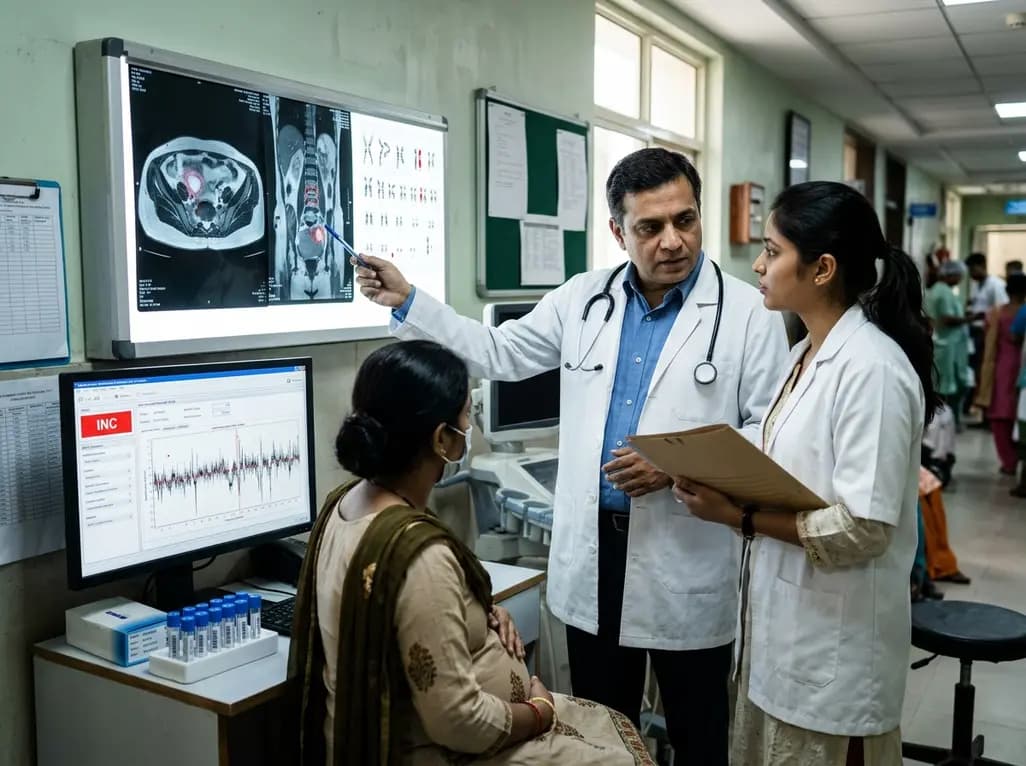
Occult maternal malignancy accounts for 3.82% of persistent unreportable NIPT results with genomic noise. Multiple chromosomal aberrations, notably on chromosome 18, warrant thorough oncological evaluation and whole-body MRI to ensure timely maternal diagnosis while preserving fetal care.
Today
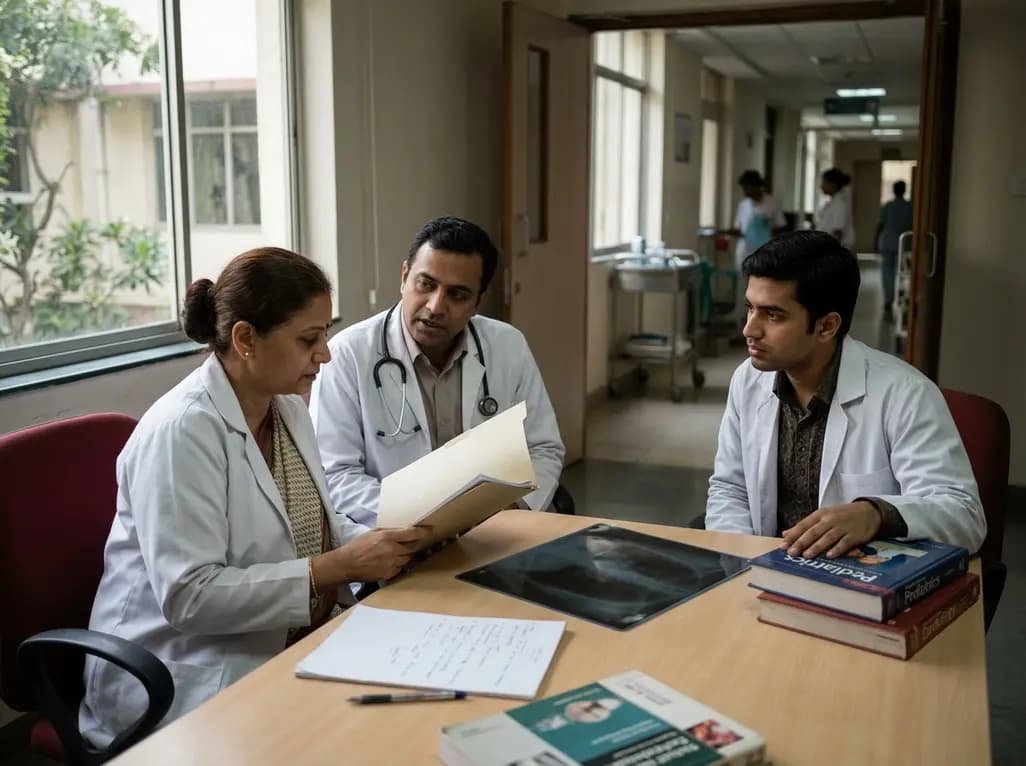
This article reviews the forensic and clinical complexities of acute myocarditis arising on left ventricular hypertrophy in children, highlighting early diagnostic red flags and multidisciplinary postmortem autopsy protocols.
Today

This comparative study evaluates posterior labral tears with and without glenohumeral instability, highlighting distinct demographic patterns, MRI underestimation in stable shoulders, and successful arthroscopic repair outcomes.
Yesterday

A clinical study demonstrates that early intervention with tocilizumab, either as monotherapy or bridged with corticosteroids, achieves significant proptosis reduction and resolves active inflammation in treatment-naive thyroid eye disease.
Yesterday
