.webp&w=384&q=75)

Loading, please wait...
Loading, please wait...
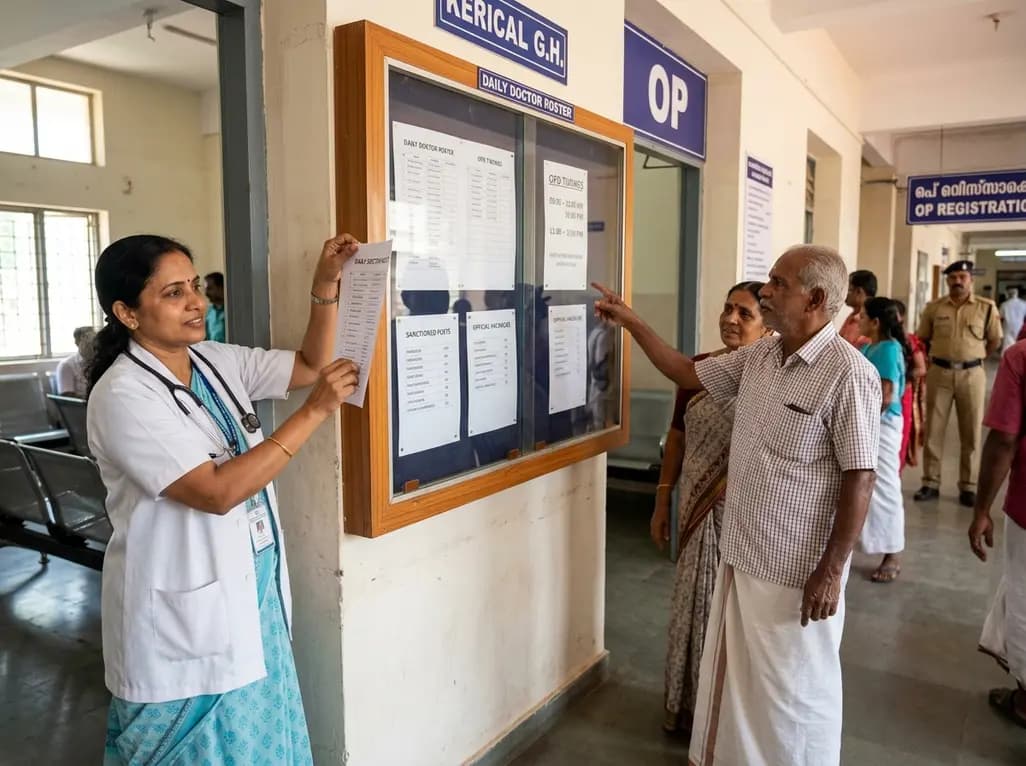
The Kerala Health Department has recently introduced a crucial directive to overhaul outpatient administration across the public healthcare delivery system. Under this new policy mandate, all state healthcare institutions must display clear information on Kerala hospital OP timings and duty rosters. Consequently, patients seeking primary, secondary, and tertiary clinical services will gain immediate clarity regarding physician presence. Health Minister K Muraleedharan instructed the principal secretary to implement these changes swiftly across all state health centers. This initiative addresses persistent public grievances regarding physician absenteeism during critical morning outpatient sessions. Therefore, the regulatory directive establishes strict visibility for consultation schedules, sanctioned doctor positions, and institutional vacancy records.
The state administration issued this detailed order to tackle persistent delays in clinical evaluations across grassroots healthcare facilities. Frequently, patients arrive at peripheral health centers early in the morning and face prolonged waiting periods due to unpredictable physician availability. Under the new policy, facilities must install prominent display boards at entrance lobbies, registration counters, and outpatient waiting areas. These notice boards will clearly show the full names of all assigned medical practitioners, their medical designations, and their daily clinical schedules. In addition, institutions must list the specific days of the week each clinician conducts outpatient consultations. Consequently, visiting patients and accompanying family members will no longer need to speculate about clinical availability or specialty consultation schedules. The directive applies comprehensively across the public health spectrum, from primary health centers and community health units to major taluk headquarters hospitals. Furthermore, health department authorities have instructed institutional heads to update these public notices whenever operational shifts change. As a result, temporary leaves, emergency duty reassignments, and administrative reallocations must reflect promptly on the official display boards. This systematic structural openness aims to curb unauthorized absenteeism, eliminate administrative confusion, and promote punctual outpatient care delivery statewide.
Primary health centers and community facilities serve as the foundational backbone of Kerala's public health delivery model. However, localized staffing shortages and duty scheduling misalignments have occasionally disrupted daily outpatient workflows in these vital institutions. Under the updated framework, facility administrators must maintain strict daily documentation of physical physician attendance and clinic operating hours. Moreover, medical officers must coordinate internal department coverage proactively to ensure unhindered patient flow during designated consultation periods. Consequently, junior clinicians and senior medical officers share scheduled clinical responsibilities with clear, defined mutual accountability. In addition, secondary healthcare institutions like taluk hospitals must harmonize their specialized outpatient clinics with demanding inpatient and casualty duties. Therefore, clinicians transitioning between emergency casualty shifts and general outpatient clinics will have clearly designated operational intervals. This structured approach prevents sudden clinic cancellations that disproportionately burden rural, vulnerable, and economically disadvantaged populations who depend on state medicine. Furthermore, hospital superintendents must monitor daily compliance to maintain smooth workflow transitions across all clinical departments. By establishing clear daily operational expectations, the health department aims to elevate overall patient satisfaction throughout public health institutions.
An essential and progressive component of this regulatory policy involves publicizing institutional manpower statistics alongside individual duty timings. Specifically, healthcare institutions must prominently display the total number of sanctioned medical officer positions for their respective facility. In addition, the public notification boards must clearly indicate existing vacancies across both general medical and specialized clinical cadres. Consequently, visiting patients can directly understand the genuine human resource constraints that may affect local clinical delivery speeds. This dual presentation protects dedicated healthcare practitioners from unwarranted public criticism when structural shortages cause unavoidable consultation delays. Furthermore, regular public updates on vacancy figures provide senior administrative leaders with empirical, real-time data for regional staff redeployment. Therefore, district medical authorities can identify chronically understaffed primary centers and allocate relief personnel or locum doctors more efficiently. Moreover, publishing accurate vacancy metrics fosters institutional honesty and promotes constructive dialogue between medical teams and local community members. Thus, transparent human resource accounting reinforces public trust while highlighting pressing institutional recruitment requirements across the state health network.
To guarantee strict operational compliance, the Health Department has embedded a standardized grievance redressal mechanism within the display guidelines. Specifically, all government healthcare facilities must prominently display the official contact details of the concerned Deputy District Medical Officer for Vigilance. Consequently, patients and family members can instantly report unexplained physician absences, prolonged unnotified clinic cancellations, or administrative lapses. Furthermore, appointed vigilance officers will investigate reported duty discrepancies systematically and recommend appropriate administrative corrective actions against verified non-compliance. However, health department administrators emphasize that this monitoring mechanism aims to improve systemic reliability rather than punish diligent medical staff. In addition, prompt complaint logging enables supervisory teams to distinguish genuine clinical emergencies from chronic, unauthorized duty abandonment. Therefore, healthcare administrators can address localized bottlenecks before they compromise overall institutional performance and patient safety. Moreover, the presence of visible, accessible oversight channels reassures citizens that their clinical access rights remain strictly protected. Ultimately, systematic grievance redressal transforms passive patient experiences into active, collaborative quality assurance across the public healthcare system.
While administrative transparency significantly enhances patient access, healthcare systems must also accommodate demanding clinical workflows and physician well-being. For instance, government medical officers frequently balance crowded outpatient clinics with emergency resuscitations, inpatient ward rounds, and complex medico-legal responsibilities. Therefore, hospital leadership must ensure that publicized outpatient rosters reflect realistic time allocations for essential concurrent hospital tasks. Furthermore, medical associations consistently highlight that sustainable service delivery requires adequate rest intervals, realistic working hours, and manageable patient-to-doctor ratios. In addition, institutional heads must implement robust backup systems when on-duty physicians must attend unexpected obstetric emergencies or urgent surgical interventions. Consequently, updated digital or physical notice boards must indicate temporary clinic interruptions whenever doctors handle sudden acute clinical emergencies. Thus, clear real-time communication prevents public misunderstandings while safeguarding clinicians performing vital life-saving procedures outside standard clinic cubicles. Moreover, state healthcare leaders must continuously support front-line physicians through balanced administrative policies, supportive working environments, and adequate infrastructure provision.
Q1: What specific information must Kerala government hospitals display under the new order?
Hospitals must prominently display the full names of all appointed doctors, their specific outpatient days, and daily consultation hours. In addition, facilities must exhibit the total number of sanctioned doctor posts, current vacancies, and recent roster adjustments. Furthermore, notice boards must provide the direct contact details of the Deputy District Medical Officer for Vigilance to handle patient complaints efficiently.
Q2: How does the new roster display policy benefit patients visiting public healthcare facilities?
The policy provides patients with immediate clarity regarding physician availability, thereby reducing unnecessary travel and prolonged waiting room delays. In addition, publishing clear vacancy metrics helps citizens understand whether clinic delays stem from structural staffing shortages or individual absenteeism. Consequently, transparent schedules empower patients to plan consultations effectively and seek prompt administrative redressal if unauthorized duty lapses occur.
Q3: How can patients report unexplained doctor absenteeism during scheduled outpatient hours?
Patients can register official complaints directly with the Deputy District Medical Officer for Vigilance using the contact details displayed at the hospital. Vigilance authorities review each reported instance to verify whether an unnotified absence occurred or if the clinician handled an acute emergency. Subsequently, the Health Department initiates appropriate administrative or disciplinary action against personnel who violate official duty norms.
Disclaimer: This content is for informational and educational purposes only. It does not constitute medical advice or replace professional judgment. Refer to the latest local and national guidelines for clinical practice.
References

Read summarized clinical updates, watch expert medical content, and earn CME certifications right from your smartphone.
Open your smartphone camera to scan and install.





The Kerala Health Department has ordered all public healthcare facilities to prominently exhibit doctors' duty schedules, outpatient clinic timings, sanctioned posts, and official vacancy counts. This regulatory initiative empowers patients, streamlines clinical workflows, and introduces robust grievance redressal.
last month
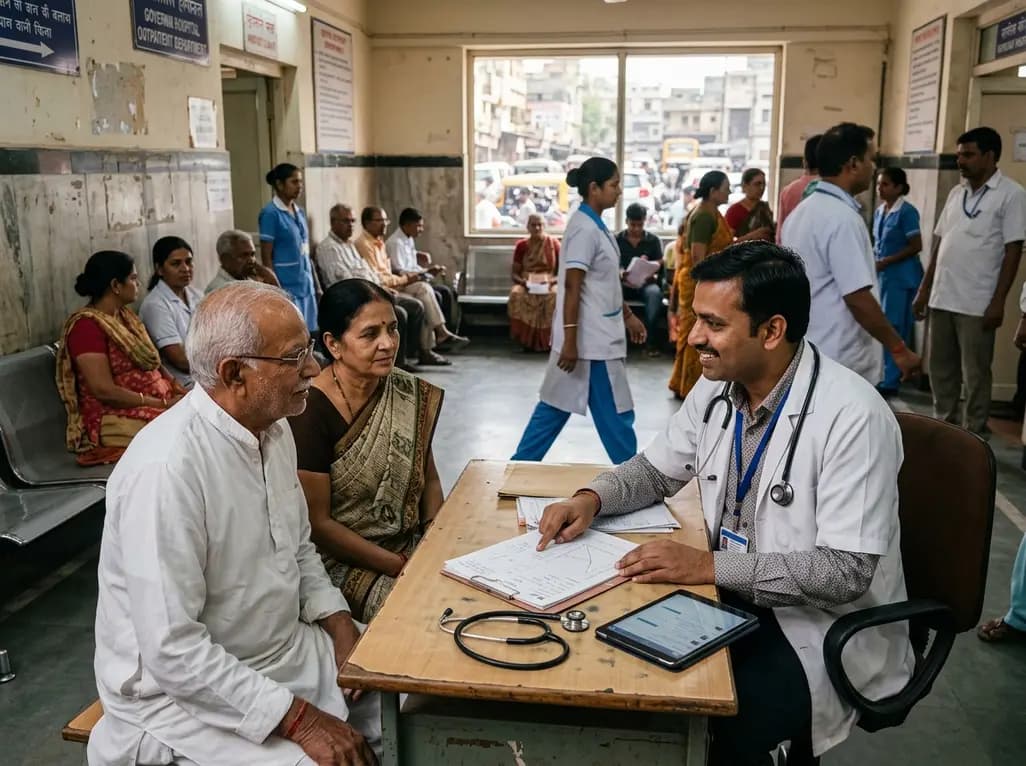
According to WHO data, average lifespan reached 73.3 years in 2023, recovering from pandemic lows. However, healthy life expectancy lags at 62.8 years due to surging noncommunicable conditions like cardiovascular disease and dementia, demanding proactive primary screening and sustained chronic care.
Today
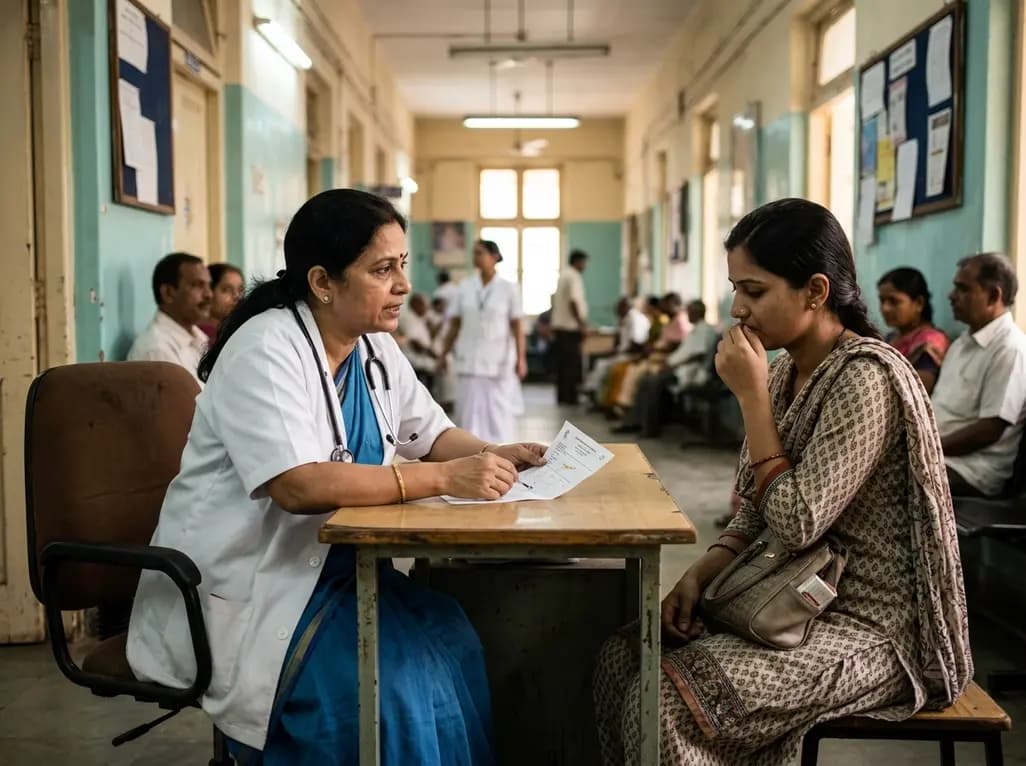
A nationwide South Korean study shows underreporting of smoking among women dropped from 57.4% to 36.4% between 2008 and 2021. However, over one-third of female smokers still conceal their habit, highlighting the critical role of cotinine verification in clinical risk assessment.
Today
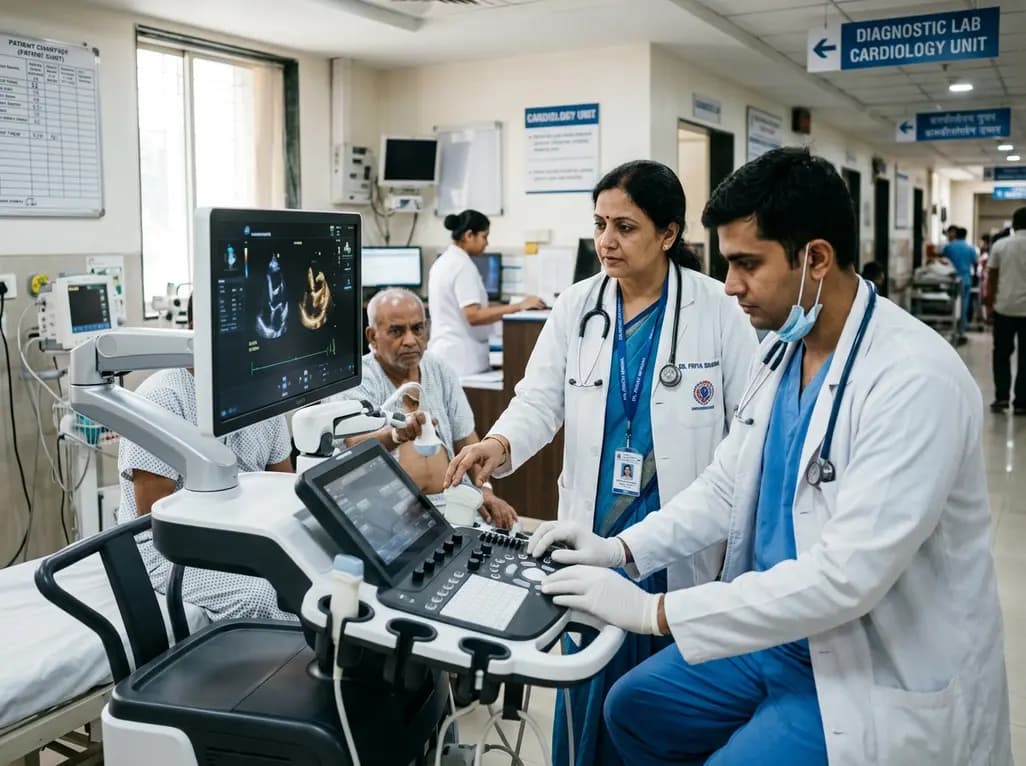
Medical robotics is transitioning beyond operative suites into diagnostics, cardiology, and endocrinology. Explore how innovations in tele-robotics, AI integration, and nanomedicine are overcoming geographical barriers and transforming precision healthcare delivery across India's evolving disease landscape.
Today

A new study evaluates the rheological stability of decellularized peripheral nerve matrix hydrogels under varied storage conditions. Findings show -80°C storage and freeze-drying preserve gelation kinetics and mechanical stiffness, offering key insights for shipping and translational clinical applications.
Today

A qualitative meta-synthesis highlights the complex interplay between gender dysphoria, minority stress, and eating disorders in transgender and gender-diverse individuals. Clinicians must recognize these distinct drivers to offer supportive, gender-affirming, and interdisciplinary eating disorder care.
Today
