

Loading, please wait...
Loading, please wait...
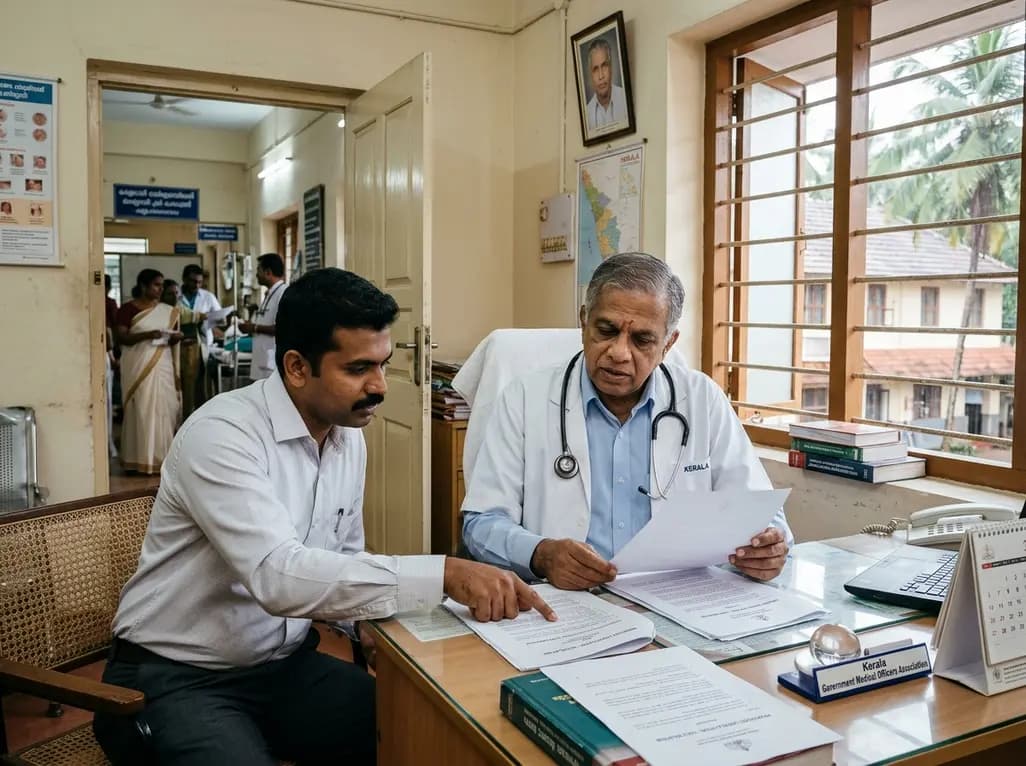
Healthcare administration in Kerala faces substantial legislative transformation as state authorities move to establish pricing controls. During an assembly session, the state announced decisive measures to monitor private hospital charges across clinical facilities. State Health Minister K Muraleedharan confirmed that the government agreed in principle on regulating treatment costs. Furthermore, healthcare commercialization has generated financial strain for families seeking acute medical care. Consequently, state leaders prioritize statutory oversight to shield citizens from escalating expenses. Medical practitioners must understand these upcoming regulatory frameworks. Therefore, clinicians must prepare for transparent pricing standards that influence daily clinical practice.
The state legislative assembly witnessed extensive discussions regarding high medical tariffs in private clinical establishments. Therefore, lawmakers urged the health department to implement standardized billing mechanisms. Health Minister K Muraleedharan announced that the government will introduce a dedicated bill during the next assembly session. Although the current legislative session will not consider the draft, administrative preparations continue rapidly. Specifically, the state appointed a high-level committee chaired by the Health Department Principal Secretary. This committee unites senior health administrators, including the Director of Health Services and the Director of Medical Education. Additionally, the Managing Director of the Kerala Medical Services Corporation contributes valuable institutional expertise. The committee analyzes operational cost structures across modern medical centers. Furthermore, the panel plans broad consultations with medical associations and private hospital managements. Policymakers emphasize that ethical guidelines must prevent predatory pricing. Consequently, the forthcoming law will establish mandatory rate disclosures before doctors initiate elective procedures. Healthcare providers must anticipate formal rate schedules and compliance inspections. In addition, transparent billing protocols will assist clinicians during financial discussions with patient relatives. Ultimately, these measures seek to restore patient trust without compromising clinical excellence or institutional sustainability.
A major catalyst for legislative action stems from shifting ownership patterns within Kerala's healthcare market. In recent years, international private equity groups acquired controlling stakes in prominent hospital networks. Consequently, many large tertiary facilities now follow corporate financial strategies designed to maximize revenue. While substantial capital investment upgrades infrastructure and diagnostic capability, it often accelerates medical inflation. Health Minister Muraleedharan noted that corporate consolidation frequently leads to excessive treatment expenses for vulnerable populations. Furthermore, foreign-backed hospital groups have expanded their acquisitions into medium-sized nursing homes across smaller towns. Therefore, ordinary citizens increasingly encounter inflated bills even for standard medical therapies. Patients frequently lodge formal distress petitions with state authorities after facing unaffordable hospital debts. Clinicians practicing in these settings often encounter institutional pressure regarding diagnostic utilization and bed occupancy targets. Thus, the administration plans to set statutory boundaries to curb aggressive commercial practices. Policymakers recognize that private facilities deliver essential specialized interventions across the state. However, authorities maintain that uncontrolled commercialization must not dictate clinical practice. Additionally, standard rules will protect treating physicians from unrealistic corporate revenue expectations. This statutory initiative aims to protect patient welfare while supporting legitimate institutional growth.
The impending legislation targets two persistent sources of consumer dissatisfaction: unmonitored room rents and steep pharmacy surcharges. At present, private facilities routinely adjust daily ward and private room rates without standardized oversight. Furthermore, higher room categories often trigger automatic price escalation across surgical interventions, nursing fees, and doctor rounds. Minister Muraleedharan underlined that hospital room charges have increased sharply without adequate government control. In addition, medicine pricing within institutional pharmacies remains an urgent concern for health regulators. Many private establishments purchase bulk pharmaceuticals at substantial trade discounts while billing patients at maximum retail prices. Therefore, the drafting committee is evaluating mechanisms to compel hospitals to dispense drugs below standard retail ceilings. Specifically, authorities are examining whether state agencies could supply essential medicines directly to participating private centers. This arrangement could dramatically lower prescription costs for hospitalized patients requiring intensive therapies. Consequently, healthcare organizations must overhaul their financial models and internal drug procurement systems. Clear statutory caps will demand greater financial transparency from hospital administrators. Moreover, hospital clinicians will experience fewer payment-related interruptions during patient inpatient management. Ultimately, fair accommodation rates and affordable medicines will substantially alleviate out-of-pocket medical burdens for the public.
Unregulated medical tariffs have generated substantial friction between private healthcare providers and health insurance underwriters. During the assembly proceedings, Health Minister Muraleedharan highlighted an alarming consequence of escalating costs. Specifically, unpredictable procedural fees have prompted several insurance firms to restrict or withdraw insurance coverage options. Insurance carriers frequently dispute inflated hospital invoices, generating severe delays in claim approvals and authorizations. Consequently, policyholders face unexpected out-of-pocket expenses despite maintaining comprehensive health insurance coverage. Underwriters argue that opaque billing practices and variable procedural charges undermine actuarial stability. Therefore, establishing statutory price benchmarks will introduce consistency to the medical reimbursement ecosystem. Standardized pricing structures will simplify pre-authorization reviews and accelerate cashless settlement workflows for admitted patients. Furthermore, the state government plans to explore integrating public insurance programs into a broader network of private facilities. If private hospitals adhere to standardized rates, more facilities can participate in state-sponsored welfare schemes. Treating clinicians will also benefit from straightforward billing regulations, reducing contentious discharge disputes with patients. Additionally, transparent reimbursement systems reduce the burden of uncollected hospital receivables. Thus, legislative regulation aligns the economic interests of healthcare providers, insurance companies, and policyholders across the state.
Alongside the hospital billing legislation, the Kerala health department is intensifying enforcement across several related healthcare sectors. For example, Health Minister Muraleedharan confirmed rigorous inspections targeting commercial wellness centers operating without mandatory licenses. Current statutes strictly prohibit spa and wellness operations without authorized municipal and medical clearances. Therefore, health inspectors now carry strict instructions to shut down unlicensed facilities and issue legal penalties. Meanwhile, the state government is expanding formal Ayurvedic medical infrastructure in coordination with national health authorities. A high-level technical delegation, including the Health Principal Secretary, visited New Delhi to finalize plans for an advanced Ayurveda institute. Furthermore, the health ministry addressed serious allegations regarding unapproved beauty therapies at Oushadhi, the state-owned Ayurvedic medicine company. A departmental inquiry confirmed that non-standardized procedures involving natural mixtures occurred under past institutional leadership. Consequently, the minister confirmed that the government is evaluating the final report to determine appropriate disciplinary action. These synchronized regulatory initiatives demonstrate the state's resolve to uphold strict clinical standards. In addition, standard compliance across all health facilities strengthens public confidence in the regional healthcare delivery system. Ultimately, comprehensive regulatory enforcement protects patient safety across both modern and traditional medical domains.
Q1: Why is the Kerala government introducing a bill to regulate private hospital charges?
The state government is introducing the bill to address escalating medical fees, arbitrary room rents, and inflated pharmaceutical pricing. Rapid corporate expansion and foreign private equity investment have led to aggressive revenue targets across many private hospitals. Therefore, statutory regulation aims to prevent patient exploitation, enhance billing transparency, and restore public trust. This balanced policy protects citizens from catastrophic healthcare debt while maintaining safe, high-quality clinical care standards.
Q2: How will the proposed legislation affect medicine prices in private healthcare facilities?
The regulatory framework aims to curb excessive retail markups by requiring private hospital pharmacies to sell medicines well below maximum retail prices. Authorities are examining institutional procurement transparency to align wholesale purchasing discounts with patient pricing. Furthermore, the government is exploring strategic proposals that allow private facilities to access bulk-purchased generic drugs through state supply corporations, thereby substantially reducing acute out-of-pocket expenses for admitted patients.
Q3: How does the new bill impact health insurance coverage and cashless claim processing?
Uncontrolled hospital tariffs have historically made insurance providers reluctant to extend comprehensive coverage, leading to frequent claim disputes and settlement rejections. By establishing standardized fee ceilings for procedures and room accommodation, the legislation creates predictable baseline costs. Consequently, insurance underwriters can offer reliable coverage packages, accelerate pre-authorization evaluations, and streamline cashless settlements, significantly diminishing stressful financial disputes for hospitalized patients during clinical discharge.
Disclaimer: This content is for informational and educational purposes only. It does not constitute medical advice or replace professional judgment. Refer to the latest local and national guidelines for clinical practice.
References

Read summarized clinical updates, watch expert medical content, and earn CME certifications right from your smartphone.
Open your smartphone camera to scan and install.





Kerala's government will present legislation to standardize medical treatment costs, room rates, and pharmacy pricing across private healthcare institutions. The initiative addresses corporate acquisitions and uncontrolled charges, establishing mandatory billing transparency to safeguard patients across the state.
Today

A multicenter study introduces BAT-AKI, a biomarker-aware transformer that achieves superior acute kidney injury prediction and post-onset prognostic modeling across diverse hospital electronic health record systems.
Today
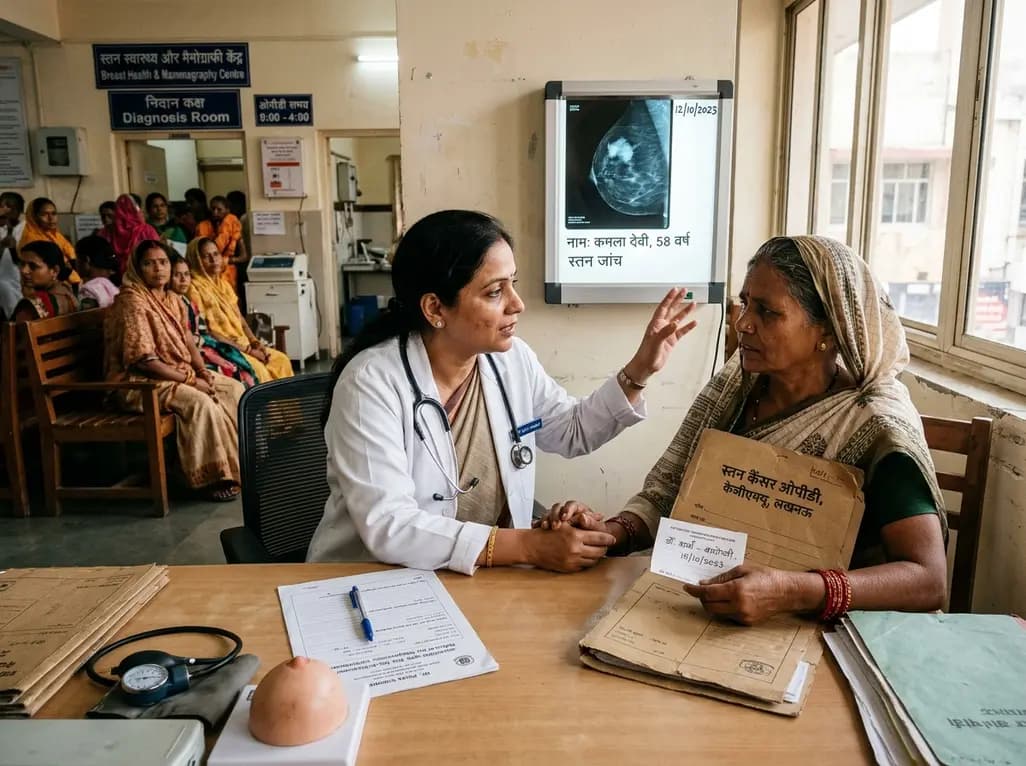
A KGMU study reveals over half of women with breast abnormalities fail to undergo diagnostic confirmation, leading to advanced-stage detection. Discover the socio-cultural barriers, clinical risks of incomplete resection, and community-level solutions needed to bridge the critical screening-to-diagnosis gap in India.
Yesterday

A controlled evaluation reveals that AI raters in clinical LLM benchmarking disagree significantly due to divergent scoring models, challenging automated healthcare AI validation.
Today

Researchers have engineered a self-powered Zn/C micro-galvanic electrospun membrane that couples sustained zinc release with endogenous microcurrents. This bioelectric scaffold stimulates M2 macrophage polarization and accelerates bone deposition to achieve robust cranial defect regeneration.
Today

A meta-analysis of 18 studies reveals that bariatric surgery does not significantly alter circulating homocysteine levels, regardless of follow-up duration. Clinicians must maintain vigilance over post-surgical micronutrient supplementation to prevent hyperhomocysteinemia.
Today
