.webp&w=384&q=75)

Loading, please wait...
Loading, please wait...

Clinicians often face challenges when distinguishing between rare neuromuscular disorders and more common inflammatory conditions. A recent case report highlights the complexities of a Kennedy disease diagnosis in a 52-year-old man. This patient suffered from a 10-year history of progressive limb weakness and significantly elevated creatine kinase (CK) levels. Initially, doctors suspected polymyositis, which is a common pitfall due to overlapping clinical presentations. However, the patient failed to respond to immunosuppressive therapy, prompting a deeper investigation into the underlying pathology.
The patient presented with gradually worsening proximal muscle weakness and persistent CK elevations ranging from 808 to 2300 U/L. Early investigations, including electromyography (EMG) and muscle biopsy, did not provide specific answers. Consequently, the medical team initiated treatment for suspected polymyositis. Despite these efforts, the patient's condition did not improve. Later examinations revealed critical clues, such as bilateral tongue atrophy with tremors and gynecomastia. These findings are classic markers of Spinal and Bulbar Muscular Atrophy (SBMA), shifting the diagnostic focus toward a genetic cause.
To confirm the suspected condition, physicians performed a repeat expansion analysis. They identified a hemizygous pathogenic CAG repeat expansion in exon 1 of the androgen receptor (AR) gene. The analysis showed approximately 51 repeats, which is well above the pathogenic threshold. Using advanced next-generation sequencing algorithms like ExpansionHunter proved vital for this Kennedy disease diagnosis. Furthermore, this genetic confirmation allowed the team to halt unnecessary and potentially harmful immunosuppressive treatments. Instead, they focused on supportive care and long-term symptom management.
Kennedy disease is a rare, incurable X-linked disorder that primarily affects men between 30 and 60 years of age. It frequently mimics polymyositis because of the proximal weakness and high muscle enzymes. Therefore, clinicians should maintain a high index of suspicion when a patient presents with bulbar symptoms or androgen insensitivity signs like gynecomastia. Additionally, if a presumed case of polymyositis is refractory to standard treatment, genetic testing becomes essential. Early identification not only clarifies the prognosis but also prevents the side effects of ineffective therapies.
The disease typically presents with progressive proximal muscle weakness, muscle atrophy, and bulbar symptoms like tongue fasciculations. Patients may also show signs of androgen insensitivity, such as gynecomastia and reduced fertility.
Both conditions cause proximal limb weakness and significantly elevated creatine kinase levels. If early electromyography or biopsies are inconclusive, clinicians may incorrectly assume an inflammatory cause like polymyositis.
The gold standard for diagnosis is genetic testing. Specifically, it involves detecting an expansion of CAG repeats, usually 35 or more, in the first exon of the androgen receptor (AR) gene on the X chromosome.
Disclaimer: This content is for informational and educational purposes only. It does not constitute medical advice or a substitute for professional healthcare. Consult a qualified medical professional for diagnosis and treatment. Refer to the latest local and national guidelines for clinical practice.
References
Thi Tuong Vi N et al. Progressive Proximal Muscle Weakness Due to a 51 CAG Repeat Expansion in Exon 1 of the Androgen Receptor Gene: A Case Report of Kennedy Disease. Am J Case Rep. 2026 May 03. doi: 10.12659/AJCR.951080. PMID: 42070078.
Grunseich C, Fischbeck KH. Spinal and Bulbar Muscular Atrophy. 1999 Oct 13 [Updated 2023 Dec 14]. In: Adam MP, et al., editors. GeneReviews®. Seattle (WA): University of Washington, Seattle; 1993–2024.
Kennedy's Disease Association. Symptoms of Kennedy's Disease. Available from: https://www.kennedysdisease.org.

Read summarized clinical updates, watch expert medical content, and earn CME certifications right from your smartphone.
Open your smartphone camera to scan and install.





A case report on Kennedy disease diagnosis, highlighting the role of genetic testing in distinguishing it from polymyositis and managing proximal weakness....
5 months ago
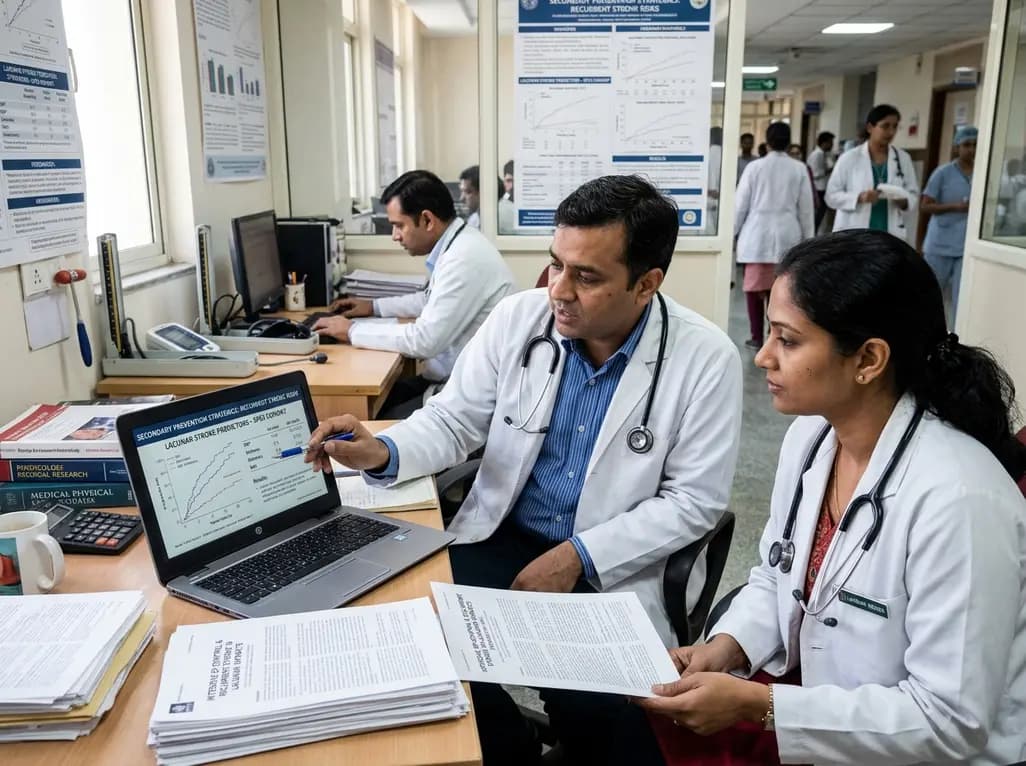
Explore vital recurrent stroke predictors in lacunar stroke patients managed with intensive blood pressure lowering. This analysis examines trial findings from SPS3 to uncover residual vascular risks, metabolic factors, and targeted secondary prevention strategies for high-risk neurological patients.
Today
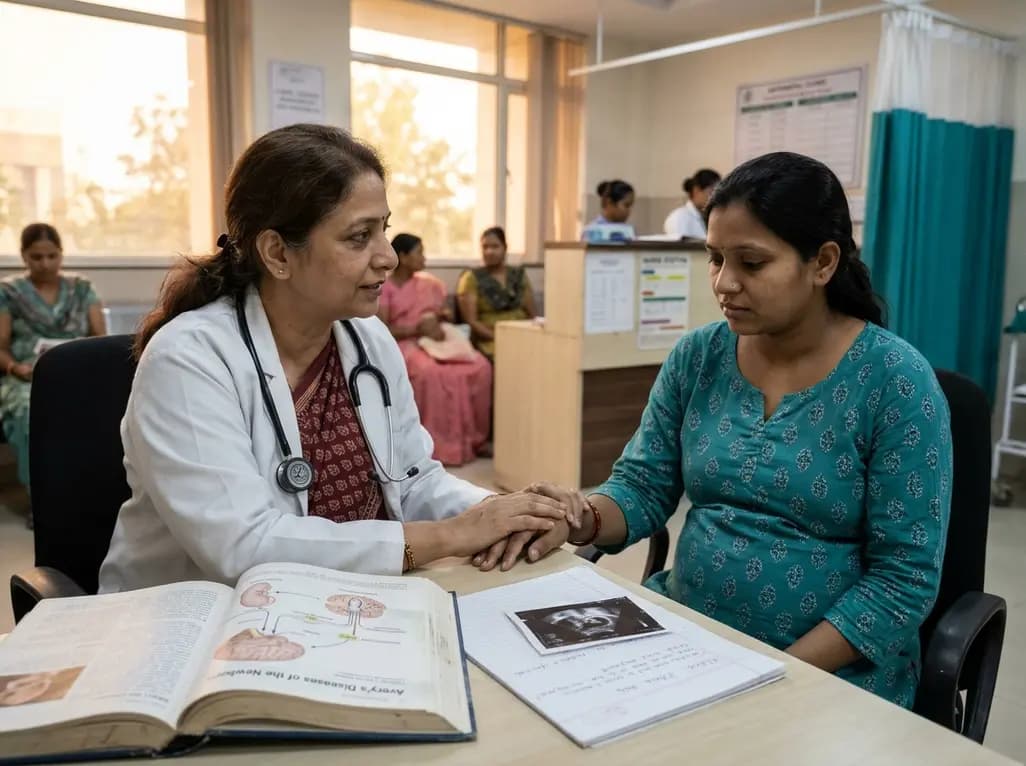
A comprehensive scoping review synthesises evidence linking prenatal maternal mental health to long-term offspring neurodevelopment, evaluating neuroendocrine, inflammatory, and epigenetic pathways while highlighting clinical screening and future research priorities.
Today

The Directorate General of Health Services directs Indian states to halt the hazardous reuse and reprocessing of single-use medical devices. Discover regulatory implications under the Drugs and Cosmetics Act, critical infection risks, legal liabilities, and operational changes required across clinical specialties.
Today

Mitochondria-targeted nanoparticles self-assembled from EGCG and L-glutamic acid effectively restore mitochondrial homeostasis, suppress synovial inflammation, and attenuate chondrocyte senescence in osteoarthritis, offering a promising disease-modifying nanotherapy.
Today

India is advancing preventive healthcare by integrating genomics, artificial intelligence, and quantum technologies. With the SANGAM programme sequencing one million Indian genomes, clinicians can unlock personalized therapies, detect cardiometabolic risks early, and curb the burden of diabetes and heart disease.
Today
