.webp&w=384&q=75)

Loading, please wait...
Loading, please wait...
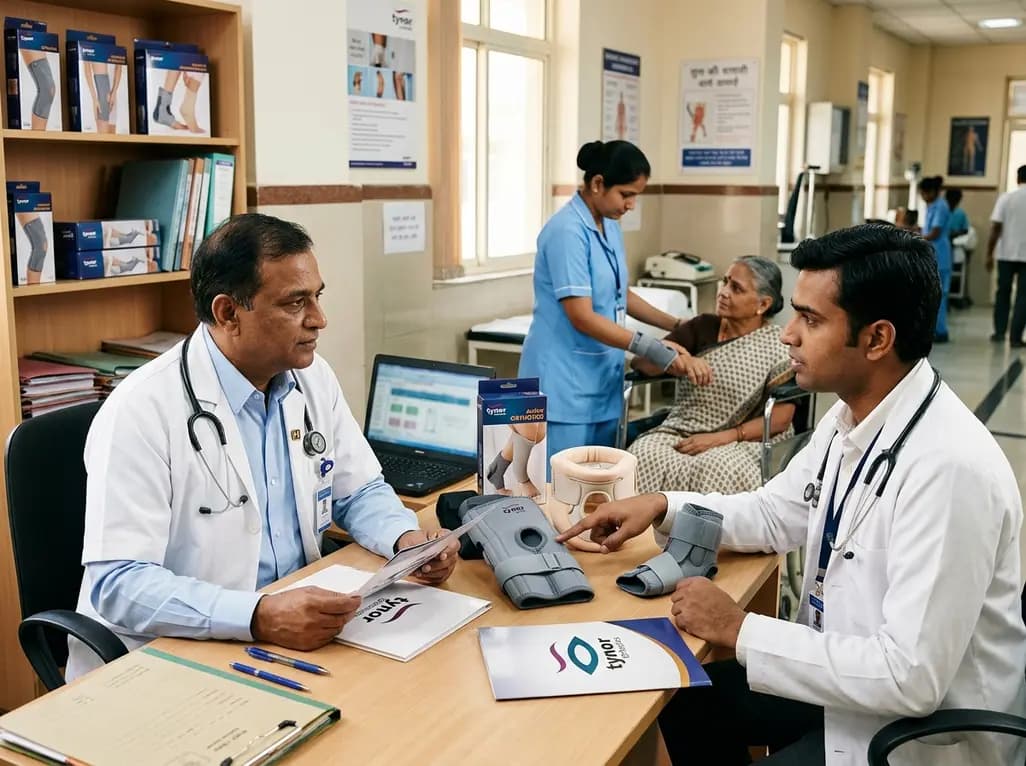
Homegrown private equity firm Kedaara Capital has announced a major investment of approximately two hundred million dollars to acquire a majority stake of fifty-one percent in Tynor Orthotics. Headquartered in Mohali, Tynor is India's leading designer and manufacturer of orthopaedic supports, mobility aids, fracture splints, and rehabilitation solutions. Consequently, this strategic transaction highlights the rapid growth and investment appeal of India's medical devices sector. Furthermore, the partnership aims to accelerate product development, enhance domestic manufacturing excellence, and expand commercial distribution across established and emerging healthcare markets.
Kedaara Capital finalized the acquisition to expand its specialized healthcare and medical devices portfolio. Dr. P.J. Singh and A.J. Singh established Tynor Orthotics in 1993, and the company has earned substantial clinical trust among orthopaedic surgeons and physiotherapists nationwide. In addition, French orthopaedic giant Thuasne remains an active strategic investor in the business since 2010. Therefore, the new collaboration unites private equity execution with world-class medical device engineering. O3 Capital served as the exclusive financial advisor for this high-value transaction. Notably, the founding promoters and existing executive management will continue to drive day-to-day operations and strategic growth initiatives.
Currently, Tynor supplies products to more than three hundred thousand retail pharmacies and eight thousand hospitals across sixty countries worldwide. The company estimates that its therapeutic braces and fracture aids have benefited over one hundred million patients globally. Moreover, rising patient awareness, improved health insurance penetration, and expanding hospital networks provide powerful tailwinds for sustained business growth. Thus, the fresh capital infusion will support strategic capacity expansion, digital transformation, and aggressive market penetration across Tier-2 and Tier-3 cities. Clinicians across India will likely observe broader accessibility for specialized rehabilitative devices as formal distribution channels strengthen.
Modern clinical practice relies heavily on high-precision medical braces that offer reproducible anatomical alignment and reliable joint protection. Tynor currently operates three advanced manufacturing facilities spanning six hundred and fifty thousand square feet in Punjab. Furthermore, these facilities utilize lean manufacturing principles to maintain stringent global quality benchmarks and competitive price points. Consequently, standardized fabrication ensures that therapeutic braces deliver consistent mechanical support, balanced compression, and targeted immobilization. In addition, the partnership intends to establish India as a primary manufacturing hub for the Global South while serving Northern markets.
Global medical device supply chains demand strict regulatory compliance and rigorous material biocompatibility. For instance, advanced breathable textiles, hypoallergenic foams, and lightweight aluminium alloys prevent cutaneous irritation and pressure ulcers during prolonged bracing periods. Because Tynor maintains vertical integration across its production lines, it strictly controls quality from raw material procurement to finished packaging. Moreover, the enhanced capital base will allow the enterprise to upgrade automation and high-precision testing apparatus. As a result, healthcare professionals will gain reliable access to ergonomically superior devices that improve patient compliance during conservative management and rehabilitation protocols.
Orthopaedic braces and immobilization splints serve as indispensable conservative interventions and postoperative recovery adjuncts in everyday orthopaedic practice. Clinicians frequently prescribe these medical orthoses for managing conditions such as lumbar spondylosis, osteoarthritis of the knee, and ligamentous injuries. Additionally, rigid cervical collars and spinal orthoses stabilize delicate musculoskeletal structures following acute trauma or reconstructive surgery. When patients wear appropriately fitted supports, they experience significant pain relief and improved joint biomechanics. Therefore, high-quality braces facilitate early mobilization while preventing progressive structural deformity or secondary tissue damage.
Beyond acute traumatic injuries, mobility aids like walkers, crutches, and rollators provide essential stability for geriatric and neurological patients undergoing gait retraining. Specifically, these rehabilitation devices enhance balance, reduce fall risks, and restore functional independence in daily living activities. However, poorly designed or ill-fitting orthotics can cause serious complications, including muscle atrophy, joint contractures, or cutaneous ulceration. Thus, clinicians emphasize the importance of using certified, anatomically contoured devices with precise sizing options. Through expanded clinician education and refined clinical guidelines, Tynor and Kedaara plan to elevate standard orthotic prescribing practices across varied clinical settings.
Musculoskeletal disorders represent a rapidly escalating disease burden across all demographics in India. Specifically, lifestyle shifts, prolonged sedentary desk work, and increasing motor vehicle collisions contribute to high injury rates. In addition, India's aging demographic profile is accelerating the prevalence of degenerative joint and spine conditions among older adults. Consequently, the demand for non-invasive, cost-effective therapeutic interventions has surged across metropolitan hospitals and regional polyclinics. Furthermore, government initiatives like Ayushman Bharat have expanded access to tertiary orthopaedic treatments, which subsequently boosts the clinical need for postoperative support devices.
Meanwhile, increased sports participation and fitness enthusiasm among young adults have elevated the incidence of sports-related soft tissue injuries. In response, sports medicine physicians and physiotherapists increasingly recommend preventive functional taping, knee sleeves, and prophylactic ankle braces. Modern patients actively demand sleek, comfortable, and discreet braces that integrate seamlessly into their active daily routines. As a result, medical device manufacturers must continuously innovate their material science and structural designs. The substantial investment by Kedaara Capital validates this ongoing transition toward preventive and proactive orthopaedic care in contemporary healthcare delivery.
India is rapidly positioning itself as a global powerhouse in cost-effective, high-quality medical device engineering. The central government continues to champion domestic manufacturing through supportive regulatory policies, industrial medical device clusters, and financial incentives. Therefore, institutional private equity investments in domestic champions like Tynor reinforce national self-reliance in orthotics and rehabilitation technologies. Furthermore, indigenous research and development teams can design custom devices tailored to South Asian anthropometric measurements. This anatomical customization ensures superior clinical fit, improved patient comfort, and elevated therapeutic effectiveness compared to generic imported alternatives.
Looking ahead, the integration of smart sensors and advanced materials will transform conventional orthopaedic bracing into intelligent therapeutic systems. For example, wearable smart orthoses could soon monitor patient compliance, joint range of motion, and dynamic gait metrics in real time. Consequently, orthopaedic surgeons and physical therapists will obtain objective diagnostic data to personalize recovery protocols and adjust treatment regimens. In conclusion, the partnership between Kedaara Capital and Tynor signifies a pivotal transformation for the Indian med-tech landscape, fostering high-impact innovation that bridges clinical excellence with widespread affordability.
Q1: What are the key objectives of Kedaara Capital's investment in Tynor Orthotics?
Kedaara Capital invested approximately two hundred million dollars for a fifty-one percent majority stake to expand Tynor's domestic and international footprint. The partnership aims to enhance manufacturing infrastructure, strengthen research and development, and build a comprehensive orthopaedic wellness platform. Additionally, it leverages strategic global alliances to position India as a primary medical device supply chain partner worldwide.
Q2: How do standardized orthopaedic supports improve clinical outcomes in patient recovery?
Standardized orthopaedic supports ensure consistent anatomical stabilization, balanced load distribution, and joint immobilization during recovery. Consequently, they alleviate acute pain, protect injured ligaments, and accelerate tissue healing. Furthermore, high-quality, breathable materials prevent adverse skin breakdown, thereby enhancing overall patient compliance during conservative management and postoperative rehabilitation phases under clinical supervision.
Q3: Why is the demand for mobility aids and rehabilitation products growing in India?
The demand is rising due to an expanding aging population, increasing prevalence of degenerative joint disorders, and higher incidences of road trauma and sports injuries. In addition, expanding healthcare infrastructure, rising disposable incomes, and widespread insurance coverage have improved diagnostic and treatment accessibility, prompting more patients to seek professional orthotic and rehabilitation aids.
Disclaimer: This content is for informational and educational purposes only. It does not constitute medical advice or replace professional judgment. Refer to the latest local and national guidelines for clinical practice.
References

Read summarized clinical updates, watch expert medical content, and earn CME certifications right from your smartphone.
Open your smartphone camera to scan and install.





Kedaara Capital has acquired a 51% majority stake in Tynor Orthotics for $200 million. The landmark investment aims to scale domestic manufacturing, accelerate research and development, and expand distribution of high-quality orthopaedic supports and mobility aids across domestic and global healthcare markets.
last month
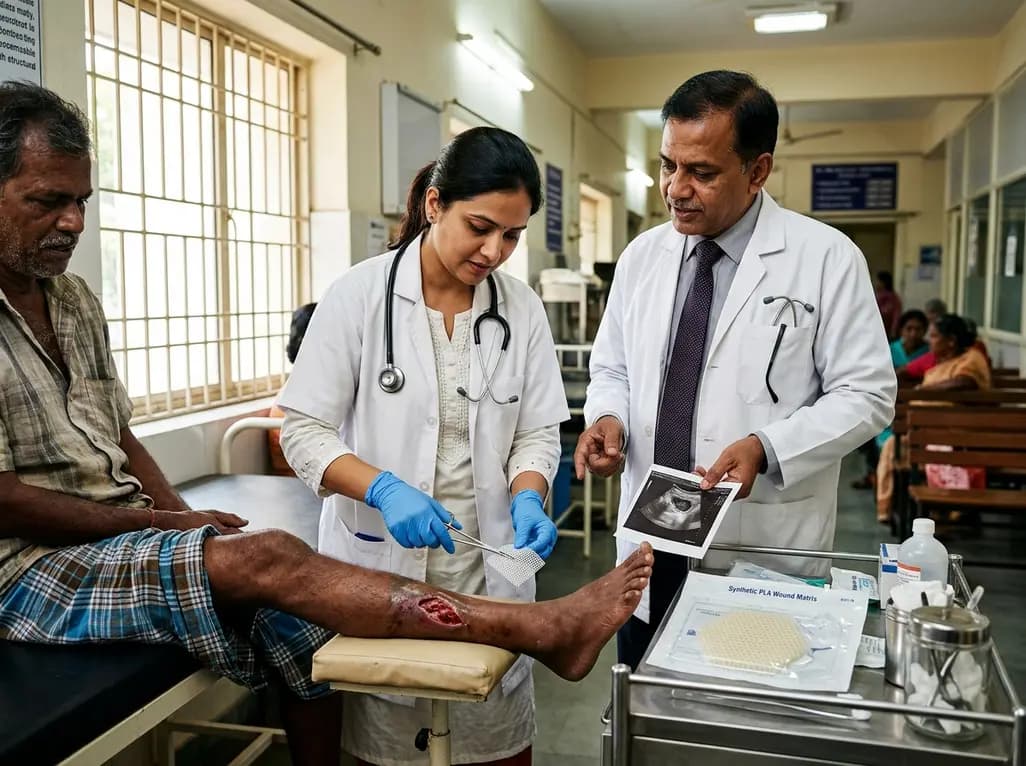
A recent clinical case series highlights the synthetic polylactic acid matrix as an innovative local therapy for refractory pyoderma gangrenosum. The bioresorbable scaffold demonstrated complete ulcer closure and favorable scar quality across chronic wounds, presenting a viable regenerative modality.
Today
A nationwide South Korean study shows underreporting of smoking among women dropped from 57.4% to 36.4% between 2008 and 2021. However, over one-third of female smokers still conceal their habit, highlighting the critical role of cotinine verification in clinical risk assessment.
Today
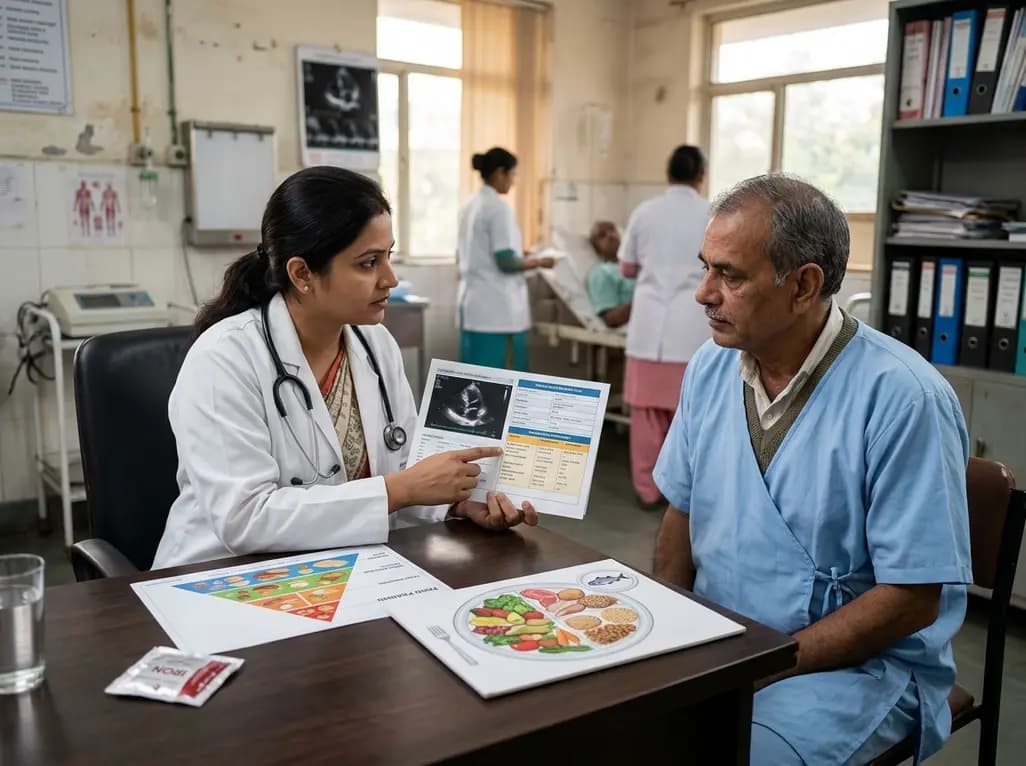
A scientific statement highlights the crucial role of nutrition in managing chronic heart failure. It emphasizes GLIM-based screening, individualized dietary patterns like the Mediterranean diet, appropriate protein and energy intake, avoiding unnecessary fluid restriction, and targeted iron supplementation.
Today
A new study evaluates the rheological stability of decellularized peripheral nerve matrix hydrogels under varied storage conditions. Findings show -80°C storage and freeze-drying preserve gelation kinetics and mechanical stiffness, offering key insights for shipping and translational clinical applications.
Today
A qualitative meta-synthesis highlights the complex interplay between gender dysphoria, minority stress, and eating disorders in transgender and gender-diverse individuals. Clinicians must recognize these distinct drivers to offer supportive, gender-affirming, and interdisciplinary eating disorder care.
Today
