.webp&w=384&q=75)

Loading, please wait...
Loading, please wait...
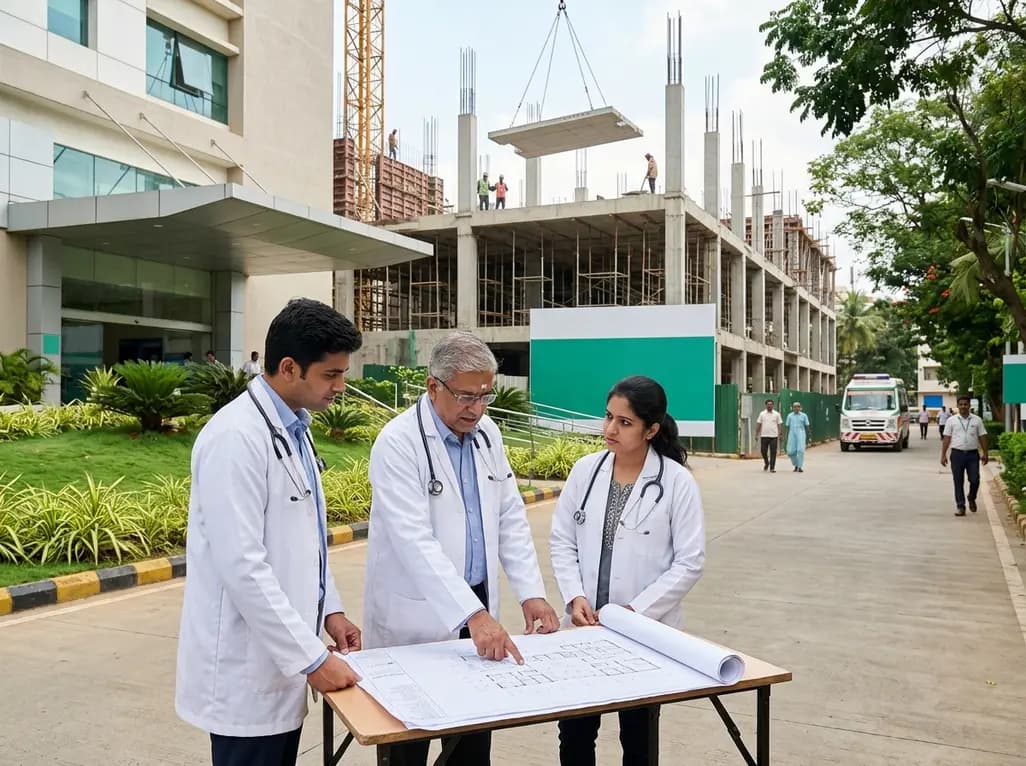
The Indian private healthcare sector is witnessing major consolidation and capital investment aimed at expanding tertiary and quaternary care capabilities. Recently, Aster DM Quality Care announced a major Karnataka healthcare investment of ₹1,315 crore to strengthen regional medical infrastructure. Consequently, this substantial capital injection will significantly enhance access to advanced medical services across Bengaluru and surrounding regions. Executive Chairman Dr. Azad Moopen finalized this strategy following a high-level meeting with Karnataka leadership. Furthermore, this initiative reinforces long-term commitment to strengthening clinical outcomes, expanding medical research, and training skilled healthcare professionals. Therefore, medical practitioners and health administrators view this investment as a vital catalyst for regional health delivery systems.
Currently, Aster DM Quality Care operates four major hospital facilities in Karnataka, supplying 1,329 operational beds to the region. However, rapid urban expansion and rising disease burdens demand a substantial increase in tertiary and quaternary hospital beds. Consequently, the organization has earmarked the ₹1,315 crore investment for three high-impact infrastructure projects across key micro-markets in Bengaluru. Specifically, the group is constructing a 550-bed multi-specialty unit in Yeshwantpur and a 460-bed facility in Sarjapur. Additionally, the plan incorporates a 350-bed expansion at the existing Aster CMI Hospital. Together, these developments will introduce over 1,300 beds to the state health network. Therefore, urban populations will gain timely access to critical care, specialized oncology units, advanced cardiology suites, and organ transplant services. Moreover, establishing these state-of-the-art facilities helps alleviate overcrowding in municipal care centers. Consequently, clinicians will benefit from modern operating theaters, advanced diagnostic radiology tools, and integrated intensive care units. Ultimately, this geographic distribution ensures balanced clinical coverage across Bengaluru's rapidly growing residential and technology hubs.
The planned Karnataka healthcare investment marks a crucial milestone following the successful merger of Aster DM Healthcare and Quality Care India Limited. Specifically, this strategic consolidation created an integrated enterprise operating 39 hospitals across 28 cities with more than 10,600 beds. Furthermore, the combined network unifies four prominent regional healthcare brands, including Aster DM, CARE Hospitals, Evercare, and KIMSHEALTH. As a result, the unified platform benefits from unmatched operational synergies, centralized clinical protocols, and superior procurement leverage. Moreover, corporate leadership emphasizes that Karnataka remains a foundational market for clinical innovation and specialized care delivery. Therefore, allocating capital toward state infrastructure directly supports public-private cooperation to enhance regional healthcare metrics. Furthermore, local clinical teams will collaborate across multi-city centers of excellence to standardize treatment paradigms. Consequently, complex medical cases can leverage multidisciplinary tumor boards and organ-specific surgical consults across the expanded group. Additionally, these investment initiatives foster sustainable hospital management practices while improving patient safety protocols. Overall, the capital allocation represents a structured response to growing demands for complex medical management in Southern India.
Beyond expanding physical bed capacity, the major capital allocation targets systemic improvements in clinical training and academic medicine. Specifically, Aster DM Quality Care aims to enhance medical education programs, clinical research initiatives, and nursing skill development across Karnataka. Consequently, senior consultants and clinical researchers will gain expanded access to modern research laboratories and clinical trial infrastructure. Furthermore, hospital expansion creates extensive opportunities for post-graduate medical training, residency fellowships, and specialized paramedic courses. As a result, young physicians can train under experienced mentors in subspecialties like interventional cardiology, neurosurgery, and pediatric intensive care. Moreover, robust clinical trial capabilities will enable local researchers to participate in global pharmaceutical studies and medical device evaluations. Therefore, integrating academic rigor into daily hospital operations directly improves patient care standards across all units. Additionally, collaborative research efforts between hospital networks and state academic institutions will address regional epidemiologic challenges. Consequently, doctors gain opportunities to publish clinical data while advancing evidence-based treatment algorithms. Overall, this academic focus ensures long-term clinical excellence alongside physical infrastructure growth.
Effective healthcare delivery requires seamless coordination between private enterprise and state policy frameworks. Consequently, Dr. Azad Moopen's meeting with state government leadership underscores the necessity of aligned development objectives. Specifically, private healthcare providers work closely with state authorities to address public health priorities, non-communicable disease burdens, and emergency response capabilities. Furthermore, expanding quaternary infrastructure in Bengaluru relieves pressure on government-run tertiary referral centers. As a result, public health institutions can focus resources on primary prevention and community medicine while private facilities handle complex interventions. Moreover, state initiatives promoting medical tourism will gain momentum as modern hospital beds and advanced surgical suites become operational. Therefore, international patients seeking specialized cardiac procedures, oncology management, and orthopedics will find high-quality care in Karnataka. Additionally, major infrastructure projects generate substantial direct and indirect employment for doctors, nurses, technicians, and administrative support personnel. Consequently, local health economies thrive through sustained job creation and ongoing skill upgrading. Ultimately, proactive public-private collaboration creates a resilient healthcare ecosystem capable of managing future health crises.
As medical technology evolves, providing timely access to specialized quaternary services becomes essential for optimal clinical outcomes. Specifically, the expansion of facilities in Yeshwantpur, Sarjapur, and Hebbal will house specialized centers of excellence. Furthermore, these facilities will integrate advanced robotic surgery platforms, precision radiation oncology, comprehensive stroke units, and pediatric organ transplant modules. Consequently, patients with complex multi-system pathology can receive centralized multidisciplinary management without traveling outside the state. Moreover, modern digital health solutions, including electronic health records and remote telemetry monitoring, will unify patient data across facilities. As a result, attending physicians can review patient histories, diagnostic imagery, and lab findings in real time. Therefore, inter-hospital transfers and emergency referrals become safer and more efficient. Additionally, dedicated emergency medicine departments will feature triage systems designed to treat acute trauma and acute coronary syndromes rapidly. Consequently, mortality rates for critical conditions can be reduced through timely intervention. Ultimately, this expanded infrastructure ensures that advanced medical technology remains accessible to diverse patient demographics across Karnataka.
Q1: What are the key details of the Aster DM Quality Care investment in Karnataka?
Aster DM Quality Care is investing ₹1,315 crore to strengthen Karnataka's healthcare infrastructure. The plan includes building a 550-bed hospital in Yeshwantpur, a 460-bed hospital in Sarjapur, and adding 350 beds to Aster CMI Hospital in Bengaluru. Consequently, this initiative adds over 1,300 beds to increase access to tertiary and quaternary clinical services across the state network.
Q2: How does the recent merger impact Aster DM Quality Care's regional capacity?
The recent merger between Aster DM Healthcare and Quality Care India Limited combined four major healthcare brands: Aster DM, CARE Hospitals, Evercare, and KIMSHEALTH. Furthermore, this consolidated network now operates 39 hospitals with over 10,600 beds across 28 cities. Consequently, the expanded group leverages centralized clinical protocols, shared expertise, and improved resource allocation to elevate patient care standards nationwide.
Q3: Which specialized clinical services will benefit from this infrastructure expansion?
The infrastructure expansion specifically enhances advanced tertiary and quaternary care services. Consequently, specialty areas such as oncology, interventional cardiology, organ transplantation, neurosurgery, and pediatric intensive care will receive state-of-the-art diagnostic and surgical equipment. Furthermore, expanding facilities in Yeshwantpur, Sarjapur, and CMI Hospital ensures comprehensive coverage for emergency trauma, robotic surgery, and complex medical management across Bengaluru.
Disclaimer: This content is for informational and educational purposes only. It does not constitute medical advice or replace professional judgment. Refer to the latest local and national guidelines for clinical practice.
References

Read summarized clinical updates, watch expert medical content, and earn CME certifications right from your smartphone.
Open your smartphone camera to scan and install.





Aster DM Quality Care has announced a massive capital outlay of ₹1,315 crore to bolster healthcare infrastructure in Karnataka. The plan includes setting up multi-specialty hospitals in Yeshwantpur and Sarjapur while expanding Aster CMI Hospital, adding over 1,300 bed facilities across Bengaluru.
Today
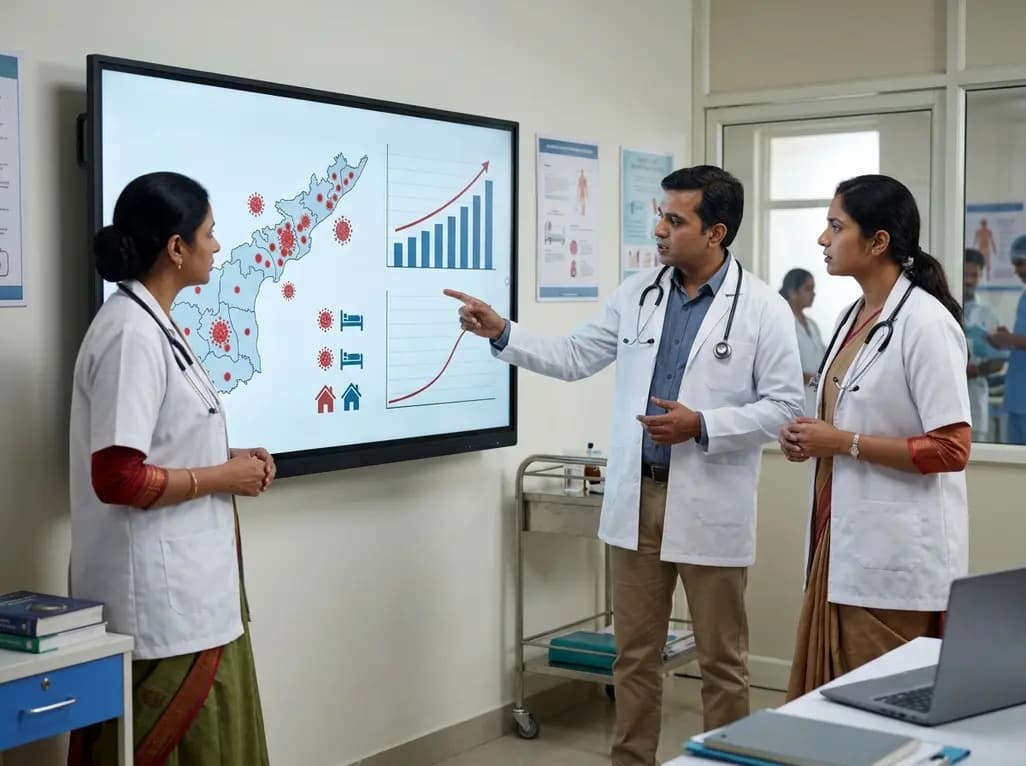
Andhra Pradesh reported 10 new Covid-19 cases, taking the state tally to 49 while deaths remain at four. With 24 patients hospitalized and 16 under home isolation, the Health Department has intensified monitoring. Medical professionals should review regional distribution, diagnostic protocols, and management plans.
Today
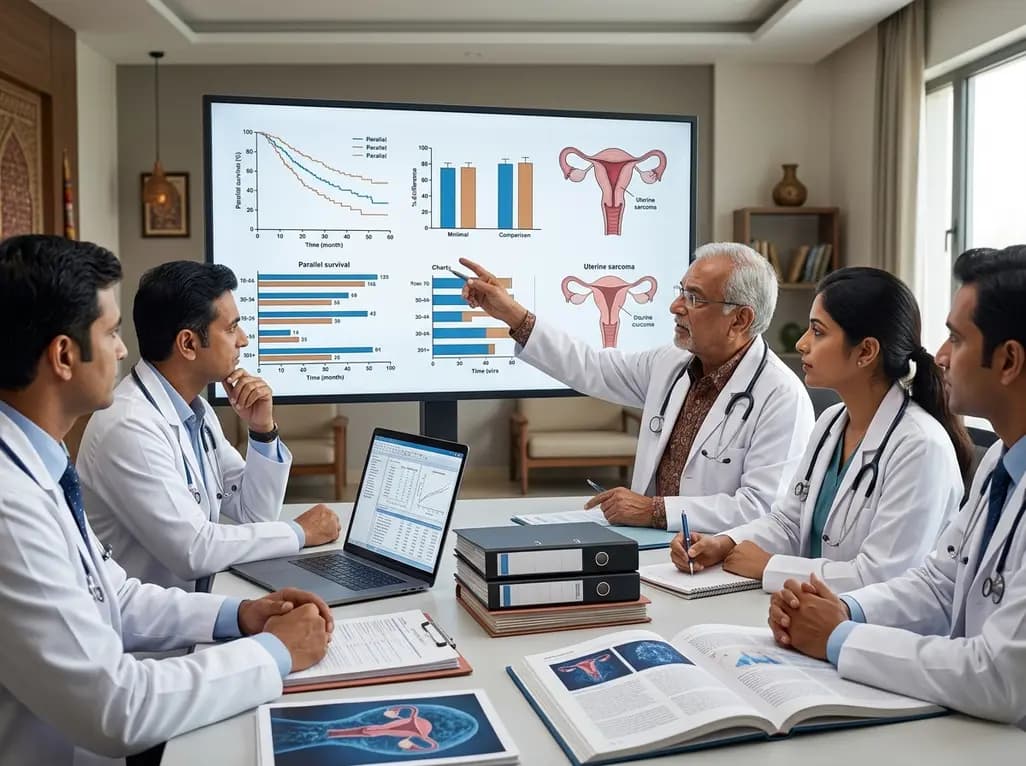
An 11-year Swedish registry study of 618 uterine sarcoma patients found that minimally invasive surgery yielded survival comparable to open surgery in early stages. However, adjuvant chemotherapy conferred no survival benefit in localized or advanced disease, highlighting stage and histology as key outcomes.
3 days back
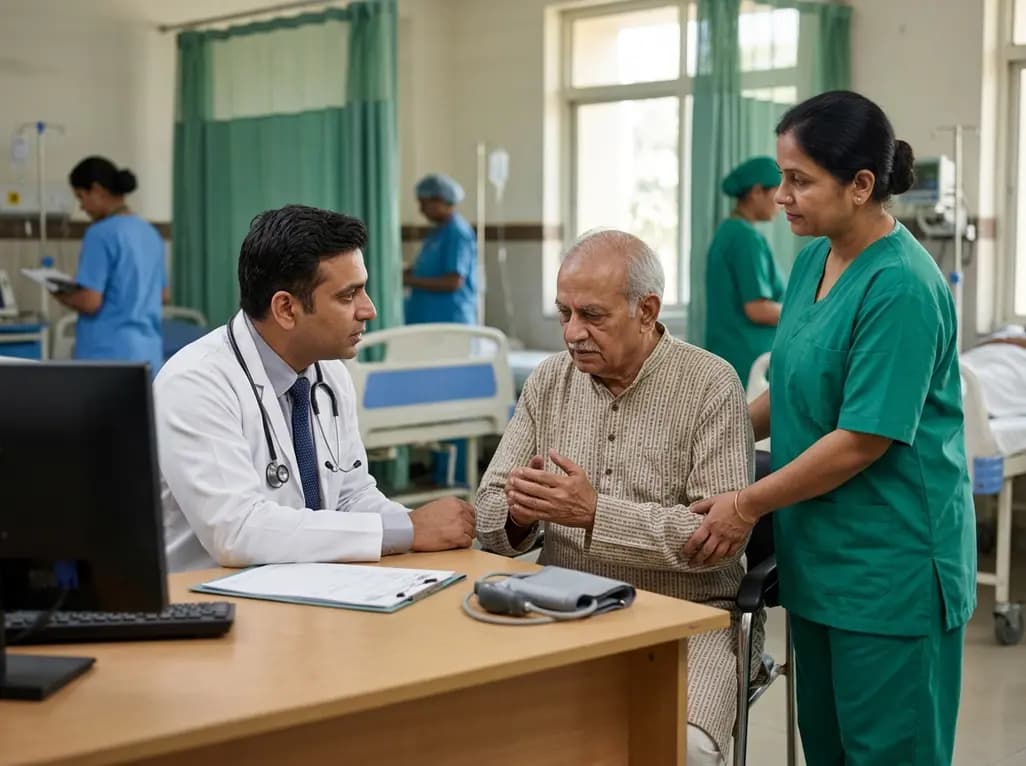
A cross-sectional study evaluates post-intensive care syndrome in cardiac patients 2-4 weeks post-ICU discharge, highlighting cognitive, psychological, and functional impairments and the need for structured multidisciplinary rehabilitation.
3 days back
Anterior cruciate ligament reconstruction failure lacks uniform definition. A narrative review proposes an integrative framework incorporating objective and subjective instability, persistent pain, restricted motion, graft rupture, and secondary meniscal injury to standardize clinical reporting.
3 days back
With World Obesity Atlas data warning that over 41 million Indian children are overweight or obese, ICMR and NIN have unveiled a 10-point policy roadmap. The initiative calls for mandatory front-of-pack labeling, HFSS taxes, strict marketing bans, and healthier school environments to curb non-communicable diseases.
Today
