.webp&w=384&q=75)

Loading, please wait...
Loading, please wait...
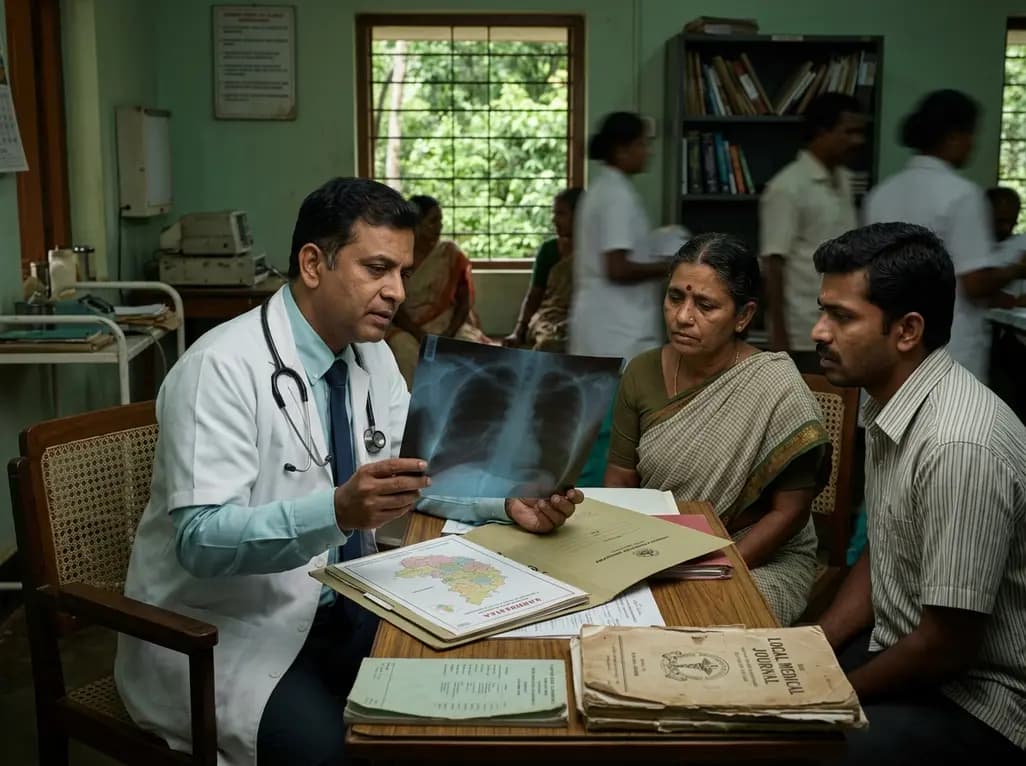
Data presented in the Rajya Sabha by Union Minister of State for Health and Family Welfare Prataprao Jadhav reveals a significant surge in Karnataka cancer cases. Between 2021 and 2025, estimated annual new diagnoses in the state escalated from 88,126 to 97,130, marking a 10.2% increase. Concurrently, annual cancer deaths rose by 10.3%, expanding from 48,290 to 53,253 during the same five-year timeframe. This epidemiological data, delivered in response to questions from Member of Parliament Neeraj Shekhar, underscores the growing oncological burden across southern India. Consequently, healthcare authorities and medical practitioners must examine the underlying drivers of this growth to implement targeted clinical and preventive strategies.
The national cancer registry data indicates that Karnataka accounted for approximately 6.2% of India's estimated new cancer diagnoses and 6.1% of cancer deaths in 2025. Furthermore, while the absolute number of cases expanded steadily, Karnataka’s relative share of the overall national cancer burden remained broadly stable over the five-year period. This stability suggests that the observed rise reflects broader national demographic shifts, including population growth, increased life expectancy, and improved diagnostic reporting. Additionally, enhanced diagnostic access across district hospitals and private tertiary centers has successfully identified previously undetected malignancies. However, the consistent rise in absolute mortality emphasizes that diagnostic expansion alone is insufficient to curb mortality. Therefore, public health planners must focus heavily on early stage detection and timely therapeutic intervention. Population-based registries show high burdens of breast, cervical, and oral cancers across the state. Consequently, strengthening community screening infrastructure remains a paramount health priority. In addition, rural health centers require stronger diagnostic facilities to reduce diagnostic lag times.
Beyond state-level statistics, localized disease clusters present distinct clinical and public health challenges. Specifically, community leaders and social activists in the core Malnad belt, including Shivamogga district, have reported a sudden escalation in local cancer incidence. Halaguru Nagesh, a prominent social activist from Shivamogga, stressed that mere publication of annual data and temporary screening camps cannot solve the crisis. Instead, he urged governmental agencies to investigate potential links between changing crop patterns and heavy agricultural pesticide exposure. Recent oncological research from major cancer centers in Bengaluru supports these environmental concerns. Notably, laboratory analyses using high-resolution mass spectrometry detected trace pesticide residues, including organochlorines and organophosphates, within malignant human tissue samples. While agricultural chemicals are rarely the sole driver of oncogenesis, chronic low-dose environmental exposure likely acts as a potent co-factor alongside genetic susceptibility and lifestyle habits. Consequently, clinicians practicing in agricultural regions must incorporate environmental history into standard risk evaluations. Furthermore, interdisciplinary research must evaluate soil and water contamination across high-incidence districts. Additionally, regulatory authorities should enforce stricter guidelines regarding agricultural chemical handling to safeguard rural populations.
A particularly concerning aspect of current clinical outcomes in the state is the high rate of disease recurrence. Dr. B. S. Ajaikumar, executive chairman of HCG Cancer Centres and founder of the Bharat Hospital and Institute of Oncology, emphasized that approximately 60% of oncology patients currently present with recurrent cancer. Furthermore, he noted that this high recurrence rate represents a critical systemic failure within the existing healthcare delivery framework. In developed nations, relapse rates remain substantially lower due to standardized multi-modal protocols, precise staging, and rigorous follow-up care. Several factors contribute to disease recurrence in resource-constrained settings. First, many patients present at advanced disease stages where complete surgical margins or curative radiation doses are difficult to achieve. Second, financial constraints often force patients to interrupt systemic therapy, leading to incomplete treatment cycles and therapy-resistant micrometastases. Third, inadequate post-treatment surveillance protocols allow secondary growths to progress undetected. Consequently, addressing recurrence demands a fundamental shift from episodic interventions to long-term chronic disease management models. Overall, optimizing first-line therapeutic efficacy is essential to eliminate residual microscopic disease and improve long-term survival.
To reverse these adverse epidemiological trends, healthcare leaders advocate for structural policy overhauls and sustainable financing models. Dr. Ajaikumar noted that limited funding for cancer diagnosis and treatment remains one of the primary obstacles to effective oncology care. Moreover, he asserted that low-cost healthcare models often fail because complex oncological care requires cutting-edge technology, precision diagnostics, and expensive targeted biological therapies. Therefore, government bodies must make public health funding virtually unlimited for essential cancer treatments. Expanding insurance coverage under programs like Ayushman Bharat and Arogya Karnataka is crucial to prevent catastrophic out-of-pocket medical expenditures. However, policy expansion must go beyond basic surgical procedures to cover advanced radiation techniques, comprehensive genomic profiling, and modern immunotherapy agents. Additionally, healthcare infrastructure requires decentralization. Establishing advanced regional cancer units prevents patient distress and reduces treatment dropouts. Furthermore, public-private partnerships can accelerate the deployment of high-end diagnostic technology in underserved districts. Consequently, combining robust public funding with strategic infrastructure investments will significantly lower overall cancer mortality.
The rising burden of cancer in Karnataka carries direct clinical implications for medical practitioners across all specialties. Primary care physicians and internal medicine specialists play a vital frontline role in early disease detection. Consequently, clinicians must maintain high clinical suspicion for non-healing oral ulcers, abnormal uterine bleeding, palpable breast lumps, and persistent gastrointestinal symptoms. Moreover, routine clinical history taking should routinely include details on tobacco consumption, alcohol usage, and prolonged exposure to agricultural pesticides. When malignancies are identified, multidisciplinary tumor boards (MDTs) must guide treatment decisions. Collaborative planning among surgical, medical, and radiation oncologists ensures strict compliance with international standard-of-care guidelines. Furthermore, oncologists must counsel patients regarding treatment compliance, emphasizing that completing the full schedule of chemotherapy and radiotherapy is vital to prevent late disease recurrence. Additionally, structured post-treatment surveillance plans, including regular clinical examinations and targeted imaging, must be established for every survivor. Thus, standardized clinical pathways and vigilant long-term follow-up represent the most effective strategy to optimize patient survival.
In addition to clinical management, comprehensive public health strategies must emphasize primary prevention and early health-seeking behaviors. Many preventable cancers, particularly those linked to tobacco use, continue to constitute a high proportion of male malignancies in Karnataka. Therefore, public health campaigns must intensify anti-tobacco education and community outreach programs across both urban centers and rural villages. Similarly, raising awareness regarding cervical cancer vaccination and routine HPV screening can dramatically reduce gynecological cancer mortality among women. Furthermore, community education initiatives should dispel fear and social stigma associated with a cancer diagnosis, encouraging individuals to seek medical evaluation at the earliest sign of disease. Concurrently, agricultural extension officers and health workers must educate farming communities on safe pesticide handling, protective gear, and proper chemical storage practices. Additionally, state health departments should establish active continuous registries in high-risk districts to track emerging epidemiological trends in real time. Consequently, uniting primary prevention, active surveillance, and community education will create a resilient framework against the growing cancer threat.
Q1: What factors account for the 10% rise in Karnataka cancer cases between 2021 and 2025?
The 10.2% rise in Karnataka cancer cases stems from a combination of population growth, increased life expectancy, lifestyle shifts, and improved diagnostic screening. Furthermore, expanded health insurance coverage and enhanced reporting through population-based cancer registries have improved the detection of previously undiagnosed cases. However, persistent environmental exposures, high tobacco consumption, and delayed clinical presentations also contribute significantly to the expanding disease burden across the state.
Q2: Why is pesticide exposure suspected as a potential contributing factor in agricultural regions like Malnad?
Agricultural regions like Malnad have experienced heavy pesticide use and changing crop patterns over recent years. Notably, recent scientific studies have detected organochlorine and organophosphate residues within human cancer tissue samples. While pesticides are rarely the sole cause of malignancy, chronic environmental exposure can act as a potent oncogenic co-factor. Consequently, health authorities are urged to investigate agricultural chemical risks in high-incidence rural areas.
Q3: What clinical strategies are recommended to reduce the high 60% recurrence rate among cancer patients?
Reducing the 60% recurrence rate requires early stage diagnosis, strict adherence to multidisciplinary tumor board recommendations, and full completion of prescribed multi-modal treatments. Additionally, clinicians must implement structured post-treatment surveillance protocols to detect micro-metastases early. Expanding financial support for advanced precision diagnostics and targeted therapies also ensures that patients receive complete, uninterrupted, state-of-the-art care, significantly lowering recurrence risks.
Disclaimer: This content is for informational and educational purposes only. It does not constitute medical advice or replace professional judgment. Refer to the latest local and national guidelines for clinical practice.
References

Read summarized clinical updates, watch expert medical content, and earn CME certifications right from your smartphone.
Open your smartphone camera to scan and install.





Karnataka recorded a 10.2% increase in estimated new cancer cases and a 10.3% increase in cancer mortality between 2021 and 2025. Union Ministry data highlights growing regional concerns in the Malnad belt, alarmingly high recurrence rates of 60%, and an urgent imperative for expanded public health funding.
Today
An overview of surrogacy laws in India and global regulations, analyzing the transition to altruistic surrogacy, eligibility criteria, international cross-border challenges, and clinical compliance requirements for healthcare providers.
Today
Researchers developed poly(trimethylene carbonate)-based polymersomes loaded with L-arginine for ROS-triggered nitric oxide release. This mild, stable nano-delivery system produces gas in response to hydrogen peroxide, offering a promising, targeted platform for cardiovascular, surgical, and oncological therapy.
Today
Researchers developed a Haversian-inspired composite scaffold that addresses delayed vascularization and wet-state mechanical deterioration in critical bone defect repair. By integrating spatially programmed calcium phosphate minerals and selective silica reinforcement, the design promotes vascularized bone repair.
Yesterday
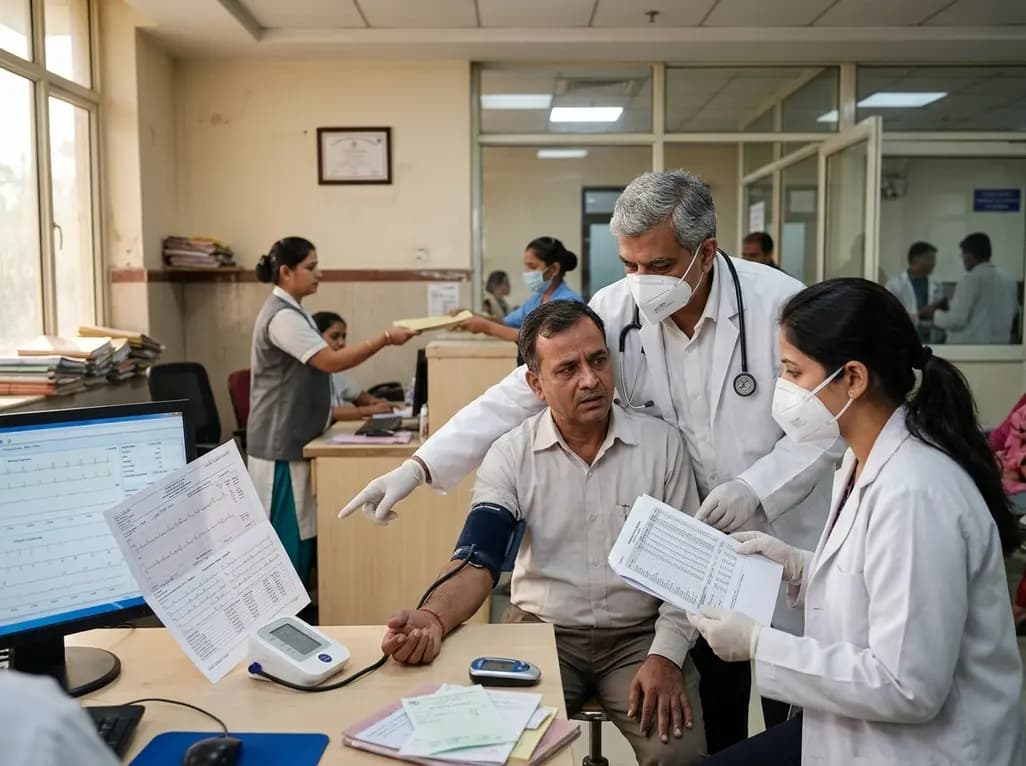
A landmark study analyzing over 56,000 adult health records in Delhi-NCR reveals that hypertension and diabetes coexistence affects nearly 5% of adults. The prevalence doubles expected rates and rises sharply after age 40. Early integrated screening is essential to prevent microvascular and macrovascular complications.
Today
