

Loading, please wait...
Loading, please wait...

Q1: Which healthcare acts does the Jan Vishwas Bill amend?
The Bill amends several key legislations, including the Drugs and Cosmetics Act (1940), the Pharmacy Act (1948), the Food Safety and Standards Act, and the Clinical Establishments Act (2010).
Q2: How does the Jan Vishwas Bill affect minor procedural violations?
It replaces criminal penalties and imprisonment with graded monetary fines and civil penalties for minor lapses like document non-maintenance.
Q3: Will serious health violations still carry criminal penalties?
Yes, the Bill retains strict criminal action and imprisonment for serious violations that directly affect public health and safety.
Disclaimer: This content is for informational and educational purposes only. It does not constitute medical advice or replace professional judgment. Refer to the latest local and national guidelines for clinical practice.
References

Read summarized clinical updates, watch expert medical content, and earn CME certifications right from your smartphone.
Open your smartphone camera to scan and install.





The Jan Vishwas Bill decriminalises minor health sector offences, replacing jail time with monetary penalties to reduce the compliance burden for profession...
6 months ago
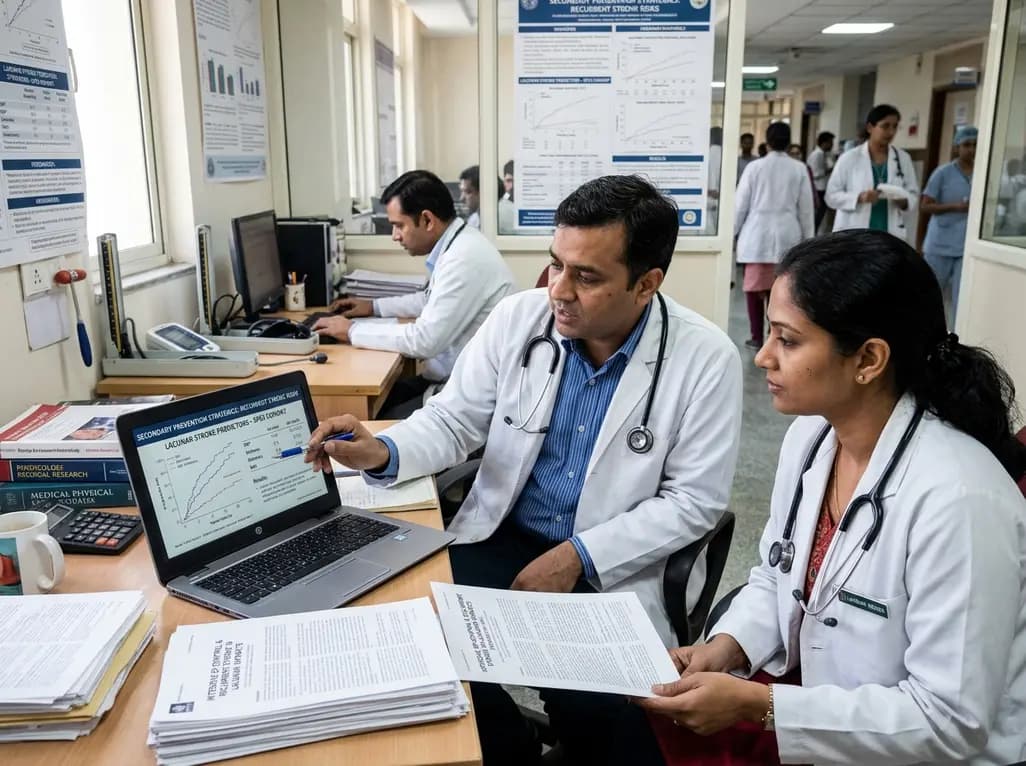
Explore vital recurrent stroke predictors in lacunar stroke patients managed with intensive blood pressure lowering. This analysis examines trial findings from SPS3 to uncover residual vascular risks, metabolic factors, and targeted secondary prevention strategies for high-risk neurological patients.
Today

A comprehensive scoping review synthesises evidence linking prenatal maternal mental health to long-term offspring neurodevelopment, evaluating neuroendocrine, inflammatory, and epigenetic pathways while highlighting clinical screening and future research priorities.
Today
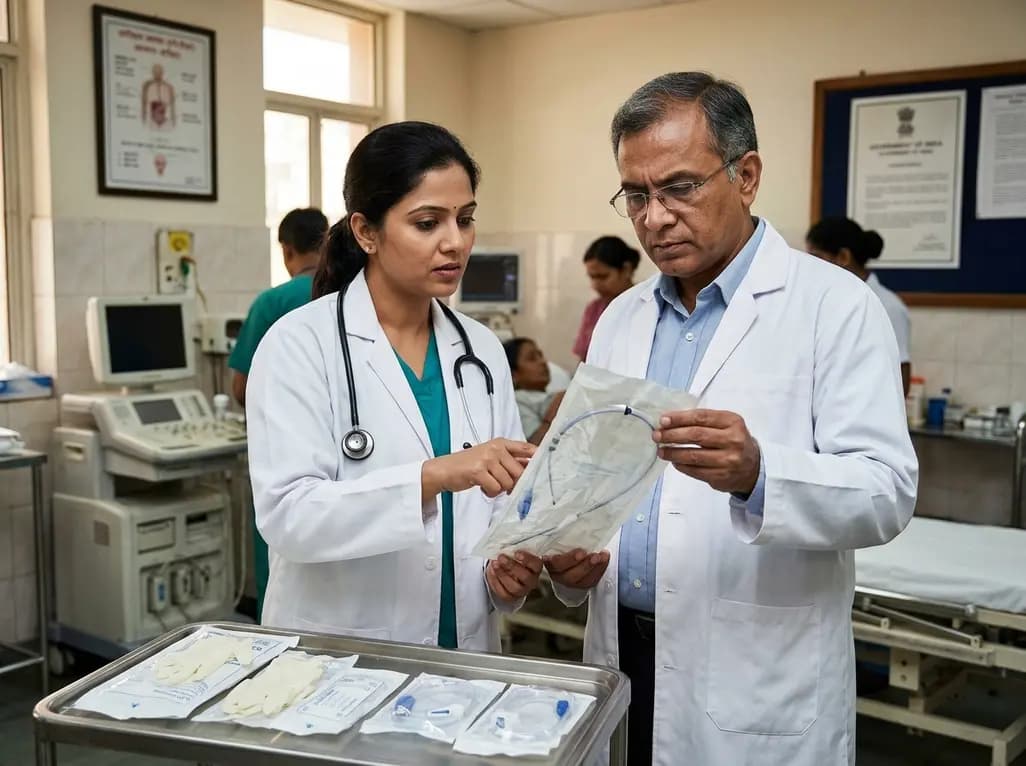
The Directorate General of Health Services directs Indian states to halt the hazardous reuse and reprocessing of single-use medical devices. Discover regulatory implications under the Drugs and Cosmetics Act, critical infection risks, legal liabilities, and operational changes required across clinical specialties.
Today
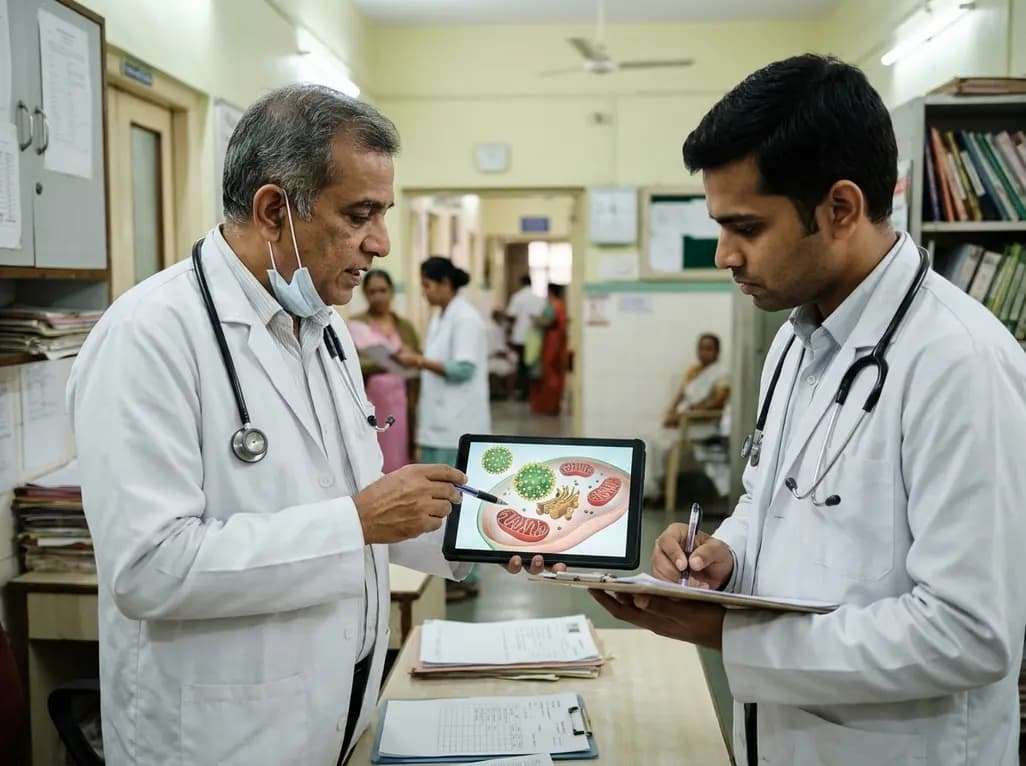
Mitochondria-targeted nanoparticles self-assembled from EGCG and L-glutamic acid effectively restore mitochondrial homeostasis, suppress synovial inflammation, and attenuate chondrocyte senescence in osteoarthritis, offering a promising disease-modifying nanotherapy.
Today

India is advancing preventive healthcare by integrating genomics, artificial intelligence, and quantum technologies. With the SANGAM programme sequencing one million Indian genomes, clinicians can unlock personalized therapies, detect cardiometabolic risks early, and curb the burden of diabetes and heart disease.
Today
