.webp&w=384&q=75)

Loading, please wait...
Loading, please wait...
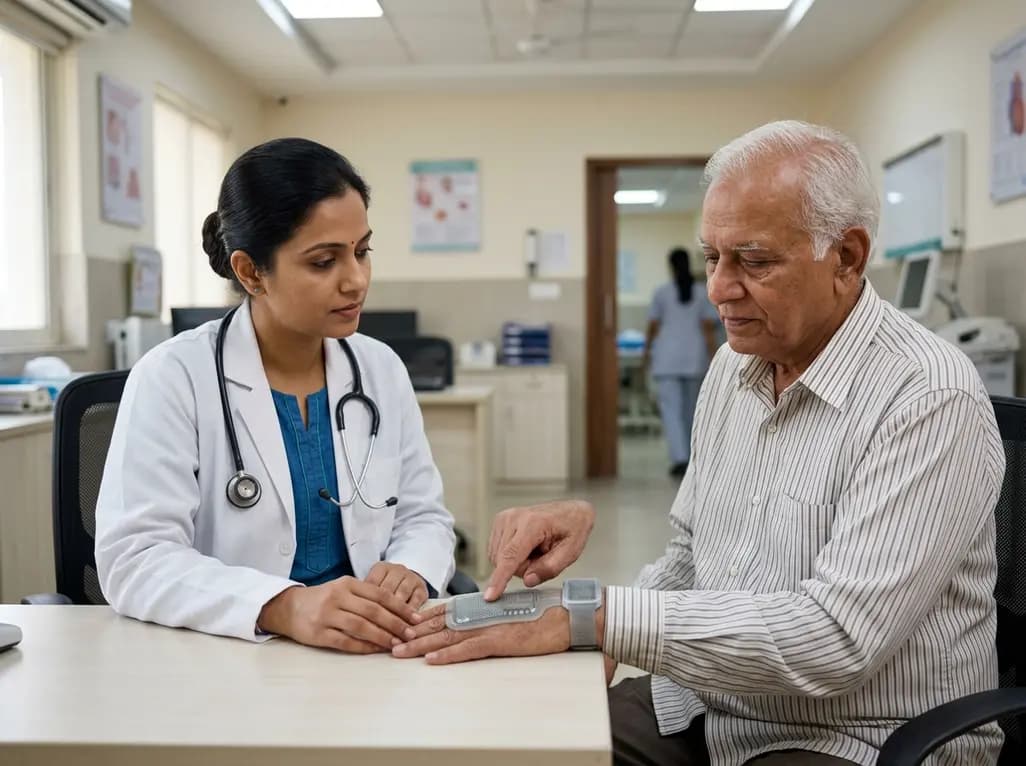
Early identification of motor deterioration remains a vital clinical objective in progressive neurological disorders. Fortunately, advanced iontronic pressure sensors offer transformative opportunities for continuous physiological monitoring. Clinicians frequently evaluate fine motor control to assess Parkinson's disease and related motor syndromes. However, conventional wearable tactile devices often generate motion artifacts during active skin movement. Furthermore, poor material breathability limits long-term patient compliance during remote monitoring. Recent bioengineering breakthroughs address these tactile limitations through bioinspired interlocking heterostructures. Consequently, these developments open new horizons for non-invasive motor assessments.
Skin-mounted tactile devices must measure minute contact forces while accommodating natural musculoskeletal movements. When individuals move their fingers, tensile strain typically deforms sensor microstructures and causes false diagnostic readings. To resolve this challenge, researchers developed a bioinspired interlocking hierarchical heterostructure that isolates pressure signals from strain. Specifically, this architecture anchors a porous textile-microstructured ionogel directly onto stretchable laser-induced graphene electrodes. The resulting modulus-gradient mechanical network facilitates interfacial strain partitioning across the material layers. Consequently, tensile stretching dissipates safely along the porous elastomer framework. Meanwhile, the pressure-sensitive domains remain mechanically locked against structural deformation. Experimental evaluations demonstrate that the sensor exhibits a mere 2% signal variation under 100% tensile strain. Therefore, the device maintains uniform sensing performance even during vigorous joint bending. As a result, neurologists obtain clean tactile measurements uncontaminated by motion artifacts. Accordingly, this technological leap provides unprecedented measurement fidelity for clinical movement evaluation.
Long-term skin adherence represents a crucial factor for patient compliance in geriatric healthcare. Standard impermeable films trap sweat, which frequently induces contact dermatitis and disrupts electronic performance. However, this novel platform incorporates a hierarchical porous microstructure that drastically improves cutaneous air permeability. In addition, the breathable matrix permits natural sweat evaporation without compromising electrical conductivity. Clinicians understand that comfortable epidermal interfaces encourage sustained patient compliance during continuous evaluations. Furthermore, the textile-templated ionogel demonstrates remarkable capacitance changes across low-pressure ranges. This unique structural synergy reconciles mechanical flexibility with high tactile sensitivity. Consequently, patients can wear multi-channel arrays comfortably on their fingertips throughout the day. Medical teams can therefore capture naturalistic motor activities during typical daily routines. Moreover, reliable skin conformity eliminates sensor slippage during repetitive motor tasks. Thus, the heterostructure effectively bridges the gap between laboratory prototypes and practical clinical wearable technology.
The finger tapping test serves as a cornerstone examination in movement disorder clinics. Traditionally, clinicians visually assess tapping rhythm, speed, and amplitude decrements to determine motor impairment. Nevertheless, qualitative visual evaluations depend heavily on examiner experience and risk diagnostic variability. To overcome these limitations, investigators integrated the sensor array with artificial intelligence recognition algorithms. Specifically, a five-channel system measures real-time pressure dynamics across each individual fingertip. The machine learning pipeline extracts critical kinematic features, including tap cadence, contact duration, and force attenuation. Consequently, the automated diagnostic system achieves a remarkable 97% accuracy in classifying distinct tapping patterns. Furthermore, the algorithm successfully distinguishes between healthy individuals and patients exhibiting neurological impairment. Accordingly, this artificial intelligence framework converts subjective clinical observations into objective digital biomarkers. Physicians can subsequently quantify subtle motor deterioration before gross tremors become clinically obvious.
Early clinical detection of neurodegenerative conditions enables timely therapeutic and pharmacological interventions. In clinical practice, subtle bradykinesia often manifests as irregular tapping force and rhythm fragmentation. Because the interlocking sensor possesses exceptional sensitivity, it captures microscopic force discrepancies that escape ordinary physical examination. Moreover, the five-channel configuration facilitates simultaneous tracking of bilateral motor coordination and individual finger dexterity. Beyond initial screening, the platform provides vital quantitative metrics during longitudinal neurorehabilitation. Physical therapists can monitor how effectively patients regain fine motor control following acute or progressive neurological events. Similarly, movement disorder specialists can track therapeutic responses to medication adjustments and neurostimulation therapies. Real-time tactile telemetry highlights transient off-periods and motor fluctuations throughout daily activities. Therefore, clinicians can personalize therapy schedules using precise empirical data rather than retrospective recall. Consequently, decentralized monitoring enhances both diagnostic accuracy and personalized rehabilitation protocols.
Healthcare disparities severely restrict access to specialized neurological consultations in rural and underserved regions. Many elderly patients encounter substantial physical and financial barriers when traveling to tertiary medical centers. However, wearable digit sensors facilitate sophisticated tele-neurology assessments directly within local community clinics or home environments. Healthcare workers can quickly attach the breathable sensor patches to patient fingers without extensive training. Furthermore, automated machine learning analysis standardizes diagnostic metrics without requiring on-site movement disorder specialists. General physicians can review cloud-synchronized movement kinematics to make prompt referral decisions. In addition, routine remote assessments minimize unnecessary clinical travel for frail individuals. The strain-insensitive design also prevents measurement errors caused by involuntary patient tremors or uncoordinated handling. Thus, digital health innovations help democratize access to high-standard neurological monitoring worldwide. Ultimately, scalable wearable devices empower clinical systems to identify neurodegenerative diseases earlier and deliver timely interventions.
Iontronic pressure sensors measure mechanical touch by detecting capacitance changes at an ionic-electronic interface. In neurological evaluations, they record microscopic fingertip tapping forces and velocity changes with extraordinary precision. Because the latest bioinspired designs isolate pressure from stretching strain, they eliminate movement artifacts during active motor tasks. Consequently, clinicians obtain highly reliable, objective measurements of motor dysfunction, allowing accurate tracking of disease severity in conditions like Parkinson's disease.
The sensor uses a bioinspired interlocking hierarchical heterostructure that pairs a porous ionogel with stretchable graphene electrodes. This modulus-gradient architecture induces interfacial strain partitioning across the device. When a patient flexes or stretches their hand, tensile forces dissipate safely through the elastic polymer framework. Meanwhile, the pressure-responsive functional regions remain mechanically locked against elongation. Consequently, the sensor exhibits only 2% signal variation under 100% mechanical strain, ensuring motion-artifact-free physiological data.
Artificial intelligence algorithms analyze multi-channel tactile data from finger tapping tests to detect subtle kinetic abnormalities. By processing tapping cadence, force decay, and inter-tap intervals, machine learning models achieve up to 97% classification accuracy. While these algorithmic systems do not replace comprehensive clinical evaluations, they provide highly objective supplementary screening data. This capability enables remote symptom monitoring, detects early motor signs, and helps clinicians evaluate therapeutic efficacy with greater precision.
Disclaimer: This content is for informational and educational purposes only... Refer to the latest local and national guidelines for clinical practice.
References

Read summarized clinical updates, watch expert medical content, and earn CME certifications right from your smartphone.
Open your smartphone camera to scan and install.





Advanced bioinspired iontronic pressure sensors eliminate motion artifacts while ensuring high breathability. By combining strain insensitivity with AI-powered finger tapping analysis achieving 97% accuracy, this breakthrough supports objective screening and monitoring for neurodegenerative disorders.
Today
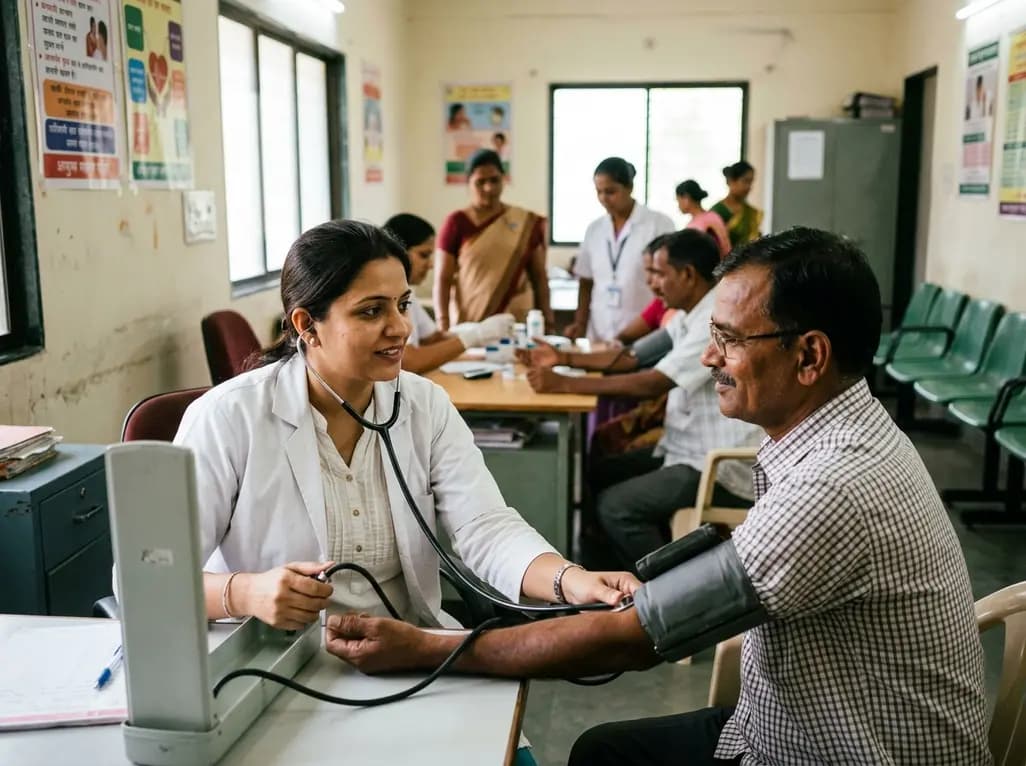
India has screened over 420 million adults for chronic metabolic conditions through its network of Ayushman Arogya Mandirs. This public health milestone underscores an aggressive shift toward early detection, decentralized primary care, and expanded insurance coverage under central health initiatives.
Today
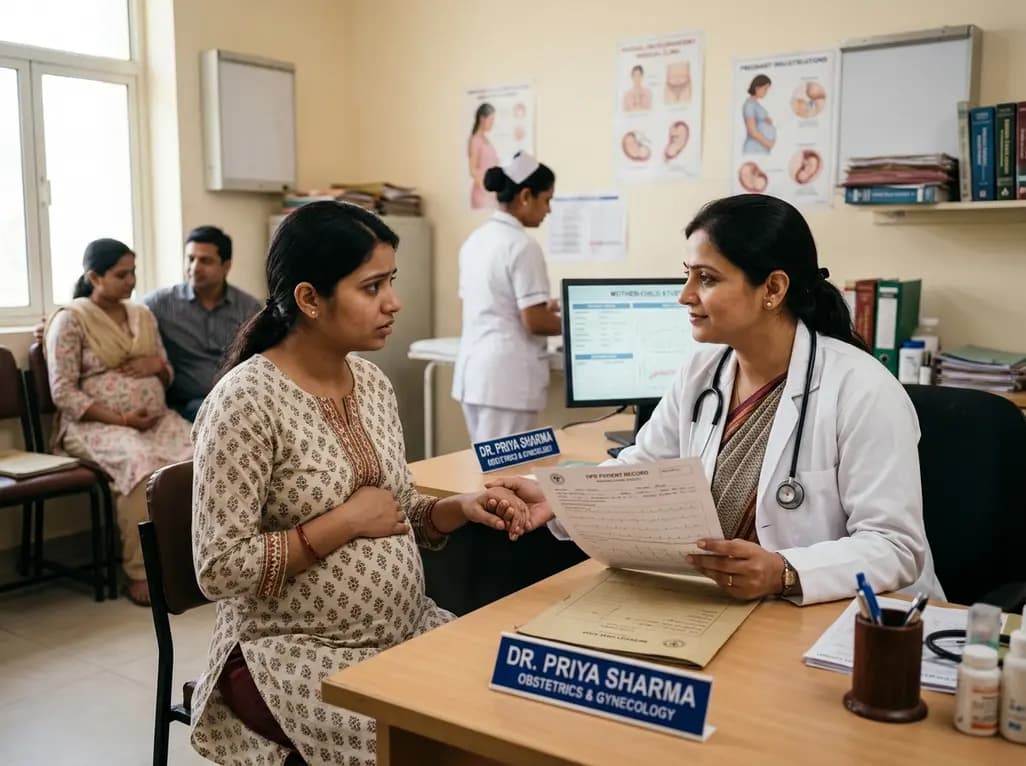
A large population cohort study evaluated over 167,000 mother-child pairs to assess the link between maternal mood disorders, pharmacotherapy, and long-term child neurodevelopment. The results underscore that maternal illness, rather than pharmacotherapy alone, drives most special educational needs in offspring.
Today
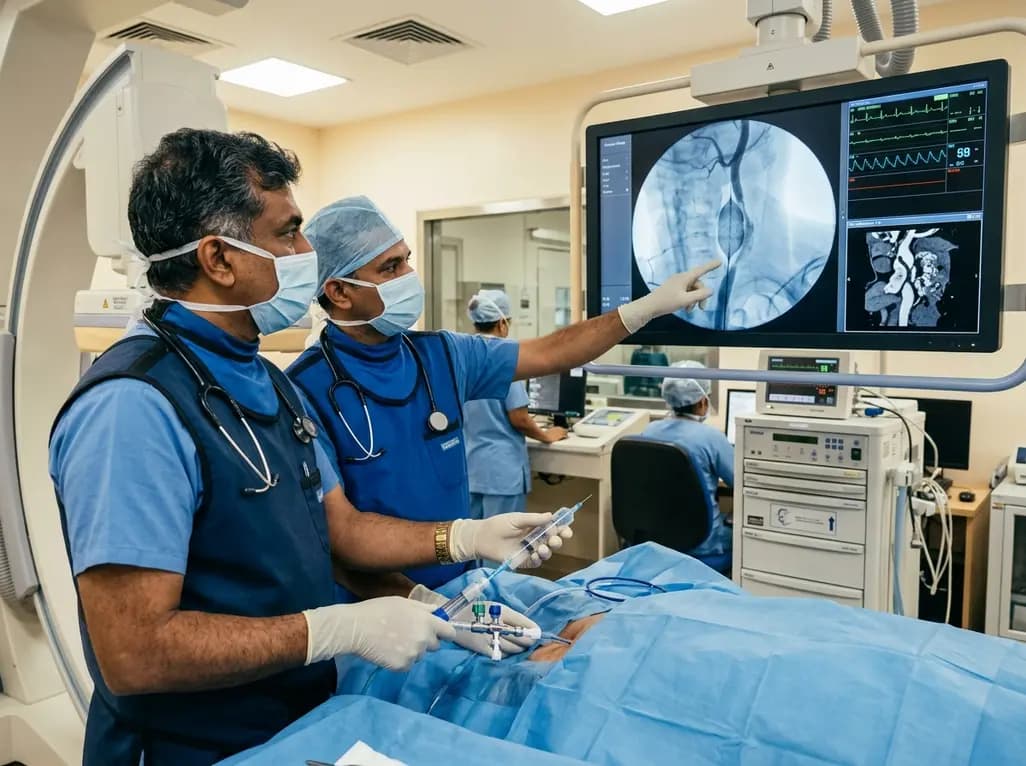
Discover how rescue cutting balloon angioplasty successfully modifies heavily calcified carotid stenosis, enabling stent delivery without baroreceptor instability and ensuring favorable long-term neurologic outcomes.
Today
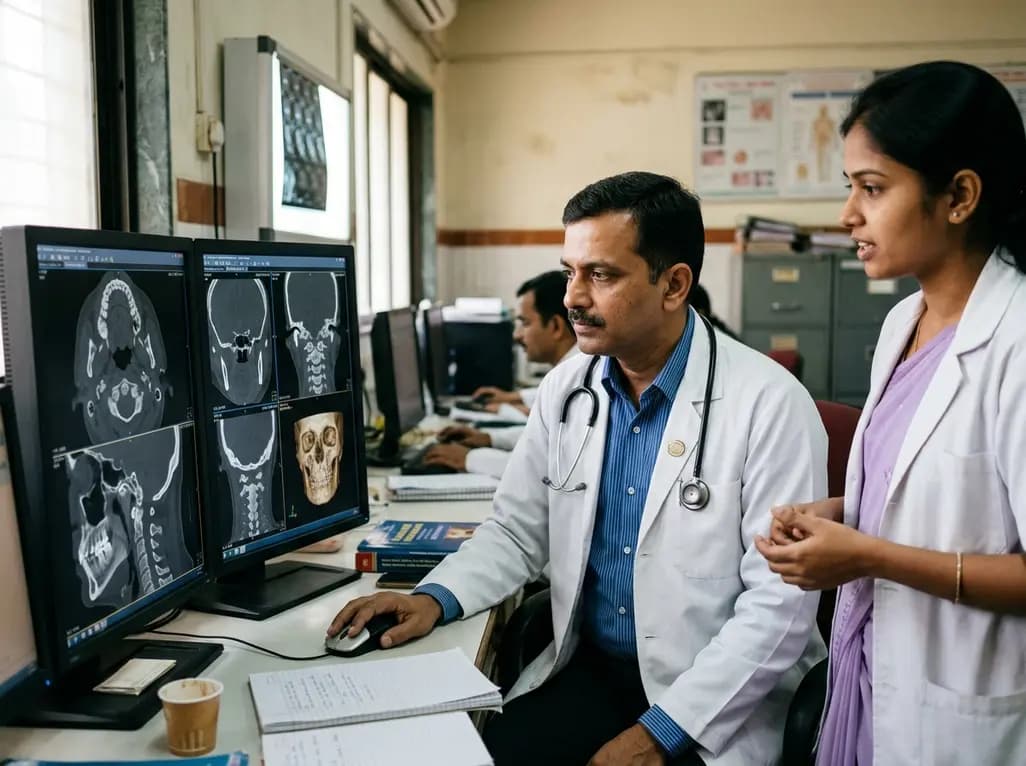
A retrospective CBCT study reveals that superior TMJ space asymmetry correlates moderately with occipital condyle-atlas-axis asymmetry in unilateral TMJ osteoarthritis, highlighting an imaging correlate between jaw biomechanics and upper cervical alignment rather than a standalone diagnostic marker.
Today
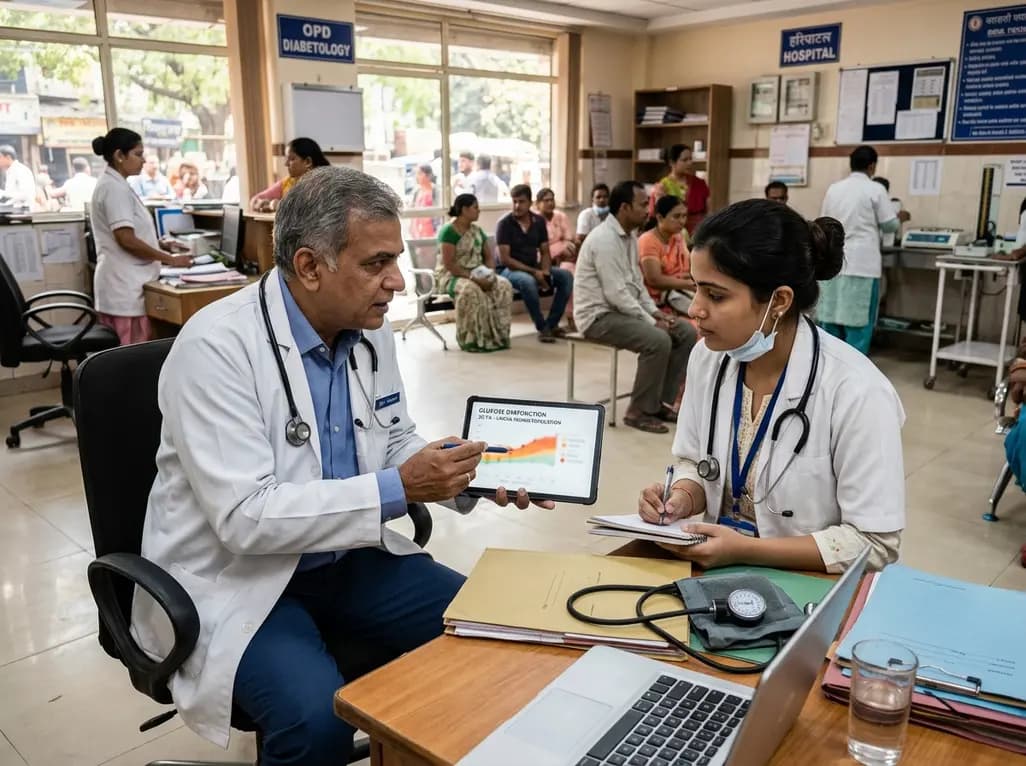
Data from the 2026 Workforce Health Index reveals that 38.7% of urban employees and dependents exhibit abnormal glycemic control. Emerging at increasingly younger ages, this metabolic shift intersects with severe vitamin deficiencies, highlighting the urgent need for early workplace screenings and targeted clinical care.
Today
