.webp&w=384&q=75)

Loading, please wait...
Loading, please wait...
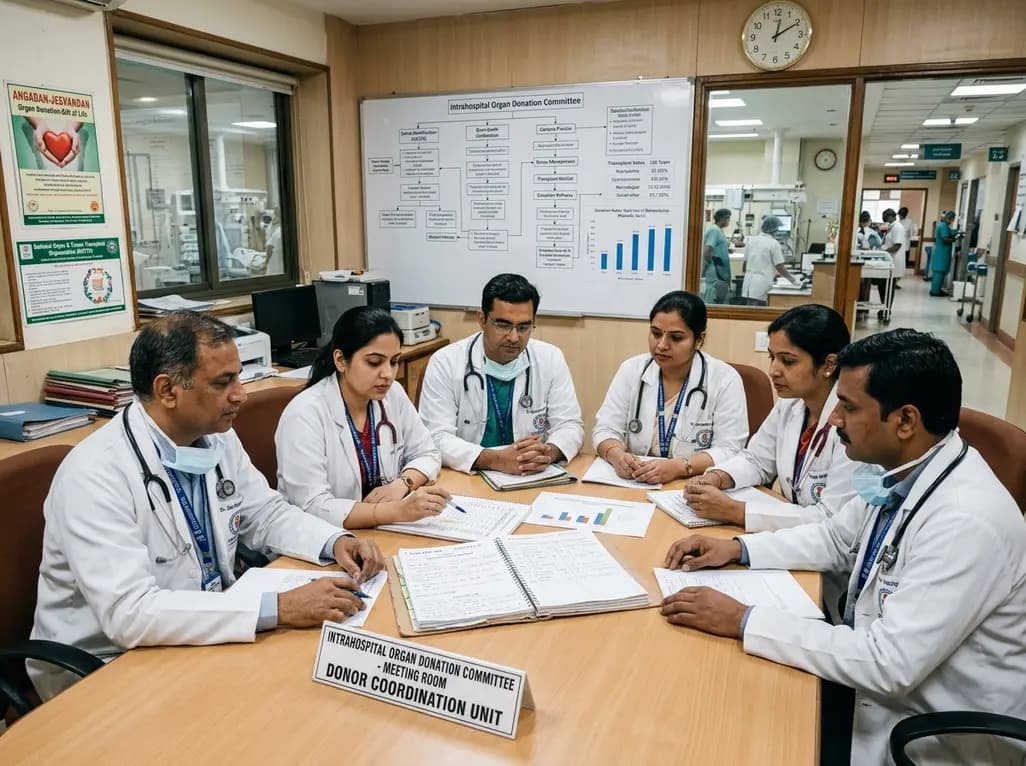
Organ transplantation remains one of the most transformative advances in contemporary medicine, yet organ shortage continues to compromise patient survival globally. Optimizing organ donation effectiveness requires systematic hospital-level interventions to identify potential deceased donors promptly, maintain physiological stability, and navigate family consent with compassionate expertise. A landmark five-year retrospective study from Rio de Janeiro evaluating data from 2020 through 2024 offers compelling clinical evidence regarding the structural drivers of transplant success. The investigation compared transplant performance across facilities categorized by their committee structure: institutions with exclusive Intrahospital Organ and Tissue Donation Committees for Transplants (CIHDOTT), centers with nonexclusive committees, and hospitals operating without structured donation committees. The findings demonstrate that dedicated, non-fragmented teams substantially increase donor conversion, reduce avoidable organ losses, and streamline critical care donor maintenance protocols.
Hospitalized patients with catastrophic brain injuries represent the primary pool of potential deceased organ donors. However, converting potential donors into actual donors demands timely neurological assessment, rigorous hemodynamic support, and clear communication with grieving families. In this retrospective analysis of secondary health data from the Rio de Janeiro State Transplant Center, researchers observed a pronounced disparity in performance metrics. Facilities equipped with exclusive CIHDOTT teams achieved an average organ donation effectiveness rate of 37.50%. In contrast, hospitals with nonexclusive committees reached only 25.60%, and centers lacking dedicated committees achieved 25.70%. Statistical testing via one-way ANOVA confirmed significant variance across these organizational models (F = 19.32). Consequently, post-hoc Tukey HSD analyses demonstrated that exclusively assigned donation personnel establish a superior care delivery model, whereas simply assigning donation responsibilities as secondary duties to overburdened general staff fails to generate meaningful improvements over having no committee at all.
Critical care units routinely encounter formidable barriers during the deceased organ donation pathway. Common hurdles include delayed declaration of brain death, rapid hemodynamic decompensation, unexpected cardiac arrest, and premature refusal from next of kin. Therefore, dedicated intrahospital teams operate as specialized clinical navigators who actively screen intensive care beds and emergency departments for patients exhibiting severe neurological devastation. Because exclusive teams do not juggle concurrent clinical duties, they can instantly initiate evidence-based donor maintenance bundles. These bundles preserve organ perfusion, correct diabetes insipidus through timely vasopressin administration, optimize ventilator parameters to prevent lung injury, and prevent hypothermia. Furthermore, full-time coordinators provide continuous, non-coercive emotional support to family members throughout the prognostic trajectory, which significantly mitigates psychological distress and builds trust prior to approaching the family for organ donation consent.
The lessons derived from this five-year analysis offer crucial guidance for healthcare administrators and national transplant authorities, including frameworks like India's National Organ and Tissue Transplant Organisation (NOTTO). The data indicate that organizational structure dictates clinical success. Specifically, binary logistic regression modeling revealed that hospitals with dedicated transplant teams were significantly more likely to achieve successful organ retrieval than non-dedicated centers. Consequently, transplant systems must prioritize institutional investments into full-time, protected positions for donor coordinators, transplant nurses, and specialized intensivists. Establishing permanent intrahospital donation teams creates sustainable institutional memory, standardizes brain death certification workflows, and establishes rapid liaison with regional procurement organizations. Ultimately, structured administrative commitment transforms organ procurement from an ad-hoc emergency into a coordinated, predictable, and highly efficient hospital-wide pathway.
Beyond increasing family authorization rates, dedicated donation teams play an essential role in maximizing the yield and quality of transplantable solid organs. When donor management falls to general intensive care personnel, physiological instability often leads to progressive end-organ damage or sudden cardiovascular collapse. In contrast, exclusive donation coordinators implement structured algorithmic protocols targeting strict physiological endpoints. These include maintaining a mean arterial pressure above 65 mmHg, ensuring normoglycemia, preserving protective lung ventilation, and administering hormone replacement therapies when indicated. By aggressively preventing secondary warm ischemia and systemic inflammatory surges, intrahospital committees safeguard graft viability for kidneys, liver, heart, and lungs. Therefore, exclusive organizational oversight improves not only the quantity of consented donors but also the post-transplant graft survival outcomes for recipient patients awaiting life-saving surgery.
Clinicians managing neurocritical emergencies and severe trauma must recognize that proactive donor identification aligns directly with high-quality end-of-life care. When clinical management transitions from curative neurocritical care to organ donation pathways, rapid mobilization of specialized donation personnel protects both patient dignity and organ viability. Establishing clear internal notification triggers, such as a Glasgow Coma Scale score below five with loss of brainstem reflexes, ensures zero missed opportunities for potential donation. Furthermore, routine clinical audits and multidisciplinary mortality reviews help hospital leadership identify protocol bottlenecks, refine family communication strategies, and cultivate an institutional culture that embraces organ donation as an essential component of comprehensive healthcare delivery.
An exclusive intrahospital organ donation committee consists of healthcare professionals, such as transplant coordinators, critical care physicians, and specialized nurses, whose sole professional responsibility is donor identification, physiological donor maintenance, family counseling, and procurement logistics, completely free from competing bedside clinical duties in the hospital.
Nonexclusive committees assign organ procurement and donor tracking responsibilities to clinicians who concurrently manage acute, critically ill patients. Consequently, time constraints, high clinical workloads, and administrative burdens frequently lead to delayed brain death declarations, suboptimal donor resuscitation, missed donor opportunities, and rushed family communication.
Dedicated teams rapidly execute standardized physiological donor management protocols. They continuously monitor hemodynamic targets, correct endocrine abnormalities such as diabetes insipidus, implement protective lung ventilation strategies, and prevent hypothermia. This meticulous intensive care maintenance prevents premature cardiac arrest and minimizes ischemic injury to transplantable organs.
Disclaimer: This content is for informational and educational purposes only, and does not substitute professional medical advice, diagnosis, or treatment. Healthcare professionals should rely on their clinical judgment and verify details independently. Refer to the latest local and national guidelines for clinical practice.
References
1. da Cruz LGTD et al. Association Between Exclusive Intrahospital Organ Donation Committees and Donation Effectiveness in Rio de Janeiro, Brazil: A 5-Year Retrospective Study. Transplant Proc. 2026 Aug 21. doi: undefined. PMID: 42629276.
2. World Health Organization. Global Glossary of Terms and Definitions on Donation and Transplantation. Geneva: WHO; 2021.
3. National Organ and Tissue Transplant Organisation (NOTTO). Standard Operating Procedures for Deceased Organ and Tissue Donation. Ministry of Health and Family Welfare, Government of India; 2023.
4. Kotloff RM, Blosser S, Fulda GJ, et al. Management of the Potential Organ Donor in the ICU: Society of Critical Care Medicine/American College of Chest Physicians/Association of Organ Procurement Organizations Consensus Statement. Crit Care Med. 2015;43(6):1291-1325.

Read summarized clinical updates, watch expert medical content, and earn CME certifications right from your smartphone.
Open your smartphone camera to scan and install.





A 5-year study demonstrates that hospital units with exclusive intrahospital organ donation committees achieve significantly higher organ donation effectiveness and donor conversion rates compared to nonexclusive models.
last month

The phase II DAPA-AIC trial demonstrates that dapagliflozin 10 mg daily significantly preserves left ventricular ejection fraction compared to placebo over four months in adults undergoing anthracycline chemotherapy, highlighting a potential preventive strategy in cardio-oncology.
Today
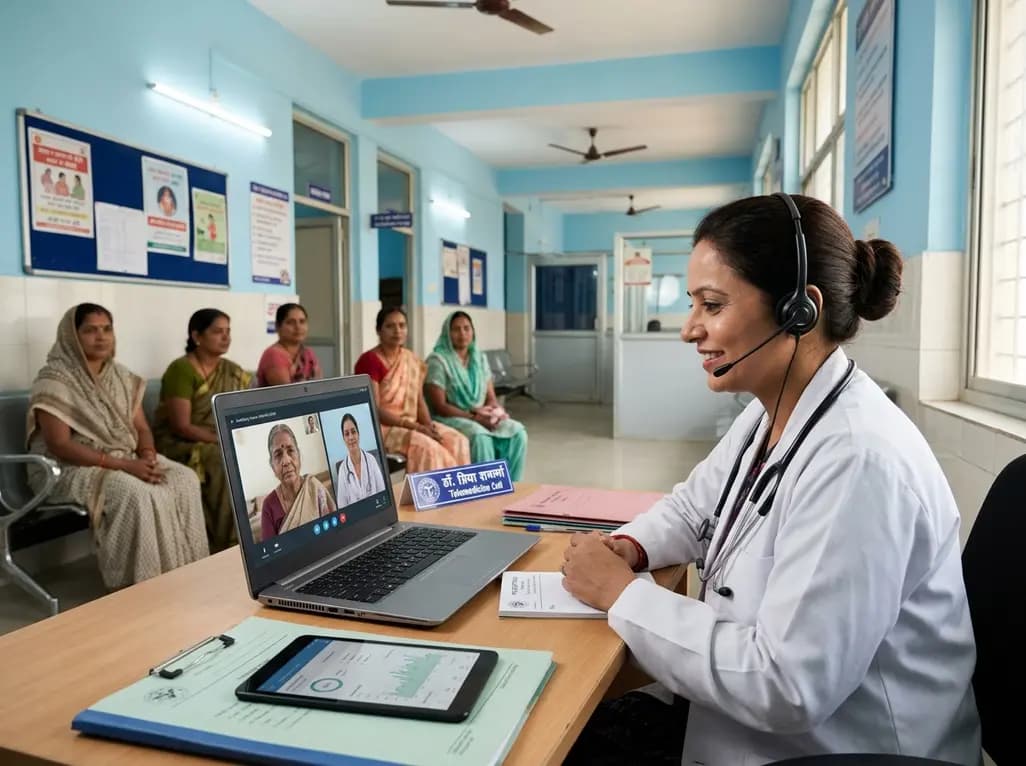
India's national digital health service achieved a historic milestone of fifty crore virtual consultations. Notably, female patients account for over fifty-seven percent of utilisation, demonstrating improved healthcare accessibility for remote communities, chronic disease management, and primary triage.
Today
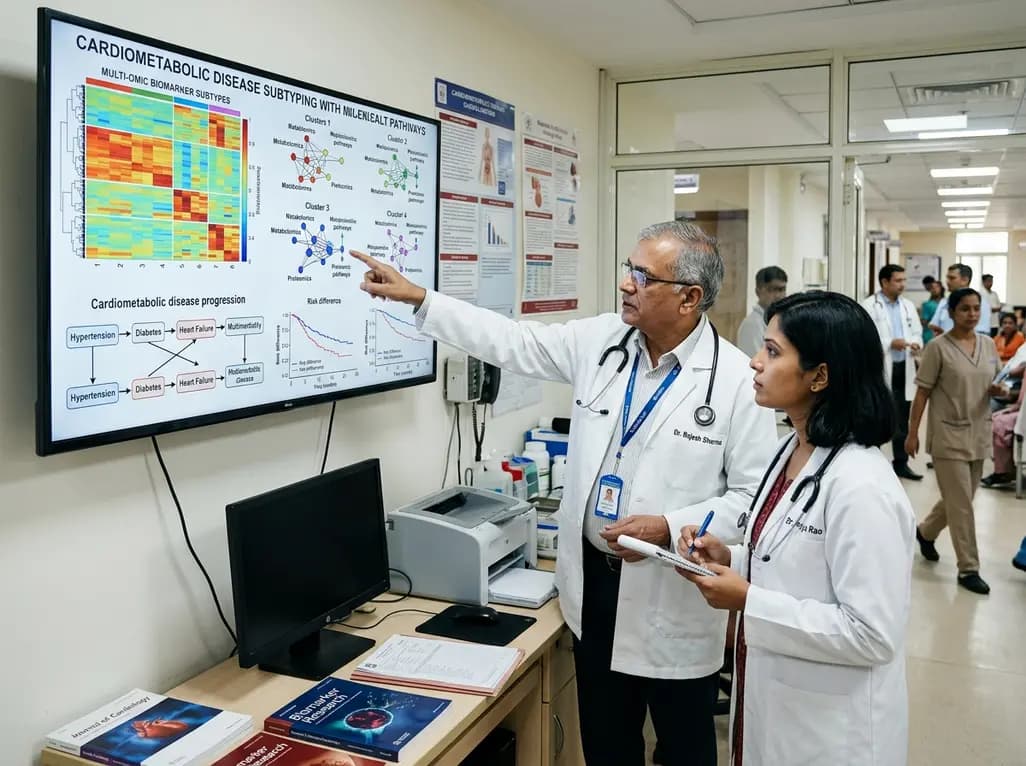
A large UK Biobank study identified four routine biomarker subtypes that predict cardiometabolic disease progression to multimorbidity. Integrating multi-state modelling, metabolomics, and proteomics revealed distinct biological pathways, offering new avenues for tailored clinical risk stratification.
Today
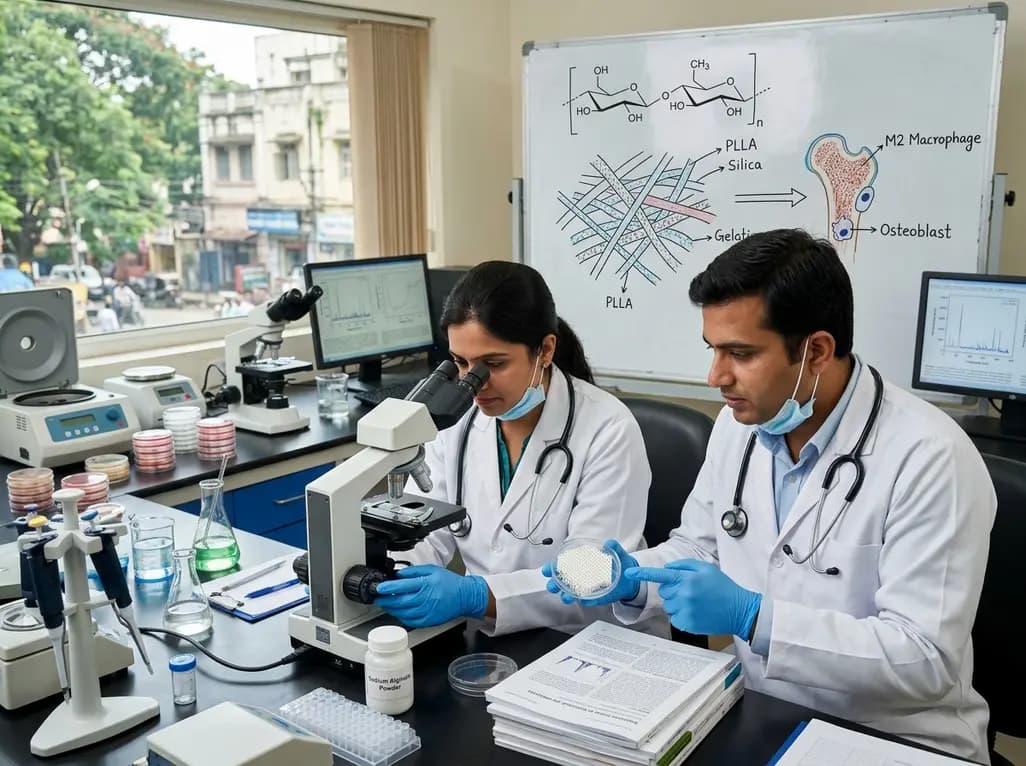
Dual-nanofiber interpenetrating network scaffolds combining silica and PLLA/gelatin nanofibers with sodium alginate achieve complementary mechanical stability, immunomodulatory M2 macrophage polarization, and enhanced osteogenesis for advanced bone repair.
Today
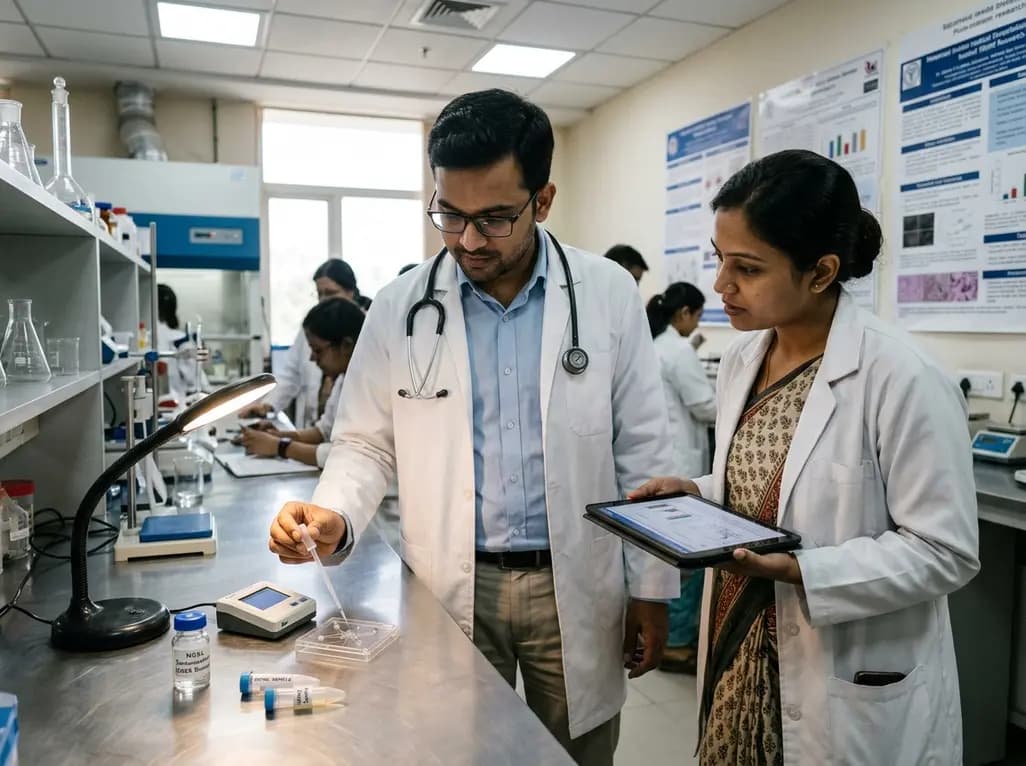
Researchers at IISER Berhampur have engineered a covalent organic framework immunosensor that detects urinary NGAL. This novel nanotechnology platform distinguishes diabetic nephropathy from other renal conditions, enabling rapid, minimally invasive stratification and earlier clinical intervention for patients.
Today
