.webp&w=384&q=75)

Loading, please wait...
Loading, please wait...
Effective acquired brain injury rehabilitation demands seamless communication between clinicians, therapists, patients, and families. Acquired brain injuries, encompassing stroke, traumatic insults, and anoxic events, frequently disrupt cognitive and physical faculties. Consequently, clinical teams rely on detailed verbal exchanges to evaluate deficits, set goals, and implement recovery protocols. However, linguistic discordance often creates substantial hurdles in inpatient neurorehabilitation units. A comprehensive Swedish registry-based cohort study investigated how interpreter dependency influences functional outcomes and care delivery across comprehensive inpatient settings. The investigators evaluated records from 13,900 patients treated between 2008 and 2020. Among these individuals, 391 patients required language interpreters, whereas 13,509 spoke the primary language proficiently. The researchers analyzed crucial recovery metrics, including functional independence, overall length of hospital stay, medical complications, and patient-reported experience measures. Furthermore, they tracked whether teams established formalized rehabilitation plans for every admitted individual. Understanding these structural patterns allows medical specialists to identify systemic barriers and design equitable care pathways.
Upon initial hospital admission, interpreter-dependent patients presented with markedly lower functional independence scores than their linguistic peers. Moreover, these disparities persisted after statistical adjustment for major demographic and clinical confounders. Clinicians commonly use standardized functional assessments to determine baseline motor and cognitive performance. Therefore, lower baseline scores indicate that non-native speakers often arrive at specialized rehabilitation centers with more severe functional limitations. Several socioeconomic and systemic mechanisms likely drive this initial disparity. For instance, language barriers during acute trauma care or acute stroke management can delay clinical triage. Additionally, limited health literacy or unfamiliarity with local healthcare pathways might impede prompt medical presentations. In contrast, hospital length of stay did not differ significantly between the two patient cohorts. Similarly, both groups experienced comparable rates of secondary medical complications during their inpatient stays. Consequently, inpatient rehabilitation units provided equal medical surveillance, yet baseline functional inequalities remained prominent throughout the continuum.
Although interpreter-dependent patients entered rehabilitation with lower baseline function, they achieved meaningful functional gains during their inpatient stay. Specifically, the rate and magnitude of functional improvement between admission and discharge matched the progress of independent speakers. This critical finding demonstrates that targeted therapeutic exercises stimulate neural recovery regardless of language background. Nevertheless, discharge scores reflected the initial gap, leaving interpreter-dependent individuals with lower absolute independence upon release. In addition, patients requiring interpreters reported significantly poorer health-related quality of life and lower self-perceived health at both time points. These self-reported deficits highlight persistent emotional, cognitive, and social burdens. While physical therapies rebuild motor abilities effectively, holistic recovery requires deep emotional and psychosocial support. Therefore, rehabilitation specialists must provide culturally adapted psychological care to support long-term well-being. Multidisciplinary teams must actively recognize that equivalent functional gains do not automatically produce equivalent overall quality of life.
The registry investigation uncovered a stark procedural disparity regarding patient-reported experience measures. Inpatient teams systematically established individualized rehabilitation plans for both cohorts at equal rates. Thus, clinicians formulated care goals irrespective of the patient language background. However, interpreter-dependent individuals were significantly less likely to complete patient-reported experience measures. Furthermore, this inequity persisted after rigorous multivariable adjustment for clinical covariates. Patient-reported surveys offer vital insights into care satisfaction, emotional security, and perceived dignity. When hospitals fail to administer translated surveys, they silence vulnerable patient voices. Consequently, clinical administrators miss critical opportunities to identify communication gaps and refine inpatient rehabilitation services. This deficit underscores systemic logistical barriers in cross-cultural communication. Translation services frequently focus exclusively on immediate acute clinical tasks rather than routine feedback mechanisms. Therefore, healthcare systems must integrate multilingual feedback collection to guarantee comprehensive accountability and patient-centered evaluation across all demographics.
These registry findings carry profound practical implications for neurologists, physiatrists, and allied rehabilitation specialists worldwide. First, clinicians must recognize that language discordance often masks true cognitive capabilities and acute medical needs. In multilingual nations like India, regional linguistic variations and internal migration frequently generate substantial communication barriers. Therefore, medical teams must prioritize certified professional interpreters during both acute triage and daily rehabilitation sessions. Relying on untrained family members can cause critical diagnostic misinterpretations and emotional distress. Additionally, physical and occupational therapists should incorporate visual demonstration tools and culturally validated assessment batteries into routine sessions. Multidisciplinary teams must also coordinate closely with social workers to plan post-discharge community reintegration. Because lower discharge independence increases caregiver burden, families need structured training in their native language before discharge. Ultimately, dismantling communication barriers promotes equitable neurological recovery, ensures patient safety, and enhances functional independence for diverse populations.
Bridging the transitional gap between inpatient rehabilitation and home-based recovery requires proactive systemic strategies. Health systems must establish structured outpatient follow-up protocols that accommodate non-native speakers. For example, telehealth follow-up visits with integrated professional interpreter services can verify medication adherence and monitor ongoing exercises. Furthermore, community health workers who speak local dialects can provide valuable home visits to reinforce therapeutic goals. Clinicians should also supply discharge summaries and medication instructions in the primary language of the patient. In addition, peer support groups that reflect diverse cultural backgrounds help alleviate the isolation that frequently accompanies acquired brain injury. Healthcare leaders must allocate administrative resources to recruit multilingual rehabilitation staff and provide cultural competency training for all personnel. By addressing post-discharge vulnerabilities early, rehabilitation teams can sustain functional gains and prevent avoidable hospital readmissions. Ultimately, equitable recovery depends on sustained support throughout the lifelong journey of neurorehabilitation.
Interpreter-dependent individuals often encounter significant communication barriers during the early acute phases of medical care. These linguistic hurdles can cause delays in emergent diagnosis, clinical triage, and immediate therapeutic mobilization. Additionally, socioeconomic disparities and limited health literacy may impede timely presentation to tertiary medical centers. Consequently, these vulnerable patients frequently arrive at specialized neurorehabilitation units with higher initial impairment and greater functional deficits compared to native-speaking individuals.
Current registry evidence indicates that interpreter dependency does not diminish the overall rate of functional recovery during inpatient stays. When multidisciplinary teams deliver structured physical and occupational therapies, patients achieve functional gains comparable to native speakers. However, because interpreter-dependent individuals start with substantially lower baseline function, their absolute functional independence at discharge remains lower. Therefore, early intervention is critical to close this enduring recovery gap.
Hospitals frequently fail to administer patient-reported surveys to non-native speakers due to significant administrative and logistical barriers. Standardized questionnaires are rarely available in diverse languages, and clinical facilities often reserve professional interpreters strictly for direct medical interventions. Consequently, staff members bypass routine experience evaluations for non-proficient speakers. This systematic omission prevents clinical administrators from identifying crucial care deficiencies and restricts patient-centered service improvements across linguistically diverse cohorts.
Disclaimer: This content is for informational and educational purposes only and should not be considered medical advice. Always consult with a qualified healthcare professional before making any changes to your health, treatment, or lifestyle. The opinions expressed here are those of the authors and do not necessarily reflect the official policy or position of any medical institution or regulatory body. Refer to the latest local and national guidelines for clinical practice.
References

Read summarized clinical updates, watch expert medical content, and earn CME certifications right from your smartphone.
Open your smartphone camera to scan and install.





A Swedish registry study of 13,900 patients reveals that interpreter-dependent individuals with acquired brain injury face lower baseline functional independence and poorer quality of life, alongside reduced access to patient experience surveys, despite achieving comparable functional gains during inpatient care.
Today
A fresh Gavi analysis shows next-generation tuberculosis vaccines rolling out from 2029 could save 7.3 million lives and yield $135 billion in economic gains by 2050. Achieving this clinical milestone requires addressing domestic financing gaps, building manufacturing capacity, and ensuring affordable access.
Today
A comprehensive meta-analysis of over 278,000 women demonstrates that maternal atopic dermatitis significantly increases risks of premature rupture of membranes and low birth weight. Discover essential clinical insights on disease mechanisms, serial antenatal growth monitoring, and safe therapeutic interventions.
Today
Over 60 international public health researchers have advised FSSAI to mandate front-of-pack warning labels for any packaged product high in even one critical nutrient: sugar, saturated fat, or sodium. This reform counters phased rollouts to accelerate consumer protection and address India's chronic disease burden.
Today
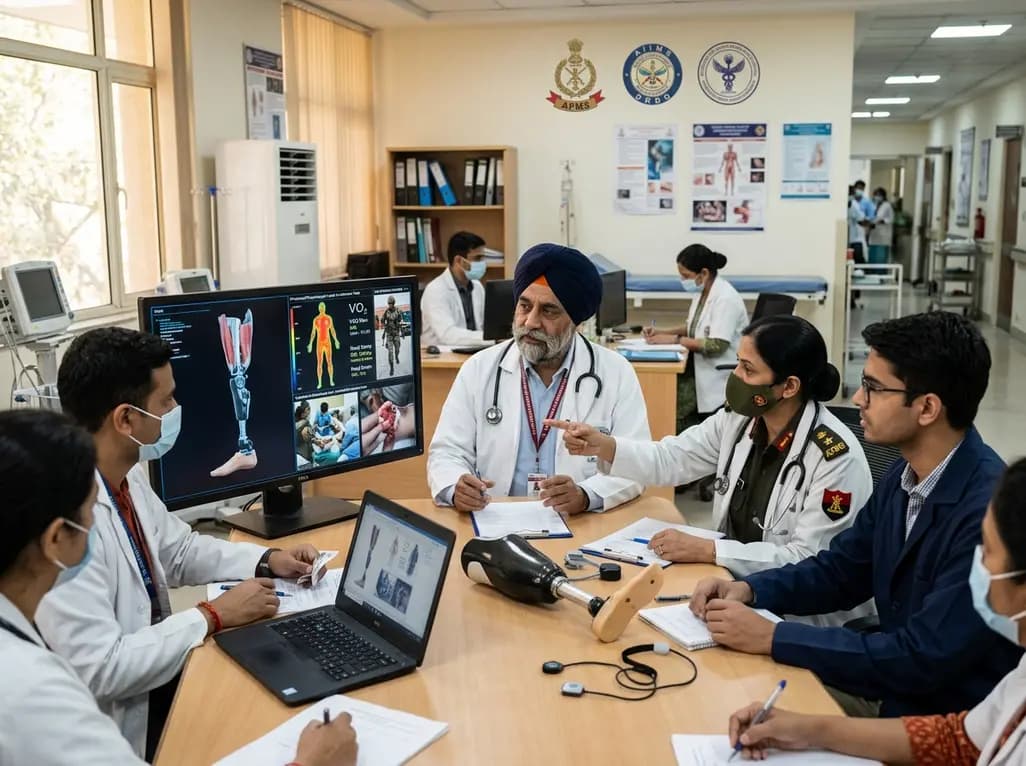
India's premier scientific bodies have joined the Armed Forces Medical Services to solve unique physiological and operational challenges faced by soldiers. The national collaboration covers combat casualty care, artificial intelligence diagnostics, bionic prosthetics, and extreme-environment physiological resilience.
Today
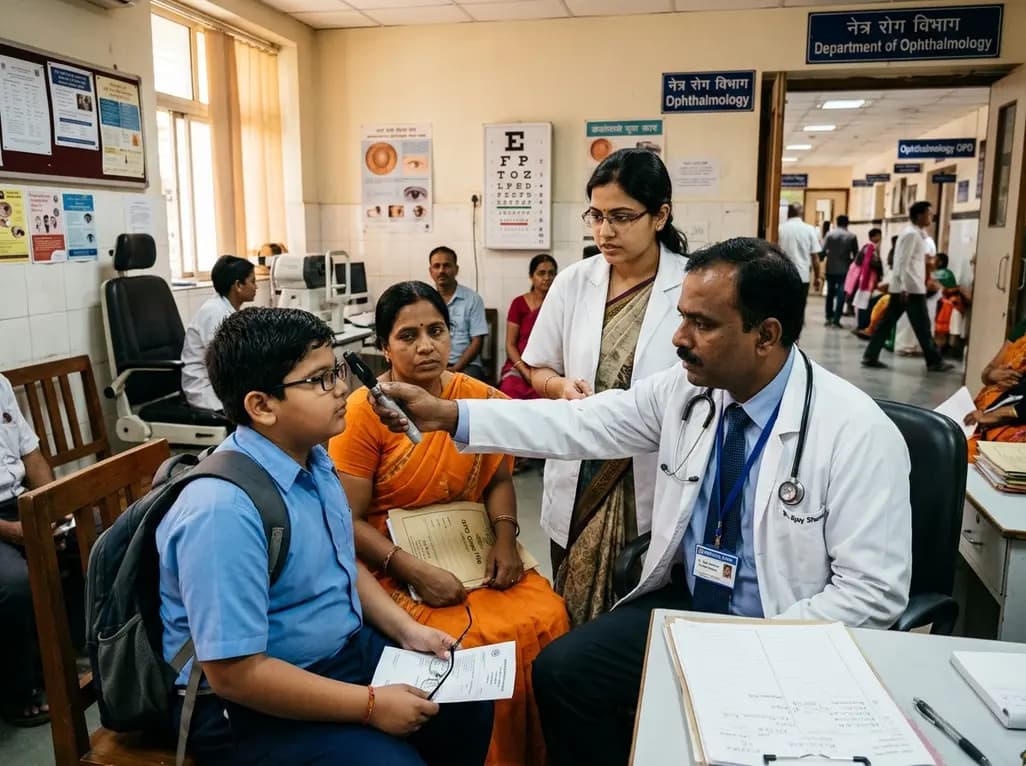
A cross-sectional study reveals that elevated METS-IR is independently associated with higher myopia odds in adolescents, showing biological synergy with obesity and highlighting the need for metabolic screening in pediatric eye care.
Yesterday
