.webp&w=384&q=75)

Loading, please wait...
Loading, please wait...
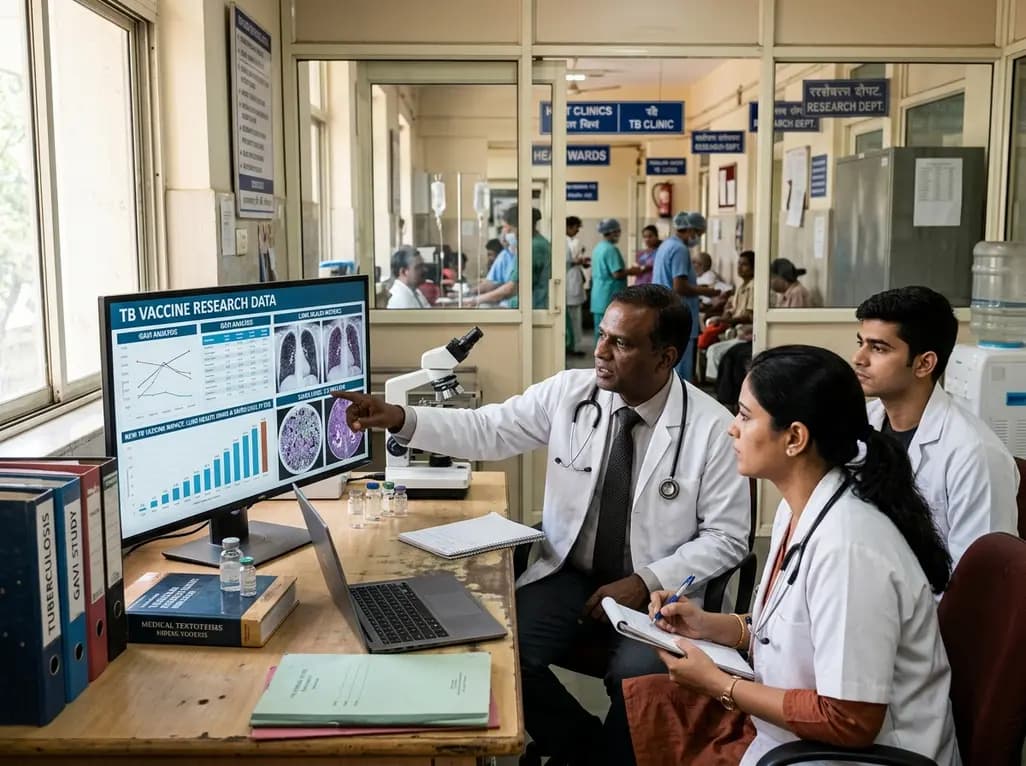
Tuberculosis remains the world's deadliest infectious killer, claiming an estimated 1.23 million lives in 2024 alone. However, an encouraging paradigm shift is now emerging on the global horizon. A landmark analysis from Gavi underscores that novel TB vaccines rolling out from 2029 could avert 7.3 million deaths by 2050. Furthermore, these immunisations could unlock substantial economic dividends for low- and middle-income nations. Achieving these transformative clinical goals requires decisive global preparation today. Consequently, healthcare providers and policymakers must understand how these tools will reshape preventive respiratory care.
For more than a century, clinicians have relied on the Bacille Calmette-Guérin vaccine to shield vulnerable populations. Discovered in 1921, BCG has saved countless lives among neonates and young pediatric patients. Specifically, it provides robust protection against catastrophic extrapulmonary complications, such as miliary dissemination and tuberculous meningitis. Nevertheless, the protective immunity conferred by BCG wanes dramatically as individuals mature into adolescence. Consequently, it fails to protect adolescents and adults against pulmonary disease effectively.
This immunologic shortcoming creates a massive vulnerability in global public health control. Adolescents and adults account for more than 85 percent of all pulmonary tuberculosis transmissions. When infected individuals cough, they spread Mycobacterium tuberculosis aerosols to household contacts. Because BCG does not prevent cavitary pulmonary reactivation, the pathogen continues to circulate unabated. Moreover, natural reinfection remains common in high-incidence settings despite universal neonatal vaccination. Thus, public health authorities cannot eliminate tuberculosis through neonatal BCG administration alone. Without interrupting transmission among older cohorts, the global epidemic will endure indefinitely. In response, international researchers have spent decades engineering novel platforms tailored specifically for adult immune systems.
To overcome these immunological hurdles, researchers have advanced a diverse pipeline of novel TB vaccines through clinical trials. Currently, multiple candidate formulations demonstrate promising immunogenicity in mid-to-late stage clinical evaluation. The foremost frontrunner among these candidates is M72/AS01E, an adjuvanted subunit protein vaccine. Specifically, M72/AS01E combines two immunogenic recombinant mycobacterial antigens with an innovative liposomal adjuvant system. This platform stimulates robust antigen-specific CD4+ T-cell responses and promotes persistent interferon-gamma production.
In preliminary trials, this candidate demonstrated approximately 50 percent protective efficacy against active pulmonary tuberculosis. Meanwhile, alternative candidates explore diverse platforms, including attenuated live mycobacterial vectors like MTBVAC and viral vectored formulations. Unlike traditional live-attenuated strains, MTBVAC preserves key human pathogen epitopes, offering broader antigen presentation. Furthermore, therapeutic vaccines are advancing to augment antimicrobial cure rates and shorten standard treatment durations. Consequently, these candidate formulations do not merely seek to prevent initial bacterial colonization. Instead, they aim to boost mucosal defense and halt progression from latent bacilli to destructive cavitary lesions. Ultimately, successful licensure of these platforms will inaugurate an unprecedented era in preventive pulmonary medicine.
The deployment of next-generation immunisations promises sweeping epidemiological and socioeconomic transformations. According to recent Gavi projections, introducing these vaccines from 2029 onward could avert up to 7.3 million deaths by 2050. Furthermore, mathematical models estimate that adolescent vaccination schedules could prevent tens of millions of symptomatic infections. By curbing transmission at the population level, these tools will relieve immense pressure on overwhelmed primary clinics.
Beyond immediate survival gains, the economic return on investment appears equally staggering. Gavi calculates that novel immunisations could generate up to 135 billion dollars in economic gains across developing nations. Notably, tuberculosis predominantly strikes young, economically active adults during their peak wage-earning years. Therefore, disabling illness causes severe household impoverishment, catastrophic healthcare expenses, and prolonged loss of income. Moreover, protecting family breadwinners preserves educational opportunities and nutritional security for dependent children. In addition, uncontrolled tuberculosis fuels the escalating global crisis of antimicrobial resistance. Treating multi-drug resistant strains costs thousands of dollars per patient and exhausts municipal healthcare budgets. By preventing bacterial multiplication, next-generation immunisations will diminish reliance on toxic second-line antibiotic regimens. Ultimately, widespread immunisation protects human capital, safeguards family finances, and accelerates macroeconomic stability across endemic regions.
Despite monumental scientific progress, historical precedents illustrate that breakthrough biotechnologies frequently encounter severe distribution bottlenecks. Indeed, Gavi warns that candidate approval does not automatically guarantee prompt bedside availability. Early market analysis reveals that demand across developing economies may average 85 million vaccination courses annually. In initial rollout phases, demand could spike even higher as countries organize multi-cohort catch-up campaigns. Therefore, global stakeholders must address severe supply and financing risks before final regulatory authorizations arrive.
Without commercial visibility, pharmaceutical manufacturers hesitate to invest hundreds of millions in dedicated manufacturing plants. To preempt this market failure, global health alliances are deploying innovative market-shaping roadmaps. For instance, recent manufacturing agreements with major production hubs, including the Serum Institute of India, represent critical milestones. Such partnerships guarantee affordable large-scale production while diversifying regional supply chains across developing continents. In fact, establishing robust cold-chain logistics well ahead of distribution will prevent costly vaccine spoilage. Furthermore, multilateral institutions are securing advance purchase commitments to reassure commercial producers regarding procurement volumes. In addition, national finance ministries must allocate sustainable domestic budgets rather than relying solely on external grants. Consequently, proactive investments today will eliminate tragic distribution delays tomorrow, ensuring equitable access for all communities.
For nations bearing heavy tuberculosis burdens, such as India, Indonesia, and South Africa, new vaccines represent indispensable tools. India alone carries more than a quarter of the total global tuberculosis disease load. Under the National Tuberculosis Elimination Program, India has expanded molecular diagnostics, nutritional support, and active screening. However, epidemiological forecasts confirm that programmatic detection and chemotherapy alone cannot extinguish endemic transmission. The clinical community urgently requires an efficacious immunologic intervention to shield vulnerable adolescents and adults permanently.
Therefore, primary care physicians and pulmonologists must prepare for widespread adult immunization protocols. Clinicians will need to address vaccine hesitancy, communicate protective benefits, and monitor post-licensure safety profiles. Moreover, routine immunisation will protect vulnerable healthcare workers who face continuous exposure in outpatient departments and inpatient wards. Furthermore, health authorities must integrate adult vaccination into existing healthcare networks without overwhelming clinic staff. In addition, practitioners must recognize that prophylactic vaccination will complement, rather than replace, established diagnostic algorithms. By combining rapid case detection with population-level immunisation, high-burden nations can finally interrupt generational chains of transmission. Ultimately, this integrated strategy provides the only viable roadmap to fulfill the World Health Organization End TB targets.
Q1: Why is a new tuberculosis vaccine necessary when the BCG vaccine already exists?
Although the BCG vaccine protects against severe childhood forms like tuberculous meningitis, its protective efficacy wanes substantially during adolescence. Furthermore, BCG provides inconsistent defense against adult pulmonary tuberculosis, which drives the vast majority of community transmissions worldwide. Therefore, introducing next-generation candidates that elicit durable cell-mediated immunity in adolescents and adults remains essential to interrupt transmission cycles. Consequently, these innovative tools will dramatically lower global mortality.
Q2: What is the current developmental status of leading vaccine candidates like M72/AS01E?
Currently, the M72/AS01E candidate is undergoing rigorous phase 3 clinical evaluation across diverse populations in Africa and Asia. The trial evaluates efficacy in preventing pulmonary tuberculosis among adolescents and adults, including individuals living with latent infection and HIV. Additionally, licensing agreements with large-scale producers, including the Serum Institute of India, aim to ensure rapid manufacturing scale-up. As a result, commercial batches will become available once regulatory approvals arrive near 2029.
Q3: How do health agencies plan to finance and distribute novel tuberculosis vaccines equitably?
Global health partnerships, led by Gavi and the World Health Organization, are establishing early market-shaping roadmaps to address procurement risks. Consequently, these frameworks combine donor financing, domestic health budget commitments, and advance purchase agreements to secure predictable volume demand. In addition, encouraging regional manufacturing networks will minimize distribution costs and safeguard supply resilience. Ultimately, these collaborative financing mechanisms will ensure that high-burden, lower-income nations receive prompt, affordable vaccine access.
Disclaimer: This content is for informational and educational purposes only. It does not constitute medical advice or replace professional judgment. Refer to the latest local and national guidelines for clinical practice.
References

Read summarized clinical updates, watch expert medical content, and earn CME certifications right from your smartphone.
Open your smartphone camera to scan and install.





A fresh Gavi analysis shows next-generation tuberculosis vaccines rolling out from 2029 could save 7.3 million lives and yield $135 billion in economic gains by 2050. Achieving this clinical milestone requires addressing domestic financing gaps, building manufacturing capacity, and ensuring affordable access.
Today
A comprehensive meta-analysis of over 278,000 women demonstrates that maternal atopic dermatitis significantly increases risks of premature rupture of membranes and low birth weight. Discover essential clinical insights on disease mechanisms, serial antenatal growth monitoring, and safe therapeutic interventions.
Today
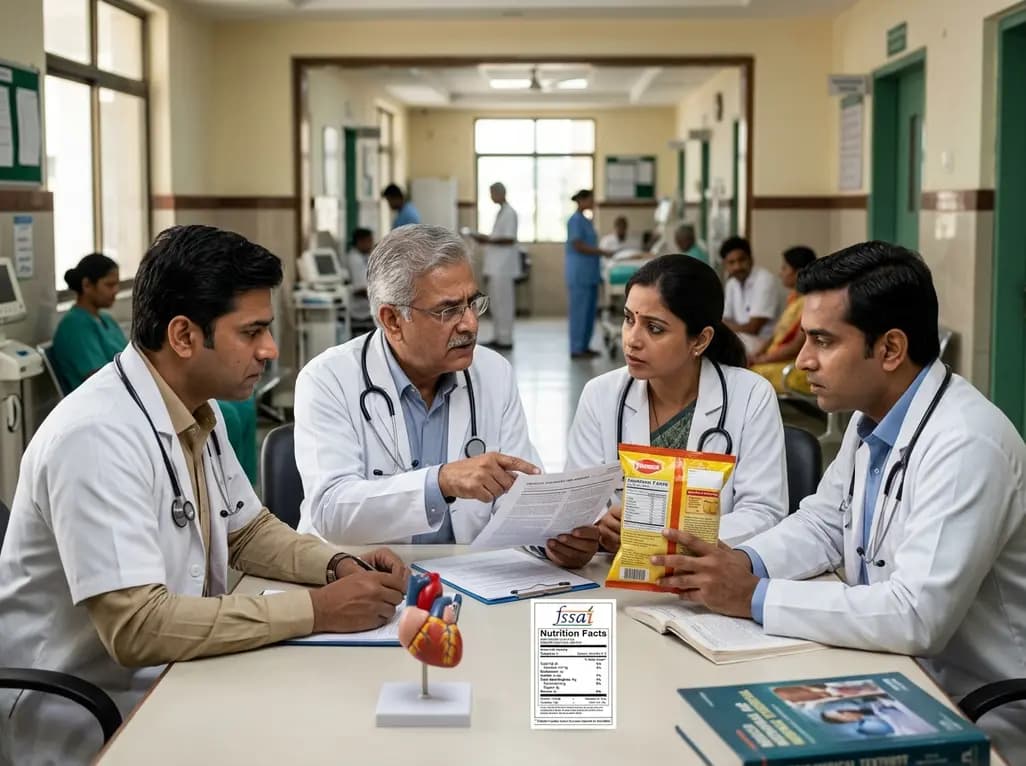
Over 60 international public health researchers have advised FSSAI to mandate front-of-pack warning labels for any packaged product high in even one critical nutrient: sugar, saturated fat, or sodium. This reform counters phased rollouts to accelerate consumer protection and address India's chronic disease burden.
Today
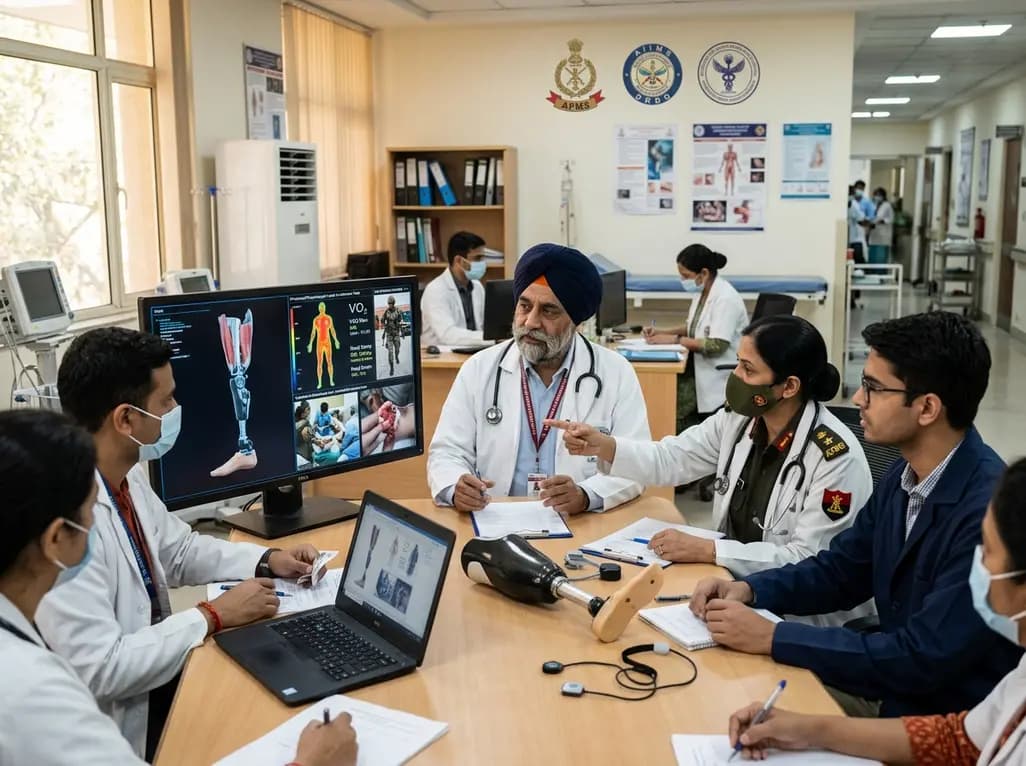
India's premier scientific bodies have joined the Armed Forces Medical Services to solve unique physiological and operational challenges faced by soldiers. The national collaboration covers combat casualty care, artificial intelligence diagnostics, bionic prosthetics, and extreme-environment physiological resilience.
Today
A cross-sectional study reveals that elevated METS-IR is independently associated with higher myopia odds in adolescents, showing biological synergy with obesity and highlighting the need for metabolic screening in pediatric eye care.
Yesterday
