

Loading, please wait...
Loading, please wait...

MedGenome recently announced its majority stake acquisition in Mumbai-based Medcare Management Services. Consequently, this strategic move significantly advances integrated diagnostics in India. By merging genomics with advanced radiology, the companies aim to offer a more comprehensive approach to patient care. Furthermore, clinicians can expect improved disease stratification and earlier detection through this multi-omics model.
Founded in 2012, Medcare operates four major imaging centers across Mumbai and Navi Mumbai. Specifically, these facilities provide PET-CT, mammography, and nuclear medicine scans. Moreover, the company has established a strong referral network of over 50 hospitals. MedGenome plans to leverage this extensive reach to scale its technology-enabled services. Therefore, this partnership will bridge the gap between genomic science and clinical imaging.
Nuclear medicine plays a vital role in oncology, cardiology, and neurology. Specifically, PET-CT imaging provides critical data for therapy planning and disease monitoring. When clinicians complement these scans with genomic testing, they can guide targeted treatments more effectively. Additionally, the collaboration focuses on making precision medicine affordable and accessible across the country. Ultimately, Novo Holdings supports this initiative to build a robust diagnostic ecosystem.
Q1: What is the primary goal of the MedGenome and Medcare partnership?
The partnership aims to create an integrated diagnostics platform by combining genomics, radiology, and pathology for earlier and more precise disease detection.
Q2: Where are Medcare's facilities located?
Medcare currently operates four integrated imaging centers in Chembur, Goregaon, Andheri, and Navi Mumbai.
Q3: How does nuclear medicine benefit oncology patients?
Nuclear medicine, particularly PET-CT imaging, helps in early cancer detection and guides personalized treatment planning when integrated with genomic insights.
Disclaimer: This content is for informational and educational purposes only. It does not constitute medical advice or replace professional judgment. Refer to the latest local and national guidelines for clinical practice.
References

Read summarized clinical updates, watch expert medical content, and earn CME certifications right from your smartphone.
Open your smartphone camera to scan and install.





MedGenome acquires a majority stake in Medcare Management Services to integrate genomics and advanced imaging for precision healthcare in western India....
7 months ago

Explore vital recurrent stroke predictors in lacunar stroke patients managed with intensive blood pressure lowering. This analysis examines trial findings from SPS3 to uncover residual vascular risks, metabolic factors, and targeted secondary prevention strategies for high-risk neurological patients.
Today
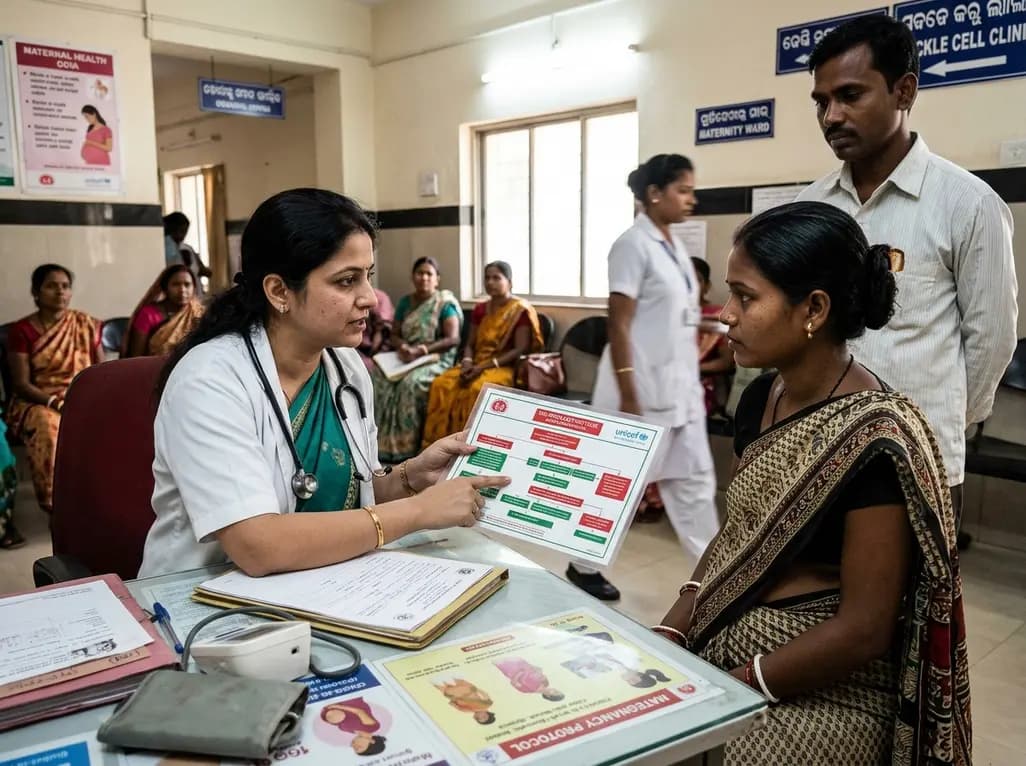
Odisha has established India's first state-level clinical protocol specifically tailored for pregnant women with sickle cell disease. Developed with NHM and UNICEF, the framework provides structured antenatal screening, crisis mitigation, standardized referral pathways, and specialized interdisciplinary care.
Today
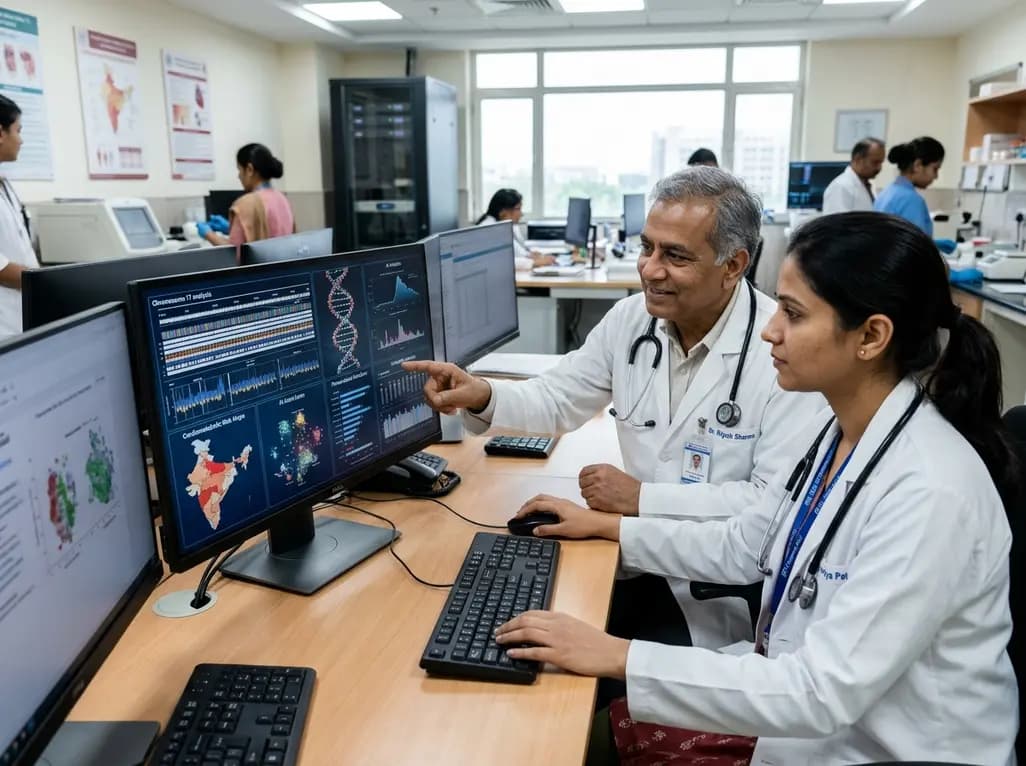
India is advancing preventive healthcare by integrating genomics, artificial intelligence, and quantum technologies. With the SANGAM programme sequencing one million Indian genomes, clinicians can unlock personalized therapies, detect cardiometabolic risks early, and curb the burden of diabetes and heart disease.
Today
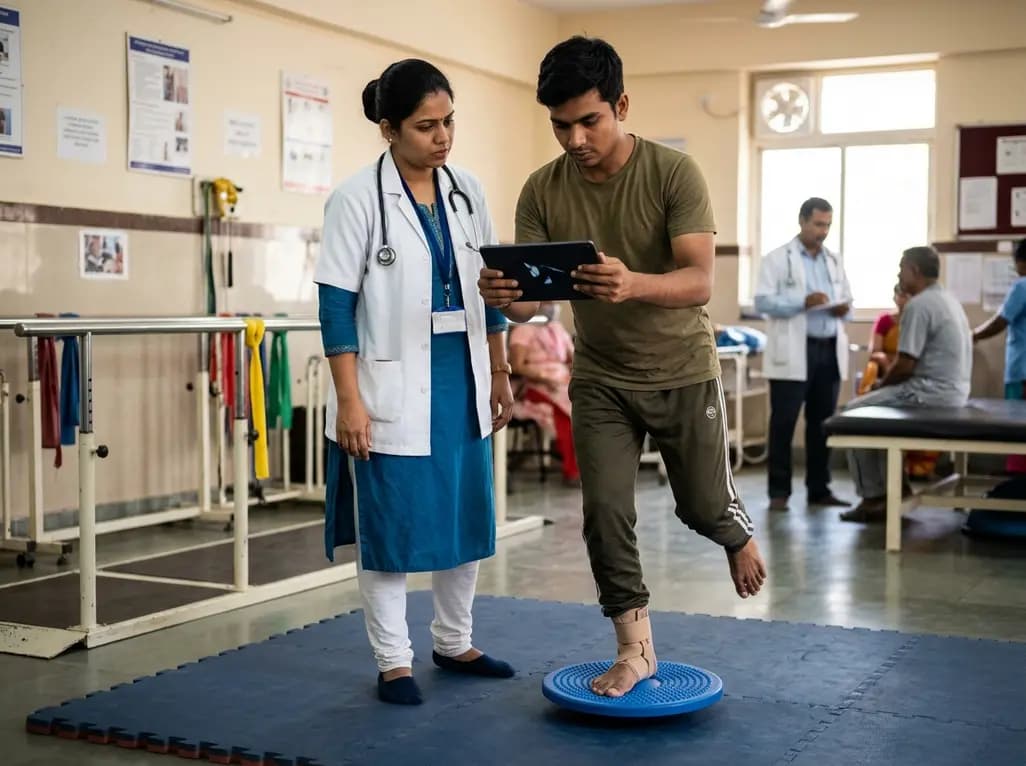
A randomized controlled trial demonstrates that an eight-week dual-task training intervention significantly improves static and dynamic postural control over standard balance exercises in individuals with chronic ankle instability, addressing critical neurocognitive deficits during athletic and daily activities.
Today
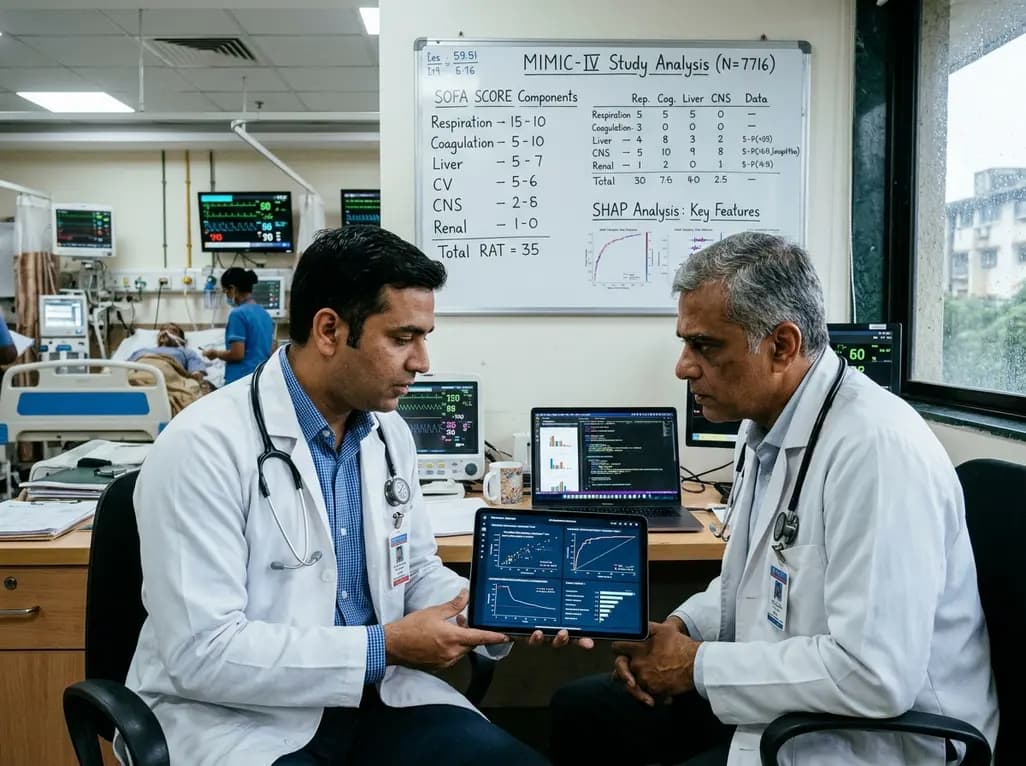
A retrospective cohort study of 7,716 ICU patients from the MIMIC-IV database demonstrates that Gradient Boosting Decision Trees significantly outperform traditional SOFA scores in predicting in-hospital mortality among patients with sepsis and diabetes, with SHAP analysis providing clinical interpretability.
Today
