.webp&w=384&q=75)

Loading, please wait...
Loading, please wait...
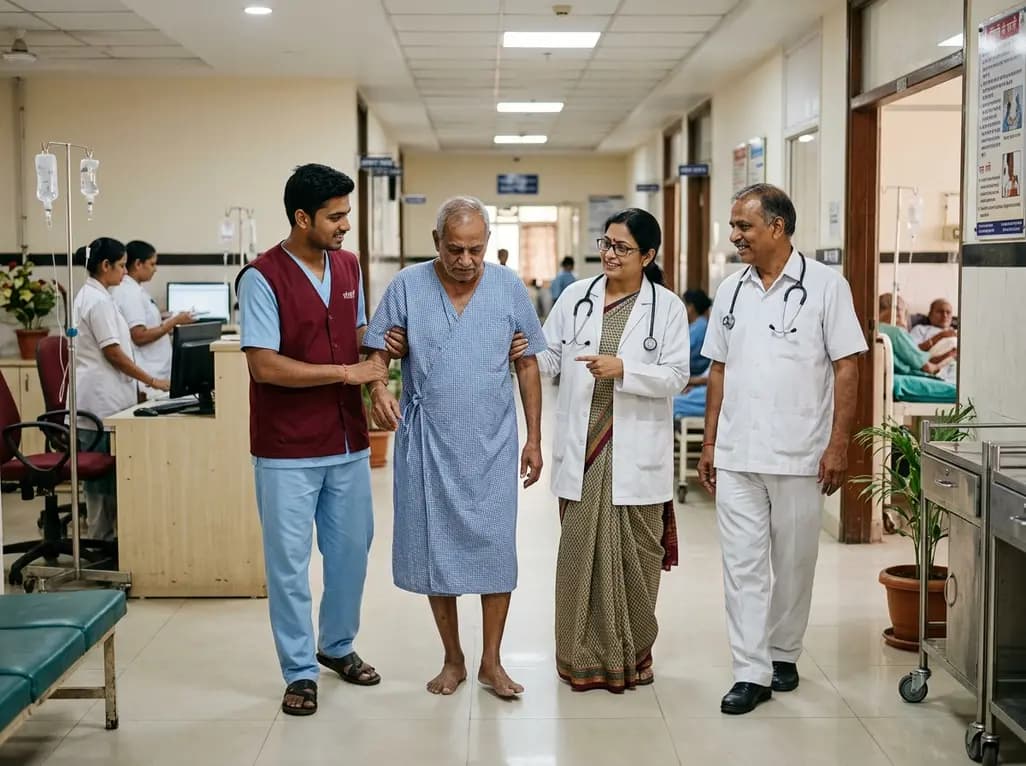
Hospitalized patients, particularly older adults, spend a staggering proportion of their hospital stay confined to bed. This pervasive sedentary behavior frequently leads to rapid functional decline, increased hospital-acquired complications, extended lengths of stay, and higher readmission rates. Clinical teams acknowledge that structured inpatient ambulation serves as a vital therapeutic countermeasure against deconditioning. Consequently, promoting daily walking is necessary to preserve muscle strength, maintain cardiopulmonary health, and preserve baseline independence. Despite widespread awareness of these benefits, healthcare systems continuously struggle to deliver consistent mobility support to medical and surgical inpatients. Dedicated care pathways that focus specifically on physical activity are increasingly recognized as essential components of high-quality hospital care. When healthcare facilities prioritize systematic walking programs, patients experience fewer adverse clinical events and transition more smoothly back into community living. Therefore, re-evaluating traditional staffing models to accommodate dedicated mobility interventions is becoming a primary focus for modern healthcare institutions worldwide.
Traditionally, registered nurses and physical therapists carry the primary responsibility for promoting inpatient physical activity. However, these dedicated clinicians contend with severe time constraints and competing high-priority demands daily. Medication administration, complex wound management, diagnostic procedures, and urgent acute evaluations frequently supersede routine walking efforts. Physical therapists often must focus their specialized expertise on complex rehabilitation cases, stroke care, or post-surgical assessments rather than basic daily ambulation. As a direct result, routine walking interventions are often unintentionally deferred, leaving patients seated or lying down for prolonged periods. This systemic operational challenge highlights the immediate need for innovative operational solutions. Introducing dedicated care team members whose sole primary responsibility is assisting with safe movement offers a promising mechanism to bridge this gap. By relieving primary care nurses of continuous walking duties, hospitals can preserve clinical workflow efficiency while simultaneously ensuring that non-ambulatory patients receive regular, safe physical activity.
To address persistent mobility gaps, healthcare organizations have begun introducing specialized support personnel known as mobility technicians. A qualitative framework analysis grounded in Normalization Process Theory demonstrates that key hospital stakeholders view mobility technicians as a highly valuable resource. Patients, staff nurses, physical therapists, and physicians consistently report that these dedicated staff members significantly increase daily physical activity levels across acute care wards. Furthermore, mobility technicians possess specific training aimed at assisting patients with routine movement, utilizing assistive devices safely, and identifying potential fall risks. By embedding mobility technicians directly into nursing units, hospitals successfully shift the cultural perception of physical activity from an secondary task to a routine, expected component of daily hospital care. This dedicated focus ensures that daily physical activity targets are met systematically without compromising other essential nursing responsibilities.
While the implementation of mobility technicians yields significant clinical benefits, success relies heavily on structural integration and effective interprofessional communication. Qualitative findings indicate that clear role boundaries are fundamental to preventing misunderstandings between nursing staff, physical therapy teams, and mobility technicians. For instance, clinicians must establish clear, standardized protocols determining which patients are safe for mobility technician assistance and which require skilled physical therapy evaluations. Robust handoff mechanisms, real-time documentation within electronic health records, and explicit daily walking targets are essential for seamless operation. Furthermore, when communication strategies are proactive, nurses feel confident delegating mobility tasks, knowing patient safety is maintained. Hospitals planning to establish mobility technician programs must therefore invest in comprehensive team onboarding, defined operational workflows, and clear clinical pathways to maximize success.
Beyond logistical efficiency, the interpersonal connections established between mobility technicians and hospitalized patients significantly enhance clinical outcomes. Patients frequently report that dedicated technicians provide crucial motivation, encouragement, and reassurance during moments of hesitation or physical fatigue. Because mobility technicians focus exclusively on physical movement, they can devote unhurried, undivided attention to each individual session. This focused interaction fosters trust, alleviates fear of falling, and empowers patients to take an active role in their functional recovery. Moreover, positive therapeutic relationships directly improve patient adherence to recommended daily walking goals. Ultimately, incorporating mobility technicians into multidisciplinary hospital teams effectively bridges the gap between clinical intent and practical execution, ensuring that inpatient ambulation becomes a consistent, safe, and person-centered reality.
A mobility technician is a dedicated healthcare team member trained specifically to assist hospitalized patients with safe daily physical activity and walking. They help prevent functional decline by ensuring patients achieve regular movement, assisting with walkers or gait belts, and maintaining safety protocols while relieving bedside nurses and physical therapists of routine walking tasks.
Mobility technicians alleviate the workload of nurses and physical therapists by taking primary responsibility for routine, non-complex patient walking. This delegation allows physical therapists to focus on specialized clinical evaluations and complex rehabilitation, while nurses can manage acute medical treatments and medication administration without compromising the patient's daily physical activity schedule.
Successful implementation requires clear interprofessional communication, explicit role clarity, and standardized patient assessment protocols. Hospitals must establish clear criteria to determine which patients are suitable for mobility technician assistance versus skilled physical therapy. Structured electronic documentation, regular team handoffs, and comprehensive interdisciplinary training are vital for long-term program success.
Disclaimer: This content is for informational and educational purposes only and does not constitute medical advice, diagnosis, or treatment. Healthcare professionals should rely on their professional clinical judgment and refer to the latest local and national guidelines for clinical practice.
References
Alpert JM et al. Clinicians' and patients' perspectives of a mobility technician role in the hospital to promote ambulation: A qualitative study. J Hosp Med. 2026 Aug 13. doi: 10.1002/jhm.70423. PMID: 42591059.
King BJ et al. Promoting Inpatient Mobility: Clinical Outcomes and Implementation Strategies. J Am Geriatr Soc. 2023;71(4):1120-1130.
Hoyt RE et al. Impact of Mobility Technicians on Acute Care Hospital Outcomes: A Systematic Review. Arch Phys Med Rehabil. 2024;105(8):1542-1550.

Read summarized clinical updates, watch expert medical content, and earn CME certifications right from your smartphone.
Open your smartphone camera to scan and install.





Hospitalized older adults face significant risks of functional decline due to prolonged bed rest. This qualitative study explores how introducing dedicated mobility technicians supports inpatient ambulation, alleviates nursing workloads, and improves patient outcomes through strong interprofessional collaboration.
last month
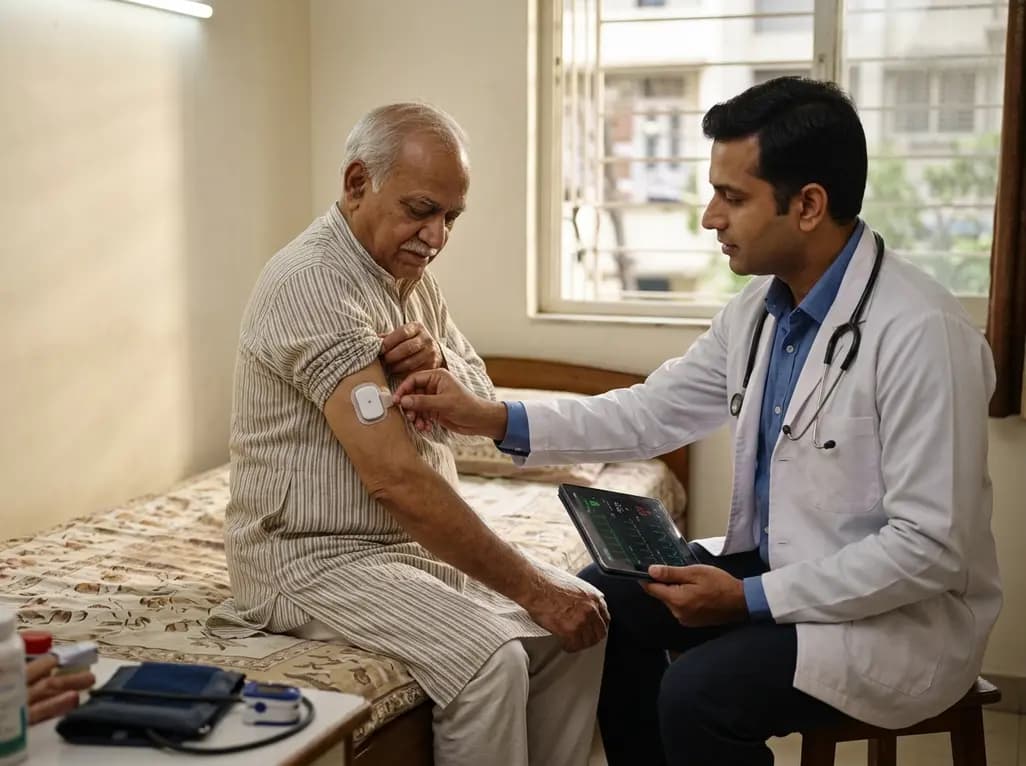
A feasibility study evaluates remote vital sign monitoring in acute hospital at home patients. Continuous wearable patches captured heart rate and respiratory rate with high adherence (89% and 75%), significantly exceeding manual spot checks for blood pressure, oxygen saturation, and temperature.
Today
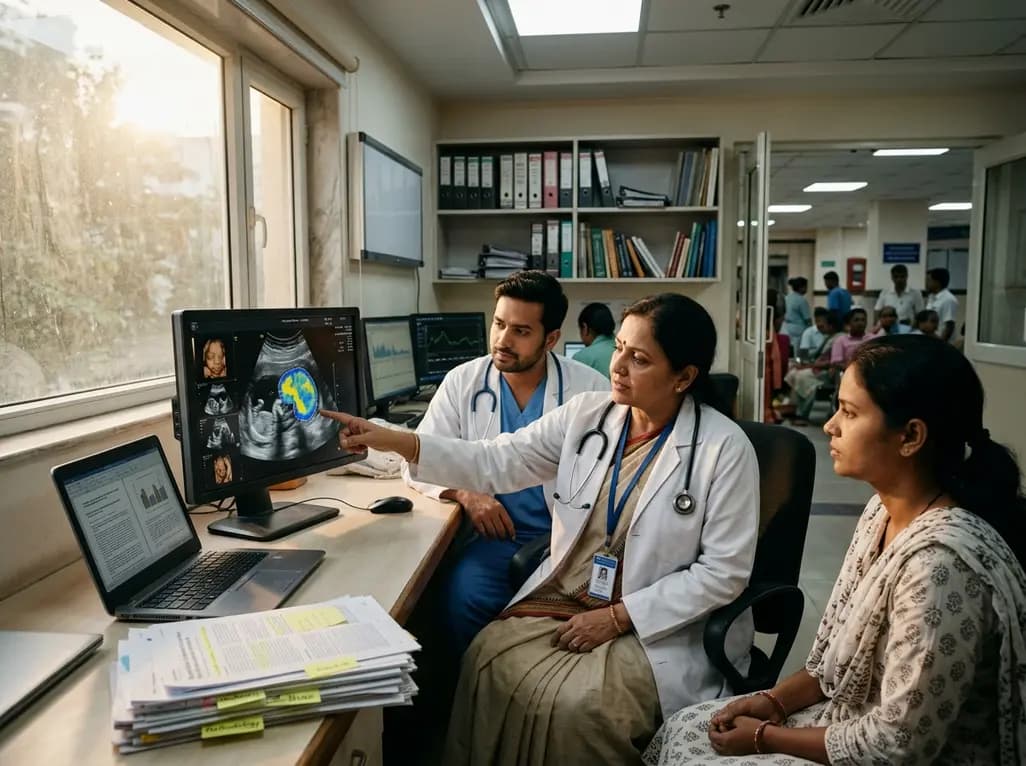
A scoping review evaluates 116 studies on AI in women's reproductive health, finding that 83.6% carry high risk of bias. While ensemble models show promise, disparities and lack of validation hinder LMIC deployment.
Today
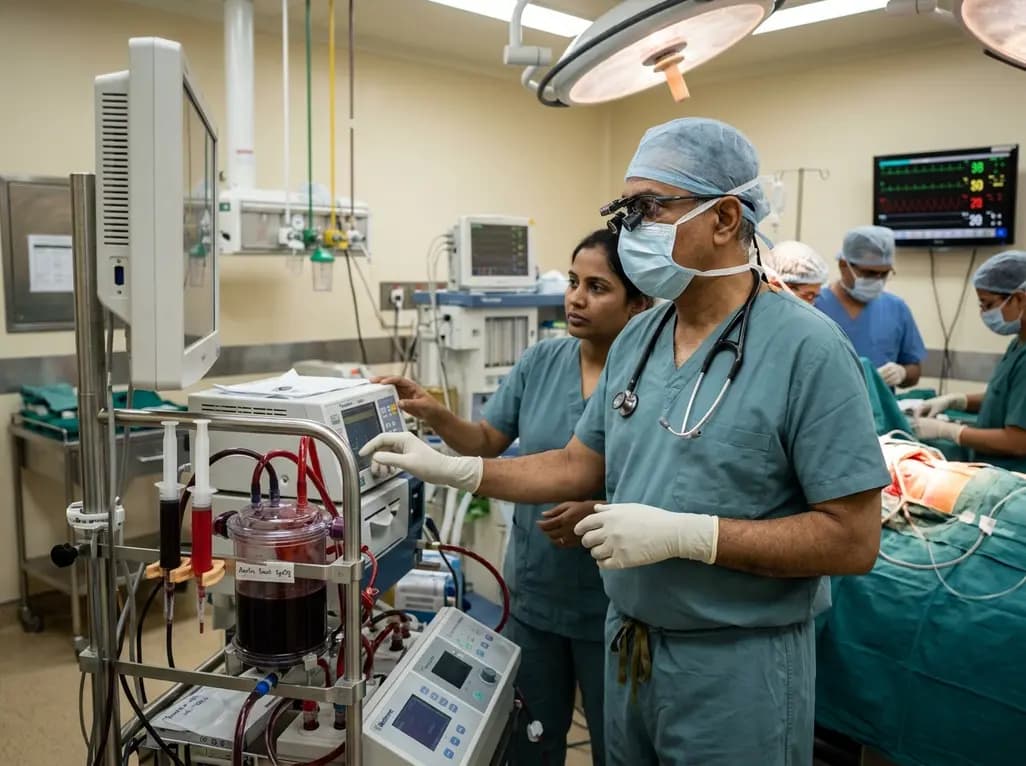
Differential oxygenation during peripheral TA-NRP can cause undetected coronary hypoxemia due to arch vessel clamping. A novel circuit with continuous aortic root monitoring detects desaturation early, facilitating left ventricular unloading and preventing allograft dysfunction and unnecessary heart discard.
Today
A longitudinal study reveals that patients undergoing staged bilateral hip arthroscopy experience progressive contralateral labral deterioration during surgical intervals. However, structural degradation does not compromise 2-year postoperative clinical outcomes or patient-reported satisfaction scores.
Today
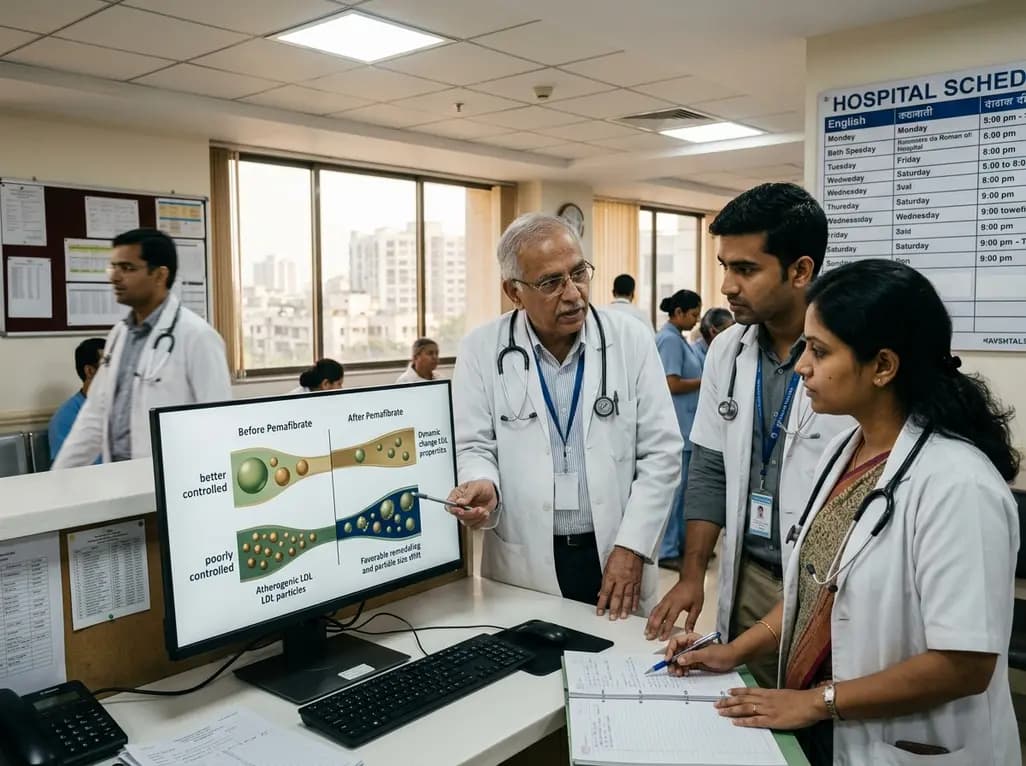
A post hoc analysis of the PARM-T2D study shows pemafibrate exerts baseline-dependent effects on LDL-C and particle size in type 2 diabetes and hypertriglyceridemia. It lowers triglycerides and remnants while favorably remodeling atherogenic LDL particles based on initial lipid control status.
Today
