.webp&w=384&q=75)

Loading, please wait...
Loading, please wait...
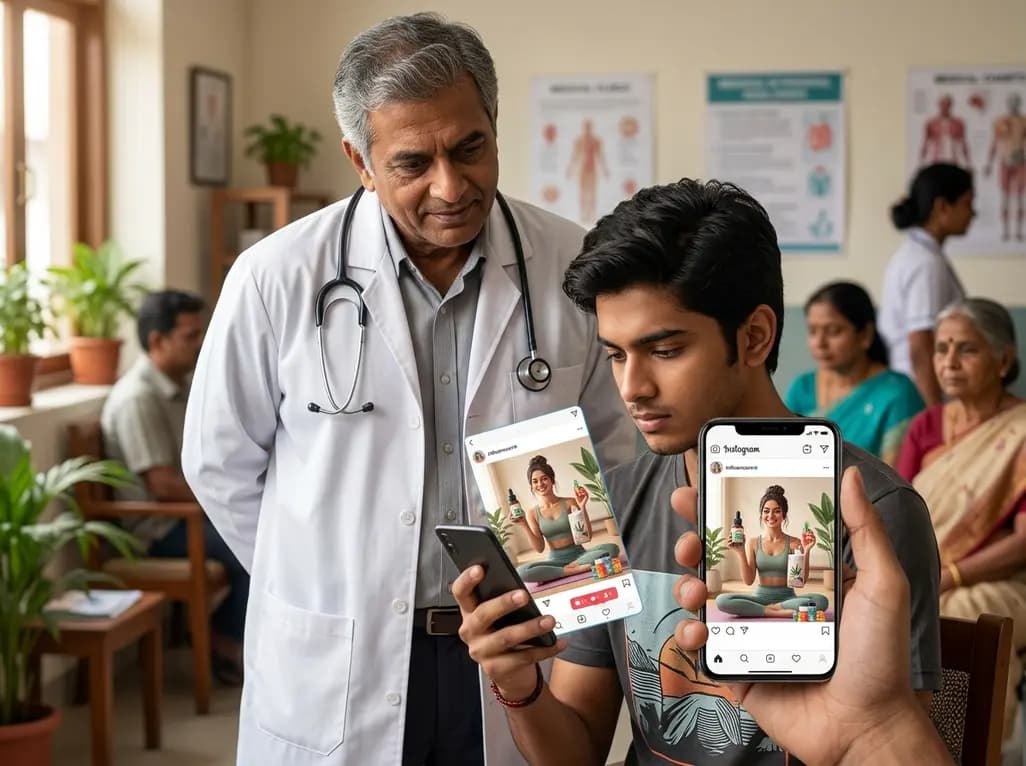
The digital landscape has fundamentally shifted how youth perceive substance use, particularly with the rapid expansion of hemp-derived intoxicating cannabis products (DICPs). These substances, including Delta-8 THC, are increasingly embedded within social media narratives that prioritize wellness and aspirational lifestyles. Recent studies highlight a concerning trend where influencers leverage their reach to promote these products under the guise of sobriety aids or hangover-free alternatives. This sophisticated marketing strategy directly contributes to youth cannabis use normalization by blurring the lines between recreational drug use and legitimate health practices. For medical practitioners, understanding this shift is crucial as adolescents may now view potent intoxicants as safe extensions of their self-care routines. The integration of psychoactive substances into everyday fitness and entertainment content makes them appear benign, complicating the task of clinical risk assessment and substance use screening.
Marketing strategies for DICPs frequently utilize "wellness framing" to bypass the stigma traditionally associated with cannabis consumption. On platforms like Instagram, creators often feature young-looking individuals in aspirational settings, suggesting that hemp products enhance mental clarity or physical recovery. By positioning DICPs alongside mocktail-making and fitness regimens, brands create a powerful association between intoxication and a high-functioning lifestyle. This tactic is particularly effective at reducing the perceived risk among teenagers, who are highly sensitive to peer influence and visual storytelling. When youth cannabis use normalization is driven by such positive reinforcement, the conventional health warnings provided by educators and doctors can seem outdated or overly alarmist. Consequently, the clinical community must adapt by addressing these specific wellness myths during patient interactions to counter the misinformation spreading through social channels.
A significant challenge in modern substance use prevention is that promotional content often mimics organic peer-culture posts. Unlike traditional advertisements, influencer-driven content frequently lacks clear sponsorship disclosures, making it appear as a genuine recommendation from a trusted peer. This organic-looking marketing strategy is a primary driver of youth cannabis use normalization, as it fosters a sense of authenticity that formal ads cannot achieve. Youth are more likely to emulate behaviors they perceive as part of a collective, trending identity rather than those presented in a commercial format. Furthermore, the use of slang, fast-cut editing, and humor ensures that the content remains engaging and shareable within adolescent circles. This pervasive visibility creates a digital environment where cannabis use is viewed not as a deviant behavior, but as a standard component of modern social life.
Existing platform guidelines and national regulatory frameworks often struggle to keep pace with the evolving tactics of influencer marketing. Because DICP promotions frequently omit or use vague sponsorship disclosures, enforcement becomes a reactive and often ineffective process. The current lack of stringent oversight allows brands to make unverified therapeutic claims, such as suggesting products are "safer" than alcohol or other substances. To combat youth cannabis use normalization, platforms need to implement advanced, algorithm-assisted surveillance that can detect youth-oriented cues and lifestyle-based drug promotion. Regulators must also consider stricter mandates for disclosure and age-gating to ensure that intoxicating products are not accessible under the pretense of wellness. Without these systemic changes, the normalization of high-potency hemp products will continue to outpace public health efforts to protect vulnerable populations.
For doctors in India and abroad, the normalization of hemp-derived intoxicants necessitates a more nuanced approach to adolescent health. Patients may present with symptoms linked to DICP use, such as anxiety or cognitive impairment, while believing these products are entirely safe because of their "natural" or "hemp-derived" branding. Youth cannabis use normalization often leads to under-reporting of use during standard medical history taking. Clinicians should specifically inquire about the use of hemp-based gummies, vapes, or wellness beverages, particularly if a patient follows lifestyle influencers known for such promotions. Educating families about the lack of regulation and the chemical processing involved in creating these intoxicating cannabinoids is essential. By staying informed about digital marketing trends, healthcare providers can better navigate the complexities of modern substance use and provide evidence-based guidance to their patients.
Countering youth cannabis use normalization requires a multi-faceted strategy that combines media literacy with proactive health communication. Medical educators can play a vital role by developing resources that teach youth how to identify covert marketing and question the wellness claims associated with DICPs. Encouraging open dialogue about social media's influence allows adolescents to critically evaluate the content they consume daily. Additionally, public health campaigns should aim to reclaim the wellness narrative, emphasizing that true health does not depend on unregulated psychoactive substances. Collaboration between healthcare professionals, policymakers, and tech platforms is the only way to effectively disrupt the cycle of normalization. By addressing the root of the problem—the unregulated digital promotion of intoxicants—we can work toward a future where adolescent health is prioritized over corporate profit and influencer trends.
Influencers normalize cannabis use by embedding intoxicating hemp products into everyday wellness and lifestyle narratives. By featuring these products in relatable, aspirational contexts like fitness or socializing, they reduce the perceived risk and stigma associated with drug use. This makes consumption appear like a standard health choice rather than a risky behavior, significantly increasing the product's appeal to younger audiences who follow these creators.
Regulation is challenging because influencer content often mimics organic posts and frequently lacks clear sponsorship disclosures. Many creators use subtle cues, slang, or lifestyle framing that bypasses traditional automated advertising filters. Without explicit brand tags or clear promotional language, identifying and removing these posts requires highly sophisticated, algorithm-assisted surveillance that can recognize youth-oriented marketing tactics and unverified health claims across vast amounts of data.
Clinicians should look for mentions of "hemp-derived" gummies, vapes, or "wellness" supplements that produce a high. Because youth cannabis use normalization is prevalent, patients might not consider these products as drugs. Doctors should ask about specific social media trends and wellness narratives the patient follows. Identifying symptoms like unexplained anxiety or cognitive changes can also indicate the use of high-potency, unregulated hemp-derived intoxicants.
Disclaimer: This content is for informational and educational purposes only. It is not a substitute for professional medical advice, diagnosis, or treatment. Always seek the advice of your physician or other qualified health provider with any questions you may have regarding a medical condition. Refer to the latest local and national guidelines for clinical practice.
References
Vassey J et al. Influencer-driven lifestyle and wellness framing of intoxicating hemp products may normalize youth cannabis use. Int J Drug Policy. 2026 Jul 16. doi: undefined. PMID: 42462344.
Prakash P et al. Social media use frequency and substance use among U.S. high school students. Drug Alcohol Depend Rep. 2026 Jun 5. doi: 10.1016/j.dadr.2026.100453. PMID: 42376468.
Harlow AF et al. Adolescent use of delta-8-THC. JAMA. 2024 Mar 12. doi: 10.1001/jama.2024.0865. PMID: 38470377.

Read summarized clinical updates, watch expert medical content, and earn CME certifications right from your smartphone.
Open your smartphone camera to scan and install.





Influencer-driven promotion of intoxicating hemp products on platforms like Instagram often uses wellness and lifestyle narratives to normalize cannabis use among youth. This trend poses significant risks by reducing perceived dangers and bypassing traditional advertising regulations through organic-looking content.
3 months ago

Discover the crucial role of glymphatic dysfunction in stroke, where perivascular clearance failure and neuroinflammation exacerbate cerebral edema and post-stroke brain injury.
Today

A prenatal case highlights severe glutaric acidemia type II presenting as bilateral hyperechoic cystic kidneys at 18 weeks. Whole-exome sequencing revealed a novel homozygous ETFDH frameshift variant, demonstrating the power of rapid genetic testing in fetal renal anomalies.
Today

Review how tailored exercise programs benefit frail older patients with heart failure. Explore pathophysiological mechanisms, individualized training prescriptions, and strategies to overcome adherence barriers in clinical practice.
Yesterday

This comparative study evaluates posterior labral tears with and without glenohumeral instability, highlighting distinct demographic patterns, MRI underestimation in stable shoulders, and successful arthroscopic repair outcomes.
Yesterday

A clinical study demonstrates that early intervention with tocilizumab, either as monotherapy or bridged with corticosteroids, achieves significant proptosis reduction and resolves active inflammation in treatment-naive thyroid eye disease.
Yesterday
