.webp&w=384&q=75)

Loading, please wait...
Loading, please wait...

The Union Ayush Ministry recently introduced comprehensive Yoga protocols for NCDs. This initiative aims to transform India's healthcare landscape from treatment to prevention. Minister Prataprao Jadhav launched the program during Yoga Mahotsav 2026. Consequently, healthcare providers now have structured tools to address the rising burden of lifestyle diseases. These modules offer a scalable solution for a diverse population like India.
The WHOCCIND 118 team developed these modules using evidence-based routines for chronic conditions. For instance, the diabetes module improves metabolic balance and glycaemic control. Meanwhile, the hypertension routine regulates the nervous system and blood pressure. Doctors can recommend these daily sessions, which range from 30 to 60 minutes. Furthermore, the protocols combine asanas, pranayama, and meditation. This holistic approach ensures that patients receive sustainable health benefits over time.
The initiative covers more than just adult chronic illnesses. It includes playful modules for young children and mobility routines for the elderly. Additionally, specialized guidelines support pregnant women and adolescents. Therefore, the protocols serve as a lifelong health companion for diverse age groups. Emotional well-being also remains a primary focus within the guidelines. Dedicated practices aim to reduce stress and anxiety among patients. This shift significantly reduces long-term pressure on India's medical infrastructure.
Q1: What conditions do the new yoga protocols specifically target?
The protocols target major non-communicable diseases including diabetes, hypertension, cardiovascular ailments, bronchial asthma, and mental health disorders.
Q2: Who developed these evidence-based yoga modules?
The World Health Organisation Collaborating Centre for Traditional Medicine (Yoga) at the Morarji Desai National Institute of Yoga developed these modules under the Ministry of Ayush.
Disclaimer: This content is for informational and educational purposes only. It does not constitute medical advice or replace professional judgment. Refer to the latest local and national guidelines for clinical practice.
References

Read summarized clinical updates, watch expert medical content, and earn CME certifications right from your smartphone.
Open your smartphone camera to scan and install.





The Union Ayush Ministry launches evidence-based Yoga protocols to tackle NCDs like diabetes and hypertension, focusing on preventive healthcare across Indi...
6 months ago
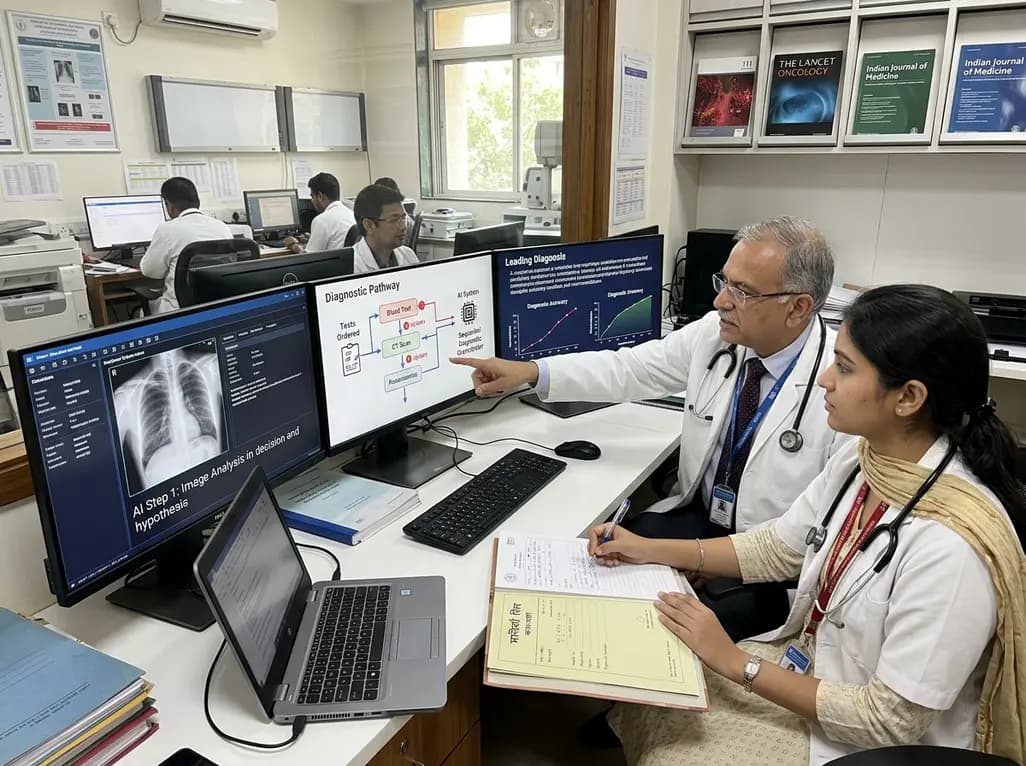
A breakthrough peer-reviewed study demonstrates that a sequential AI diagnosis system can mirror real-world clinical reasoning. By ordering stepwise tests and updating hypotheses dynamically, this multi-agent orchestrator achieved superior diagnostic accuracy while reducing investigative costs.
Today

A prenatal case highlights severe glutaric acidemia type II presenting as bilateral hyperechoic cystic kidneys at 18 weeks. Whole-exome sequencing revealed a novel homozygous ETFDH frameshift variant, demonstrating the power of rapid genetic testing in fetal renal anomalies.
Today

Review how tailored exercise programs benefit frail older patients with heart failure. Explore pathophysiological mechanisms, individualized training prescriptions, and strategies to overcome adherence barriers in clinical practice.
Yesterday

This comparative study evaluates posterior labral tears with and without glenohumeral instability, highlighting distinct demographic patterns, MRI underestimation in stable shoulders, and successful arthroscopic repair outcomes.
Yesterday

A clinical study demonstrates that early intervention with tocilizumab, either as monotherapy or bridged with corticosteroids, achieves significant proptosis reduction and resolves active inflammation in treatment-naive thyroid eye disease.
Yesterday
