.webp&w=384&q=75)

Loading, please wait...
Loading, please wait...
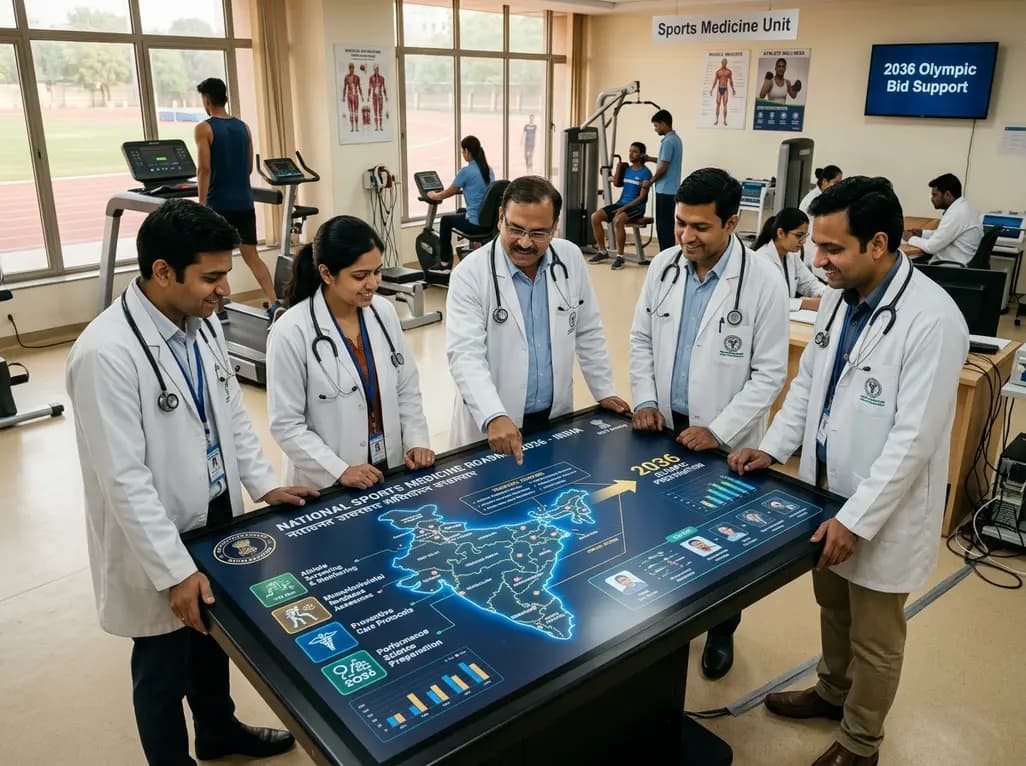
India has initiated decisive policy measures to build a comprehensive national sports medicine framework. This strategic intervention aims to fundamentally shift high-performance athlete care from a fragmented, reactive model to a proactive, preventive paradigm. As the country accelerates its preparations for a potential bid to host the 2036 Olympic Games, healthcare infrastructure and athletic training must align seamlessly with international benchmarks.
Consequently, high-level policy planners are designing uniform clinical pathways to protect elite competitors and grassroots athletes alike. This institutional transformation prioritizes early risk stratification, standardized diagnostic criteria, structured rehabilitation, and evidence-based return-to-play guidelines across all major sporting disciplines.
Historically, India's athletic healthcare ecosystem has operated in isolated silos. Medical interventions frequently occurred only after severe soft tissue tears, chondral defects, or career-limiting musculoskeletal trauma emerged. However, modern high-performance sports demand continuous biomechanical evaluation, metabolic profiling, and workload tracking before structural damage occurs. Therefore, the upcoming national policy prioritizes pre-participation cardiovascular and musculoskeletal screening to identify predisposing risk factors.
Additionally, clinical specialists will track training volume, fatigue indices, and physiological biomarkers to minimize non-contact soft tissue injuries. In elite athletics, continuous load management and neuromuscular assessments significantly reduce catastrophic tendon and ligament failures. Furthermore, this preventive paradigm protects adolescent competitors during peak developmental windows. By mitigating cumulative microtrauma through early biomechanical correction, clinicians can extend athletic longevity and prevent early athletic burnout. Thus, proactive surveillance forms the operational backbone of this national health transition.
The proposed sports medicine framework establishes standardized clinical protocols across training academies, high-performance centres, and tertiary healthcare hospitals. Currently, disparate diagnostic criteria and variable therapeutic practices often complicate athlete recovery timelines. Therefore, national clinical experts will establish clear consensus guidelines for common conditions, including anterior cruciate ligament injuries, labral tears, and stress fractures. Moreover, this standardized framework links accredited sports science laboratories directly with clinical departments.
Consequently, multidisciplinary clinical teams comprising orthopedic surgeons, sports physicians, physiotherapists, and dietitians will deliver uniform evidence-based care. In addition, the roadmap outlines structured accreditation standards for private and public rehabilitation centres. This standardization ensures that athletes across all states receive equal clinical quality regardless of geographic location. Ultimately, establishing consistent protocols minimizes clinical variability, prevents premature return-to-play errors, and secures long-term joint preservation for competitive athletes.
A critical component of the upcoming strategy involves building a national sports injury data repository. At present, India lacks an integrated epidemiological registry tracking injury trends across sports disciplines and age groups. Therefore, the new digital health platform will capture longitudinal data on injury incidence, mechanism of onset, surgical outcomes, and recovery durations. Furthermore, linking these registries with clinical practice allows researchers to identify sport-specific injury patterns unique to Indian demographic groups.
Additionally, analyzing large-scale registry data will help clinicians refine preventive conditioning regimens and equipment safety standards. Orthopedic surgeons and sports scientists can evaluate real-world rehabilitation efficacy through objective outcome metrics. Consequently, machine learning tools applied to this database may soon predict injury vulnerability based on training intensity and kinematic variables. In conclusion, data-driven medicine provides the empirical evidence required to guide public health sports policy and optimize elite training regimens.
To overcome operational fragmentation, NITI Aayog convened an expert committee on sports science led by Dr. M Srinivas, Member (Health). This inter-ministerial initiative integrates the Ministry of Youth Affairs and Sports, Ministry of Health and Family Welfare, Ministry of Ayush, and the Indian Council of Medical Research (ICMR). In addition, key operational bodies like the Sports Authority of India (SAI) and leading tertiary institutes, such as the Safdarjung Sports Injury Centre, will execute the national guidelines.
Historically, educational, clinical, and administrative bodies worked in separate domains. However, this consolidated governance model bridges the gap between clinical research and daily athletic training programmes. Furthermore, the central government plans a phased rollout by 2028, with dedicated funding allocations anticipated in the Union Budget 2027-28. Consequently, formal institutional linkages will foster collaborative clinical trials, fellowship education programs, and advanced translational research across India's premier medical institutes.
This national policy transformation holds immediate implications for medical doctors, orthopedic specialists, and rehabilitation teams nationwide. Currently, India faces a documented shortage of certified sports medicine physicians and sport-specific physical therapists. Therefore, the expanded national roadmap will catalyze formal academic curriculums, post-graduate medical seats, and sub-specialty fellowships in sports traumatology and athletic medicine. Moreover, primary care doctors and general practitioners will gain access to standardized sports injury triage protocols.
Additionally, integrating integrative healthcare modalities from the Ministry of Ayush with conventional sports rehabilitation opens new avenues for holistic recovery research. Clinicians will increasingly utilize point-of-care musculoskeletal ultrasound, dynamic motion analysis, and targeted regenerative therapies in everyday clinical practice. As a result, Indian healthcare practitioners will operate at the cutting edge of sports science, directly contributing to podium outcomes at international sporting tournaments.
Q1: What is the primary objective of India's national sports medicine framework?
The primary objective is to transition athletic healthcare from a reactive, injury-treatment model to a proactive, preventive sports science system. It establishes standardized screening, diagnostic, and rehabilitation protocols nationwide. Furthermore, the framework integrates medical institutions with athletic training centers to optimize athlete health, reduce injury downtime, and prepare Indian competitors for high-level events like the 2036 Olympic Games.
Q2: How will the national sports injury data repository benefit Indian medical practitioners?
The centralized data repository will provide longitudinal clinical data on injury prevalence, mechanisms, and therapeutic outcomes across sports disciplines. Consequently, clinicians and researchers can identify sport-specific risk factors, evaluate real-world rehabilitation success, and establish evidence-based preventive conditioning protocols tailored specifically to Indian athlete populations.
Q3: When will this national sports science strategy be implemented across the country?
The central government is planning a phased national rollout targeted for completion by 2028. Key policy measures, academic infrastructure expansions, and standardized clinical guidelines are expected to receive dedicated strategic mentions and financial support starting from the Union Budget 2027-28.
Disclaimer: This content is for informational and educational purposes only. It does not constitute medical advice or replace professional judgment. Refer to the latest local and national guidelines for clinical practice.
References

Read summarized clinical updates, watch expert medical content, and earn CME certifications right from your smartphone.
Open your smartphone camera to scan and install.





India is establishing a centralized sports science and medicine framework to shift athlete care from reactive injury treatment to preventive monitoring. Spearheaded by NITI Aayog, this inter-ministerial initiative unifies screening protocols and injury registries to support India's 2036 Olympic bid.
last month
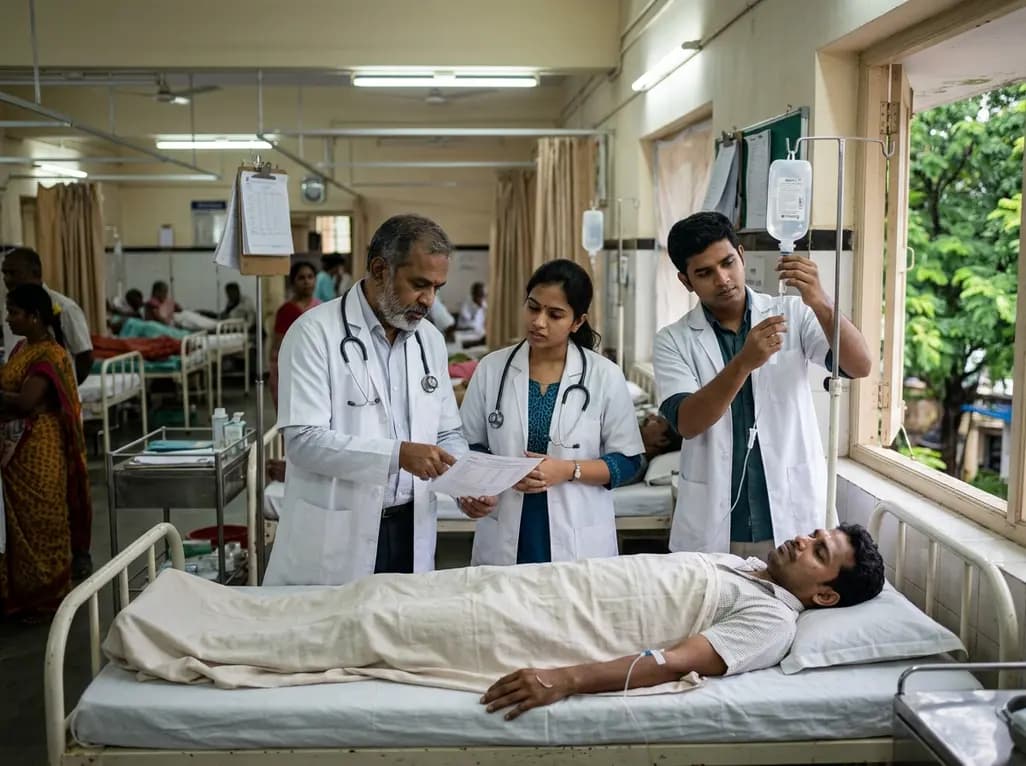
With post-monsoon dengue surges threatening South Asian health systems, physicians must refine triage and management. This guide covers vital warning signs, plasma leakage detection, crystalloid titration, and vector containment strategies to prevent mortality during seasonal arboviral epidemics.
Today
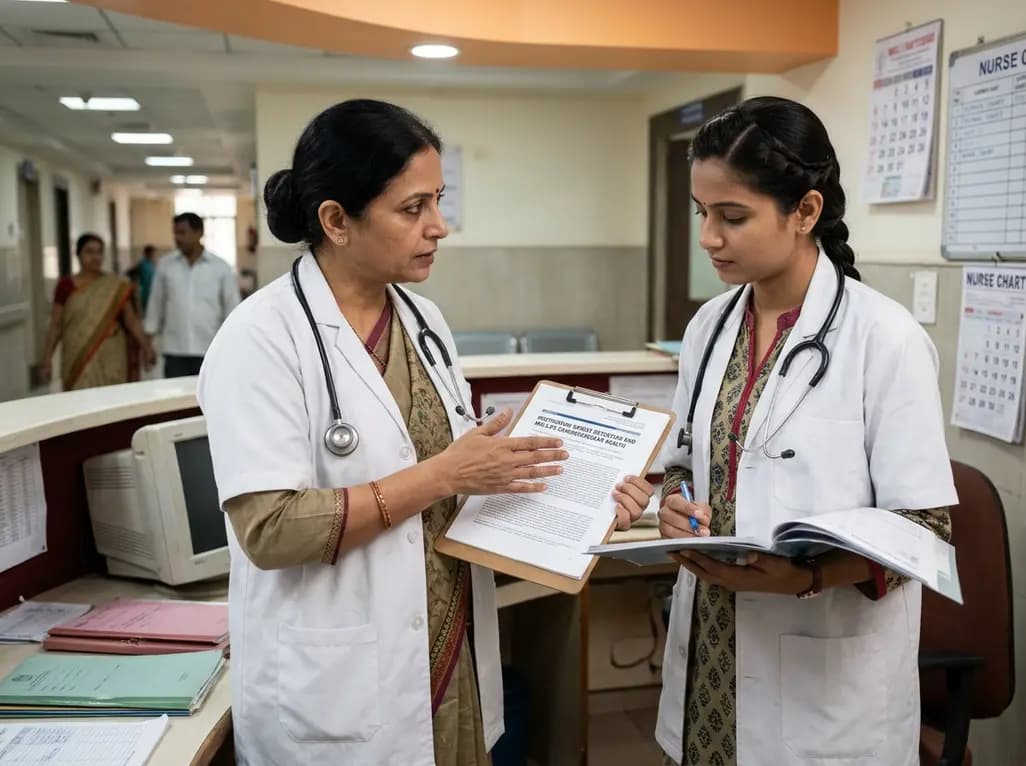
Findings from Project Viva indicate that sustained postpartum weight retention, rather than excessive gestational weight gain alone, directly worsens women's mid-life cardiovascular health, degrading blood pressure and glycemic parameters decades after delivery.
Today
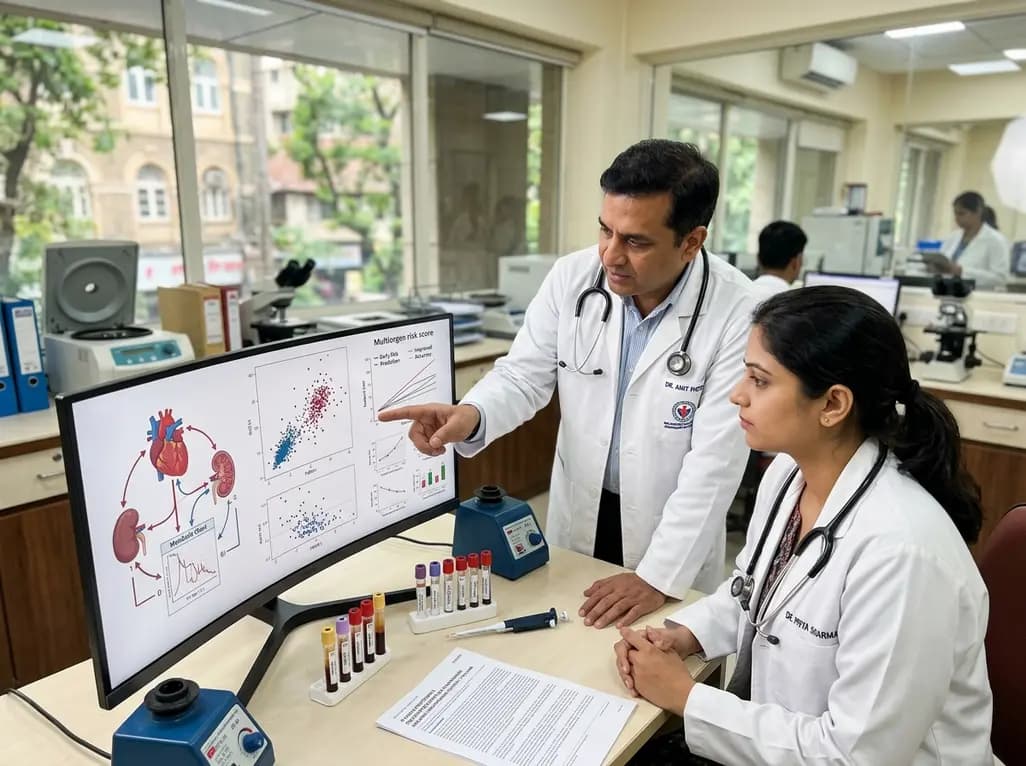
A large UK Biobank study reveals that plasma proteomic signatures capture preclinical organ damage and improve multiorgan risk prediction across early CKM syndrome stages 0 to 2 beyond traditional PREVENT clinical models.
Today
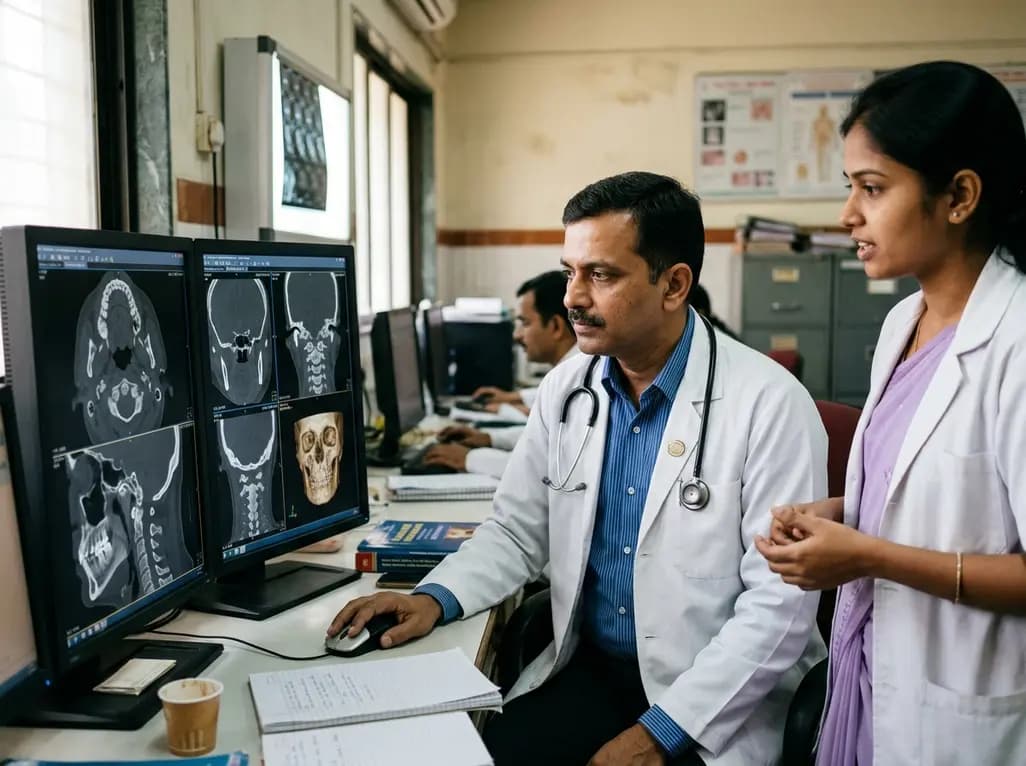
A retrospective CBCT study reveals that superior TMJ space asymmetry correlates moderately with occipital condyle-atlas-axis asymmetry in unilateral TMJ osteoarthritis, highlighting an imaging correlate between jaw biomechanics and upper cervical alignment rather than a standalone diagnostic marker.
Today
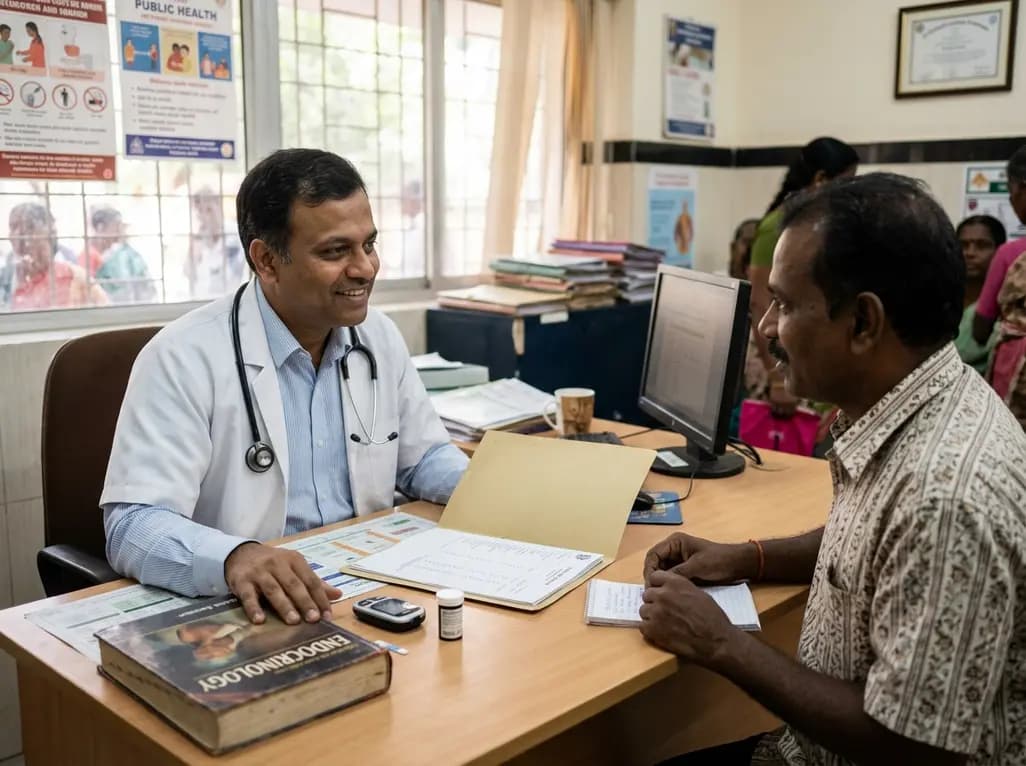
A Bayesian multilevel meta-analysis reveals that aerobic training combined with moderate carbohydrate restriction modestly lowers HbA1c in type 2 diabetes. However, sparse data and very low certainty leave incremental benefits over exercise or diet alone unproven, highlighting the need for individualized care.
Today
