.webp&w=384&q=75)

Loading, please wait...
Loading, please wait...
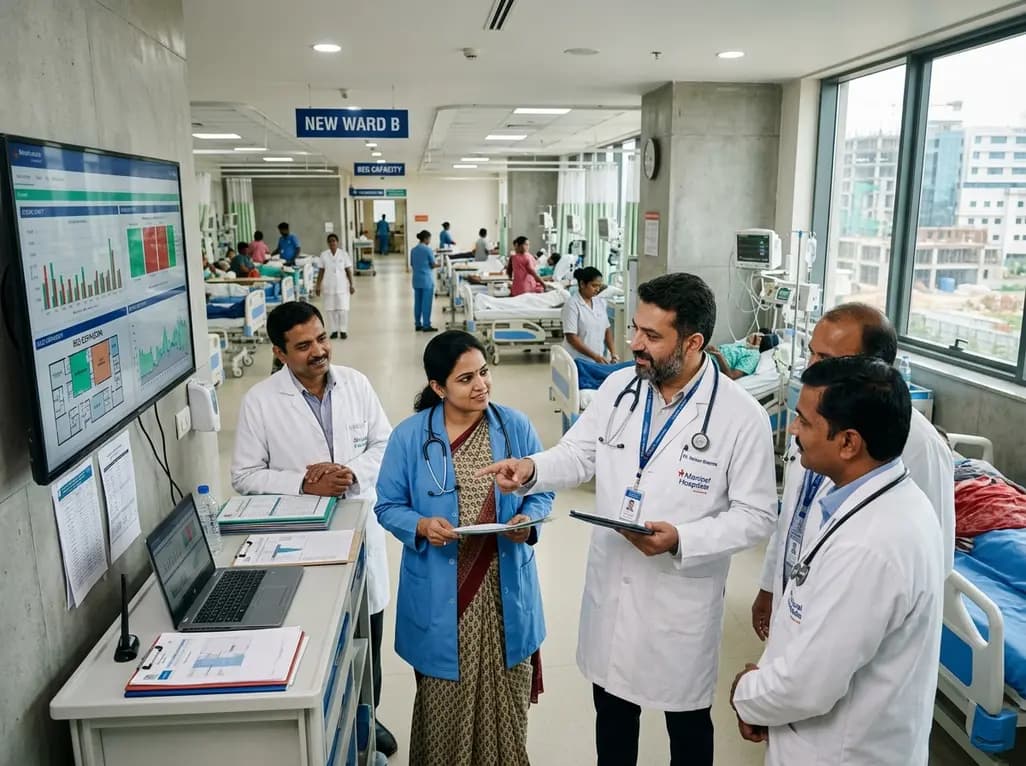
The Indian healthcare ecosystem is undergoing a decisive transformation, characterized by substantial capacity additions and robust operational performance. Consequently, recent market analyses highlight accelerating India healthcare services growth across both tertiary hospital networks and specialized diagnostic providers. Institutional assessments demonstrate that newly commissioned hospital facilities are witnessing consistent increases in patient occupancy. This trend effectively supports long-term operating margins and bolsters clinical delivery capabilities. Furthermore, an expanding middle class, broader medical insurance coverage, and a rising prevalence of complex chronic diseases continue to fuel strong healthcare utilization trends across metropolitan and regional healthcare hubs.
Hospital operators across India are actively executing aggressive capital expenditure programs to address regional supply deficits. Specifically, operational bed capacity across leading hospital networks grew by fifteen percent year-on-year, while total planned capacity beds rose by sixteen percent. Healthcare administrators recognize that initial commissioning phases inevitably create transient margin dilution due to upfront staffing and infrastructure overheads. Nevertheless, operational data indicates that newly added clinical wings are ramping up occupancy much faster than historical benchmarks. As these new beds reach stable utilization thresholds, fixed costs distribute more efficiently across clinical departments. Therefore, health systems can absorb initial operational expenditures without compromising baseline care standards. In addition, health networks are strategically deploying multi-cluster delivery models across southern and western states. This geographic diversification enhances referral networks, consolidates specialized surgical talent, and optimizes emergency care triage across interconnected hospital campuses.
Average revenue per occupied bed, commonly termed ARPOB, remains a pivotal performance metric for hospital administrators and clinicians alike. Recent quarterly data reveals healthy ARPOB expansion ranging between five and fourteen percent across major healthcare institutions. This upward trajectory stems primarily from an evolving clinical case mix toward advanced quaternary interventions, including robotic surgeries, complex organ transplants, and precision oncology care. Additionally, hospital teams have achieved notable reductions in the average length of stay through optimized clinical pathways and day-care surgical innovations. Consequently, shorter patient stays allow institutions to increase inpatient throughput without requiring immediate physical plant expansion. Rising domestic insurance penetration under statutory and private schemes also ensures steady inpatient department footfalls. Furthermore, international medical tourism has resumed its expansion, bringing complex cases that contribute favorably to institutional realizations and specialized departmental productivity.
The collective financial performance of major Indian hospital chains underscores structural resilience and strong demand fundamentals. Leading hospital providers under sector coverage reported an aggregate twenty-one percent year-on-year revenue increase alongside a twenty-two percent rise in earnings before interest, tax, depreciation, and amortization. For instance, Apollo Hospitals registered hospital revenue growth of twenty-two percent, while Aster DM Healthcare, Medanta, and Rainbow Children's Medicare achieved growth rates of twenty-two percent, twenty-seven percent, and thirty-three percent, respectively. Krishna Institute of Medical Sciences demonstrated the strongest revenue growth at thirty-five percent, propelled by rapid expansion across Maharashtra, Kerala, and Karnataka clusters. Although aggregate operating margins remained broadly flat at twenty-three percent due to initial ramp-up costs at newly opened facilities, core mature units maintained superior margin profiles. Industry analysts expect aggregate profitability to expand further as newer hospital wings mature and achieve optimal bed turnaround times.
Alongside inpatient hospital care, the independent pathology and radiology sector continues to demonstrate substantial operating leverage. Diagnostic networks under market coverage reported an eighteen percent year-on-year sales growth accompanied by a twenty-nine percent expansion in operating earnings. This performance reflects growing direct-to-consumer demand, higher preventive health checkup penetration, and better realization per patient. For example, Dr Lal PathLabs delivered nineteen percent sales growth, whereas Metropolis Healthcare recorded a seventeen percent overall revenue increase with strong underlying organic expansion. Diagnostic providers are successfully expanding their specialized test menus, incorporating advanced genomic assays, molecular oncology panels, and automated immunochemistry. Moreover, centralized processing laboratories supported by localized collection centers allow diagnostic chains to maintain strict quality control while lowering logistical costs. This ongoing synergy between primary diagnostics and tertiary hospital referrals forms an integrated continuum that supports early clinical diagnosis and targeted intervention.
The long-term trajectory of India healthcare services growth reflects a maturing ecosystem capable of balancing clinical quality with operational sustainability. Moving forward, healthcare leadership teams must navigate workforce recruitment challenges, rising biomedical technology costs, and evolving digital health mandates. Hospital operators are increasingly leveraging electronic medical record integrations, artificial intelligence for triage, and automated pharmacy dispensing to improve institutional efficiency. Simultaneously, the focus on nursing retention, resident doctor training, and multidisciplinary clinical governance ensures that rapid infrastructure expansion does not dilute care quality. As public and private payers demand higher clinical accountability and transparent outcomes, hospital networks with robust accreditation and standardized clinical protocols will maintain competitive advantages. Ultimately, the ongoing expansion cycle enhances healthcare access for underserved populations, providing modern critical care, surgical suites, and specialized diagnostics across India's burgeoning urban corridors.
Q1: What primary factors are driving the recent revenue growth across Indian hospital chains?
Hospital revenue expansion is primarily driven by rising inpatient volumes, steady capacity additions, and a significant improvement in average revenue per occupied bed. Furthermore, increasing health insurance coverage, higher surgical volumes, and an influx of international medical travelers seeking complex quaternary treatments continue to elevate overall clinical demand across major private healthcare networks in metropolitan and tier-two cities.
Q2: Why have aggregate hospital EBITDA margins remained flat despite strong top-line revenue expansion?
Operating margins have remained broadly stable at around twenty-three percent because major hospital networks are undergoing extensive bed expansion cycles. Newly opened or recently acquired facilities incur substantial upfront costs, including medical staffing, regulatory compliance, and equipment depreciation, which temporarily dilute profitability until patient occupancy climbs to mature operational levels over successive quarters.
Q3: How is the Indian diagnostics segment contributing to the overall healthcare delivery model?
The diagnostics sector supports early clinical intervention by delivering specialized genomic, molecular, and biochemical testing through robust direct-to-consumer networks. High testing volumes and expanding preventative health checkups enable diagnostic providers to generate strong operating earnings while funneling timely diagnostic insights into outpatient and inpatient clinical workflows across multispecialty care channels.
Disclaimer: This content is for informational and educational purposes only. It does not constitute medical advice or replace professional judgment. Refer to the latest local and national guidelines for clinical practice.
References

Read summarized clinical updates, watch expert medical content, and earn CME certifications right from your smartphone.
Open your smartphone camera to scan and install.





A detailed analysis of India's healthcare services sector reveals surging revenue and bed occupancy in FY27. Driven by capacity additions, robust diagnostics, and steady ARPOB gains across leading hospital chains, the outlook promises sustained clinical capacity and improved operational profitability.
last month

A Bayesian multilevel meta-analysis reveals that aerobic training combined with moderate carbohydrate restriction modestly lowers HbA1c in type 2 diabetes. However, sparse data and very low certainty leave incremental benefits over exercise or diet alone unproven, highlighting the need for individualized care.
Today
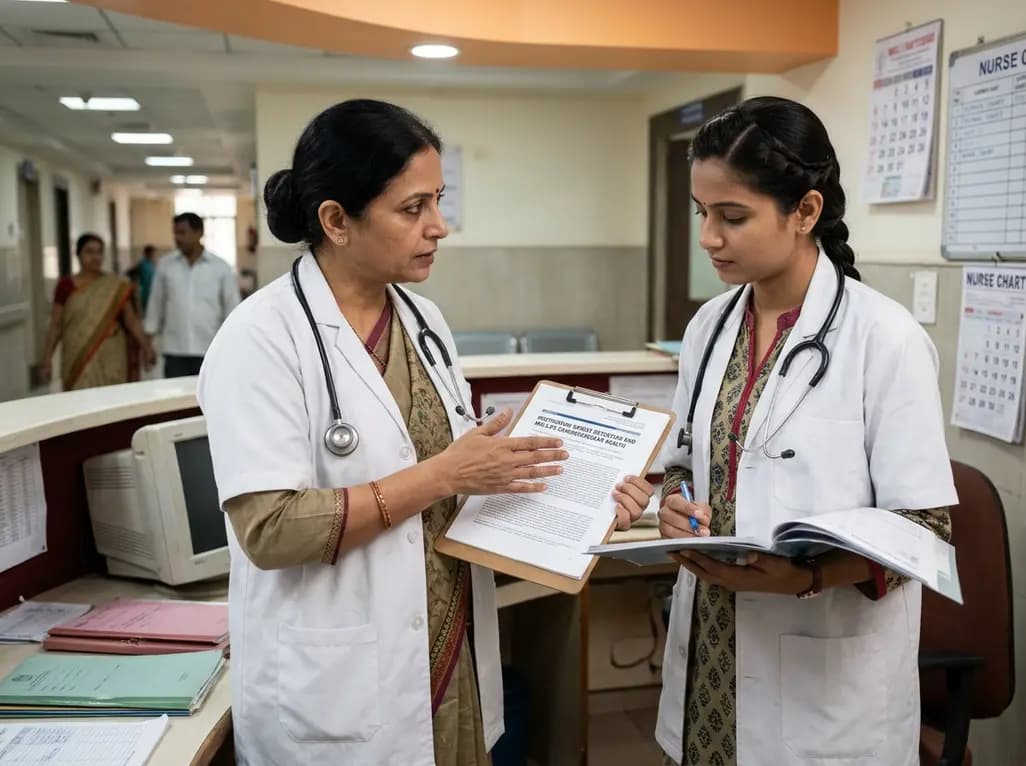
Findings from Project Viva indicate that sustained postpartum weight retention, rather than excessive gestational weight gain alone, directly worsens women's mid-life cardiovascular health, degrading blood pressure and glycemic parameters decades after delivery.
Today
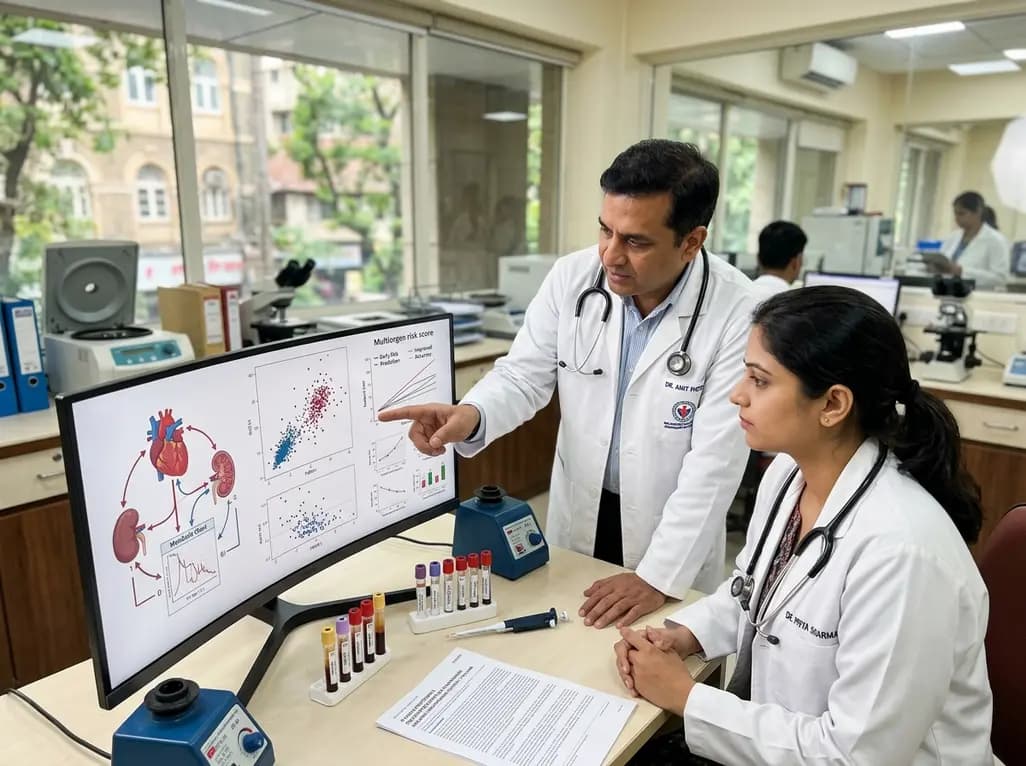
A large UK Biobank study reveals that plasma proteomic signatures capture preclinical organ damage and improve multiorgan risk prediction across early CKM syndrome stages 0 to 2 beyond traditional PREVENT clinical models.
Today
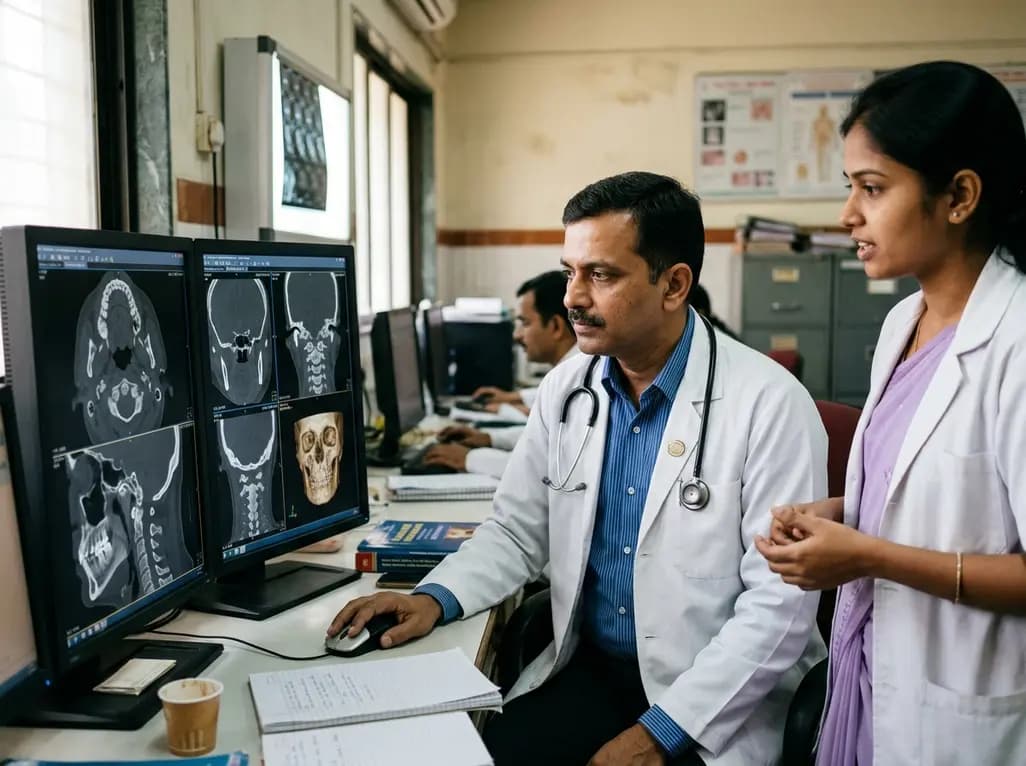
A retrospective CBCT study reveals that superior TMJ space asymmetry correlates moderately with occipital condyle-atlas-axis asymmetry in unilateral TMJ osteoarthritis, highlighting an imaging correlate between jaw biomechanics and upper cervical alignment rather than a standalone diagnostic marker.
Today
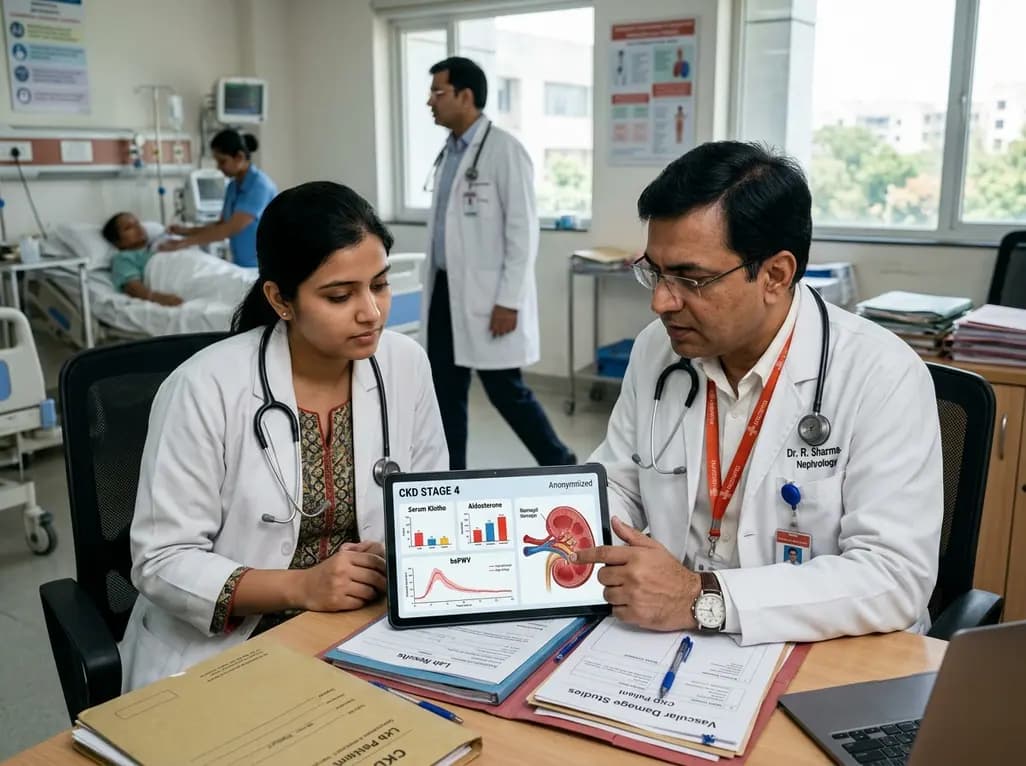
A cross-sectional investigation highlights the complex pathophysiological links between serum Klotho deficiency, secondary hyperaldosteronism, and vascular damage in CKD. Discover key insights into non-invasive vascular stiffness markers and targeted therapeutic pathways for cardiorenal protection.
Today
