.webp&w=384&q=75)

Loading, please wait...
Loading, please wait...
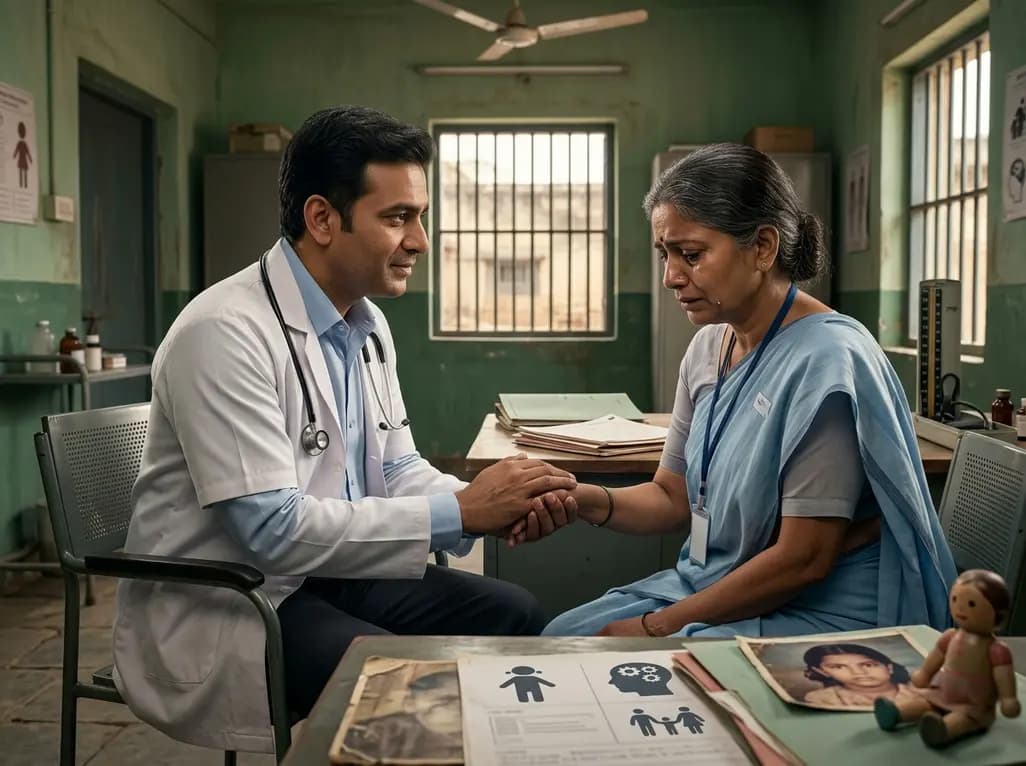
The global prison population continues to expand at an alarming rate, presenting a complex public health crisis that demands urgent attention. Within these confined environments, individuals often face profound incarcerated mental health challenges that reflect a lifetime of vulnerability and systemic neglect. Research consistently indicates that prisoners exhibit significantly higher rates of psychiatric disorders compared to the general public. These conditions frequently stem from a combination of early-life adversity, socioeconomic instability, and the inherently stressful nature of the correctional environment. Despite the rising number of incarcerated individuals worldwide, the specific psychiatric needs of this population remain underserved. Notably, gender differences in mental health outcomes within jails are often overlooked in standard clinical literature. Understanding these nuances is essential for developing effective rehabilitation strategies. Recent studies in diverse geographical contexts, such as Tunisia, shed light on how childhood experiences and gender-specific factors shape the mental health landscape of prisoners. By examining these variables, clinicians and policymakers can better address the multifaceted issues that contribute to recidivism and poor health outcomes. This exploration serves as a critical step toward integrating trauma-informed care into the primary healthcare frameworks of correctional systems globally.
Childhood trauma represents a significant predictor of adult mental illness and criminal justice involvement. However, the nature and frequency of these traumatic events often vary significantly between male and female prisoners. Evidence suggests that female inmates are disproportionately affected by sexual abuse during their formative years. In contrast, male prisoners frequently report higher instances of childhood physical abuse and exposure to community violence. These distinct patterns of early-life adversity create different psychological trajectories. For many women, early sexual victimization leads to internalized symptoms such as severe anxiety and chronic low self-esteem. For men, exposure to violence often manifests as externalized behaviors and a cycle of aggression. These differences are not merely statistical; they reflect the varied societal pressures and vulnerabilities inherent to gender. Consequently, a one-size-fits-all approach to mental health screening in prisons is often insufficient. Clinicians must recognize that a history of childhood trauma acts as a foundational element of a prisoner's current psychiatric profile. Therefore, gender-sensitive assessments are vital to identifying the root causes of distress. By uncovering these unique trauma histories, correctional health providers can tailor interventions that specifically address the developmental wounds of each individual. This targeted approach is crucial for breaking the intergenerational cycle of trauma and incarceration.
The relationship between incarcerated mental health challenges and substance use is deeply intertwined. Many individuals entering the correctional system have long histories of substance misuse, often serving as a maladaptive coping mechanism for unresolved trauma. Interestingly, the types of substances preferred by male and female prisoners vary. Men are statistically more likely to use cannabis and tobacco, often associated with social environments or externalizing stress. Conversely, female prisoners frequently report higher usage of psychotropic medications and other substances aimed at regulating mood. This phenomenon supports the self-medication hypothesis, where individuals use illicit or prescription drugs to manage symptoms of undiagnosed depression and anxiety. Furthermore, the prevalence of substance use disorders is significantly higher among incarcerated populations than in civilian life. The high overlap between trauma and addiction creates a dual-diagnosis challenge that complicates treatment within the jail setting. Healthcare professionals must view substance use not just as a behavioral issue, but as a symptom of deeper psychological distress. Addressing addiction without acknowledging the underlying childhood trauma is rarely successful. Effective rehabilitation requires a holistic model that treats the addiction and the psychiatric trauma simultaneously. By doing so, prison systems can reduce the risk of relapse and improve the overall stability of the inmate population.
Prisoners frequently endure severe psychiatric morbidity, with anxiety and depression being the most prevalent conditions reported. Gender again plays a pivotal role in the manifestation of these symptoms. Studies indicate that female prisoners often exhibit significantly higher scores on standardized anxiety and depression scales compared to their male counterparts. This heightened distress is often coupled with dangerously high levels of suicidal ideation. For women, the loss of social and familial connections during incarceration acts as a major stressor, exacerbating pre-existing mental health conditions. Men also experience high rates of depression, though they may express it through irritability or withdrawal rather than traditional symptoms. Regardless of gender, the prison environment itself—characterized by isolation, lack of privacy, and potential for violence—can aggravate mental illness. Notably, low self-esteem is a recurring theme among incarcerated individuals, frequently linked back to their adverse childhood experiences. This lack of self-worth can hinder an individual's ability to engage in reformative programs. Clinicians working in these settings must be vigilant in monitoring for signs of suicidal thoughts, especially during transition periods like initial entry or upcoming release. Mental health support must be accessible and continuous to prevent self-harm and promote long-term recovery.
Implementing trauma-informed care (TIC) is essential for addressing the myriad of incarcerated mental health challenges faced by modern prison systems. TIC shifts the clinical focus from asking \"what is wrong with you?\" to \"what happened to you?\" This paradigm shift is especially important in correctional settings where the majority of residents have histories of severe trauma. A trauma-informed approach requires training for all staff, from correctional officers to medical professionals, to ensure that interactions do not re-traumatize individuals. For instance, routine procedures like searches or strict disciplinary actions can trigger flashbacks in survivors of physical or sexual abuse. By creating a more supportive and predictable environment, facilities can reduce inmate distress and improve overall safety. Furthermore, policies should prioritize the integration of mental health screenings at the point of entry. Early identification of trauma and psychiatric disorders allows for more immediate and effective intervention. Additionally, gender-specific programming should be standard, acknowledging the unique needs of women and men. Investing in these systemic reforms not only benefits the individuals but also reduces the long-term economic burden on society by lowering recidivism rates. Ultimately, treating mental health within prisons is a matter of both clinical best practice and fundamental human rights.
The future of correctional healthcare must involve a deeper integration of psychiatric services within the primary care model. As prison populations continue to rise, the demand for specialized mental health professionals in these settings will only grow. Collaborative efforts between departments of justice and health ministries are necessary to ensure that incarcerated individuals receive a standard of care equivalent to that available in the community. Furthermore, the transition from incarceration back into society—the reentry phase—is a critical window where mental health support is often lost. Without continuous care, individuals are at high risk of relapse and re-offending. Community-based programs must be equipped to handle the complex trauma histories of formerly incarcerated people. Moreover, research should continue to explore the cross-cultural variations of these issues to provide localized solutions. For example, the findings from Tunisian jails highlight the universal nature of trauma but also the specific cultural factors influencing substance choice and reporting. By prioritizing mental health as a core component of the justice system, society can move closer to a rehabilitative rather than purely punitive model. This transition is essential for building safer communities and respecting the dignity of every individual, regardless of their legal status.
Female prisoners frequently report significantly higher rates of childhood sexual abuse, whereas male prisoners often experience more physical abuse. These gender-specific trauma patterns lead to different psychiatric trajectories, with women often exhibiting higher levels of internalized distress, such as anxiety and chronic depression, compared to the externalizing behaviors typically seen in men.
Substance use in prisons often functions as self-medication for underlying trauma. Male prisoners are statistically more likely to use substances like cannabis and tobacco. In contrast, female prisoners often report higher rates of psychotropic medication use to manage mood disorders and emotional pain resulting from higher prevalence of early-life victimization and loss.
Clinicians should implement mandatory trauma-informed screenings upon entry and provide gender-sensitive therapy. It is essential to treat co-occurring substance use and psychiatric disorders simultaneously. Furthermore, correctional staff should receive training on trauma-informed practices to prevent re-traumatization and ensure a safer, more rehabilitative environment for all incarcerated individuals.
Disclaimer: This content is for informational and educational purposes only. It does not constitute medical advice or establish a doctor-patient relationship. Always seek the advice of a qualified healthcare provider for any medical or psychiatric concerns. Refer to the latest local and national guidelines for clinical practice.
References
Ajmi Blout A et al. Childhood trauma, substance use and mental health: Exploring differences across two Tunisian jails. PLoS One. 2026. doi: 10.1371/journal.pone.0353367. PMID: 42424322.
Fazel S, et al. Mental health of prisoners: prevalence, adverse outcomes, and interventions. Lancet Psychiatry. 2016;3(9):871–81. doi:10.1016/S2215-0366(16)30142-0.
United Nations Office on Drugs and Crime (UNODC). Handbook on Women and Imprisonment: 2nd edition, with a focus on the Bangkok Rules. United Nations Publication. 2014.
"
Read summarized clinical updates, watch expert medical content, and earn CME certifications right from your smartphone.
Open your smartphone camera to scan and install.





New research highlights the critical link between childhood trauma and mental health among prisoners. This article explores gender-specific patterns of abuse, substance use, and psychological distress, emphasizing the urgent need for trauma-informed care in correctional facilities worldwide.
2 weeks back
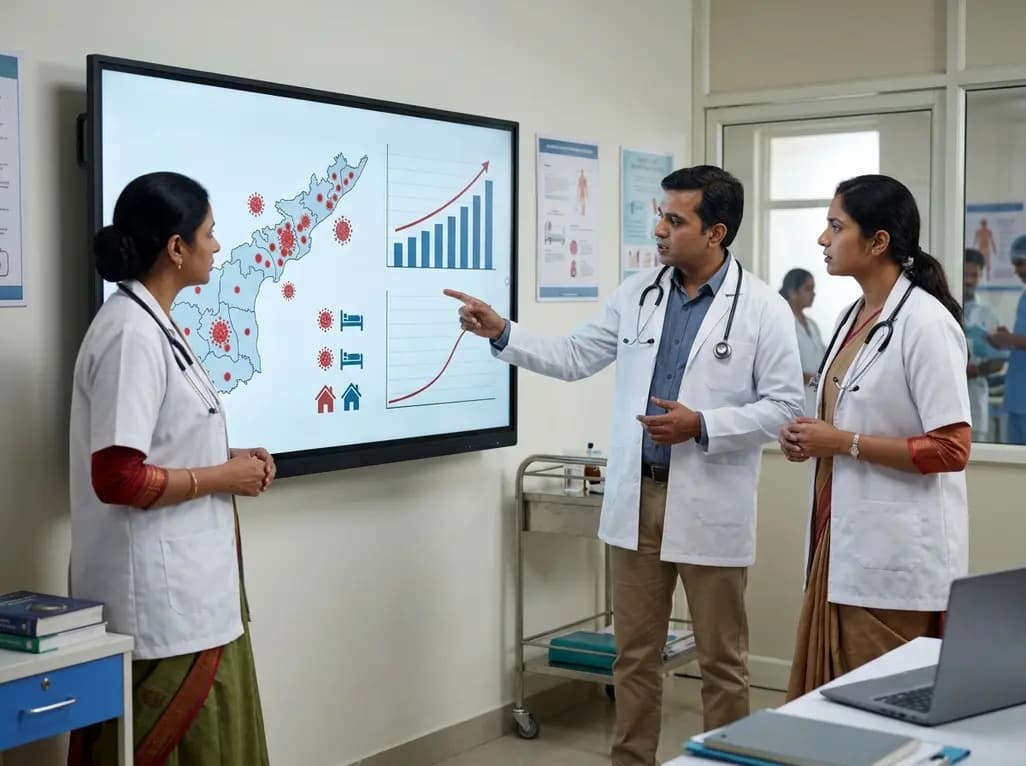
Andhra Pradesh reported 10 new Covid-19 cases, taking the state tally to 49 while deaths remain at four. With 24 patients hospitalized and 16 under home isolation, the Health Department has intensified monitoring. Medical professionals should review regional distribution, diagnostic protocols, and management plans.
Today

An 11-year Swedish registry study of 618 uterine sarcoma patients found that minimally invasive surgery yielded survival comparable to open surgery in early stages. However, adjuvant chemotherapy conferred no survival benefit in localized or advanced disease, highlighting stage and histology as key outcomes.
3 days back
A cross-sectional study evaluates post-intensive care syndrome in cardiac patients 2-4 weeks post-ICU discharge, highlighting cognitive, psychological, and functional impairments and the need for structured multidisciplinary rehabilitation.
3 days back
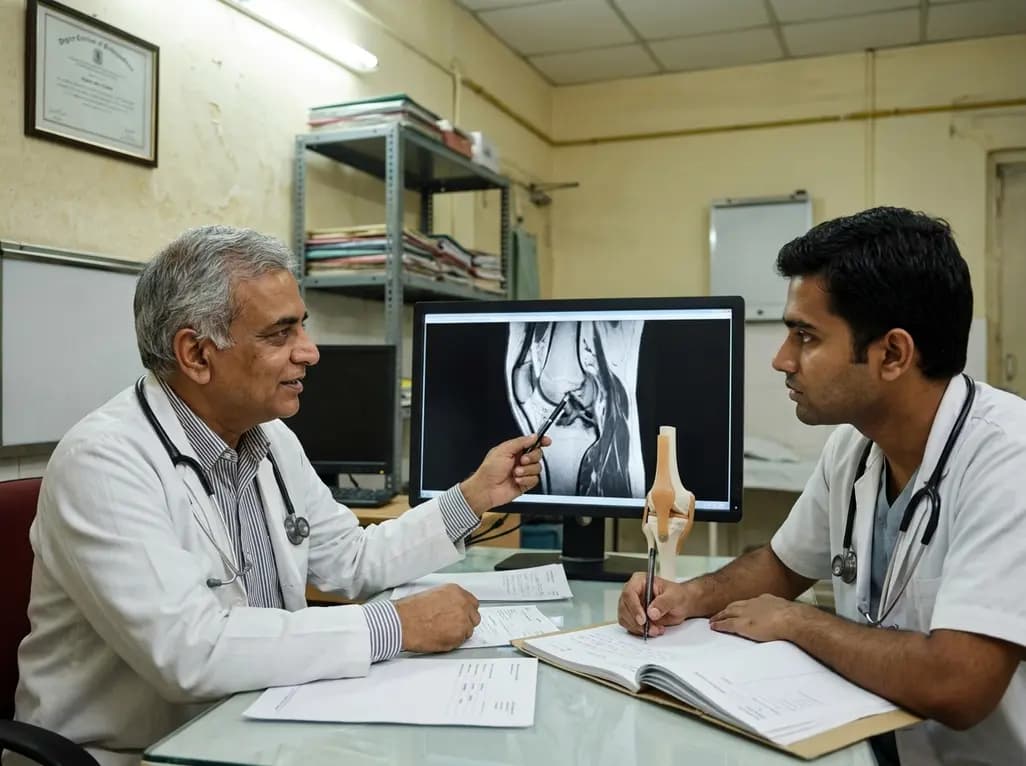
Anterior cruciate ligament reconstruction failure lacks uniform definition. A narrative review proposes an integrative framework incorporating objective and subjective instability, persistent pain, restricted motion, graft rupture, and secondary meniscal injury to standardize clinical reporting.
3 days back
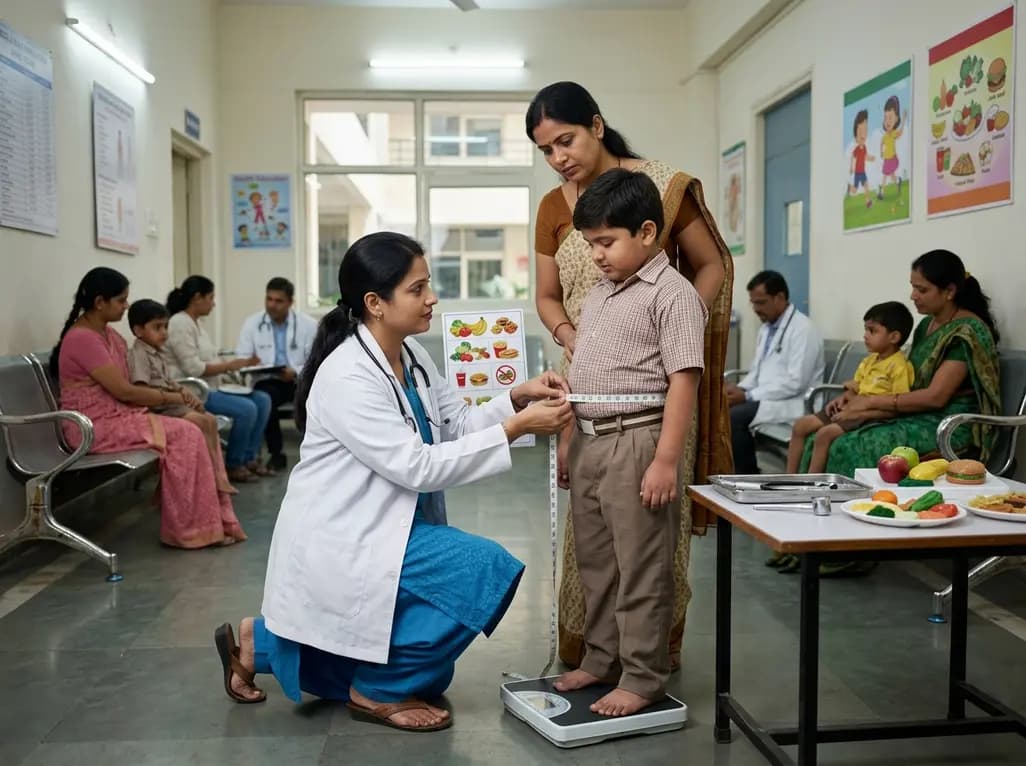
With World Obesity Atlas data warning that over 41 million Indian children are overweight or obese, ICMR and NIN have unveiled a 10-point policy roadmap. The initiative calls for mandatory front-of-pack labeling, HFSS taxes, strict marketing bans, and healthier school environments to curb non-communicable diseases.
Today
