.webp&w=384&q=75)

Loading, please wait...
Loading, please wait...
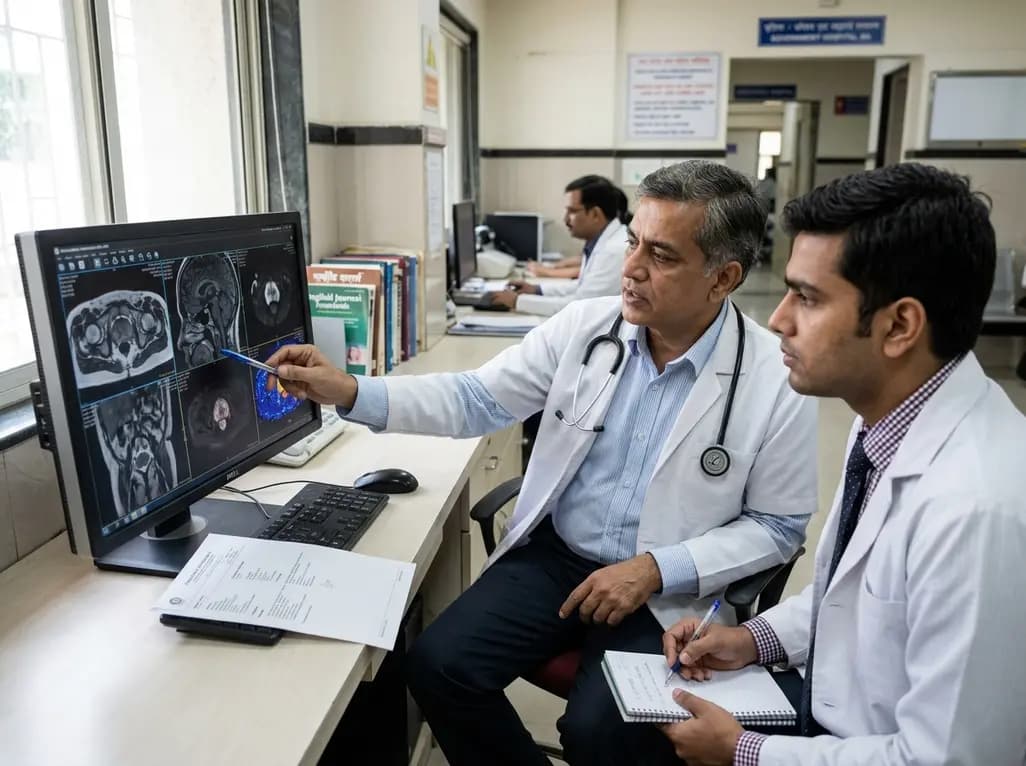
Multiparametric magnetic resonance imaging has revolutionized the landscape of prostate cancer detection and management. However, the diagnostic utility of these complex scans relies heavily on prostate mpMRI quality. When image quality is suboptimal, the ability of radiologists to identify clinically significant lesions diminishes significantly. This prospective study highlights how the Prostate Imaging Quality (PI-QUAL) score serves as a critical benchmark for evaluating scan integrity. In many clinical settings, patients often arrive with scans performed at external facilities, leading to considerable variability in technical execution. Consequently, understanding the correlation between technical excellence and clinical outcomes is paramount for modern urologists and oncologists. High-quality imaging ensures that biopsies are targeted accurately, reducing the risk of missing aggressive cancers while minimizing unnecessary procedures. Furthermore, standardized quality assessments allow for much better communication between radiologists and referring clinicians. As we delve into the findings of recent research, it becomes clear that "good enough" is no longer sufficient in the era of precision medicine. By prioritizing technical parameters, healthcare providers can significantly improve the receiver operating characteristic-derived area under the curve. Ultimately, this commitment to excellence enhances patient safety and diagnostic confidence across the entire oncological care continuum.
The PI-QUAL system offers a structured framework for assessing the technical adequacy of prostate imaging. It evaluates several parameters, including signal-to-noise ratio, spatial resolution, and the presence of motion artifacts. In the context of this study, clinicians used PI-QUAL v2 to categorize scans into distinct quality tiers. Interestingly, the research demonstrated that only a fraction of external scans achieved the highest quality rating of PI-QUAL 3. This observation suggests a widespread disparity in how imaging protocols are applied across various diagnostic centers. When scans fall into the PI-QUAL 1 or 2 categories, they often lack the clarity needed for definitive interpretation. Such limitations can lead to an increase in indeterminate findings, which frequently pose a management dilemma for urologists. By adhering to PI-QUAL standards, imaging centers can ensure that every multiparametric MRI provides the necessary diagnostic information. Moreover, this standardization facilitates more reliable multi-center research and clinical trials. Radiologists must be vigilant in monitoring these quality metrics to avoid the pitfalls of poor-resolution imaging. Therefore, implementing routine quality audits based on PI-QUAL could potentially harmonize diagnostic accuracy. As clinical practice evolves, these scores will likely become a mandatory component of radiology reports, ensuring transparency and accountability.
Another significant finding of the study involves the transformative power of central review by expert uro-radiologists. When expert readers reassessed external scans, they significantly improved the detection of clinically significant prostate cancer. This improvement was particularly notable in scans with lower quality scores. This suggests that while high-quality images are ideal, expert interpretation can partially mitigate the deficiencies of moderate-quality scans. However, even the most skilled radiologists perform better when the underlying image quality is superior. The study showed that diagnostic accuracy for detecting cancer rose significantly after central review for PI-QUAL 1-2 scans. In contrast, scans that were already of high quality provided a more stable and accurate baseline for diagnosis from the start. This discrepancy underscores the necessity of having specialized training in prostate imaging interpretation. For centers in India and elsewhere, this highlights a potential need for referral networks where complex cases are reviewed by sub-specialized experts. Consequently, central review acts as a safety net, catching lesions that might have been overlooked during initial assessments. By integrating expert review into the standard workflow, clinical teams can bridge the gap created by technical variability. This approach ultimately leads to better-informed biopsy decisions and improved outcomes.
One of the most challenging aspects of prostate cancer diagnosis is the management of PI-RADS 3 lesions. These indeterminate findings often lead to clinical uncertainty, as they neither confirm nor rule out malignancy. The study revealed a compelling link between prostate mpMRI quality and the frequency of these indeterminate reports. Specifically, low-quality scans resulted in an indeterminate finding rate of 27%. In stark contrast, high-quality PI-QUAL 3 scans reduced this rate to only 8%. This significant reduction demonstrates that better image quality leads to more definitive radiological conclusions. When a radiologist can clearly visualize the prostatic anatomy without interference from artifacts, they are less likely to resort to an indeterminate classification. Consequently, patients are less likely to undergo biopsies that could have been avoided or postponed. For the patient, this means less anxiety and a more streamlined path to treatment or monitoring. Moreover, reducing indeterminate findings improves the efficiency of urology clinics, allowing them to focus resources on patients with the highest risk. Therefore, investing in high-quality MRI hardware and optimized protocols is not just a technical necessity but a clinical imperative. As we refine our diagnostic tools, the goal remains to provide clear, actionable results that guide precise intervention.
The study’s results regarding diagnostic performance, measured by the area under the curve (AUC), provide robust evidence for the importance of quality. High-quality scans achieved a significantly higher AUC compared to lower-quality scans. This difference is not merely statistical; it represents a tangible impact on the ability to detect International Society of Urological Pathology (ISUP) grade 2 or higher cancers. Clinically significant prostate cancer requires timely intervention, and any delay or miss due to poor imaging can have serious consequences. By focusing on quality, clinicians can ensure that the diagnostic process is as sensitive and specific as possible. The prospective nature of this study adds weight to these findings, suggesting they are highly applicable to real-world clinical practice. Furthermore, the correlation between quality scores and pathological outcomes highlights the reliability of the PI-QUAL system. As the medical community continues to advocate for better imaging standards, these results serve as a foundational reference. They emphasize that the diagnostic chain is only as strong as its weakest link, which is often the initial image acquisition. Thus, improving the technical execution of multiparametric MRI is a straightforward way to boost the overall performance of prostate cancer screening and detection programs.
In conclusion, the impact of image quality on diagnostic accuracy cannot be overstated. By utilizing the PI-QUAL scoring system, clinicians can better assess the reliability of imaging data and make more informed decisions regarding patient care. The study clearly shows that high-quality scans and expert central review are vital components of a successful diagnostic strategy. Moving forward, a greater emphasis on technical standardization and specialized training will be essential for optimizing prostate cancer detection and management worldwide.
The PI-QUAL score is a standardized tool used to evaluate the technical quality of prostate multiparametric MRI scans. It is essential because high-quality imaging is the foundation of accurate PI-RADS scoring. When a scan meets the PI-QUAL 3 criteria, radiologists can identify clinically significant cancer with much greater confidence. Conversely, poor-quality scans can mask aggressive tumors or lead to false positives, ultimately resulting in suboptimal patient management and potentially unnecessary invasive procedures.
Prostate mpMRI quality directly impacts the clarity of the images, which in turn influences the rate of indeterminate PI-RADS 3 findings. High-quality scans allow radiologists to clearly distinguish between benign tissue and suspicious lesions. The study showed that PI-QUAL 3 scans reduced the proportion of indeterminate findings to just 8%, compared to 27% in low-quality scans. This reduction is crucial because it provides clinicians with more definitive results, streamlining the decision-making process for biopsies.
Central review by expert uro-radiologists is recommended because it significantly improves diagnostic accuracy, especially when dealing with external scans of variable quality. Experts possess the specialized training necessary to interpret subtle findings and correctly grade lesions using the PI-RADS v2.1 system. The study demonstrated that central review improved the area under the curve for cancer detection in both low and high-quality scans. This additional layer of expertise ensures that patients receive the most accurate diagnosis possible.
Disclaimer: This content is for informational and educational purposes only. It is not intended as a substitute for professional medical advice, diagnosis, or treatment. Always seek the advice of your physician or other qualified health provider with any questions you may have regarding a medical condition. Refer to the latest local and national guidelines for clinical practice.
References
1. Cannoletta D et al. Impact of prostate mpMRI quality on diagnostic accuracy in prostate cancer: a prospective study. BJU Int. 2026 Jul 08. doi: 10.1111/bju.70373. PMID: 42417115.
2. Giglio L, et al. Prostate Imaging Quality (PI-QUAL): a new system for the evaluation of multiparametric magnetic resonance imaging quality. Eur Radiol. 2020;30(3):1560-1570.
3. Turkbey B, et al. Prostate Imaging Reporting and Data System (PI-RADS) v2.1: updates and clarifications. World J Urol. 2021;39(3):659-671.
"
Read summarized clinical updates, watch expert medical content, and earn CME certifications right from your smartphone.
Open your smartphone camera to scan and install.





This prospective study evaluates the influence of multiparametric MRI quality (PI-QUAL) on diagnostic accuracy for clinically significant prostate cancer. High-quality scans and expert central review significantly improve cancer detection and reduce indeterminate PI-RADS findings.
3 months ago

Explore vital recurrent stroke predictors in lacunar stroke patients managed with intensive blood pressure lowering. This analysis examines trial findings from SPS3 to uncover residual vascular risks, metabolic factors, and targeted secondary prevention strategies for high-risk neurological patients.
Today

Odisha has established India's first state-level clinical protocol specifically tailored for pregnant women with sickle cell disease. Developed with NHM and UNICEF, the framework provides structured antenatal screening, crisis mitigation, standardized referral pathways, and specialized interdisciplinary care.
Today

India is advancing preventive healthcare by integrating genomics, artificial intelligence, and quantum technologies. With the SANGAM programme sequencing one million Indian genomes, clinicians can unlock personalized therapies, detect cardiometabolic risks early, and curb the burden of diabetes and heart disease.
Today
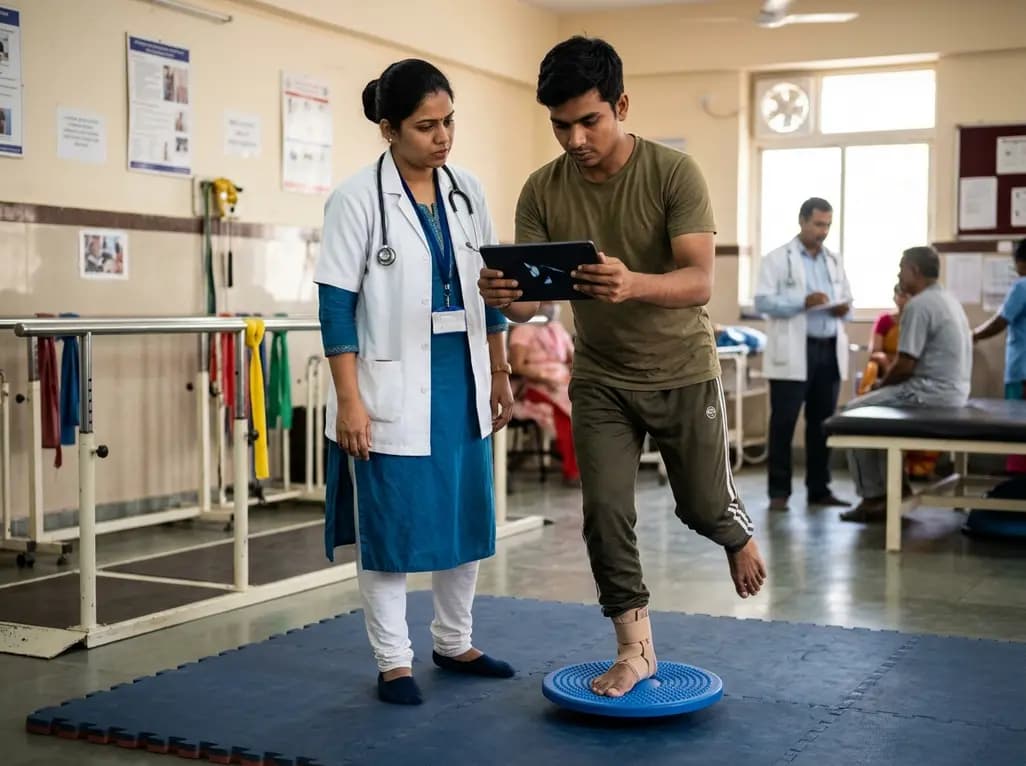
A randomized controlled trial demonstrates that an eight-week dual-task training intervention significantly improves static and dynamic postural control over standard balance exercises in individuals with chronic ankle instability, addressing critical neurocognitive deficits during athletic and daily activities.
Today

A retrospective cohort study of 7,716 ICU patients from the MIMIC-IV database demonstrates that Gradient Boosting Decision Trees significantly outperform traditional SOFA scores in predicting in-hospital mortality among patients with sepsis and diabetes, with SHAP analysis providing clinical interpretability.
Today
