.webp&w=384&q=75)

Loading, please wait...
Loading, please wait...
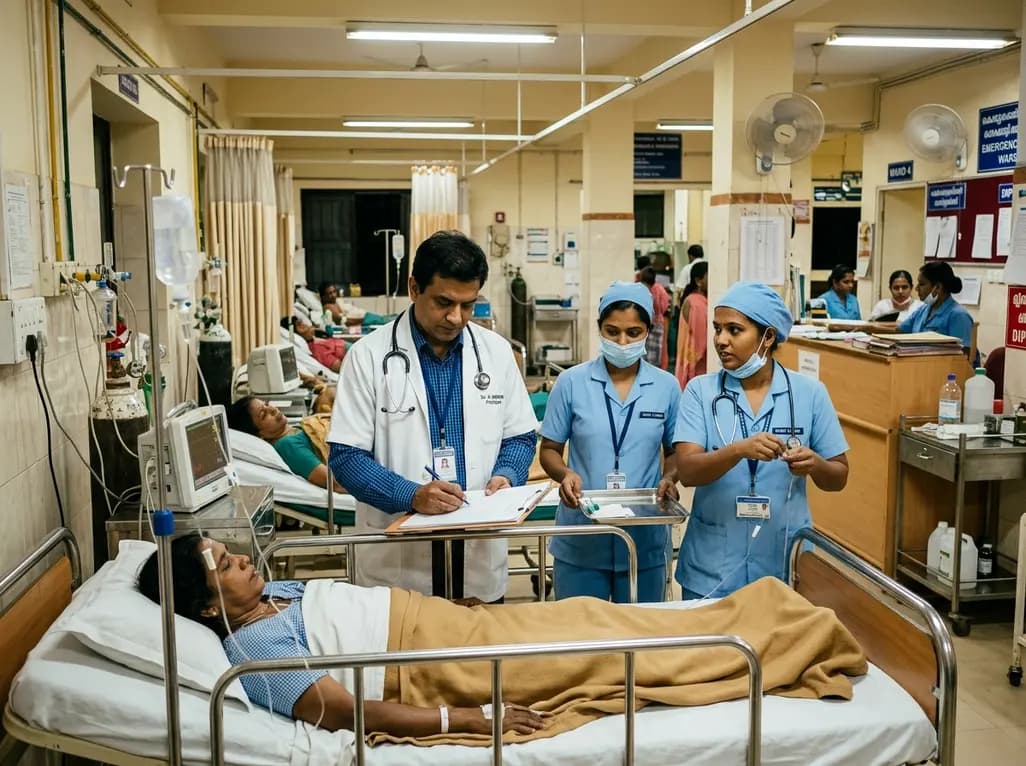
The Indian Medical Association (IMA) Kerala State Branch has formally requested the state government to grant a dedicated holiday-duty allowance for doctors, nursing professionals, and hospital staff who report for work on official public holidays. Medical facilities operate without interruption throughout the entire year. Consequently, clinical teams and healthcare workers continuously manage emergency departments and acute wards while the general workforce observes state-sanctioned holidays. The medical association stresses that fair compensation across all cadres is necessary to honour professional dedication.
The formal appeal submitted by the IMA Kerala branch highlights significant compensation disparities experienced by medical practitioners and allied health personnel. Healthcare workers across tertiary medical colleges, general hospitals, and primary health centres must provide continuous patient care during gazetted holidays. Specifically, this requirement impacts consultant doctors, resident medical officers, nurses, paramedics, radiology technicians, pharmacists, and ambulance drivers. These dedicated workers frequently sacrifice valuable family time and festive gatherings to sustain critical healthcare operations. IMA state president Dr M N Menon explicitly noted that hospital workflows never halt during significant cultural festivals such as Onam, Vishu, or Christmas. Furthermore, medical leaders maintain that granting this monetary allowance serves as a vital acknowledgment of professional sacrifice rather than a mere financial perk. Institutional operations heavily rely on dependable staffing schedules to maintain standard clinical protocols during public holidays. In addition, when healthcare personnel work during festive periods, they face substantial operational challenges and high patient volumes. Therefore, implementing a formal allowance validates their sustained contributions to public health.
Hospital environments require seamless operational continuity regardless of the calendar date or festive occasion. Essential hospital units including emergency rooms, casualty departments, intensive care units, labour rooms, and surgical suites remain functional every single day. Consequently, critical care teams manage acute trauma, obstetric emergencies, pediatric admissions, and sudden medical decompensations during public holidays. Dr M N Menon pointed out that clinical staff must remain perpetually alert to address unexpected surges in emergency presentations. Furthermore, acute surgical interventions and emergency diagnostic services cannot be postponed without severe patient risks. Thus, physicians, anesthesiologists, and operating theatre nurses maintain immediate readiness throughout day and night shifts. Additionally, paramedical staff and ambulance services provide rapid response capabilities for road traffic accidents and acute coronary cases during festivals. Hospital administrators recognize that maintaining full clinical readiness requires considerable dedication from on-duty personnel. Consequently, working through national and regional festivals imposes substantial emotional burdens on clinical staff members. Establishing a structured allowance acknowledges this persistent commitment to uninterrupted patient care.
The recent push by the medical fraternity gained momentum following the state government's decision to sanction a holiday allowance for police personnel. The IMA openly welcomed the progressive decision to recognize law enforcement officers who maintain public safety during festive celebrations. However, medical representatives argued that healthcare workers fulfill equally demanding and essential roles in protecting society. In fact, both medical professionals and police personnel operate as frontline responders during emergency situations and mass casualty events. Dr Menon asserted that individuals who safeguard community health deserve equal institutional recognition alongside those who maintain public order. Consequently, denying similar benefits to hospital workers creates an unjustified disparity between vital public service sectors. Furthermore, creating policy parity fosters collective morale and strengthens inter-departmental harmony during state emergencies. Administrative bodies must establish equitable remuneration standards that reflect the social value of medical care. In addition, fair compensation policies reduce perceived professional disparities among essential government employees. Therefore, extending the holiday allowance to hospital teams represents an equitable administrative reform.
Sustained work demands during holidays directly influence physician well-being, workforce retention, and overall job satisfaction. Clinical staff in acute environments such as intensive care units and casualty departments regularly experience physical exhaustion and psychological strain. Moreover, missing significant family celebrations to cover intensive hospital shifts often accelerates professional burnout among healthcare providers. Consequently, junior doctors and nursing professionals report escalating frustration when their extra efforts go unnoticed by regulatory authorities. Providing a structured holiday allowance acts as a tangible gesture of institutional empathy and institutional respect. Furthermore, meaningful recognition significantly elevates workplace morale, encouraging clinical teams to deliver attentive patient care. Research consistently shows that acknowledged healthcare personnel demonstrate higher resilience and lower rates of professional absenteeism. In addition, fair remuneration prevents talent migration from public institutions toward private sectors or international health systems. Therefore, health administrative bodies must prioritize employee welfare initiatives alongside clinical governance objectives. When governments invest in the psychological and financial well-being of healthcare workers, overall healthcare quality improves substantially.
The demand for a structured holiday incentive reflects wider human resource challenges within the Indian public healthcare sector. Currently, state medical systems face high patient loads, demanding duty rosters, and increasing medico-legal complexities. Additionally, young medical graduates often evaluate government service based on working conditions, fair remuneration, and institutional support. Consequently, adopting progressive welfare measures such as holiday pay enhances the attractiveness of public healthcare employment. Furthermore, clear compensation guidelines prevent administrative ambiguity and streamline hospital roster management during festive periods. Healthcare administrators can optimize emergency staffing when clear compensatory frameworks exist. In addition, public health experts argue that sustainable healthcare delivery depends fundamentally on supporting human resources. State governments must therefore allocate sufficient budgetary resources to implement comprehensive staff welfare policies. Moreover, transparent compensation structures reinforce professional accountability and improve institutional efficiency across government hospitals. Therefore, this administrative appeal serves as a critical benchmark for future healthcare workforce legislation.
Q1: Why is the IMA demanding a holiday-duty allowance for healthcare workers?
The Indian Medical Association is demanding this allowance because healthcare personnel provide essential, round-the-clock clinical care during public holidays while sacrificing personal and family time. Hospital units like intensive care units, emergency casualty wards, and labour rooms cannot halt operations. Therefore, the association seeks formal governmental recognition and equitable financial compensation for doctors, nurses, and hospital staff who sustain vital medical services during festive occasions.
Q2: What triggered the recent appeal by the medical association in Kerala?
The primary catalyst for this appeal was the state government's formal decision to sanction a holiday allowance for police personnel on festival duty. Consequently, the medical association highlighted that healthcare professionals protect public health around the clock under demanding conditions. The IMA emphasized that medical personnel deserve equal institutional recognition and urged authorities to extend an identical financial allowance to hospital teams working during public holidays.
Q3: Which hospital cadres would benefit from this proposed holiday allowance?
The proposed allowance is intended to benefit all essential hospital personnel who maintain clinical operations on public holidays. This multidisciplinary group includes consultant physicians, junior doctors, registered nursing staff, laboratory technicians, pharmacists, and ambulance personnel. Furthermore, casualty workers and supportive healthcare staff across critical hospital units would receive this financial recognition for managing emergency admissions, surgical interventions, and acute patient care during state-wide holidays.
Disclaimer: This content is for informational and educational purposes only. It does not constitute medical advice or replace professional judgment. Refer to the latest local and national guidelines for clinical practice.
References

Read summarized clinical updates, watch expert medical content, and earn CME certifications right from your smartphone.
Open your smartphone camera to scan and install.





The Indian Medical Association has appealed to the Kerala government to implement a holiday duty allowance for doctors, nurses, and hospital staff working on public holidays. Pointing to similar benefits granted to police forces, the IMA emphasizes continuous healthcare operations and fair recognition for medics.
last month
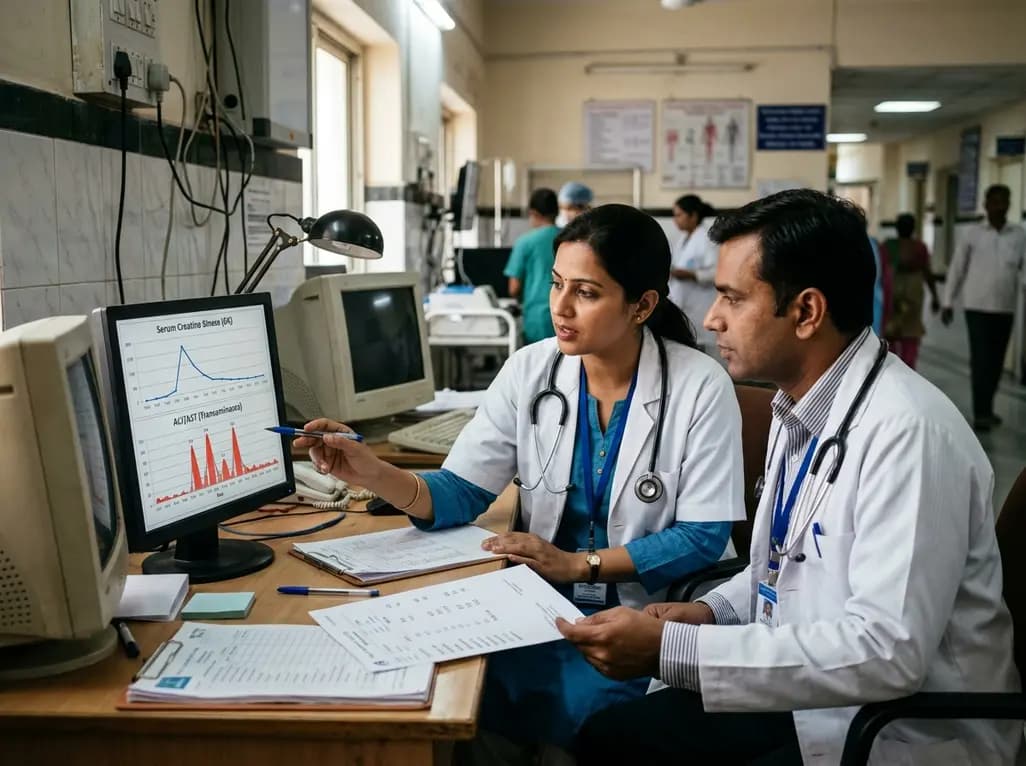
A recent case shows that exertional rhabdomyolysis can trigger marked transaminase spikes despite moderate creatine kinase elevation. Preserved hepatic synthetic function confirms muscle injury rather than liver failure, guiding conservative hydration and preventing unnecessary invasive diagnostics.
Today
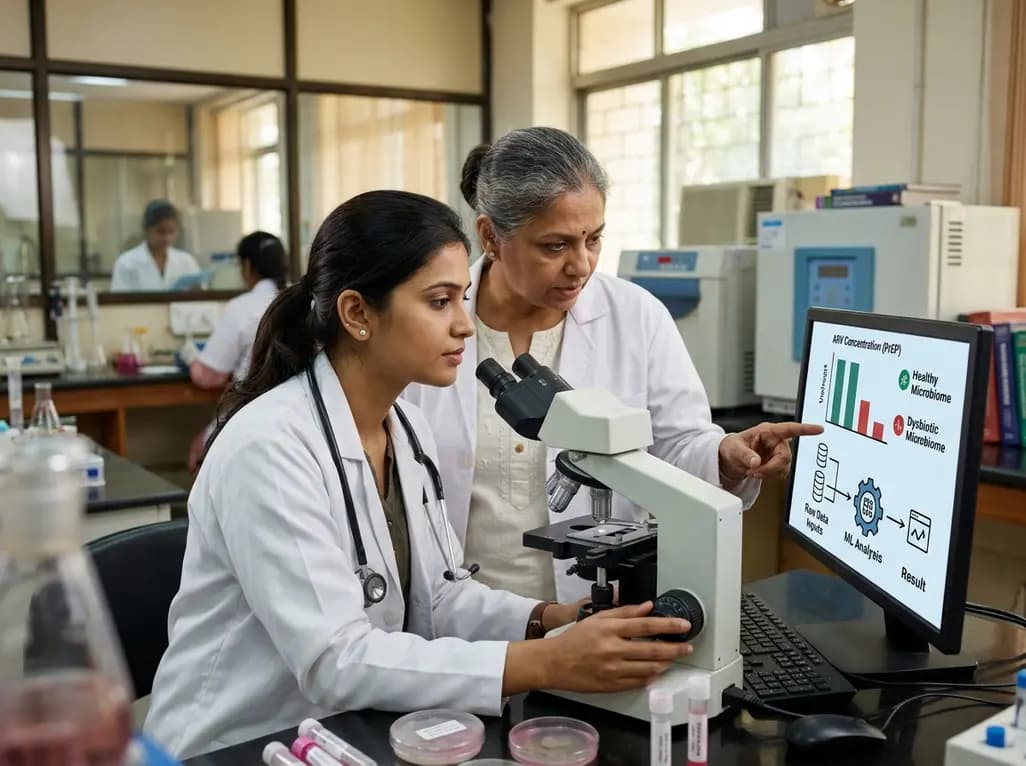
A pharmacometric and machine learning study reveals that specific vaginal bacteria alter cervical antiretroviral exposure, highlighting the need for precision HIV PrEP strategies.
Today
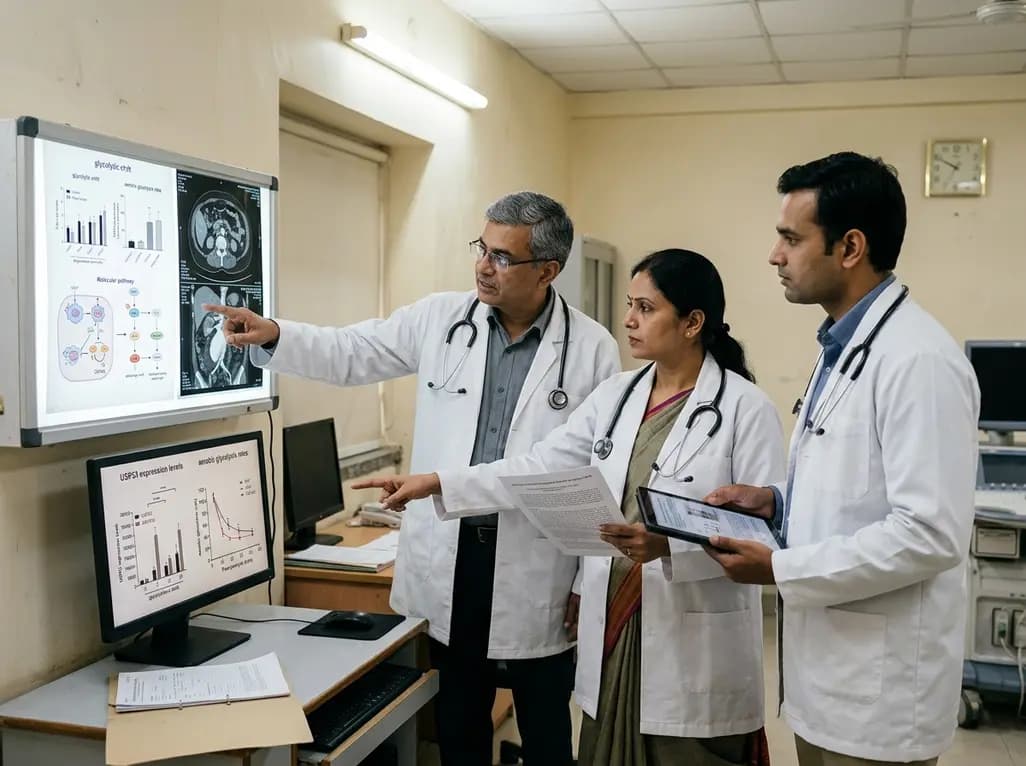
Abdominal aortic aneurysm rupture remains a catastrophic vascular emergency. Groundbreaking research reveals that USP53 accelerates aneurysm progression by reprogramming smooth muscle cell metabolism toward aerobic glycolysis, highlighting a promising target beyond conventional diameter-based surveillance.
Today
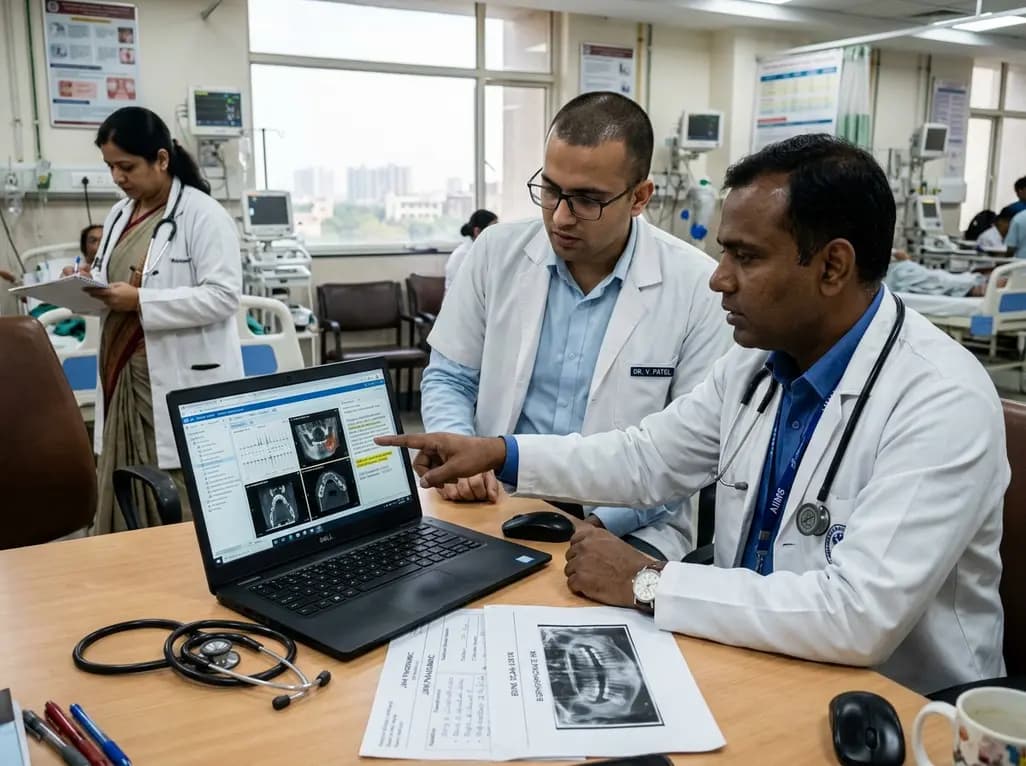
A breakthrough study leverages natural language processing to accurately identify incident medication-related osteonecrosis of the jaw and track antiresorptive drug holidays from clinical narratives in electronic health records, advancing osteoporosis pharmacovigilance and dental safety.
Today
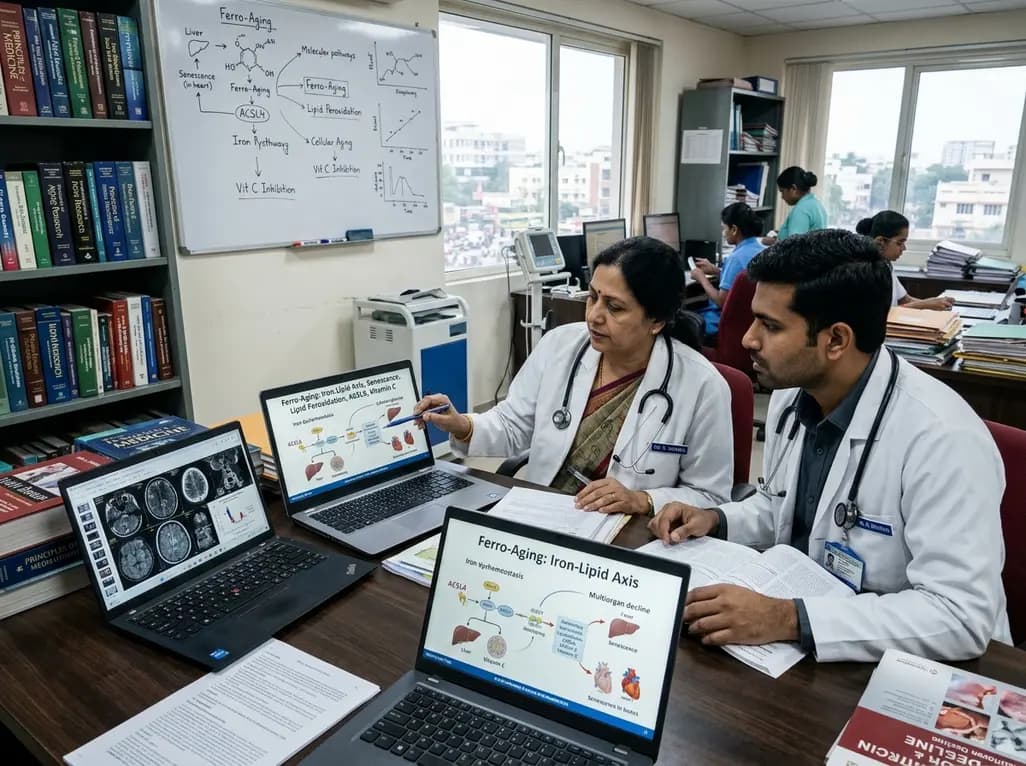
Recent research defines ferro-aging as a conserved iron-lipid axis driving organ decline across primates. Age-related iron dyshomeostasis stimulates ACSL4-mediated lipid peroxidation, promoting cellular senescence. Notably, vitamin C directly inhibits ACSL4, suppressing phospholipid oxidation and multi-organ decay.
Today
