

Loading, please wait...
Loading, please wait...

PEAChY-M was an open-label, multicentre RCT in 10 Australian emergency departments. It enrolled 348 patients aged 9–17 with acute behavioural disturbance needing IM sedation. Patients received a single weight-based dose of olanzapine (n=176) or droperidol (n=172). The primary outcome was successful sedation without extra sedatives at 1 hour. This occurred in 53% with olanzapine vs 62% with droperidol. The adjusted risk difference was −8.3% (95% CI −18.6% to 2.1%; P=.12). Additional sedation was needed in 32% vs 24%. Staff exposure to aggression was 38% in both groups. Study-related adverse events to discharge were 12% vs 15%. One serious event (apnoea) occurred with olanzapine. The authors concluded that olanzapine was not meaningfully more effective than droperidol. Both drugs showed limited effectiveness.

Read summarized clinical updates, watch expert medical content, and earn CME certifications right from your smartphone.
Open your smartphone camera to scan and install.





PEAChY-M was an open-label, multicentre RCT in 10 Australian emergency departments. It enrolled 348 patients aged 9–17 with acute behavioural disturbance needing IM sedation. Patients received a single weight-based dose of olanzapine (n=176) or droperidol (n=172). The primary outcome was successful sedation without extra sedatives at 1 hour. This occurred in 53% with olanzapine vs 62% with droperidol. The adjusted risk difference was −8.3% (95% CI −18.6% to 2.1%; P=.12). Additional sedation was needed in 32% vs 24%. Staff exposure to aggression was 38% in both groups. Study-related adverse events to discharge were 12% vs 15%. One serious event (apnoea) occurred with olanzapine. The authors concluded that olanzapine was not meaningfully more effective than droperidol. Both drugs showed limited effectiveness.
Today
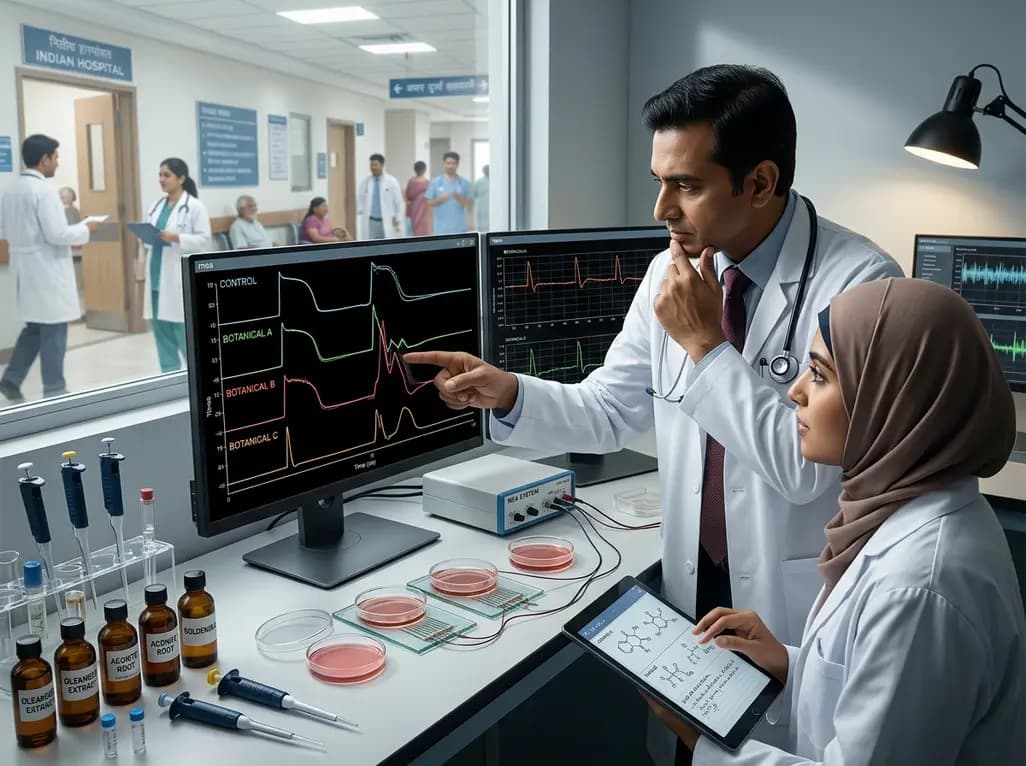
A landmark study evaluated 16 botanical extracts using human iPSC-derived cardiomyocytes and microelectrode array technology. The findings revealed potent electrophysiological hazards for herbs like oleander, aconite, and goldenseal, offering essential safety insights for clinicians evaluating herbal supplements.
Today
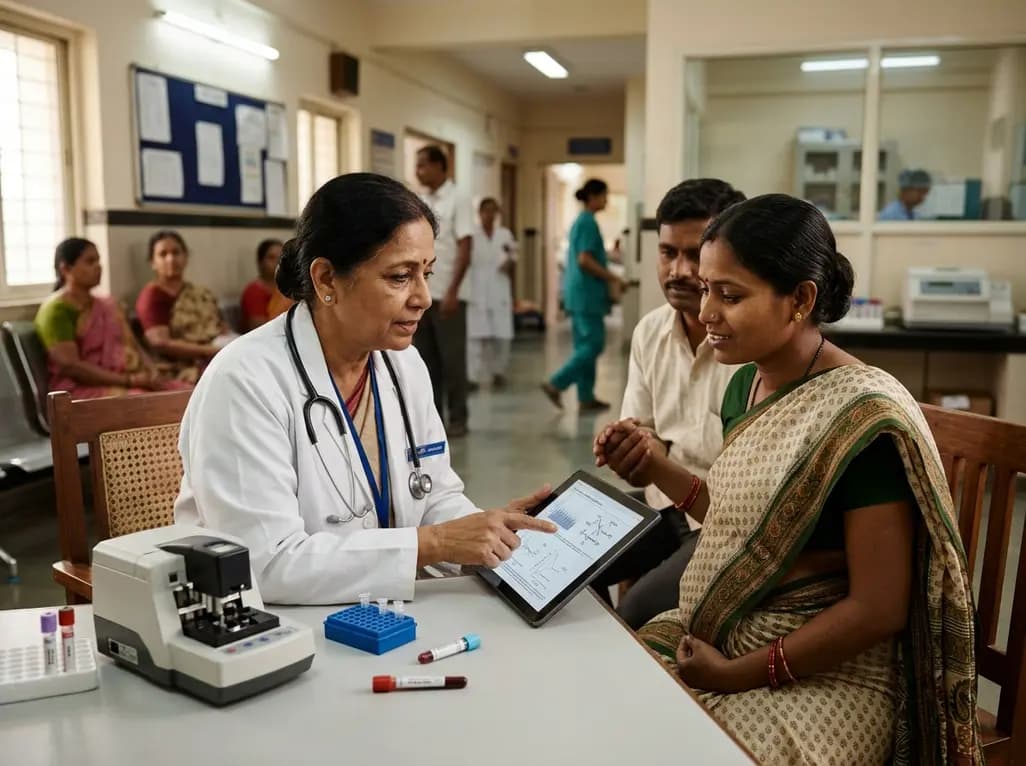
Researchers have engineered a sensitive electrochemiluminescent sandwich immunosensor utilizing silver nanoparticles and quantum dots to quantify placental growth factor, paving the way for rapid, accurate, and accessible early preeclampsia screening in clinical practice.
Today
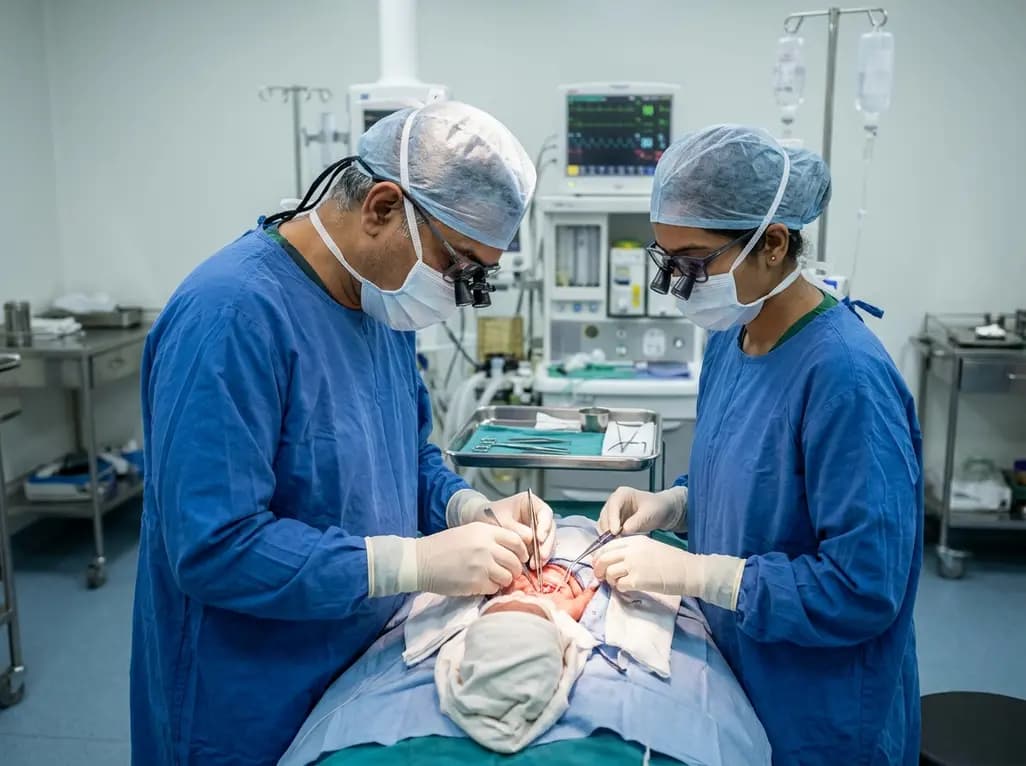
This report reviews the successful off-pump surgical retrieval of a migrated patent ductus arteriosus closure device in an 8-week-old preterm infant, preventing cardiopulmonary bypass morbidity while relieving aortic obstruction.
Today

A new visual nomogram predicts postinfectious bone loss in spinal infection patients with high accuracy (AUC 0.946). Integrating markers like osteoporosis and MDR infection, the model aids early risk stratification to prevent spinal instability and deformity.
Today

As lifestyle diseases surge across India, clinicians face rising challenges from dietary misinformation and unmonitored therapies. Prioritising structured nutrition therapy, evidence-based self-care, and robust regulatory oversight offers a sustainable pathway to counter metabolic dysfunction and enhance patient health.
Today
