

Loading, please wait...
Loading, please wait...

Living with a chronic neurological condition presents unique psychosocial developmental hurdles during teenage years. Specifically, adolescents with epilepsy encounter distinct hurdles as they navigate self-perception, peer relationships, and academic transitions while managing unpredictable seizures. A recent qualitative study explores how these young individuals construct their sense of self in relation to their medical condition. Healthcare professionals must recognize this psychological variability to tailor supportive interventions effectively. Consequently, clinical care must extend beyond pharmacological seizure control to foster resilient self-concepts and long-term psychological well-being.
Adolescence represents a critical period of physical growth, psychological individuation, and social consolidation. However, the unexpected onset of seizures disrupts this normal developmental trajectory. When clinicians manage chronic pediatric illness, they frequently focus on diagnostic tests and medication adherence. Nevertheless, how teenagers integrate a chronic diagnosis into their self-concept significantly impacts their overall health outcomes. Illness identity refers to the degree to which a medical condition integrates into a person's global identity. For many youths, an illness identity can range from healthy acceptance to complete personal engulfment or hostile rejection. Moreover, poorly integrated disease perceptions heighten the risk of severe depressive symptoms, social anxiety, and academic decline. In clinical practice, adolescents often perceive seizures as unpredictable threats to personal autonomy and social belonging. Because stigma remains widespread in schools and communities, young patients frequently conceal their diagnosis. Therefore, examining illness identity provides pediatricians and neurologists with critical insight into patient behavior and emotional distress. Recognizing these subjective perceptions enables practitioners to deliver empathetic, personalized care during clinical encounters. As a result, healthcare teams can address hidden emotional burdens before maladaptive coping patterns become entrenched.
To characterize how teenagers conceptualize their diagnosis, researchers conducted qualitative in-depth interviews using phenomenological methodology. The analysis utilized Colaizzi's established qualitative framework alongside the dual-function model of social adjustment. Consequently, researchers identified four interdependent dimensions that govern portrait construction. First, demographic characteristics encompass patient age, developmental maturity, and educational level. Second, disease-cognitive characteristics capture the patient's factual comprehension of seizure etiology, treatment expectations, and symptom literacy. Third, psychological characteristics reflect individual emotional resilience, internal coping strategies, self-esteem, and vulnerability to depressive affect. Finally, social adjustment characteristics assess interpersonal connections, school participation, peer acceptance, and perceived societal stigma. These four domains do not function in isolation. Instead, they interact dynamically to shape how a teenager perceives their place in society. For example, high health literacy frequently buffers psychological distress, whereas negative peer experiences exacerbate emotional withdrawal. Furthermore, parental attitudes and family support systems strongly influence how adolescents negotiate these four dimensions. By evaluating these specific pillars, multidisciplinary teams can systematically assess each adolescent's psychosocial trajectory. Thus, this multidimensional perspective moves clinical evaluation beyond standard symptom checklists into comprehensive, person-centered adolescent health management.
Based on the synthesis of these four dimensions, the study delineated four discrete illness identity portraits. The first profile represents the adaptive portrait. Adolescents in this group demonstrate accurate disease cognition, robust emotional resilience, and active social adjustment. They accept epilepsy as a manageable health condition without allowing it to define their entire self-worth. In contrast, the second profile reflects the ambivalent portrait. These individuals understand their diagnosis intellectually, yet they experience significant internal emotional conflict. They frequently oscillate between productive self-care and profound anxiety regarding future social acceptance. The third profile encompasses the vulnerable portrait. Patients within this subgroup endure high emotional fragility, diminished self-esteem, and acute sensitivity to real or anticipated stigma. Consequently, they often withdraw socially, report heightened loneliness, and display suboptimal adherence to therapy. The fourth profile portrays the denial portrait. Adolescents in this category actively reject their diagnosis, minimize seizure risks, and avoid medical discussions. Consequently, they frequently engage in risky behaviors, miss prescribed medication doses, and reject necessary clinical accommodations. Therefore, recognizing these four distinct patterns allows clinicians to swiftly identify underlying emotional risks and tailor their communication style during routine consultations.
Recognizing these distinct illness portraits provides immediate practical utility for hospital and outpatient clinical environments. Pediatric neurologists, psychiatrists, and allied health professionals must collaborate to identify each patient's specific portrait early in the diagnostic pathway. For instance, adolescents exhibiting an adaptive portrait require regular reinforcement, autonomy-building guidance, and reassurance to sustain positive coping mechanisms. Conversely, youths displaying an ambivalent portrait benefit from targeted cognitive reframing to resolve underlying fears about independence and social judgment. Meanwhile, healthcare teams must prioritize vulnerable adolescents for immediate psychological screening and specialized counseling services. Because this vulnerable group faces elevated risks of depressive disorders, clinicians must establish proactive referral networks with child and adolescent psychologists. For patients in the denial portrait, confrontational education often fails and may worsen disengagement. Instead, clinicians should employ motivational interviewing, patient-led goal setting, and peer support programs to gradually cultivate self-management skills. Furthermore, clinicians must involve parents judiciously in these therapeutic dialogues. Overprotective parenting can inadvertently reinforce feelings of vulnerability, whereas supportive guidance empowers adolescent autonomy. Ultimately, embedding portrait assessment into routine clinical practice bridges the gap between biomedical seizure control and holistic psychological health.
Community health nurses and school healthcare workers serve as vital linchpins during care transitions and home visits. Because they interact with adolescents in natural living environments, nurses can observe real-world challenges that hospital visits overlook. Specifically, community nurses can utilize these four illness portraits to deliver customized psychosocial education during home assessments. When working with vulnerable adolescents, nurses can facilitate local peer support groups and guide families toward community mental health resources. In addition, nurses can conduct educational sessions within schools to dispel pervasive myths about seizure disorders. By demystifying epilepsy among teachers and classmates, nursing interventions directly dismantle the stigma that drives denial and ambivalence. Moreover, home-visiting clinicians can assess medication storage, daily routines, and lifestyle factors in a non-judgmental environment. This real-world setting allows nurses to identify subtle signs of treatment non-adherence among teenagers in denial. Community teams can also offer structured transition programs as adolescents graduate from pediatric care to adult neurology services. Consequently, continuous community-based nursing support prevents care dropouts and builds adolescent self-efficacy. Thus, translating illness identity portraits into frontline community practices provides a practical roadmap for compassionate, comprehensive adolescent care.
Illness identity directly influences medication adherence and health behaviors. Adolescents with an adaptive identity accept their condition and reliably adhere to prescribed antiepileptic therapy. In contrast, teenagers exhibiting denial portraits often deliberately skip medication doses to feel normal or avoid peer stigma. Similarly, vulnerable adolescents may neglect treatment routines due to feelings of hopelessness or low self-efficacy. Therefore, assessing identity profiles helps clinicians address specific behavioral barriers before non-adherence triggers breakthrough seizures.
Community health nurses bridge the gap between specialized tertiary neurology clinics and home environments. Through home visits and school interactions, nurses directly observe the social dynamics, family interactions, and peer challenges that shape an adolescent's identity portrait. Consequently, nurses deliver personalized psychosocial counseling, educate teachers, and identify early emotional distress. Their continuous presence helps vulnerable or ambivalent adolescents build self-management skills, reduce felt stigma, and safely navigate transition into adult healthcare systems.
Clinicians differentiate these profiles by observing emotional expression, disease awareness, and coping behaviors. Adolescents in the vulnerable portrait openly acknowledge their epilepsy but experience severe anxiety, emotional fragility, and low self-worth. They often withdraw socially out of intense fear of stigma. Conversely, teenagers in the denial portrait actively minimize or reject their diagnosis entirely. They downplay seizure risks, resist taking medication, and avoid medical discussions to maintain an illusion of complete normalcy.
Disclaimer: This content is for informational and educational purposes only... Refer to the latest local and national guidelines for clinical practice.
References

Read summarized clinical updates, watch expert medical content, and earn CME certifications right from your smartphone.
Open your smartphone camera to scan and install.





A qualitative study identifies four illness identity portraits—adaptive, ambivalent, vulnerable, and denial—in adolescents with epilepsy. Learn how multidimensional profiling empowers pediatricians, neurologists, and nurses to implement tailored psychosocial interventions.
Today
A validation study evaluates the consumer-grade InBody Dial H30 bioelectrical impedance device against a 3-compartment criterion in recreationally active adults, revealing a slight overestimation in body fat percentage and underestimation in fat-free mass alongside notable individual limits of agreement.
Today
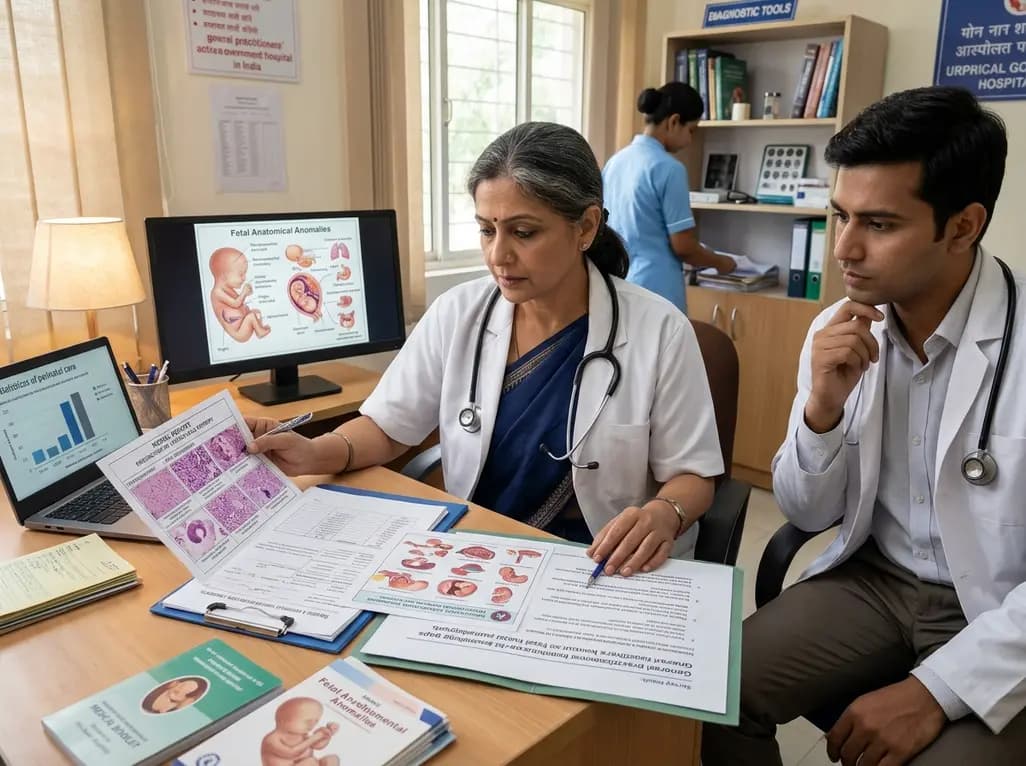
A nationwide survey reveals substantial knowledge gaps among general practitioners regarding fetal pathology and autopsy. Enhanced training and interdisciplinary communication are vital to guide stillbirth evaluation, clarify autopsy consent, and improve preconception counseling for bereaved parents.
Today
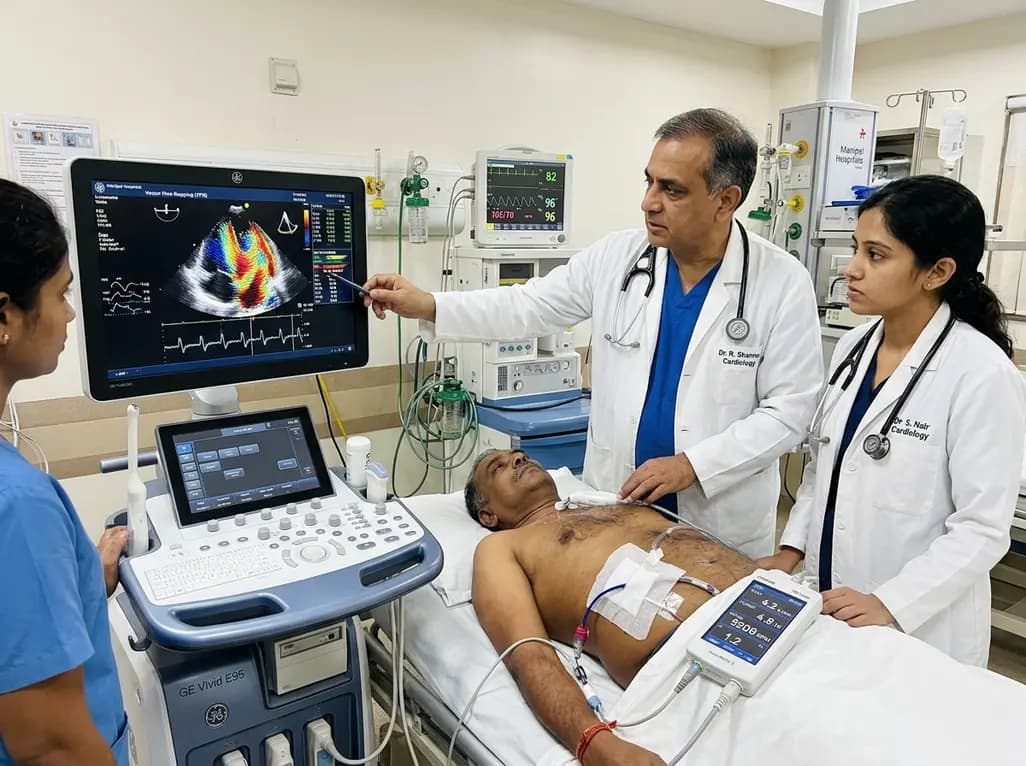
A pilot study shows that transesophageal echocardiography with vector flow mapping measures intraventricular energy loss in HeartMate 3 LVAD recipients. Energy loss significantly correlates with controller-displayed pump flow, offering clinicians deeper insights into ventricular unloading and intracardiac fluid mechanics.
Today

A comparative study demonstrates that simple and complex labral tears achieve comparable functional outcomes and low recurrence rates following arthroscopic stabilization for anterior shoulder instability, despite differing clinical presentations and dislocation histories.
Today

A nationwide analysis shows that inpatient lifestyle counseling for type 2 diabetes remains remarkably underutilized despite modest gains. Clinicians must bridge persistent demographic disparities and integrate structured dietary and exercise counseling into routine hospital discharge workflows.
Today
