.webp&w=384&q=75)

Loading, please wait...
Loading, please wait...
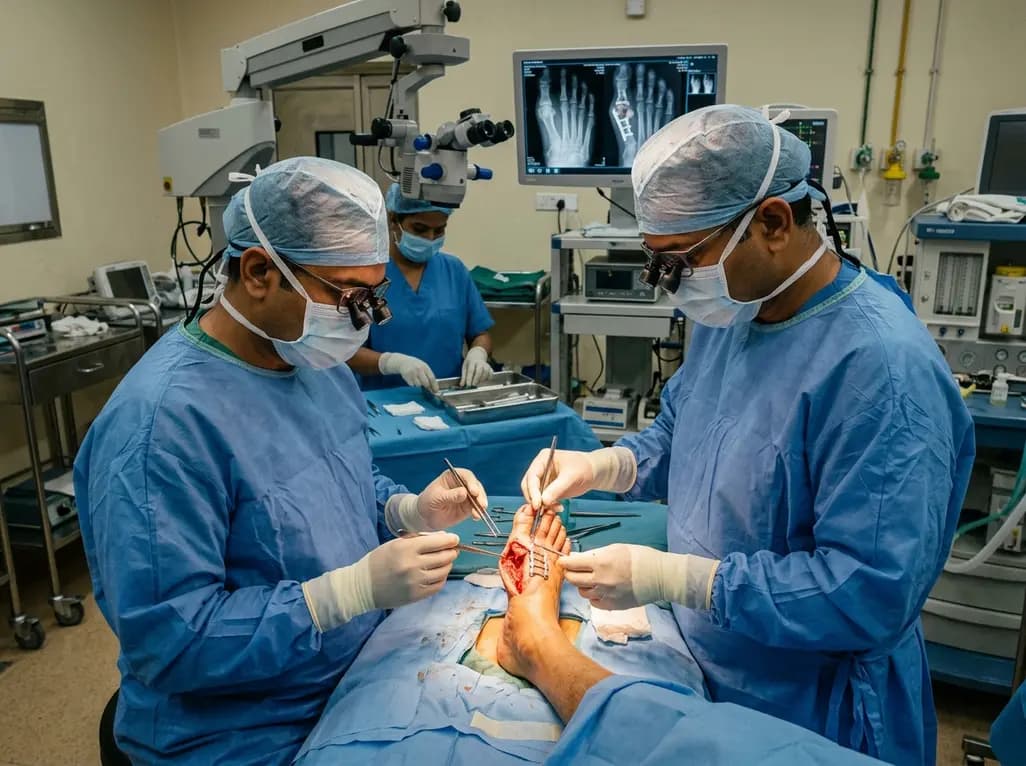
Failed surgical intervention involving the first metatarsophalangeal joint frequently causes substantial structural deficit, persistent pain, and transfer metatarsalgia. When index procedures such as failed arthroroplasty, aggressive resection, or recurrent nonunion leave extensive skeletal defects, iliac crest bone-block arthrodesis serves as a dependable reconstruction strategy. Foot and ankle surgeons must simultaneously re-establish mechanical ray alignment, restore length, and achieve stable arthrodesis to restore forefoot biomechanics.
Revision surgery of the first metatarsophalangeal joint is inherently complex because prior operations often compromise both bone stock and soft tissue viability. When extensive bone loss occurs, direct end-to-end arthrodesis results in substantial shortening of the first ray. Consequently, excessive shortening shifts plantar pressures laterally, leading to severe transfer metatarsalgia and gait disturbances. Furthermore, scarring from prior incisions limits skin elasticity and elevates the risk of wound dehiscence. Surgeons must therefore address these structural deficits using an interposition structural graft. While various graft options exist, structural autografts provide unmatched osteoinductive, osteoconductive, and osteogenic properties. Nevertheless, harvest site morbidity remains a practical concern. Careful surgical planning is essential to evaluate vascular status, previous hardware failure, and the extent of metatarsal or phalangeal deficiency. Surgeons must also distinguish between aseptic loosening, biological failure, and low-grade periprosthetic infection before proceeding with definitive reconstruction. Addressing these complex factors methodically ensures predictable mechanical and functional restoration.
Successful iliac crest bone-block arthrodesis requires meticulous surgical technique, precise graft shaping, and rigid internal fixation. First, the surgeon performs a thorough debridement of the nonunion site, excising all nonviable bone, fibrous tissue, and failed hardware. Next, healthy bleeding cancellous bone surfaces are prepared at both the metatarsal and proximal phalangeal interfaces. The surgical team then harvests a tricortical bone block from the anterior iliac crest, custom-tailoring it to match the exact dimensions of the defect. Most structural defects require a graft length between 10 mm and 15 mm to restore first ray length without excessive tension on neurovascular structures. Afterward, surgeons position the graft to preserve 10 to 15 degrees of hallux valgus and slight dorsiflexion relative to the floor. Rigid fixation is typically achieved using a low-profile dorsal locking plate, often supplemented by interfragmentary compression screws across both graft-host junctions. This construct provides optimal mechanical stability, which promotes rapid vascular ingrowth and early osseous incorporation.
Recent long-term clinical data demonstrate that interposition bone-block fusion delivers excellent structural outcomes despite severe preoperative bone loss. In a prominent cohort of 72 patients undergoing revision with tricortical autograft, primary radiographic union reached 93.1 percent. Furthermore, secondary grafting successfully salvaged additional cases, raising the final cumulative fusion rate to 97.2 percent. Persistent nonunion occurred in only 2.8 percent of cases, underscoring the superior biological potency of autologous tricortical bone. Radiographic assessments confirmed that reconstructing ray length effectively prevented shortening-induced lateral metatarsal overload. In these cohorts, the median graft length measured 11 mm, which adequately restored the native metatarsal parabola. Radiographs also demonstrated robust trabecular bridging across both the proximal and distal graft interfaces over time. Therefore, despite the presence of two separate fusion interfaces, autologous structural grafting achieves osseous union rates comparable to primary simple arthrodesis. These findings provide solid objective support for autograft use in extensive revision cases.
In addition to high fusion rates, clinical investigations demonstrate dramatic improvements in patient-reported outcome measures following salvage arthrodesis. Preoperatively, patients typically experience debilitating pain, with median visual analog scale pain scores often reaching 8 out of 10. Following successful iliac crest reconstruction and solid union, median pain scores drop substantially to 0 at two-year follow-up. Moreover, broader quality-of-life metrics reflect substantial functional gains. General physical and mental health indices, measured by instruments such as the Short Form 36 health survey, improve from a median baseline of 55 to post-reconstruction scores of 88. Patients regain stable propulsion during the terminal stance phase of gait, effectively resolving compensatory limping. In addition, restoring the first ray alleviates overload on the lesser metatarsal heads, which eliminates secondary transfer metatarsalgia. Consequently, patients report high overall satisfaction rates, improved footwear tolerance, and meaningful return to daily physical activities after completing rehabilitation.
Although functional gains are substantial, iliac crest bone-block arthrodesis carries a high overall complication rate that demands vigilant perioperative management. Approximately 44.4 percent of patients experience at least one postoperative complication, and roughly 6.9 percent require unplanned reoperations. Common issues include superficial wound healing delay, hardware prominence, localized cellulitis, and temporary donor-site morbidity. Furthermore, systemic patient factors significantly modulate clinical success. Exploratory analyses reveal that systemic comorbidities, such as diabetes mellitus, peripheral vascular disease, and active smoking, correlate with less favorable pain relief and functional outcomes. Similarly, larger structural defects requiring longer graft lengths face greater mechanical stress and biological demands. Longer grafts inherently increase soft-tissue tension across the wound closure, which heightens the risk of skin necrosis. Therefore, clinicians must thoroughly optimize systemic risk factors, emphasize strict smoking cessation, and employ gentle soft-tissue handling during complex reconstructive procedures.
For orthopedic and foot and ankle specialists, these clinical findings reinforce interposition bone-block fusion as the gold-standard salvage technique for failed first MTP surgery with substantial bone deficit. Alternative techniques, including structural allografts or synthetic spacers, often exhibit lower biological integration and higher failure rates in compromised revision beds. Autologous tricortical grafting remains the benchmark because it delivers structural strength alongside immediate osteogenic cells. However, surgical decision-making must balance the benefits of ray restoration against the elevated risk profile in medically complex patients. Preoperative patient counseling should transparently outline the prolonged non-weight-bearing period, donor site pain, and elevated complication incidence. Additionally, using modern low-profile anatomically contoured locking plates provides the rigid construct necessary to withstand ambulatory stresses. By adhering to meticulous debridement, anatomical alignment principles, and strict patient selection, surgeons can reliably rescue failed first ray surgeries and achieve durable joint stability.
Restoring first ray length is critical because significant shortening disrupts forefoot biomechanics and load transfer. When the first ray remains short, ground reaction forces shift laterally onto the second and third metatarsal heads during gait. This abnormal pressure distribution causes severe transfer metatarsalgia, intractable plantar keratoses, and stress fractures. Structural bone grafting restores the anatomical metatarsal parabola, relieving lateral column overload.
The primary risk factors for complications include patient comorbidities such as diabetes, peripheral vascular disease, chronic immunosuppression, and active smoking. Furthermore, larger structural defects requiring longer bone grafts significantly increase tension on skin closures. Excessive soft tissue tension elevates the risk of wound breakdown, superficial infection, delayed union, and donor site morbidity, requiring proactive perioperative management.
Autologous iliac crest bone provides viable osteocytes, osteoinductive growth factors, and a rigid mineral scaffold, enabling rapid vascularization and superior union rates. In contrast, structural allografts lack cellular viability and incorporate primarily through slow creeping substitution. Consequently, allografts carry higher risks of nonunion and graft resorption in compromised revision environments, making autologous bone the gold-standard salvage option.
Disclaimer: This content is for informational and educational purposes only and is not intended to serve as a substitute for professional medical advice, diagnosis, or treatment. Medical knowledge is constantly evolving, and clinical practices may vary based on individual patient circumstances and regional clinical guidelines. Healthcare professionals should evaluate individual patient cases and exercise clinical judgment. The authors and publishers are not liable for any clinical decisions made based on this material. Refer to the latest local and national guidelines for clinical practice.
References

Read summarized clinical updates, watch expert medical content, and earn CME certifications right from your smartphone.
Open your smartphone camera to scan and install.





Failed first MTP joint surgery with bone loss presents complex revision challenges. This article evaluates the radiographic union, clinical outcomes, complication rates, and prognostic factors of revision using autologous tricortical iliac crest bone-block arthrodesis.
4 weeks back
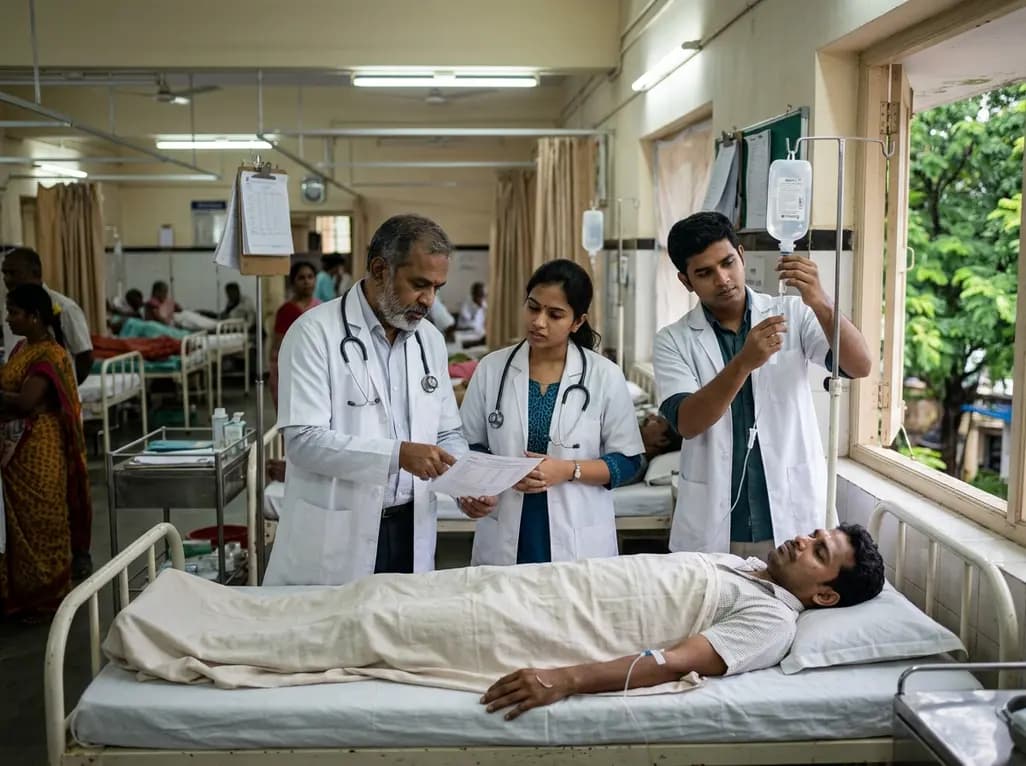
With post-monsoon dengue surges threatening South Asian health systems, physicians must refine triage and management. This guide covers vital warning signs, plasma leakage detection, crystalloid titration, and vector containment strategies to prevent mortality during seasonal arboviral epidemics.
Today
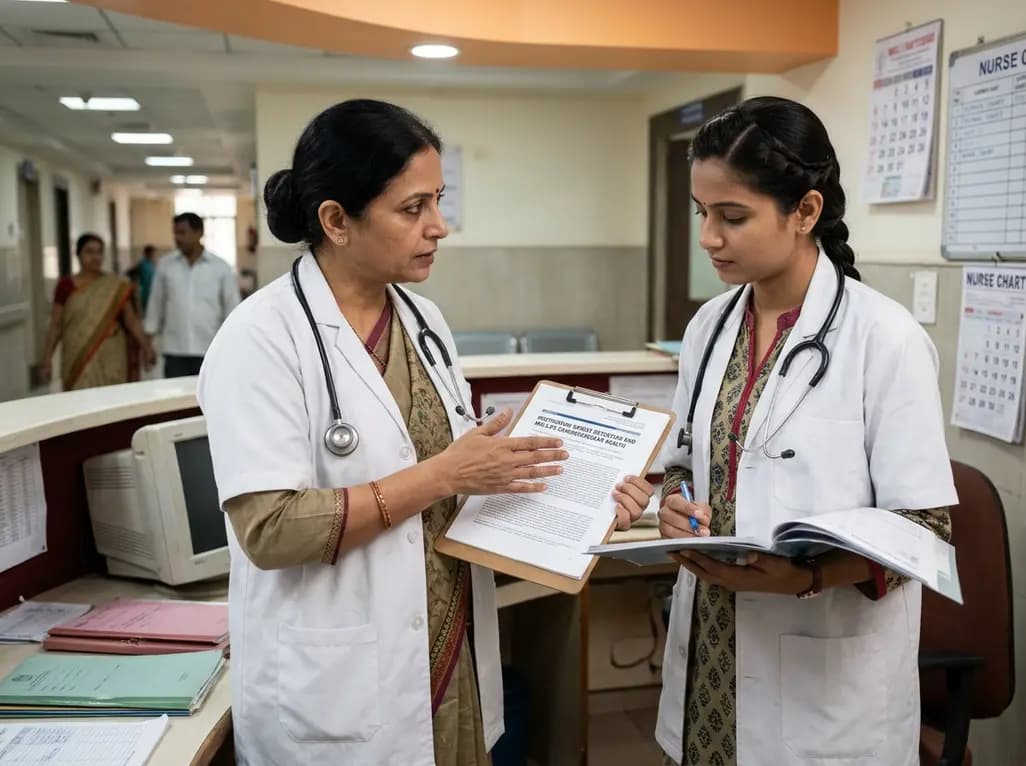
Findings from Project Viva indicate that sustained postpartum weight retention, rather than excessive gestational weight gain alone, directly worsens women's mid-life cardiovascular health, degrading blood pressure and glycemic parameters decades after delivery.
Today
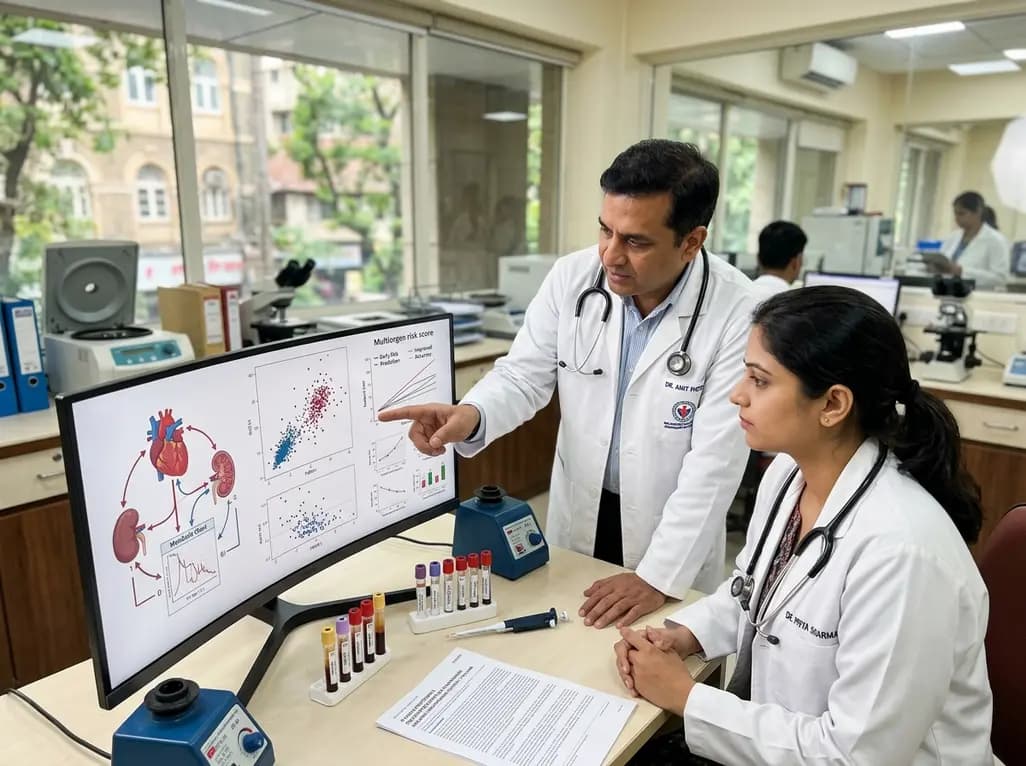
A large UK Biobank study reveals that plasma proteomic signatures capture preclinical organ damage and improve multiorgan risk prediction across early CKM syndrome stages 0 to 2 beyond traditional PREVENT clinical models.
Today
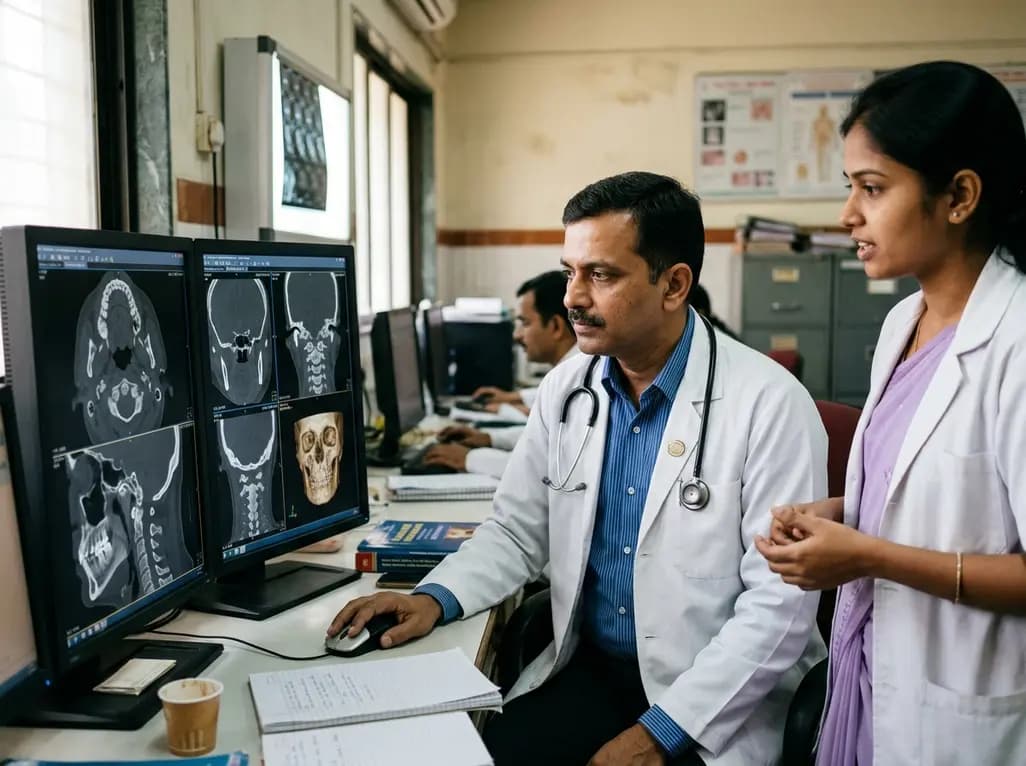
A retrospective CBCT study reveals that superior TMJ space asymmetry correlates moderately with occipital condyle-atlas-axis asymmetry in unilateral TMJ osteoarthritis, highlighting an imaging correlate between jaw biomechanics and upper cervical alignment rather than a standalone diagnostic marker.
Today
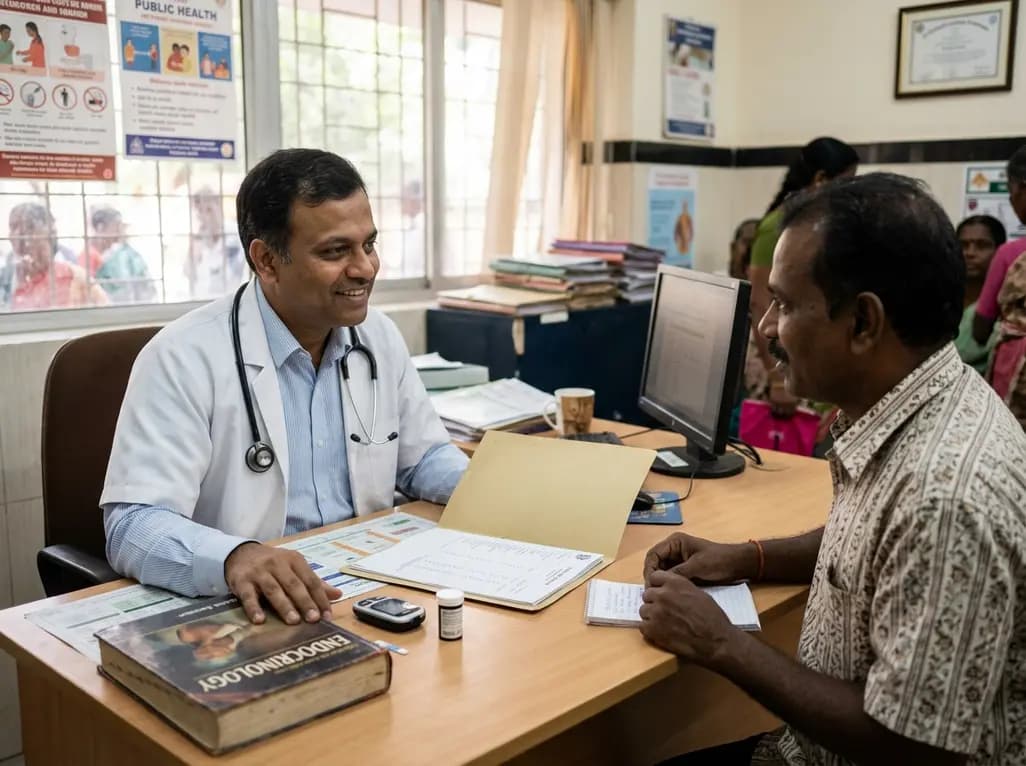
A Bayesian multilevel meta-analysis reveals that aerobic training combined with moderate carbohydrate restriction modestly lowers HbA1c in type 2 diabetes. However, sparse data and very low certainty leave incremental benefits over exercise or diet alone unproven, highlighting the need for individualized care.
Today
