.webp&w=384&q=75)

Loading, please wait...
Loading, please wait...
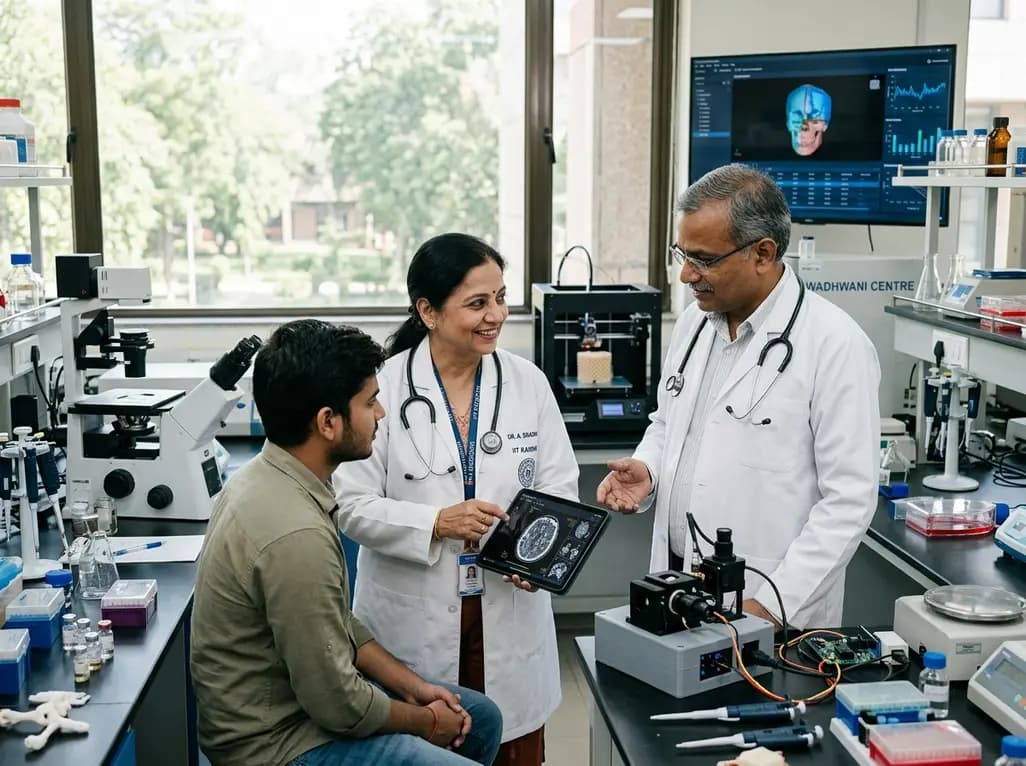
Medical innovation in India faces a critical hurdle as only a small fraction of laboratory discoveries reach active clinical use. To address this persistent translational bottleneck, the Indian Institute of Technology Kanpur recently established the Wadhwani Innovation Centre for Life Sciences and Medical Technologies. Supported by five million dollars in funding across five years, this initiative empowers scientists to transition breakthrough biomedical discoveries into commercial therapeutic and diagnostic tools for clinicians.
Academic institutions generate numerous high-impact health ideas, but moving past bench research demands structured industry backing. Consequently, the Wadhwani Innovation Centre functions as a specialised Centre of Excellence within the Wadhwani Innovation Network. The initiative directly bridges the gap between fundamental laboratory bench research and clinical market readiness. Furthermore, the centre assists scientific investigators through technology validation, intellectual property protection, and commercial venture formation. Professor Manindra Agrawal highlighted that the institute possesses a deep biomedical foundation. This framework spans gene therapy, neuroengineering, and intelligent robotic systems. In addition, the collaborative initiative connects technical teams with seasoned venture strategists. Mentors help investigators identify relevant unmet clinical needs early in the product lifecycle. Therefore, innovators avoid designing laboratory instruments that lack clinical workflow viability. By formalising patent filings and licensing pathways, the centre protects intellectual assets systematically. As a result, domestic biomedical discoveries can achieve sustainable commercialisation while remaining accessible to Indian healthcare providers.
The facility prioritises therapeutic and diagnostic innovations across diverse branches of modern clinical practice. Specifically, researchers will target drug delivery advancements, novel therapeutics, and advanced regenerative tissue engineering. Regenerative technologies hold significant potential for reconstructive surgeons, orthopaedic specialists, and wound care teams across tertiary hospitals. In addition, research teams are developing rapid point-of-care diagnostics and resilient medical hardware for primary care settings. Importantly, the centre targets high-burden challenges such as neurodegenerative pathologies, mental health disorders, and antimicrobial resistance. Resistant microbial pathogens place an enormous burden on intensive care units across developing nations. Consequently, novel drug formulations and molecular diagnostics developed here will offer critical support to infectious disease specialists. Furthermore, lifestyle disorders and chronic metabolic illnesses will receive dedicated translational support. Clinicians require precise diagnostic tools that operate effectively outside centralised metropolitan reference laboratories. Therefore, these engineering teams strive to deliver robust bedside diagnostic assays that function reliably under challenging clinical conditions.
Navigating strict regulatory clearances often delays biomedical translation for novel Indian therapeutic inventions. In fact, many academic projects stall because researchers fail to satisfy stringent Central Drugs Standard Control Organisation requirements. Consequently, the centre embeds regulatory compliance directly into early prototype design phases. Investigators receive dedicated guidance regarding quality control protocols, pre-clinical bio-compatibility assays, and structured clinical evaluation metrics. Furthermore, IIT Kanpur hosted a translational regulatory workshop alongside the launch to unite scientists, hospital administrators, and policymakers. Clear communication between developers and statutory agencies prevents costly redesigns and protocol deviations later. In addition, early validation reduces trial deviations during prospective multi-centre human investigations. Hospital ethics boards require robust safety data before approving human subject trials for investigational medical hardware. Therefore, standardising laboratory validation protocols ensures that patient safety remains paramount throughout technological translation. Ultimately, streamlined validation accelerates the delivery of reliable indigenous medical technology to bedside clinicians.
Modern healthcare systems generate massive streams of clinical images, physiological signals, and genomic sequences daily. However, busy clinical practitioners frequently lack predictive computational tools to translate these massive data streams into prompt decisions. Therefore, the new innovation hub actively champions artificial intelligence applications across screening, triaging, and chronic disease surveillance. Multidisciplinary teams are engineering algorithmic models to assist radiologists with radiological screening and assist oncologists with pathological tissue segmentation. Furthermore, intelligent diagnostic devices can significantly reduce diagnostic turnaround times in crowded community emergency departments. Machine learning algorithms also accelerate pharmaceutical formulation discovery by modelling receptor-ligand interactions virtually. In addition, wearable biometric sensors can transmit real-time telemetry from remote rural clinics directly to tertiary hospital teams. Consequently, clinicians gain earlier clinical notifications regarding impending hemodynamic instability or acute exacerbations. By integrating artificial intelligence seamlessly into hardware diagnostics, the centre helps engineers create tools that complement rather than complicate clinical judgment.
Developing viable medical products demands seamless cooperation between bench scientists, practicing clinicians, and industrial manufacturers. Historically, academic bioengineers designed medical prototypes without sufficient direct bedside input from treating physicians. Fortunately, this initiative formally integrates doctors, academic researchers, and commercial industry partners into unified development teams. Practicing physicians can test preliminary prototypes in realistic clinical simulation settings before full manufacturing. In addition, industry partners provide immediate insight into manufacturing scalability, supply chain resilience, and global supply economics. The Defence Research and Development Organisation also participated in the inauguration, highlighting dual-use possibilities for emergency and field medicine. Combat casualty care and civilian disaster triage share identical needs for portable, rugged, and rapid diagnostic tools. Therefore, close cross-sector collaboration ensures that finished tools perform reliably during emergencies. Ultimately, this national innovation network elevates domestic manufacturing standards while reducing national reliance on expensive imported hospital equipment.
Q1: What is the primary purpose of the new IIT Kanpur innovation centre?
The facility accelerates the translation of academic healthcare research into commercial biomedical products. Supported by five million dollars over five years, it assists scientific investigators through device validation, patent filing, regulatory pathways, and venture licensing. Consequently, the centre bridges the lab-to-market gap across therapeutics, medical devices, and digital health tools.
Q2: Which clinical disease areas are receiving immediate research priority?
The centre focuses on therapeutics, regenerative medicine, vaccine platforms, drug delivery, and point-of-care diagnostics. Furthermore, researchers address pressing medical challenges such as neurodegenerative conditions, mental health conditions, and antimicrobial resistance. These initiatives support clinicians by producing accessible therapeutic solutions and reliable bedside diagnostic assays for routine clinical practice.
Q3: How will artificial intelligence innovations be integrated into medical care?
Engineers are designing artificial intelligence algorithms to enhance medical imaging interpretation, accelerate pharmaceutical discovery, and support point-of-care screening. Additionally, algorithmic models will process physiologic data from wearable diagnostic monitors to alert medical staff to clinical changes. These intelligent platforms aim to reduce workload pressures while preserving patient safety.
Disclaimer: This content is for informational and educational purposes only. It does not constitute medical advice or replace professional judgment. Refer to the latest local and national guidelines for clinical practice.
References

Read summarized clinical updates, watch expert medical content, and earn CME certifications right from your smartphone.
Open your smartphone camera to scan and install.





IIT Kanpur has established a cutting-edge centre backed by 5 million dollars over five years to accelerate healthcare translation. The facility supports clinical innovations across therapeutics, regenerative medicine, diagnostic devices, and artificial intelligence to bridge India's lab-to-market medical gap.
Today

A Mumbai tertiary care hospital study reveals Gram-negative bacteria dominate clinical isolates with high multidrug resistance, emphasizing the critical need for regular institutional antibiograms, robust antimicrobial stewardship programs, and evidence-based empirical antimicrobial therapy.
Today
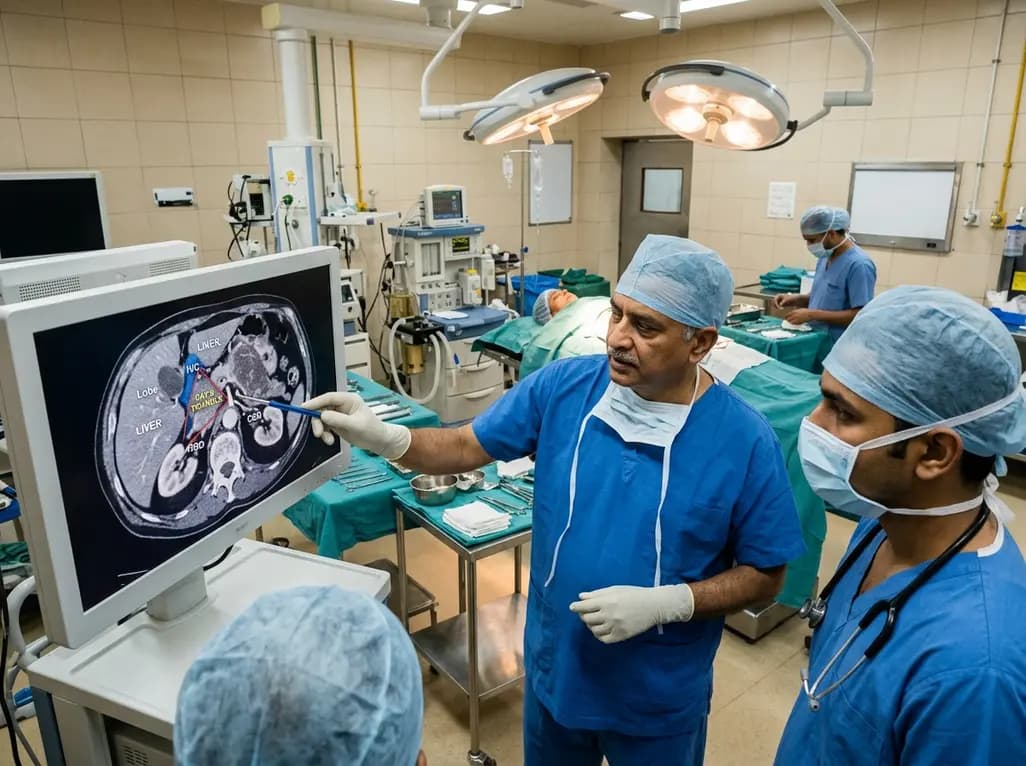
Researchers at AIIMS New Delhi have identified Ray's triangle, a high-risk surgical zone between the liver and inferior vena cava. Recognising this danger area allows surgical oncologists to achieve complete cytoreduction in advanced abdominal cancers while substantially lowering the risk of life-threatening hemorrhage.
Today
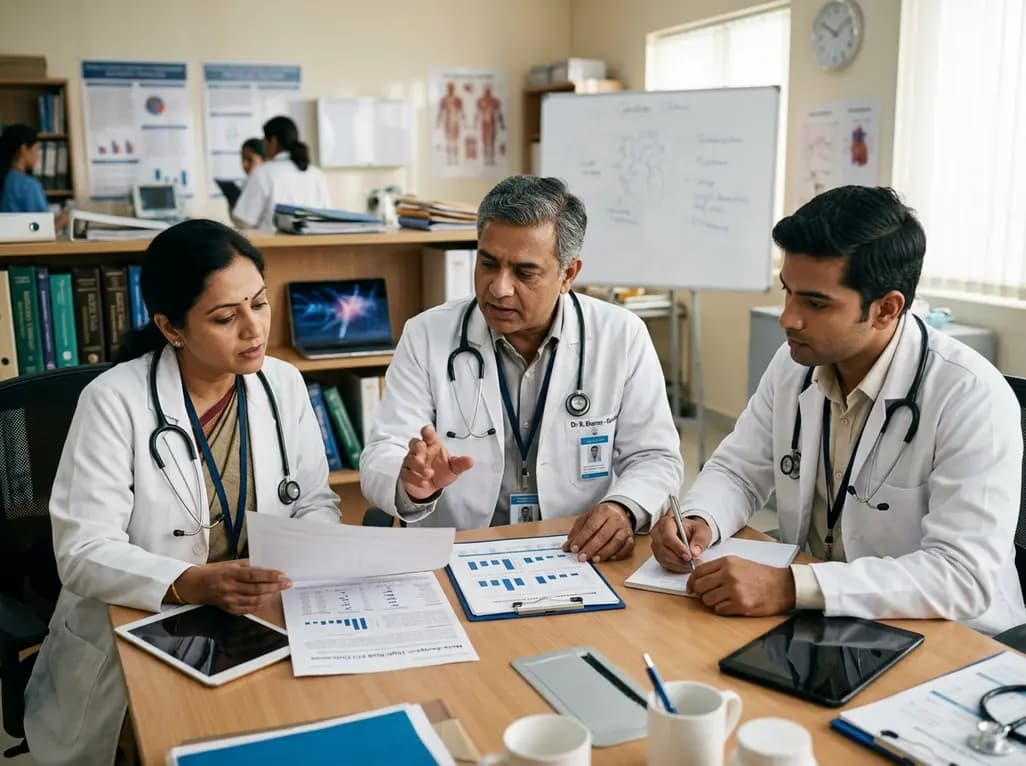
An updated systematic review and meta-analysis of 7,875 patients reveals that routine microaxial left ventricular support during nonemergent high-risk PCI does not reduce mortality or ischemic complications, while significantly increasing major bleeding events.
Yesterday
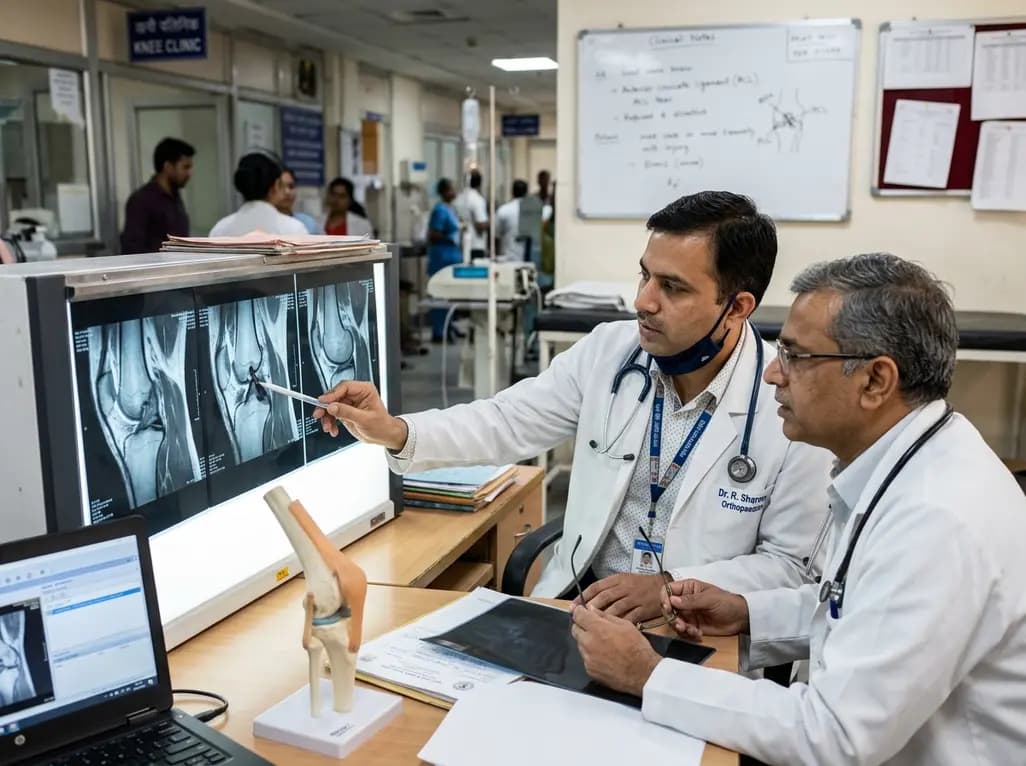
The FIRM-P framework redefines anterior cruciate ligament instability management by separating objective knee phenotypes from patient context and integrating arthrogenic muscle inhibition as a dynamic modifier to optimize individual surgical timing and outcomes.
Today
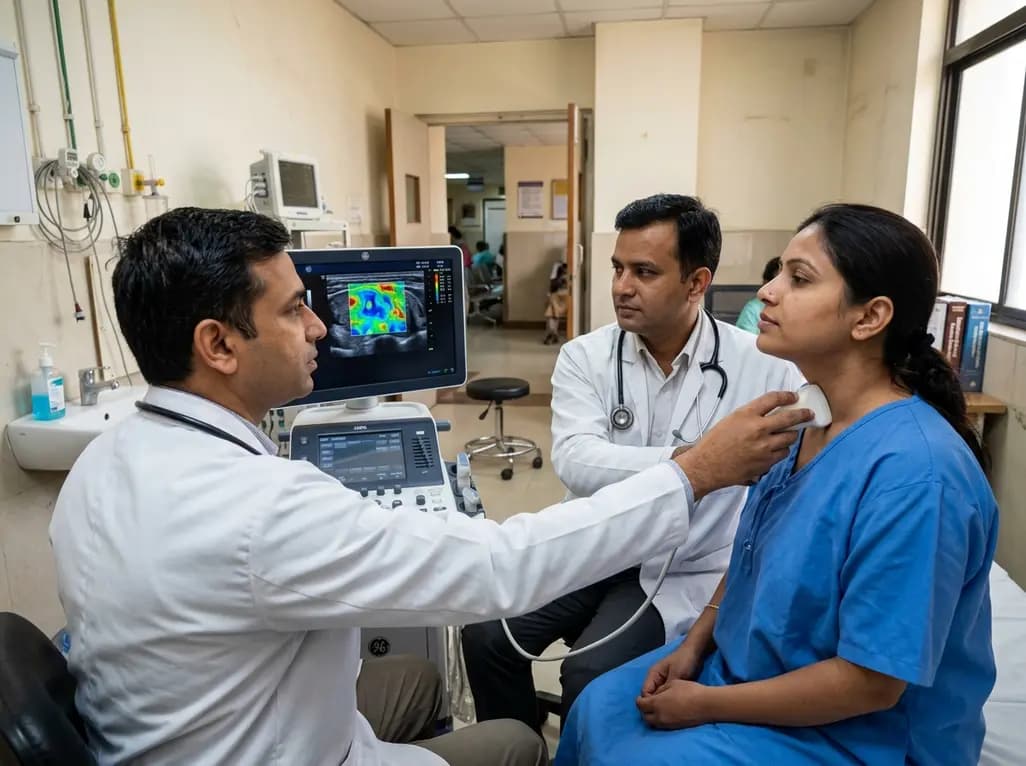
Subacute thyroiditis presents diagnostic dilemmas when differentiating it from malignancy or chronic thyroiditis. Discover how 2D shear wave elastography provides quantitative tissue stiffness metrics that enhance diagnostic accuracy and assist in tracking disease resolution during therapy.
Today
