.webp&w=384&q=75)

Loading, please wait...
Loading, please wait...
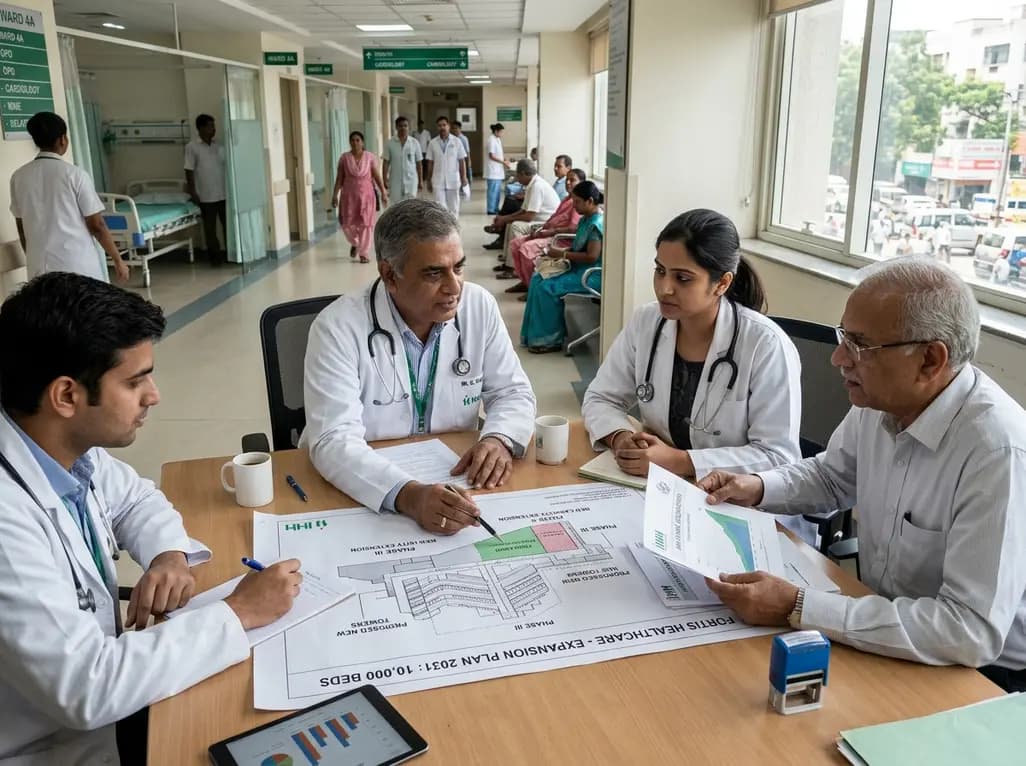
The Indian tertiary care landscape is preparing for significant structural growth over the coming decade. Malaysia-based IHH Healthcare Berhad has announced an ambitious Fortis Healthcare expansion strategy designed to increase its equity ownership to 51 percent over the next three to five years. Alongside this ownership consolidation, the hospital network plans to scale its total infrastructure capacity to approximately 10,000 operational beds by 2031. Consequently, this strategic move will significantly transform hospital management, patient care delivery, and private clinical infrastructure across major Indian metropolitan areas.
Currently, IHH Healthcare holds a 31.17 percent controlling equity interest in Fortis Healthcare. The parent group now intends to deepen its operational presence across India through a multi-stage equity enhancement. Therefore, the company will expand the current base of roughly 6,100 beds across 36 hospitals to 10,000 beds within five years. Management aims to integrate the Fortis network seamlessly with its established Gleneagles hospital facilities. As a result, this unified operational framework will create one of the largest corporate multispecialty hospital footprints in South Asia.
Furthermore, leadership has outlined a dual approach to clinical infrastructure growth. The hospital network plans to add nearly 1,400 beds through internal brownfield additions at existing super-specialty hospitals. In addition, the remaining capacity will emerge from greenfield projects, long-term operation-and-management agreements, and targeted acquisitions. This comprehensive capital deployment addresses persistent bed shortages in high-density urban corridors. Moreover, specialized clinical departments such as oncology, cardiology, neurology, and organ transplantation will receive substantial modern diagnostic upgrades and dedicated intensive care units.
This major corporate roadmap follows key legal developments before the Supreme Court of India. On September 25, 2026, the apex court disposed of a Special Leave Petition filed by Fortis Healthcare. The petition had originally contested a Delhi High Court order directing a comprehensive forensic audit of historical transactions. However, the Supreme Court clarified that earlier negative observations by the High Court remained strictly tentative. Thus, the independent investigation will evaluate the past transaction records objectively and without prejudice.
Immediately following the ruling, Fortis Healthcare submitted an official regulatory filing confirming full cooperation with the forensic auditor, S Ramanand Aiyar and Co. IHH affirmed that an independent examination will clearly establish the integrity of its initial 2018 investment. In fact, the global healthcare group entered Fortis through an open, transparent, and court-monitored bidding process. The company injected 4,000 crore rupees directly into Fortis via a preferential allotment of fresh equity shares. Consequently, no funds flowed to former promoters facing enforcement decrees from Japanese drugmaker Daiichi Sankyo.
Combining the clinical operations of Fortis and Gleneagles will unlock critical administrative and clinical efficiencies. Clinicians across the combined tertiary care centers will gain access to shared medical governance protocols. Furthermore, standardized clinical pathways will streamline patient triage, emergency care responsiveness, and surgical safety standards. Multi-center academic tumor boards and joint clinical research programs will also expand rapidly. Therefore, medical teams can collaborate directly on complex diagnostic evaluations and innovative therapeutic regimens.
Additionally, expanding operational scale will bolster supply chain resilience for essential medical technology and pharmaceuticals. Centralized hospital procurement lowers acquisition costs for advanced imaging systems, surgical robotics, and specialized implants. Meanwhile, unified electronic health records will facilitate frictionless patient referrals across regional hospital hubs. Ultimately, these systems will support tertiary and quaternary care delivery while keeping patient outcomes consistently reliable across different branches.
India continues to face a pronounced deficit in quality inpatient beds relative to its vast population. Although the public healthcare sector continues to develop primary centers, advanced critical care beds remain scarce. Rising rates of cardiovascular disease, metabolic disorders, and complex oncological conditions require dedicated high-dependency hospital infrastructure. Therefore, adding thousands of tertiary beds under this expansion plan directly targets acute medical shortages. Specifically, urban and semi-urban populations will benefit from modern emergency centers and specialized surgical theaters.
Moreover, modern healthcare financing models are accelerating inpatient healthcare utilization across urban clusters. Broader penetration of private medical insurance and government health coverage enables more families to seek corporate multispecialty care. As private hospital networks scale their regional hubs, geographic barriers to quaternary medical interventions will decrease. Consequently, patient waiting times for critical elective procedures, cardiac catheterizations, and neurovascular interventions will decline significantly over the coming years.
For practicing physicians, surgeons, and healthcare administrators, this large-scale corporate consolidation presents distinct career and professional opportunities. A growing hospital network creates strong demand for qualified intensivists, surgical specialists, and allied health professionals. Furthermore, larger hospital systems can invest aggressively in modern medical residency programs, accredited fellowships, and structured clinical research trials. Consequently, junior doctors and experienced clinicians will find robust avenues for continuous clinical development.
Nevertheless, corporate expansion requires rigorous adherence to statutory compliance and high ethical governance standards. Because the network operates under elevated judicial and market scrutiny, institutional clinical audits will become standard operating procedure. Hospital administrations will enforce meticulous electronic documentation, patient consent validation, and antimicrobial stewardship tracking. In effect, these robust clinical management systems will safeguard professional medical practice while elevating overall standards of inpatient clinical care.
Q1: What does the IHH Healthcare expansion plan mean for Fortis Healthcare bed capacity?
The expansion plan aims to increase total operational bed capacity from approximately 6,100 beds to nearly 10,000 beds by 2031. Fortis intends to achieve this growth through brownfield expansions at existing hospital locations, new greenfield hospital constructions, and strategic operational partnerships. Consequently, the expanded network will substantially increase access to advanced tertiary care facilities across metropolitan centers in India.
Q2: Why did the Supreme Court order a forensic audit involving Fortis Healthcare?
The forensic audit originates from legal enforcement proceedings initiated by Japanese pharmaceutical company Daiichi Sankyo against former Fortis promoters. The audit examines historical banking and share transactions to evaluate whether assets were dissipated prior to 2018. Fortis Healthcare and IHH maintain that their 2018 transaction occurred via transparent primary share issuance, and both entities have committed to complete transparency during the audit.
Q3: How will integrating Fortis and Gleneagles platforms impact clinical practice?
Integrating Fortis and Gleneagles will standardize clinical governance, establish shared therapeutic protocols, and streamline clinical workflows across hospitals. Furthermore, doctors will benefit from shared digital medical records, unified academic training programs, and collaborative tumor boards. Additionally, centralizing procurement will enhance clinician access to modern surgical robotics, diagnostic equipment, and specialized intensive care technology.
Disclaimer: This content is for informational and educational purposes only. It does not constitute medical advice or replace professional judgment. Refer to the latest local and national guidelines for clinical practice.
References

Read summarized clinical updates, watch expert medical content, and earn CME certifications right from your smartphone.
Open your smartphone camera to scan and install.





Malaysia-based IHH Healthcare has unveiled strategic plans to increase its controlling stake in Fortis Healthcare to 51% over the next three to five years. The hospital network also aims to expand its total capacity to 10,000 beds by 2031, while actively cooperating with a court-mandated forensic audit.
Today
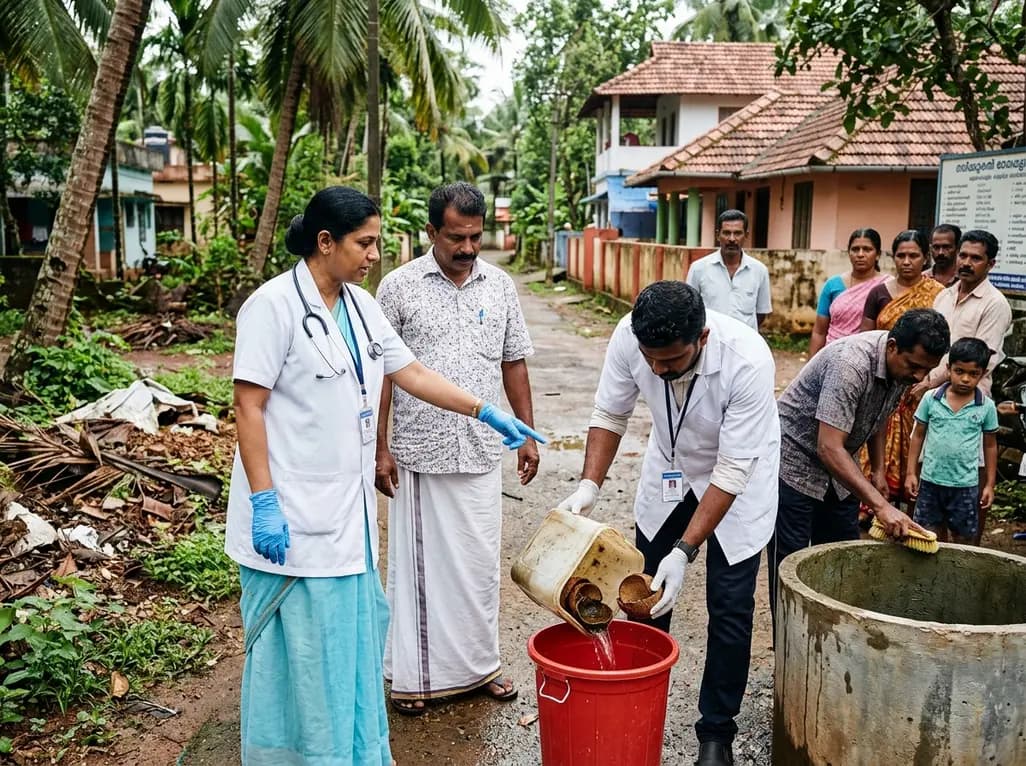
To curb the transmission of dengue and chikungunya following intermittent rains, the Kerala government has mobilized collector-led coordination committees, enhanced fever clinics, and instituted structured Dry Day source reduction campaigns across educational institutions, workplaces, and local communities.
Today
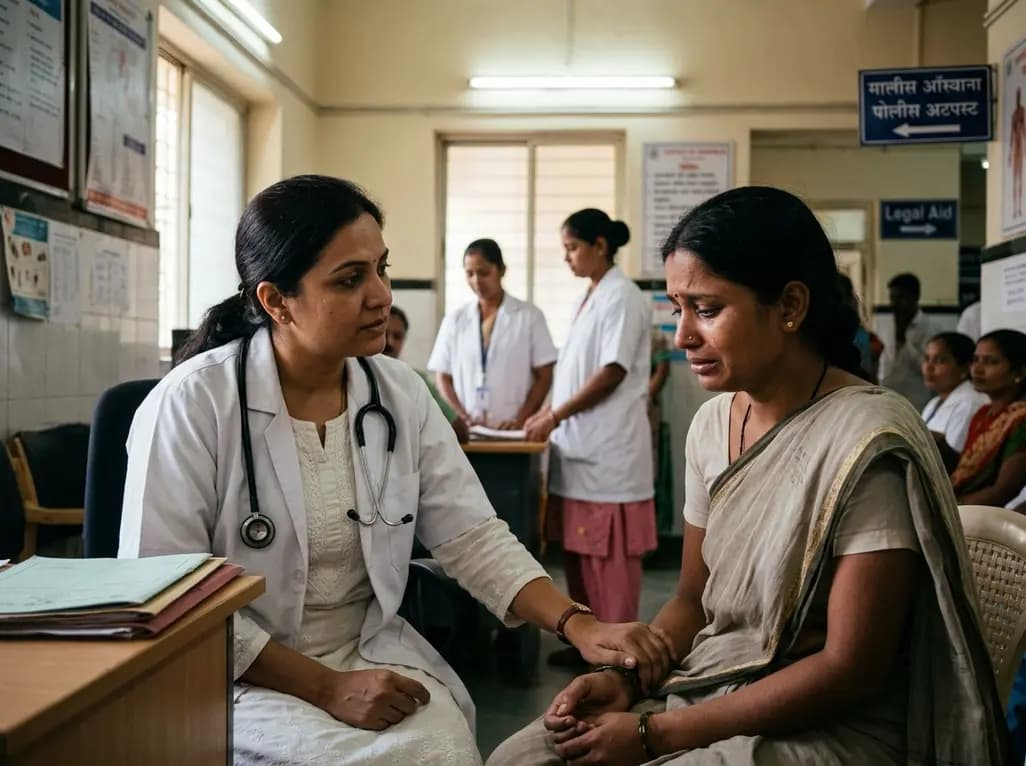
A recent qualitative study evaluates institutional gaps across health, police, and justice sectors in supporting survivors of intimate partner violence. Healthcare providers must bridge procedural fragmentation with empathetic, trauma-informed care and cross-sector coordination to safeguard vulnerable patients.
Today
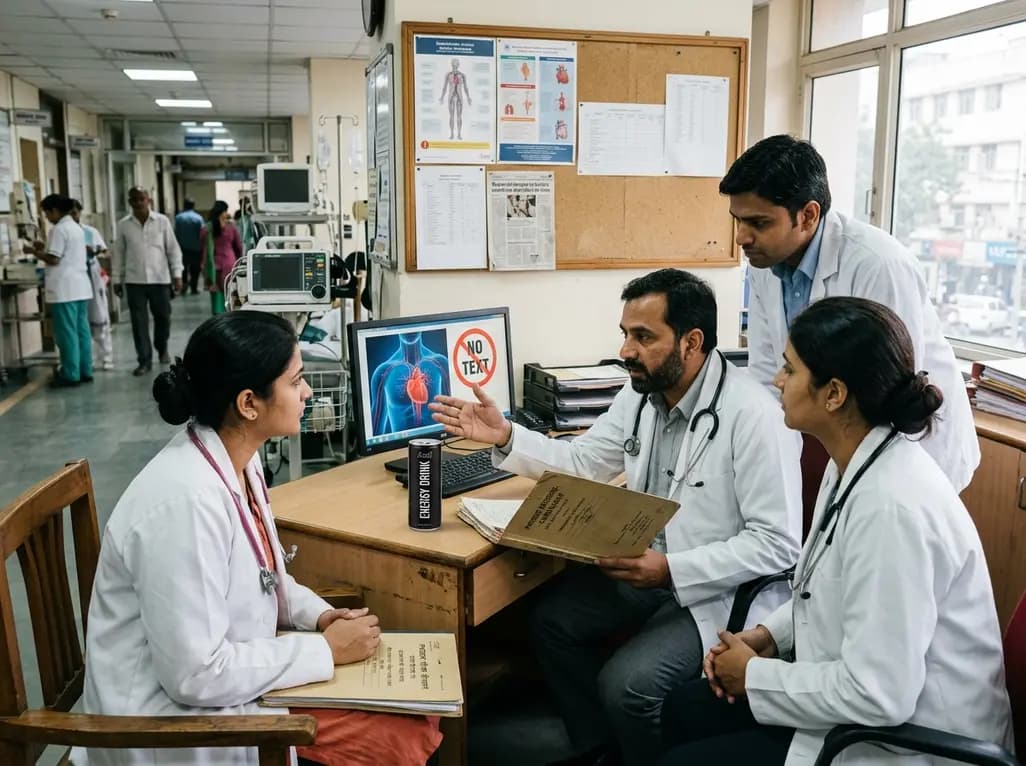
The Delhi High Court recently quashed an FSSAI order requiring beverage manufacturers to remove the term 'energy' from product labels without due process. This development brings renewed clinical focus to beverage terminology, consumer safety limits, cardiovascular strain, and youth dietary habits across India.
Today
A cross-sectional study reveals a strong positive correlation between problematic internet use and kinesiophobia in adults aged 18-45 with non-specific low back pain, highlighting how digital overuse reinforces movement fear and complicates musculoskeletal recovery.
Today
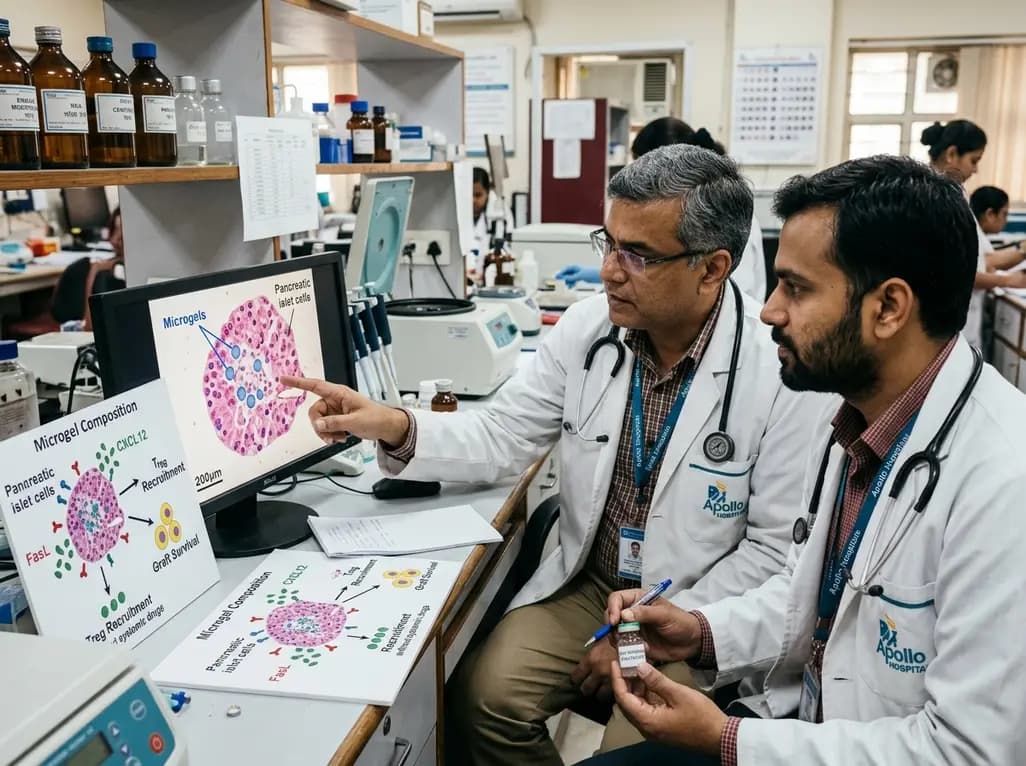
A novel microgel platform presenting FasL and protease-resistant CXCL12 enables sustained allogeneic islet survival and glycemic control without systemic immunosuppression, enhancing local Treg recruitment and graft revascularization.
Today
