

Loading, please wait...
Loading, please wait...
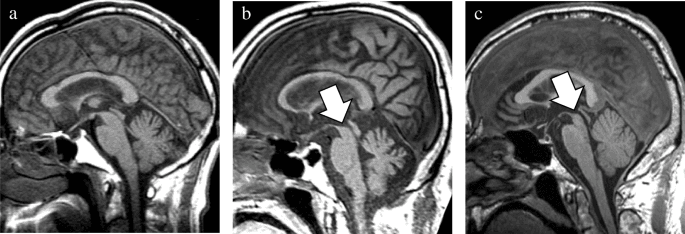
This systematic review and meta-analysis investigated the likelihood of patients with pure autonomic failure (PAF) developing central α-synucleinopathies, including Parkinson disease, dementia with Lewy bodies and multiple system atrophy. The analysis included nine longitudinal studies comprising 900 individuals with PAF, with a mean follow-up of 6.4 years. During follow-up, 270 patients (30%) developed a central α-synucleinopathy, including 12% who developed multiple system atrophy, 11% dementia with Lewy bodies and 7% Parkinson disease. The pooled phenoconversion incidence rate was 5.09 per 100 person-years (95% CI, 3.79–6.85), suggesting that approximately 5% of patients with PAF may develop a central α-synucleinopathy each year. Multiple system atrophy showed a higher conversion rate during the initial years of follow-up, whereas conversion to Parkinson disease and dementia with Lewy bodies occurred at relatively more consistent rates. Hyposmia was associated with a greater likelihood of conversion to Parkinson disease or dementia with Lewy bodies compared with multiple system atrophy (risk ratio, 1.88; 95% CI, 1.26–2.97). REM sleep behaviour disorder and subtle motor abnormalities were also identified as consistent clinical predictors. The findings highlight the importance of longitudinal neurological monitoring and the potential value of identifying early clinical markers in patients presenting with autonomic dysfunction.

Read summarized clinical updates, watch expert medical content, and earn CME certifications right from your smartphone.
Open your smartphone camera to scan and install.





This systematic review and meta-analysis investigated the likelihood of patients with pure autonomic failure (PAF) developing central α-synucleinopathies, including Parkinson disease, dementia with Lewy bodies and multiple system atrophy. The analysis included nine longitudinal studies comprising 900 individuals with PAF, with a mean follow-up of 6.4 years. During follow-up, 270 patients (30%) developed a central α-synucleinopathy, including 12% who developed multiple system atrophy, 11% dementia with Lewy bodies and 7% Parkinson disease. The pooled phenoconversion incidence rate was 5.09 per 100 person-years (95% CI, 3.79–6.85), suggesting that approximately 5% of patients with PAF may develop a central α-synucleinopathy each year. Multiple system atrophy showed a higher conversion rate during the initial years of follow-up, whereas conversion to Parkinson disease and dementia with Lewy bodies occurred at relatively more consistent rates. Hyposmia was associated with a greater likelihood of conversion to Parkinson disease or dementia with Lewy bodies compared with multiple system atrophy (risk ratio, 1.88; 95% CI, 1.26–2.97). REM sleep behaviour disorder and subtle motor abnormalities were also identified as consistent clinical predictors. The findings highlight the importance of longitudinal neurological monitoring and the potential value of identifying early clinical markers in patients presenting with autonomic dysfunction.
Today

An intracranial EWSR1::CREM fusion sarcoma in a 31-year-old female manifested as a paraneoplastic inflammatory syndrome with anemia and secondary infertility. The dural mass mimicked meningioma, but gross-total resection resolved her systemic inflammation and restored natural fertility within one month.
Today
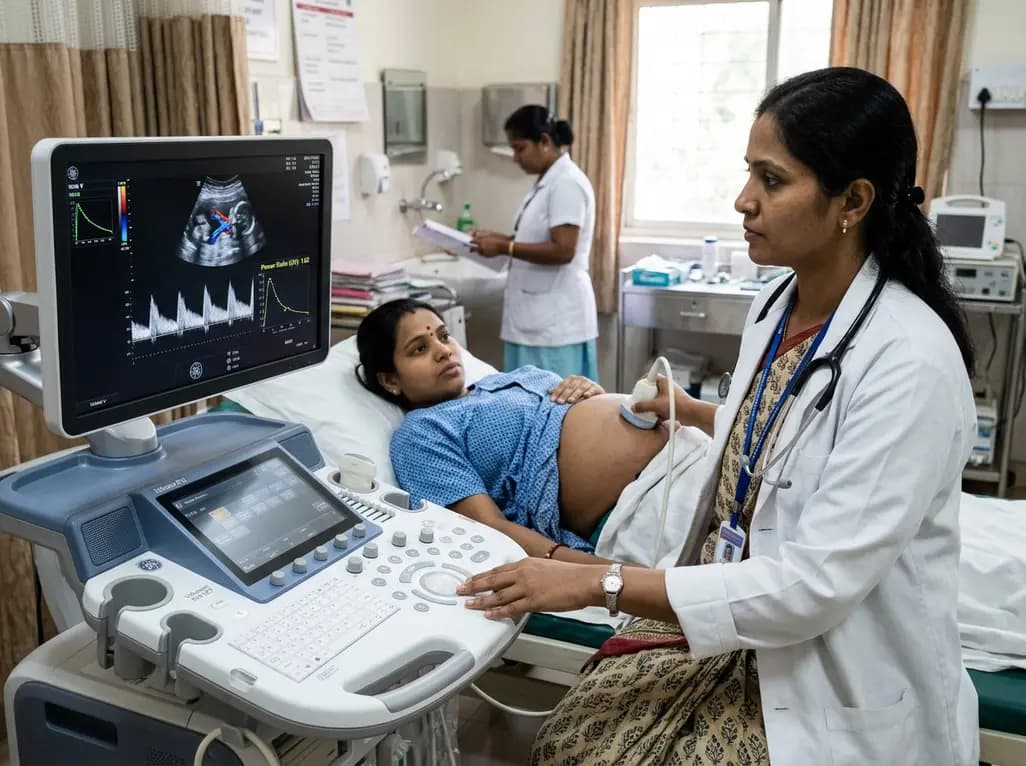
Adaptive spectral analysis of umbilical venous Doppler recordings reveals that an elevated second-trimester maternal-fetal power ratio can distinguish pregnancies at risk of preeclampsia, offering a novel biophysical approach to enhance early vascular risk stratification.
Today

A real-world cohort study of 6,537 patients from the FOUNTAIN platform demonstrates that initiating finerenone significantly reduces albuminuria by 40.7% with minimal eGFR decline and manageable hyperkalemia risk, confirming its practical effectiveness and safety in diabetic kidney disease.
Yesterday

A comprehensive analysis of MAP therapy resistance in osteosarcoma, examining canonical and non-canonical mechanisms across damage avoidance, enhanced DNA repair, and replication stress tolerance to identify novel vulnerabilities.
Today
Near-infrared autofluorescence provides real-time label-free optical guidance during endoscopic transsphenoidal pituitary surgery. By highlighting stark signal contrasts between normal pituitary gland and adenomas, this technique aids gross-total tumor resection while safeguarding critical endocrine function.
Today
