.webp&w=384&q=75)

Loading, please wait...
Loading, please wait...
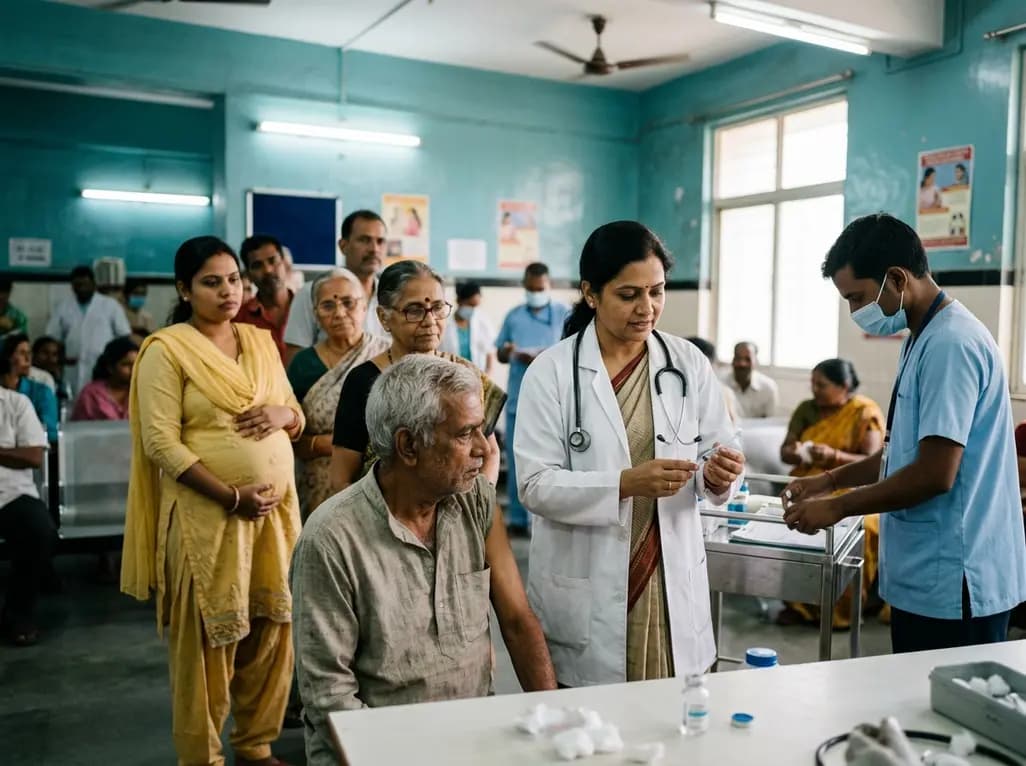
Seasonal influenza vaccination remains a cornerstone of respiratory infection control across inpatient and ambulatory healthcare settings. Recently, the Indian Council of Medical Research addressed widespread misconceptions regarding national vaccine advisories. Media reports had misinterpreted earlier clinical guidance issued for medical practitioners. Consequently, public uncertainty arose regarding vaccine supply and seasonal formulation matching. ICMR clarified that H1N1 now behaves as regular seasonal influenza rather than a novel pandemic threat. Therefore, existing clinical protocols remain both scientifically grounded and actionable for practitioners across India.
Influenza A subtype H1N1 first emerged on a global scale during the 2009 pandemic. Over the past decade, however, the virus has transitioned into an established seasonal pathogen circulating across Indian communities. Epidemiological surveillance networks regularly identify H1N1 spikes during monsoon and winter seasons. Because the pathogen now causes predictable seasonal outbreaks, public health strategies treat it as regular seasonal influenza. In response to sensationalized media reporting, ICMR reiterated that its guidance was an operational advisory, not an emergency notice.
The technical note aimed to assist practicing doctors in selecting optimal immunizations for their vulnerable patients. Furthermore, health authorities stressed that misinterpreting clinical advisories can create unnecessary panic among the general public. Practitioners must reassure patients that routine clinical management strategies remain highly effective. Early antiviral treatment, diagnostic testing, and targeted prophylaxis continue to prevent severe respiratory illness. Thus, doctors should approach H1N1 cases with standard respiratory infection protocols. Clear patient communication prevents vaccine hesitancy while promoting timely interventions in community clinics. Ultimately, medical teams can effectively control outbreaks by staying informed about verified government updates.
Choosing between different influenza vaccine formulations often presents practical challenges for healthcare practitioners in tropical and subtropical regions. The World Health Organization biannually reviews surveillance data to recommend viral strains for Northern and Southern Hemisphere formulations. Recently, surveillance data showed that circulating strains in India closely resemble strains included in the Northern Hemisphere vaccine. Therefore, ICMR recommends the Northern Hemisphere vaccine as the preferred clinical option.
However, global supply chains and distribution schedules occasionally limit local availability during peak respiratory surges. In such instances, clinicians should promptly administer the available Southern Hemisphere vaccine formulation. Both formulations confer substantial cross-protection against the predominant circulating H1N1 strain. Furthermore, delaying immunization while waiting for a specific batch leaves vulnerable patients exposed to preventable complications. Clinical experts agree that partial antigenic matching is markedly superior to leaving a patient unprotected. Consequently, physicians should avoid turning patients away when Southern Hemisphere supplies are readily on hand. Administering available doses promptly protects patients during critical transmission windows. Thus, pragmatic clinical decision-making ensures uninterrupted protective coverage across community populations.
Targeted seasonal influenza vaccination provides indispensable protection for cohorts facing heightened risks of morbid complications and secondary hospitalizations. Foremost among these priority groups are adults aged sixty-five years and older. In addition, individuals suffering from chronic comorbidities require prompt annual immunization. Specifically, patients with chronic obstructive pulmonary disease, asthma, heart failure, and diabetes exhibit high risks of influenza-induced decompensation.
Pregnant women represent another vital demographic needing active immunization across any trimester. Vaccination during pregnancy protects both the expectant mother and provides passive antibody transfer to the newborn infant. Moreover, immunocompromised patients, such as organ transplant recipients or oncology patients undergoing chemotherapy, face substantial fatality rates from respiratory viral infections. Healthcare workers also warrant routine vaccination to prevent nosocomial transmission to susceptible inpatients. Therefore, clinicians must systematically screen medical records during routine outpatient visits to identify unimmunized high-risk individuals. Recommending immunization during routine follow-ups drastically improves overall coverage rates. Consequently, targeted clinical advocacy directly reduces intensive care admissions and severe morbidity during seasonal outbreaks.
Recent news reports erroneously suggested that seasonal influenza shots were largely unavailable throughout Indian healthcare markets. In contrast to these claims, ICMR clarified that appropriate seasonal vaccines remain accessible through leading pharmacies and clinical distributors. Both domestic production and regulated imports supply adequate stock for voluntary immunization programs. However, localized supply bottlenecks may occasionally occur when seasonal demand spikes unpredictably.
To circumvent these temporary hurdles, hospitals should maintain proactive inventory planning ahead of typical monsoon and winter surges. Furthermore, pharmacy networks and primary care clinics should coordinate closely to monitor stock levels. Clinicians can also guide patients toward authorized distribution centers if local clinic supplies run low. Additionally, educating clinic staff regarding vaccine storage and handling ensures that administered doses maintain optimal potency. Cold chain maintenance between two and eight degrees Celsius preserves antigen integrity and vaccine efficacy. As a result, patients receive reliable, high-quality prophylaxis when they seek medical care. Transparent communication from healthcare providers eliminates false scarcity narratives and restores community confidence in preventive measures.
Effective clinical management of seasonal respiratory infections requires a proactive and multifaceted approach from healthcare providers. First, doctors should conduct structured patient education regarding the distinction between the common cold and influenza. While common colds cause mild malaise, influenza viruses frequently induce high fevers, intense myalgia, and debilitating fatigue. Second, physicians should emphasize that the vaccine does not cause influenza infection, debunking a pervasive patient myth.
Inactivated vaccines stimulate antibody production safely without replicating inside human host tissues. Furthermore, healthcare teams should establish streamlined triage protocols to identify severe acute respiratory infections early. When treating high-risk patients presenting with acute flu symptoms, clinicians should consider empirical neuraminidase inhibitors within forty-eight hours of symptom onset. In addition, practitioners must encourage non-pharmacological preventative habits alongside immunization. Hand hygiene, mask usage in crowded indoor settings, and voluntary isolation during symptomatic phases substantially curb household transmission. Accordingly, structured clinical workflows and empathetic patient counseling build lasting community resilience. By combining timely vaccination with robust ambulatory protocols, medical practitioners effectively mitigate seasonal respiratory disease burdens.
Q1: Why does ICMR recommend the Northern Hemisphere vaccine over the Southern Hemisphere option?
Surveillance data indicates that influenza viruses currently circulating in India exhibit a closer antigenic match to strains chosen for the Northern Hemisphere formulation. Therefore, ICMR advises that the Northern Hemisphere vaccine is technically preferred for local prophylaxis. However, the Southern Hemisphere vaccine still shares protective antigens against active H1N1 strains. Consequently, clinicians should administer whichever approved seasonal formulation is readily available rather than delaying critical immunization.
Q2: Who should be prioritized for seasonal influenza immunization according to current guidelines?
Health authorities prioritize individuals who face substantial risks of severe respiratory complications, prolonged hospital stays, or mortality. Priority cohorts include adults aged 65 years and older, pregnant women at any gestational stage, and children with chronic ailments. Furthermore, persons with diabetes, chronic kidney disease, cardiovascular illness, or severe immunosuppression require annual immunization. Additionally, healthcare professionals should receive vaccination annually to protect susceptible hospitalized patients from nosocomial influenza transmission.
Q3: Can a patient safely receive the seasonal influenza vaccine during pregnancy?
Yes, seasonal influenza immunization is exceptionally safe and strongly recommended during pregnancy. Physiological adaptations in maternal cardiovascular and respiratory systems increase vulnerability to severe pulmonary infections. Inactivated influenza vaccines do not harm the developing fetus and can be safely administered across any trimester. Moreover, maternal vaccination provides essential transplacental antibody transfer, conferring passive protective immunity to the newborn infant throughout the first six months of life.
Disclaimer: This content is for informational and educational purposes only. It does not constitute medical advice or replace professional judgment. Refer to the latest local and national guidelines for clinical practice.
References

Read summarized clinical updates, watch expert medical content, and earn CME certifications right from your smartphone.
Open your smartphone camera to scan and install.





Explore updated clinical insights from the Indian Council of Medical Research regarding seasonal flu immunization. Understand Northern versus Southern Hemisphere formulations, timing, and prioritized protection strategies for high-risk cohorts such as pregnant individuals, the elderly, and comorbid patients.
last month

Review how tailored exercise programs benefit frail older patients with heart failure. Explore pathophysiological mechanisms, individualized training prescriptions, and strategies to overcome adherence barriers in clinical practice.
Today

Leucine Rich Bio has introduced South Asia's first comprehensive vaginal microbiome test, BugSpeaks. By profiling microbial dysbiosis, pathogens, and antimicrobial resistance, this next-generation diagnostic platform provides clinicians with deeper insights into recurrent infections, fertility, and reproductive health.
Today

In high-risk pulmonary embolism complicated by severe anemia and active uterine bleeding, systemic thrombolysis is contraindicated. Large-bore aspiration thrombectomy provides rapid hemodynamic rescue without fibrinolysis, supported by inferior vena cava filter placement and multidisciplinary critical care.
Today

This comparative study evaluates posterior labral tears with and without glenohumeral instability, highlighting distinct demographic patterns, MRI underestimation in stable shoulders, and successful arthroscopic repair outcomes.
Today

A clinical study demonstrates that early intervention with tocilizumab, either as monotherapy or bridged with corticosteroids, achieves significant proptosis reduction and resolves active inflammation in treatment-naive thyroid eye disease.
Today
