.webp&w=384&q=75)

Loading, please wait...
Loading, please wait...

Obstructive sleep apnea represents a pervasive respiratory disorder defined by repeated episodes of upper airway collapse during sleep. Consequently, patients experience intermittent nocturnal hypoxemia, sympathetic hyperactivation, and sleep fragmentation. In clinical practice, these repetitive pathophysiological insults drive chronic low-grade systemic inflammation, which substantially elevates long-term cardiometabolic morbidity. While continuous positive airway pressure remains the primary frontline therapy, poor patient adherence frequently limits therapeutic efficacy. Therefore, hypoglossal nerve stimulation in OSA has emerged as a crucial second-line surgical intervention for eligible individuals who cannot tolerate positive airway pressure. Although upper airway neurostimulation successfully restores airway patency, its distinct impact on circulating inflammatory biomarkers and endothelial markers warrants rigorous scientific evaluation.
Chronic intermittent hypoxia in sleep-disordered breathing induces severe oxidative stress and cellular injury. As a result, transcription factors such as nuclear factor-kappa B become persistently activated, prompting widespread release of pro-inflammatory cytokines into the systemic circulation. Circulating mediators such as tumor necrosis factor-alpha, interleukin-6, and C-reactive protein remain consistently elevated in individuals with moderate to severe disease. Furthermore, persistent endothelial dysfunction frequently coexists with hypoxia, which accelerates vascular remodeling and atherosclerosis. Vascular endothelial growth factor and angiopoietin-2 actively mediate these hypoxia-driven angiogenic and vascular changes. Therefore, reversing nocturnal airway collapse is essential not only for resolving sleepiness but also for attenuating ongoing systemic inflammation. Clinicians must evaluate how alternative therapies, including hypoglossal nerve stimulation, modify these pathological inflammatory pathways over time.
Hypoglossal nerve stimulation delivers synchronized electrical impulses to the medial branch of the twelfth cranial nerve during respiration. Consequently, this electrical activation stimulates the genioglossus muscle, effectively protruding the tongue base forward and stabilizing the upper airway without anatomical distortion. In patients demonstrating non-concentric palatal collapse during drug-induced sleep endoscopy, this implantable technology provides predictable neuromuscular patency. Clinical trials have consistently demonstrated significant improvements in polysomnographic indices following implantation. Specifically, surgical therapy markedly reduces the apnea-hypopnea index and alleviates daytime sleepiness measured by standardized scoring tools. In addition to functional improvements, sustained relief from intermittent hypoxemia theoretically dampens the systemic inflammatory cascade. Thus, tracking post-implantation molecular profiles provides profound insights into whether functional respiratory restoration translates directly into broader microvascular and cellular benefits.
Recent prospective clinical evaluations have examined specific cytokine dynamics before and several months following neurostimulation implantation. Following effective therapeutic titration, patients demonstrate marked statistical reductions in both tumor necrosis factor-alpha and vascular endothelial growth factor. Because tumor necrosis factor-alpha actively perpetuates vascular inflammation and insulin resistance, its distinct decline highlights a promising step toward cardiovascular risk reduction. Similarly, the significant reduction in vascular endothelial growth factor reflects attenuated tissue hypoxia, indicating genuine microvascular stabilization following airway preservation. Interestingly, other systemic markers, including high-sensitivity C-reactive protein, interleukin-6, angiopoietin-2, and E-selectin, do not exhibit statistically significant overall shifts in short-term follow-ups. These selective biochemical responses illustrate that while mechanical patency rapidly alleviates oxygen desaturation, deeper immune and endothelial remodeling may follow differing physiological timelines.
Adipose tissue acts as an active endocrine organ that autonomously secretes inflammatory mediators, independent of airway obstruction mechanics. Consequently, obese patients with sleep apnea inherently demonstrate substantially higher baseline levels of systemic inflammatory markers compared with non-obese counterparts. When evaluating therapeutic response, baseline adiposity often dictates the magnitude of circulating cytokine clearance. While neurostimulation successfully reduces mechanical collapse and hypoxic frequency across diverse body habitus profiles, persistent visceral fat depots continue to release baseline inflammatory mediators. Therefore, clinicians must recognize that residual elevation in general markers such as C-reactive protein may stem from persistent metabolic adiposity rather than inadequate airway control. Combining successful upper airway neurostimulation with comprehensive lifestyle, dietary, and metabolic interventions provides the most robust strategy for achieving complete systemic anti-inflammatory resolution.
Integrating neurostimulation into comprehensive sleep medicine pathways provides essential therapeutic rescue for patients struggling with continuous positive airway pressure intolerance. However, the selective modulation of inflammatory biomarkers indicates that clinical success extends beyond basic polysomnographic metrics. Although reductions in tumor necrosis factor-alpha and vascular endothelial growth factor confirm meaningful physiological mitigation of hypoxia, larger multi-center longitudinal trials are essential. Future prospective studies must examine whether these observed molecular reductions translate into tangible long-term decreases in adverse cardiovascular events, such as myocardial infarction and stroke. Furthermore, establishing comprehensive biomarker panels alongside routine sleep testing will enable physicians to personalize post-surgical management. In doing so, multidisciplinary teams comprising pulmonologists, otolaryngologists, and cardiologists can better optimize both respiratory mechanics and systemic cardiometabolic health.
Hypoglossal nerve stimulation is an implantable surgical therapy designed for obstructive sleep apnea. The system delivers mild electrical impulses to the hypoglossal nerve during inspiration, activating the genioglossus muscle. This coordinated stimulation moves the tongue anteriorly, preventing pharyngeal collapse and maintaining upper airway patency throughout sleep cycles.
By preventing repetitive upper airway collapse and intermittent hypoxemia, neurostimulation significantly lowers specific circulating pro-inflammatory and angiogenic markers. Clinical studies demonstrate marked decreases in tumor necrosis factor-alpha and vascular endothelial growth factor within six to eight months post-implantation, reflecting reduced systemic inflammatory stress and improved vascular homeostasis.
C-reactive protein and related markers are heavily influenced by underlying metabolic factors, particularly visceral adiposity and baseline body mass index. Even after mechanical airway obstruction resolves, autonomous cytokine secretion from adipose tissue can maintain elevated baseline inflammation, necessitating concurrent metabolic and lifestyle management alongside neurostimulation.
Disclaimer: This content is for informational and educational purposes only. It is not intended to provide medical advice, diagnosis, or treatment. Healthcare professionals should utilize independent clinical judgment in evaluating patient suitability for surgical interventions. Refer to the latest local and national guidelines for clinical practice.
References

Read summarized clinical updates, watch expert medical content, and earn CME certifications right from your smartphone.
Open your smartphone camera to scan and install.





Explore the systemic inflammatory impacts of hypoglossal nerve stimulation in OSA. Recent clinical evidence demonstrates notable reductions in TNF-alpha and VEGF, offering vital insights into airway neurostimulation therapy.
last month

Ceftriaxone therapy can lead to biliary sludge and gallstone formation due to calcium-ceftriaxone precipitation. A recent cohort study shows that the noninvasive Fibrosis-4 (FIB-4) index, alongside treatment duration, independently predicts lithogenesis, enabling proactive risk stratification.
Today

A multiparametric MRI approach combining quantitative T2 shading, apparent diffusion coefficient (ADC) measurements, and morphological signs provides superior diagnostic accuracy over subjective evaluation to differentiate ovarian endometriomas from benign hemorrhagic cysts.
Today
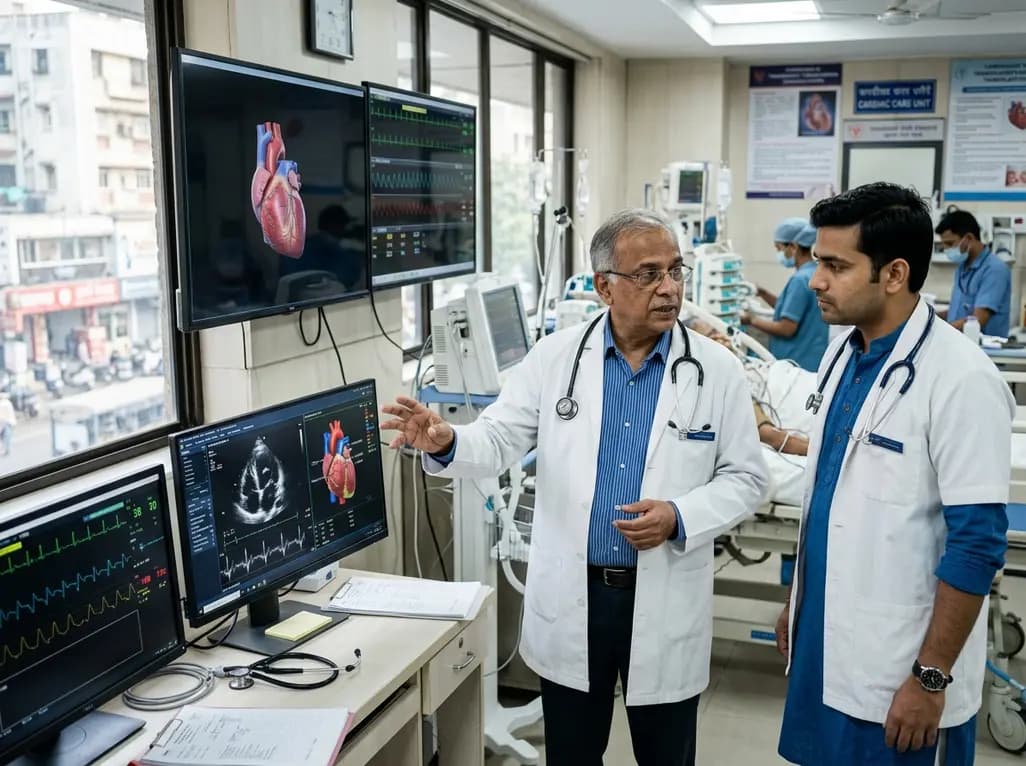
A landmark case report reveals a donor heart beating for a century in a 63-year-old recipient, challenging conventional age limits in cardiac transplantation and offering critical lessons on organ longevity, donor selection, and long-term graft survival.
Today
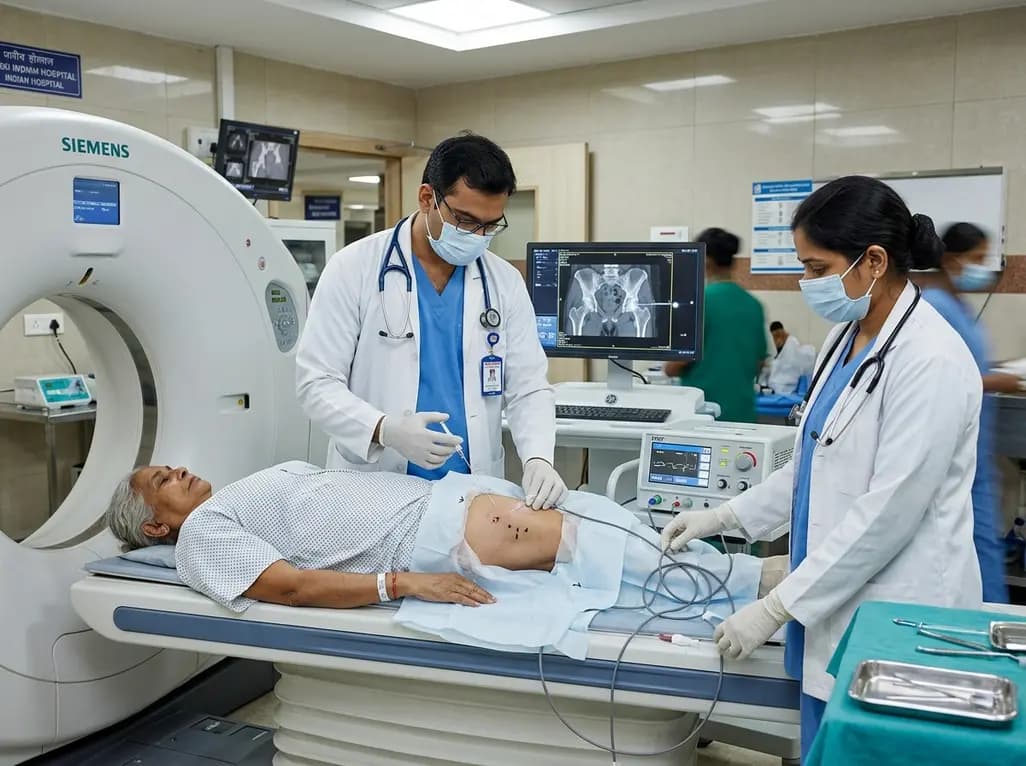
CT-guided pulsed radiofrequency ablation of the obturator nerve delivers durable pain relief up to 12 months in mild-to-moderate hip osteoarthritis, while offering a safe short-term palliative bridge for severe grade 4 disease without procedural complications.
Today
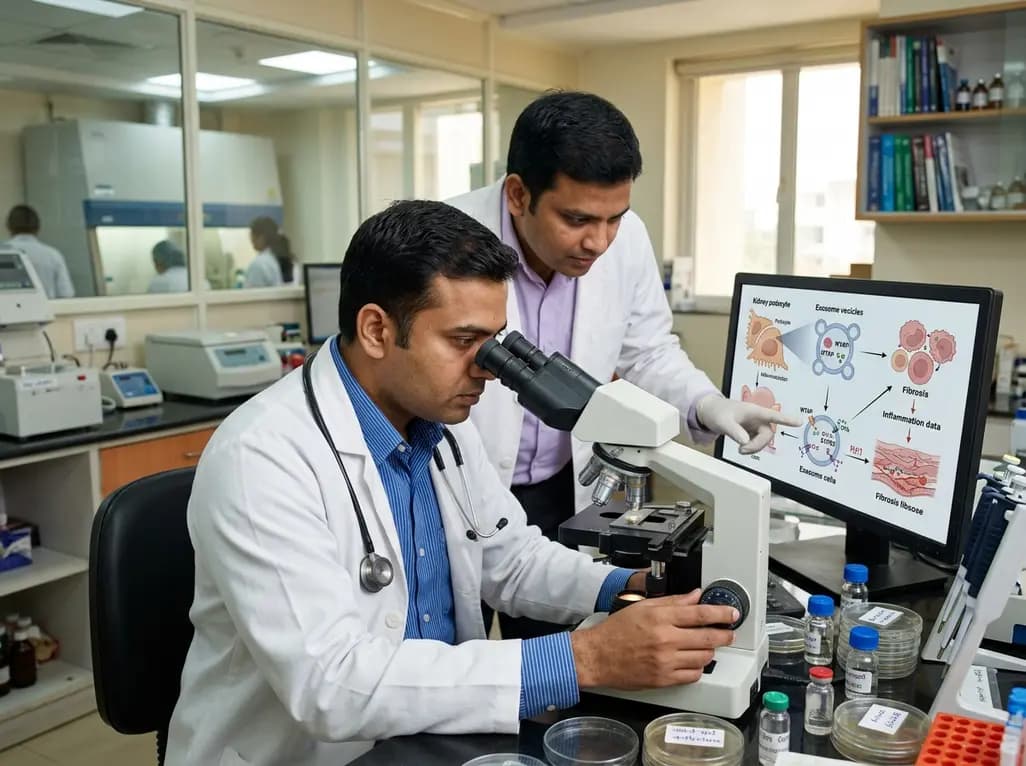
New research reveals that M1 macrophage-derived exosomes aggravate diabetic nephropathy by transferring WTAP to stabilize S1PR2 mRNA. Silencing WTAP in these vesicles attenuates endothelial injury and renal fibrosis, pointing toward innovative nanomedicine therapies.
Yesterday
