.webp&w=384&q=75)

Loading, please wait...
Loading, please wait...
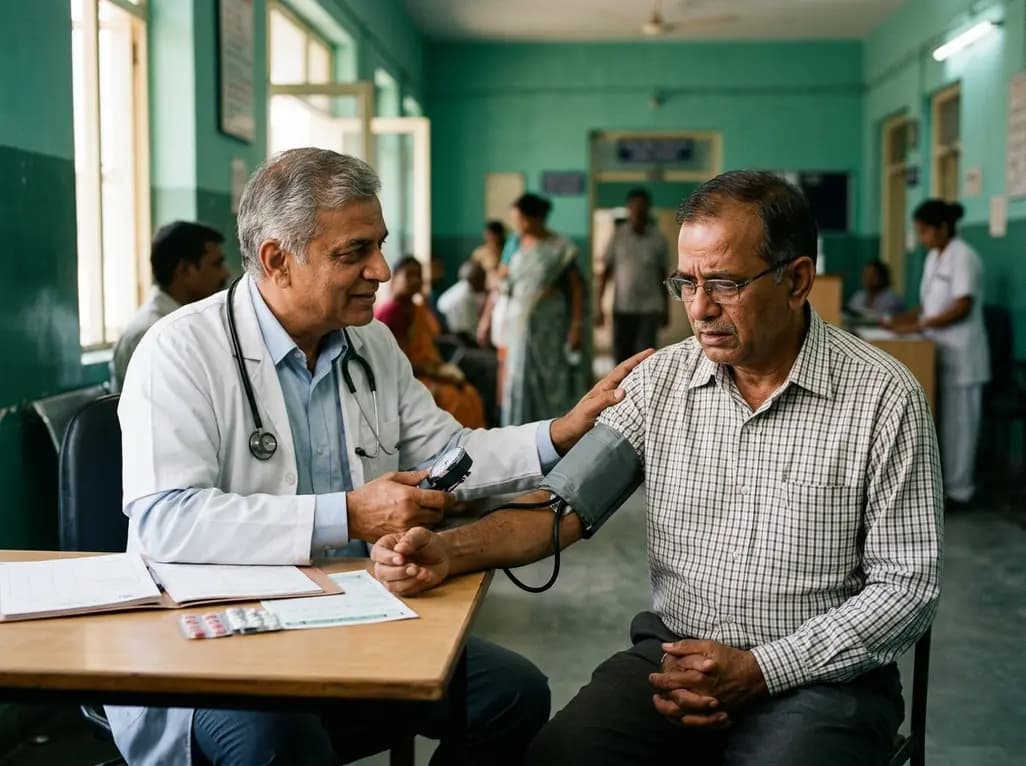
Hypertension remains a silent epidemic across the globe, yet its management extends far beyond simply prescribing antihypertensive medications. Effective hypertension self-care and distress management are pivotal in preventing life-threatening complications like myocardial infarction and stroke. Recent evidence from Gonabad, Iran, highlights a staggering prevalence of psychological distress among those living with high blood pressure. This research emphasizes that mental health is not a secondary concern but a primary driver of self-care behaviors. Clinicians must recognize that anxiety, depression, and stress act as significant barriers to treatment adherence and lifestyle modifications. Furthermore, understanding the interplay between these psychological factors and patient autonomy is essential for improving clinical outcomes in diverse populations, including in India. Studies in the Indian context also mirror these findings, showing that a significant portion of hypertensive patients suffer from undiagnosed depressive symptoms. Consequently, the medical community must shift toward a more holistic approach that integrates mental health screening into routine cardiovascular care. By addressing the psychological roots of poor self-management, physicians can better support their patients in achieving long-term blood pressure control. This dual focus on physical and mental well-being is the cornerstone of modern hypertension management.
The prevalence of psychological disorders in chronic disease populations is often underestimated in busy clinical settings. In the study conducted in Gonabad, the results were particularly illuminating, revealing that 75.2% of hypertensive patients exhibited anxiety. Additionally, depression was found in 62.5% of the participants, while 59.3% reported significant stress levels. These figures are remarkably high and suggest that the burden of living with a chronic, potentially life-threatening condition takes a severe emotional toll. Moreover, these findings are supported by systematic reviews in India, which indicate that nearly 40% of hypertensive individuals experience depression. Such statistics underscore the necessity of moving beyond traditional physiological markers like systolic and diastolic readings. When patients feel overwhelmed by their diagnosis, their ability to engage in self-care diminishes. Therefore, high rates of psychological distress should be viewed as a red flag for potential treatment failure. Physicians who overlook these mental health indicators may find their patients struggling with uncontrolled hypertension despite optimal pharmacological therapy. Recognizing the scale of this issue is the first step toward developing more effective, patient-centered intervention strategies that address both the mind and the body.
The relationship between mental health and self-care is fundamentally reciprocal and complex. Psychological distress significantly undermines hypertension self-care and distress regulation by reducing a patient’s cognitive and emotional resources. For instance, depression is often characterized by low energy, hopelessness, and reduced executive function, all of which are essential for maintaining a complex self-care regimen. Hypertensive patients must manage medications, monitor their blood pressure at home, and adhere to strict dietary restrictions. When anxiety or stress levels are high, these tasks can feel insurmountable. Pearson's correlation analysis in recent studies has shown a significant negative association between depression and overall self-care levels. Similarly, anxiety often leads to erratic behaviors or fear-based avoidance of medical follow-ups. Stress acts as a further catalyst, often triggering unhealthy coping mechanisms such as tobacco use or poor dietary choices. Consequently, the psychological state of the patient directly dictates the success of lifestyle interventions. If a patient is too distressed to follow medical advice, the most advanced antihypertensive drugs will offer limited protection. This highlights why clinicians must prioritize emotional stabilization as a prerequisite for successful chronic disease management. Integrating psychological support into the care plan is not just an option; it is a clinical necessity.
Not all hypertensive patients experience psychological distress in the same way, as various demographic factors play a significant role. The study in Gonabad found that marital status, education level, and occupation were all significantly correlated with self-care levels and mental health. Specifically, female patients and older adults appeared more vulnerable to the negative impacts of anxiety and depression. Marital status showed a particularly strong association with distress levels, suggesting that social support systems are critical for emotional resilience. Furthermore, patients with lower education levels often face additional challenges in understanding the nuances of self-care inventory scales. This lack of health literacy can exacerbate feelings of anxiety and helplessness when managing a chronic condition. In the Indian context, socioeconomic factors and gender roles often influence how psychological distress is expressed and managed. For example, women in many rural communities may have limited access to mental health resources while carrying heavy domestic responsibilities. Understanding these demographic nuances allows healthcare providers to tailor their interventions more effectively. By identifying high-risk groups early, clinicians can allocate resources like counseling or social work support where they are needed most. This targeted approach ensures that the most vulnerable patients receive the comprehensive care they require to manage their hypertension effectively.
The impact of psychological distress on hypertension is not merely behavioral; it has deep physiological roots. Chronic stress triggers the hypothalamic-pituitary-adrenal (HPA) axis and the sympathetic nervous system, leading to sustained elevations in cortisol and catecholamines. These hormonal shifts result in increased heart rate, vasoconstriction, and ultimately, higher blood pressure. Therefore, stress management is a direct physiological intervention for hypertension. When a patient suffers from chronic anxiety, their body remains in a state of high alert, making it difficult to achieve target blood pressure levels even with medication. Moreover, the "labeling effect" can cause psychological distress simply from the knowledge of being hypertensive, which in turn spikes blood pressure during clinical visits. This phenomenon, often related to white-coat hypertension, demonstrates the immediate impact of the mind on cardiovascular readings. By reducing psychological distress, clinicians can help stabilize the autonomic nervous system, making pharmacological treatments more effective. Recent Indian guidelines emphasize that stress management techniques, such as yoga and cognitive-behavioral therapy, can lead to significant reductions in both systolic and diastolic blood pressure. These non-pharmacological interventions work synergistically with drugs to lower overall cardiovascular risk. Consequently, addressing the psychological state is a biological imperative in the quest for optimal blood pressure control.
Implementing mental health screening in primary care settings is essential for improving hypertension outcomes in India. Given the high patient volume, using brief, validated tools like the DASS-21 or PHQ-9 can help clinicians quickly identify those at risk. Integrating these screenings into routine check-ups ensures that psychological distress is caught before it severely impacts self-care behaviors. Furthermore, the Indian Society of Hypertension suggests that lifestyle modifications should include stress reduction as a core pillar of therapy. Collaborative care models, where general practitioners work alongside psychologists or counselors, have shown great promise in managing co-morbid hypertension and depression. Additionally, community-based programs that encourage group exercise or meditation can provide the social support necessary to mitigate stress. Education remains a powerful tool; patients should be taught that their emotional health is directly linked to their heart health. When patients understand this connection, they are more likely to seek help for psychological symptoms. However, the stigma surrounding mental health in many parts of India remains a significant barrier. Physicians must use empathetic communication to normalize these feelings and encourage open dialogue. By fostering a supportive environment, clinicians can empower patients to take control of both their mental and physical health, leading to better long-term prognosis and a higher quality of life.
Psychological distress, particularly depression and anxiety, often reduces a patient's cognitive focus and motivation. Depression can lead to forgetfulness or a sense of hopelessness regarding treatment outcomes, while anxiety may cause patients to fear potential side effects. These emotional burdens significantly decrease the likelihood of consistent medication use, leading to poor blood pressure control.
Anxiety and depression are the most prevalent psychiatric conditions observed in individuals with hypertension. These disorders are often triggered by the chronic nature of the disease and the lifestyle restrictions it imposes. Studies indicate that a high percentage of patients experience significant stress, which further complicates their ability to manage self-care effectively.
Clinicians can adopt brief, validated screening tools such as the PHQ-9 for depression or the GAD-7 for anxiety during routine hypertension follow-ups. By normalizing mental health discussions as part of cardiovascular health, doctors can identify at-risk patients early. Integrating these screenings helps in creating a comprehensive care plan that addresses both physical and psychological barriers.
Disclaimer: This content is for informational and educational purposes only and does not constitute medical advice, diagnosis, or treatment. Always seek the advice of your physician or other qualified health provider with any questions you may have regarding a medical condition. Refer to the latest local and national guidelines for clinical practice.
References
Naddafi F et al. Psychological distress in hypertension: Prevalence and links to self-care in Gonabad, Iran. PLoS One. 2026. doi: 10.1371/journal.pone.0352892. PMID: 42430300.
Dutta A, Chaudhary V, Gupta AK, et al. Prevalence of depression in hypertensive patients and its associated factors in India: a systematic review and meta-analysis. Hipertensión y Riesgo Vascular. 2024;41:217–225. doi:10.1016/j.hipert.2024.05.003.
Expert Consensus on Lifestyle Modifications in Hypertension Management: An Indian Perspective. Journal of the Association of Physicians of India (JAPI). 2025.
Indian Society of Hypertension (InSH). Consensus Guideline for the Management of Hypertension, 2025.
"
Read summarized clinical updates, watch expert medical content, and earn CME certifications right from your smartphone.
Open your smartphone camera to scan and install.





New research highlights high rates of anxiety and depression in hypertensive patients, showing that psychological distress significantly hinders self-care. Improving mental health is vital for effective blood pressure management and preventing cardiovascular complications.
Last week
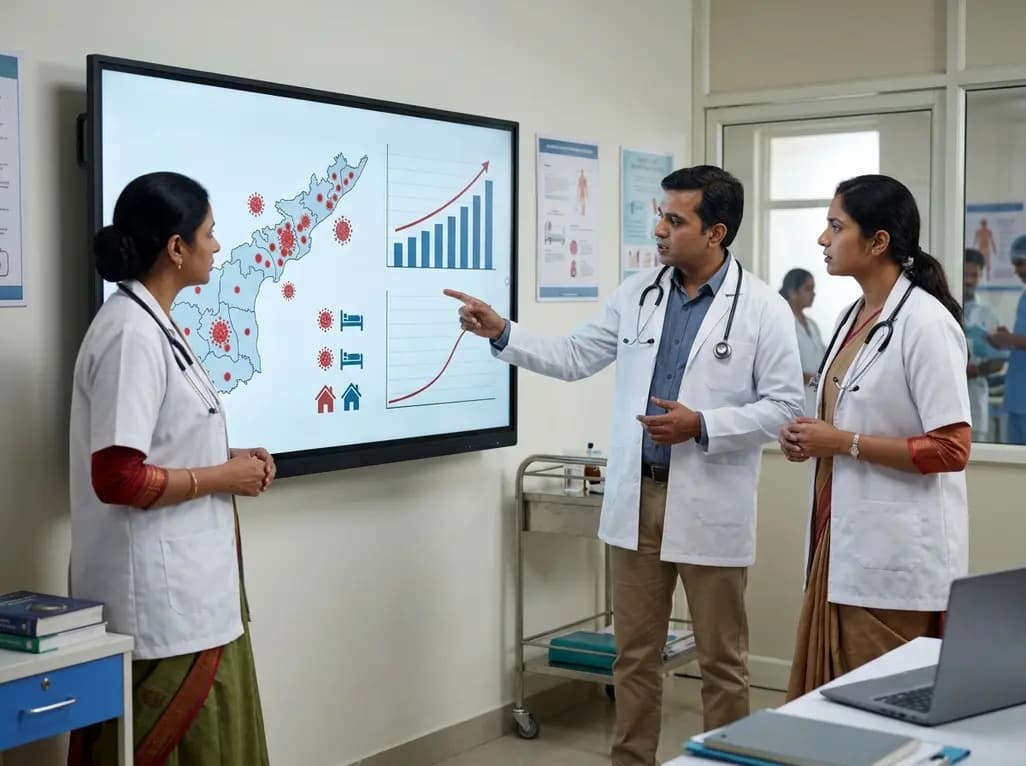
Andhra Pradesh reported 10 new Covid-19 cases, taking the state tally to 49 while deaths remain at four. With 24 patients hospitalized and 16 under home isolation, the Health Department has intensified monitoring. Medical professionals should review regional distribution, diagnostic protocols, and management plans.
Today

An 11-year Swedish registry study of 618 uterine sarcoma patients found that minimally invasive surgery yielded survival comparable to open surgery in early stages. However, adjuvant chemotherapy conferred no survival benefit in localized or advanced disease, highlighting stage and histology as key outcomes.
3 days back

A cross-sectional study evaluates post-intensive care syndrome in cardiac patients 2-4 weeks post-ICU discharge, highlighting cognitive, psychological, and functional impairments and the need for structured multidisciplinary rehabilitation.
3 days back
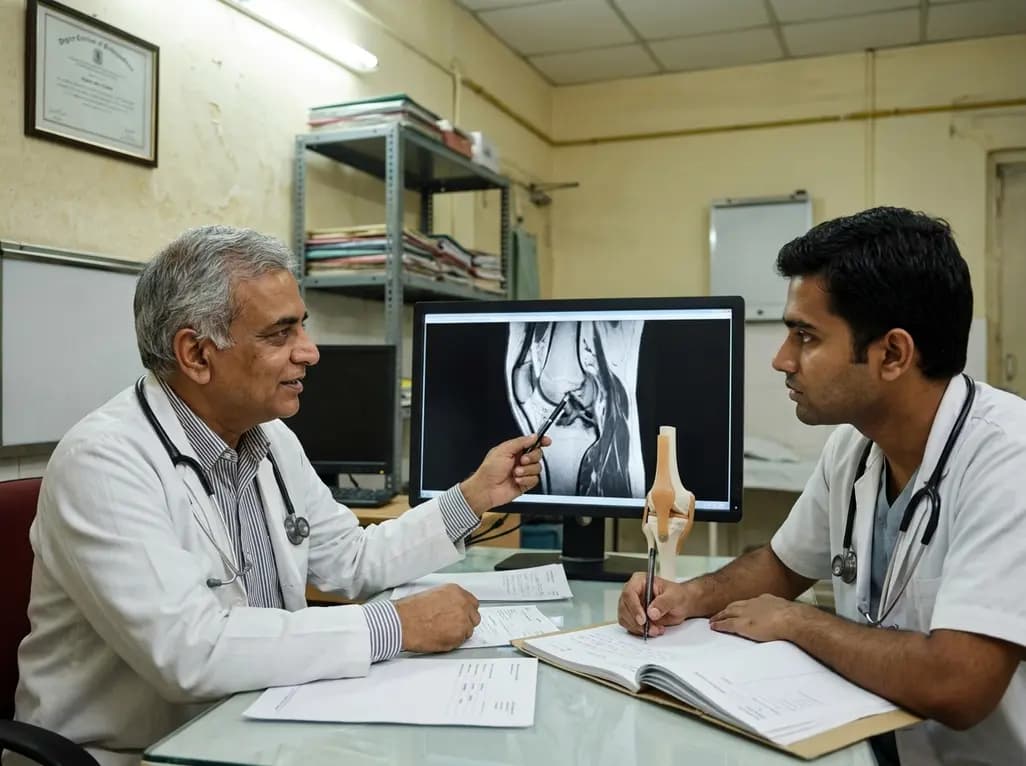
Anterior cruciate ligament reconstruction failure lacks uniform definition. A narrative review proposes an integrative framework incorporating objective and subjective instability, persistent pain, restricted motion, graft rupture, and secondary meniscal injury to standardize clinical reporting.
3 days back
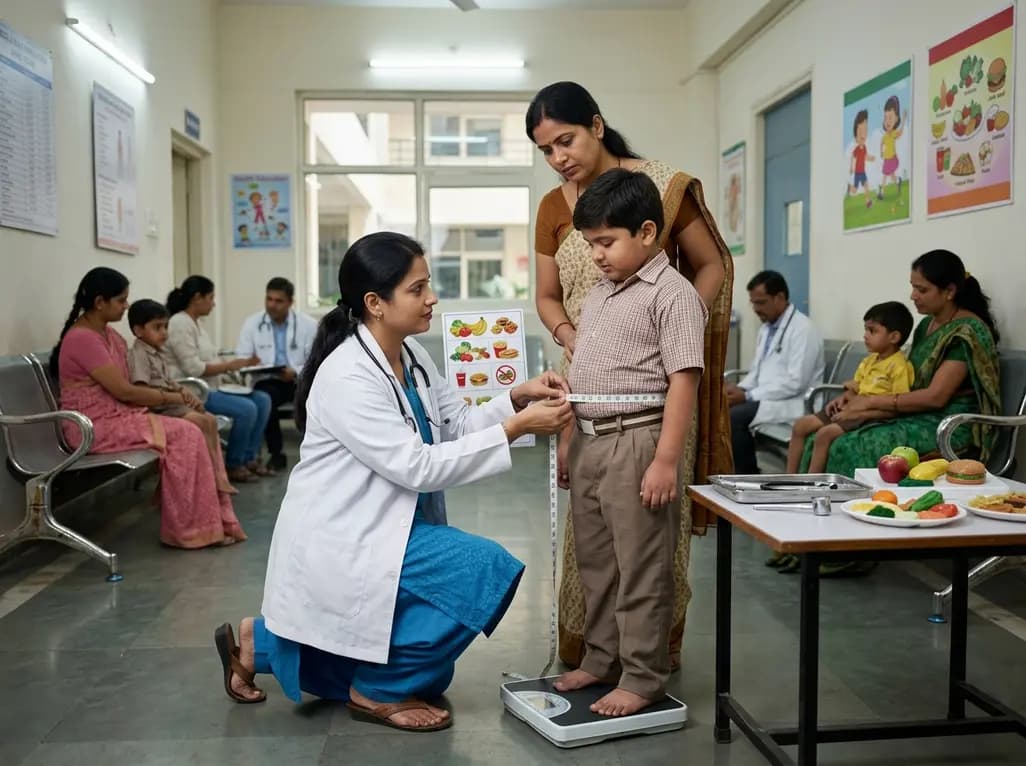
With World Obesity Atlas data warning that over 41 million Indian children are overweight or obese, ICMR and NIN have unveiled a 10-point policy roadmap. The initiative calls for mandatory front-of-pack labeling, HFSS taxes, strict marketing bans, and healthier school environments to curb non-communicable diseases.
Today
