.webp&w=384&q=75)

Loading, please wait...
Loading, please wait...
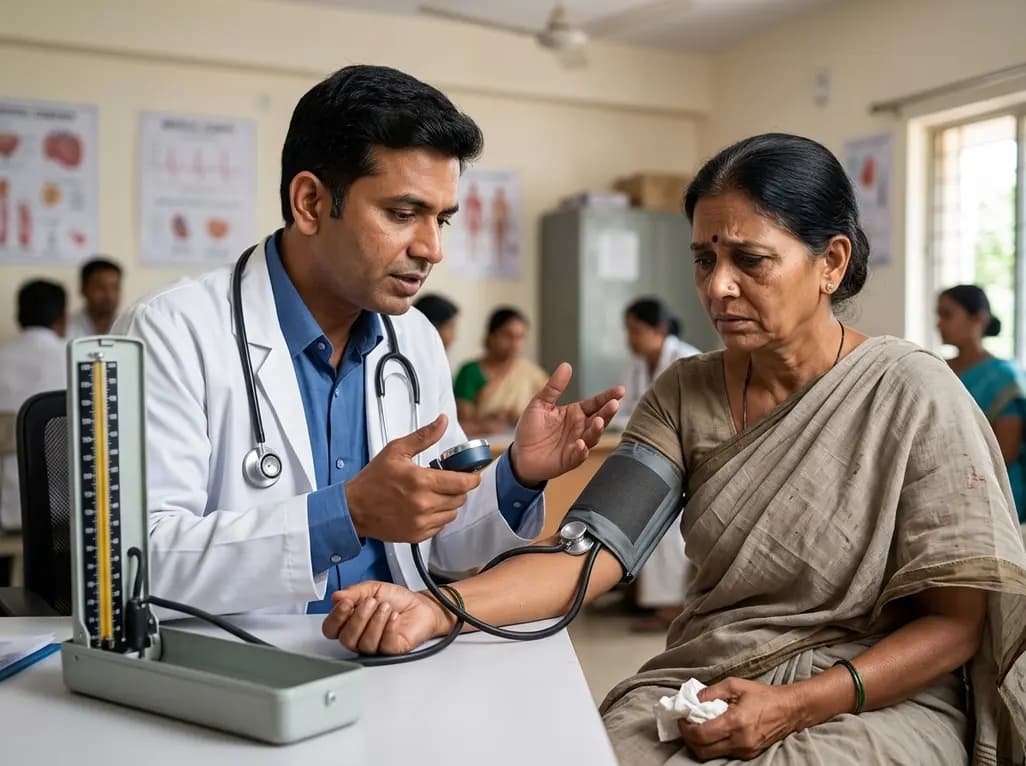
Hypertension continues to be a primary driver of cardiovascular morbidity and mortality globally, including in the Indian subcontinent. While pharmacological interventions remain the cornerstone of treatment, long-term success depends heavily on patient adherence to lifestyle modifications. Effective management necessitates consistent hypertension self-care and psychological distress management, as these factors are intrinsically linked. Self-care encompasses a range of behaviors, from medication adherence and regular blood pressure monitoring to dietary changes and physical activity. However, many clinicians find that patients struggle to maintain these essential routines over time. Emerging research suggests that underlying mental health conditions, such as anxiety, depression, and chronic stress, often act as significant barriers to effective self-care. Consequently, understanding the intersection between emotional well-being and chronic disease management has become vital for improving patient outcomes. This article examines recent findings on the prevalence of psychological disorders in hypertensive populations and explores how these factors directly correlate with self-care efficacy.
Recent analytical studies have shed light on the staggering rates of mental health comorbidities among individuals living with high blood pressure. In a significant cross-sectional study conducted in Gonabad, researchers identified that a majority of hypertensive patients exhibited signs of psychological distress. Specifically, the data revealed that 75.2% of participants experienced varying levels of anxiety. Furthermore, 62.5% of the study population suffered from depression, while 59.3% reported high levels of perceived stress. These figures are notably higher than those seen in the general population, suggesting that the burden of managing a chronic condition like hypertension may itself exacerbate emotional instability. This high prevalence is not an isolated finding. Similar studies in India have reported depression rates between 40% and 51% in tertiary care settings. Moreover, the bidirectional relationship between mental health and hypertension means that psychological distress can lead to poor blood pressure control, which in turn causes more emotional strain. Therefore, clinicians must recognize that psychological distress is a common companion to hypertension rather than an occasional outlier.
The core of recent clinical investigations focuses on the statistical relationship between mental health scores and self-care inventories. Utilizing tools like the Depression, Anxiety, and Stress Scale (DASS-21) and the Self-Care of Hypertension Inventory (SC-HI V3), researchers have found a significant negative correlation between these variables. For instance, higher scores in depression and anxiety are consistently associated with lower self-care performance across all subscales. Statistical analysis indicates that as psychological distress increases, a patient's ability to monitor their blood pressure and manage symptoms effectively declines. This negative association is critical for practitioners to understand. Patients experiencing depressive symptoms may lose the motivation required for regular exercise or sodium restriction. Similarly, high anxiety levels can lead to erratic monitoring behaviors or a complete avoidance of health-related information. Because self-care is a proactive process, the cognitive and emotional impairment caused by distress essentially paralyzes the patient's capacity for maintenance and monitoring. Addressing hypertension self-care and psychological distress simultaneously is thus necessary to break the cycle of poor adherence and uncontrolled hypertension.
Clinical data suggests that certain demographic groups are more susceptible to the negative impacts of psychological distress on hypertension management. In several studies, female patients and older adults (aged 60 and above) showed higher mean scores for depression and anxiety. Marital status also plays a significant role, with single or widowed individuals often reporting higher distress levels due to reduced social support. Additionally, education levels and occupational status correlate significantly with both mental health and self-care capacity. Patients with lower educational attainment may struggle with health literacy, making them more vulnerable to the stressors of managing a complex chronic disease. Conversely, those with higher social support and better education tend to exhibit more resilient self-care behaviors despite psychological challenges. In India, factors such as socioeconomic status and geographical location further complicate this picture. Rural populations may face greater barriers to mental healthcare, potentially worsening their cardiovascular prognosis. Therefore, identifying these demographic vulnerabilities allows clinicians to tailor their interventions and provide more intensive support to those at the highest risk of self-care failure.
The link between psychological distress and hypertension is not merely behavioral; it is deeply rooted in human physiology. Chronic stress and anxiety trigger the hypothalamic-pituitary-adrenal (HPA) axis and the sympathetic nervous system. This activation leads to a persistent state of 'fight or flight,' characterized by elevated heart rates and systemic vasoconstriction. Over time, the continuous release of cortisol and catecholamines can damage the vascular endothelium and promote pro-inflammatory states. These biological responses directly counteract the goals of antihypertensive therapy. Furthermore, depression is often associated with increased systemic inflammation and oxidative stress, both of which are known contributors to arterial stiffness. When a patient is under significant psychological duress, their body remains in a physiological state that resists blood pressure lowering efforts. Consequently, even if a patient remains somewhat adherent to medication, the biological impact of untreated distress can undermine the clinical efficacy of the pharmacological regimen. Understanding these pathways reinforces the need for a holistic approach that treats the mind and the heart as an integrated system.
To improve hypertension self-care and psychological distress management, clinicians should move toward an integrated care model. The first step involves implementing routine screening for mental health in hypertensive clinics using validated, brief tools like the DASS-21 or the Hospital Anxiety and Depression Scale (HADS). Early identification of anxiety or depression allows for timely intervention, whether through counseling, behavioral therapy, or pharmacological support for mental health. Moreover, healthcare providers should emphasize the importance of self-efficacy during patient consultations. Empowering patients with the knowledge and tools to manage their condition can reduce the anxiety associated with diagnosis. Multi-disciplinary teams involving general practitioners, cardiologists, and mental health professionals can provide the comprehensive support necessary for complex cases. Furthermore, digital health interventions, such as mobile apps for stress management and blood pressure tracking, can bridge the gap between clinical visits. By addressing the psychological barriers to self-care, practitioners can help patients achieve more stable blood pressure control and significantly reduce the risk of long-term cardiovascular complications.
Depression significantly reduces the motivation and cognitive energy required for daily self-care tasks. Patients may experience 'learned helplessness,' leading them to believe that lifestyle changes will not help their condition. This results in poor medication adherence, lack of physical activity, and neglect of dietary restrictions, ultimately leading to uncontrolled blood pressure levels.
While moderate levels of concern can occasionally drive a patient to seek care, high levels of clinical anxiety are generally detrimental. Excessive anxiety often leads to 'white-coat' effects or erratic home monitoring. More importantly, chronic anxiety causes physiological sympathetic overactivity, which directly increases systemic vascular resistance and complicates the management of hypertension.
Stress management is a powerful adjunctive therapy but is rarely a substitute for medication in moderate to severe hypertension. However, reducing stress can significantly improve the efficacy of antihypertensive drugs and enhance the patient's ability to maintain healthy habits. Integrated approaches that combine stress reduction with standard medical care yield the best long-term outcomes.
Disclaimer: This content is for informational and educational purposes only. It is not intended to be a substitute for professional medical advice, diagnosis, or treatment. Always seek the advice of your physician or other qualified health provider with any questions you may have regarding a medical condition. Refer to the latest local and national guidelines for clinical practice.
References
Naddafi F et al. Psychological distress in hypertension: Prevalence and links to self-care in Gonabad, Iran. PLoS One. 2026. doi: 10.1371/journal.pone.0352892. PMID: 42430300.
Kandasamy G et al. Mental health and hypertension: assessing the prevalence of anxiety and depression and their associated factors in a tertiary care population. Front Public Health. 2025. doi: 10.3389/fpubh.2025.1545386. PMID: 40416701.
Dickson VV et al. Psychometric Testing of the Self-care of Hypertension Inventory Version 3.0. J Cardiovasc Nurs. 2021. doi: 10.1097/JCN.0000000000000787. PMID: 33534345.
Pal B et al. Prevalence of depression in hypertensive patients and its associated factors in India: A systematic review and meta-analysis. Hypertension Research. 2024. doi: 10.1016/j.hipert.2024.05.003. PMID: 38960854.

Read summarized clinical updates, watch expert medical content, and earn CME certifications right from your smartphone.
Open your smartphone camera to scan and install.





Recent clinical evidence highlights a staggering prevalence of psychological distress among hypertensive patients, showing that anxiety and depression significantly impair self-care behaviors. This article explores these links and offers integrated management strategies for clinicians.
Last week
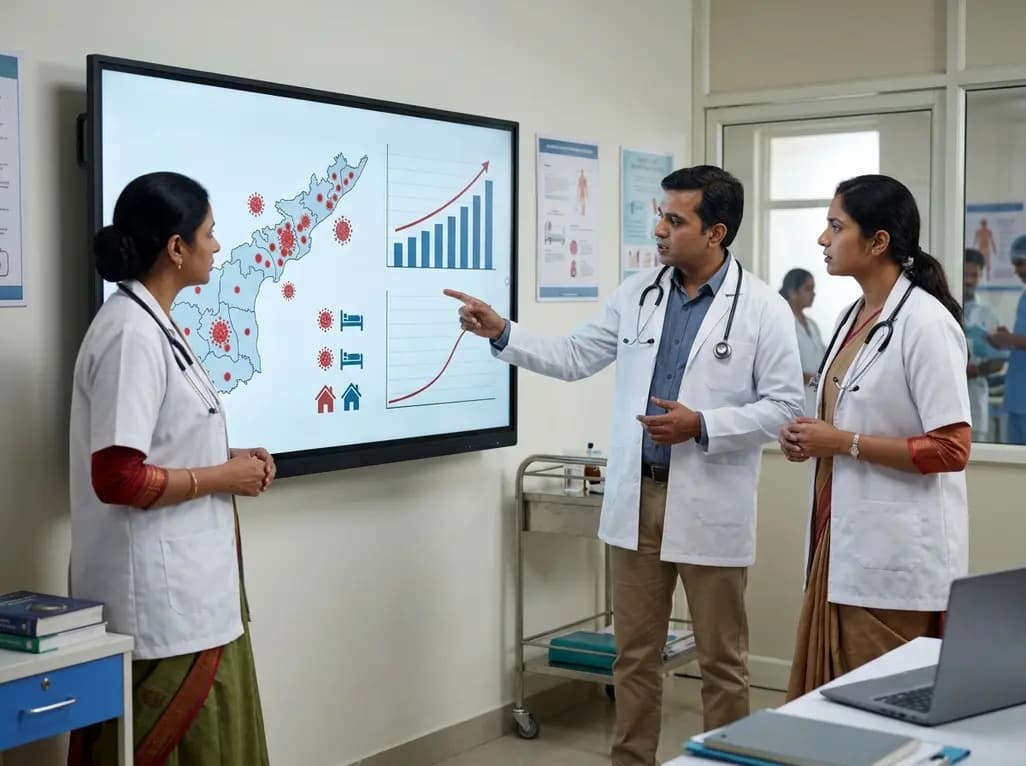
Andhra Pradesh reported 10 new Covid-19 cases, taking the state tally to 49 while deaths remain at four. With 24 patients hospitalized and 16 under home isolation, the Health Department has intensified monitoring. Medical professionals should review regional distribution, diagnostic protocols, and management plans.
Today

An 11-year Swedish registry study of 618 uterine sarcoma patients found that minimally invasive surgery yielded survival comparable to open surgery in early stages. However, adjuvant chemotherapy conferred no survival benefit in localized or advanced disease, highlighting stage and histology as key outcomes.
3 days back

A cross-sectional study evaluates post-intensive care syndrome in cardiac patients 2-4 weeks post-ICU discharge, highlighting cognitive, psychological, and functional impairments and the need for structured multidisciplinary rehabilitation.
3 days back
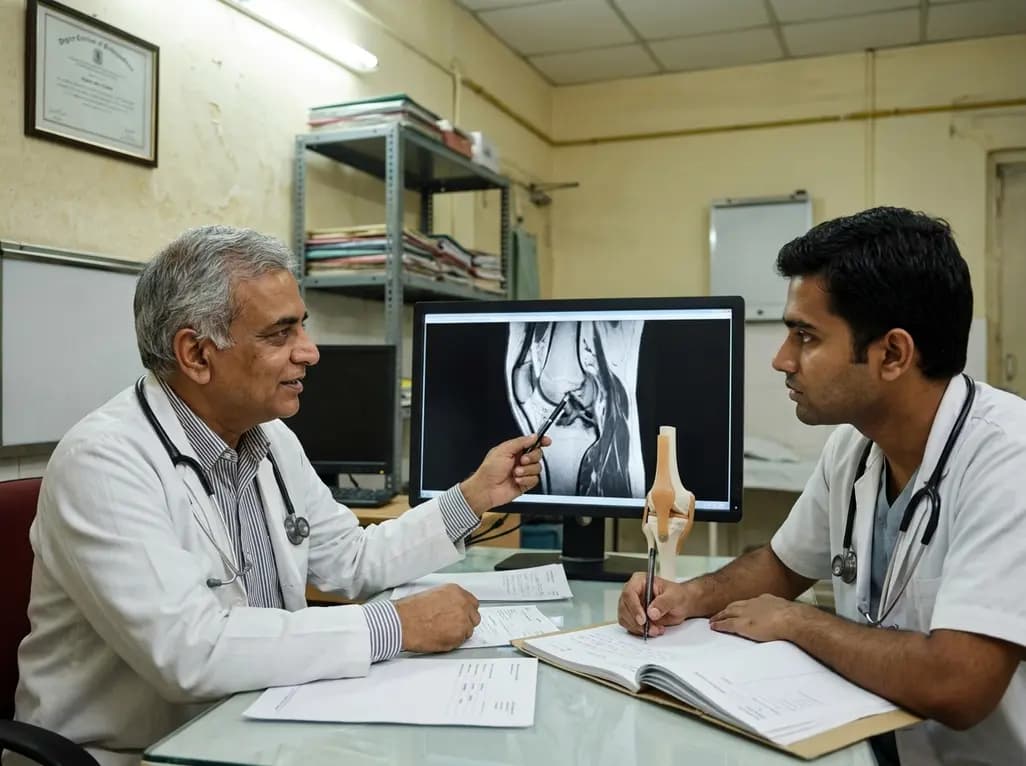
Anterior cruciate ligament reconstruction failure lacks uniform definition. A narrative review proposes an integrative framework incorporating objective and subjective instability, persistent pain, restricted motion, graft rupture, and secondary meniscal injury to standardize clinical reporting.
3 days back
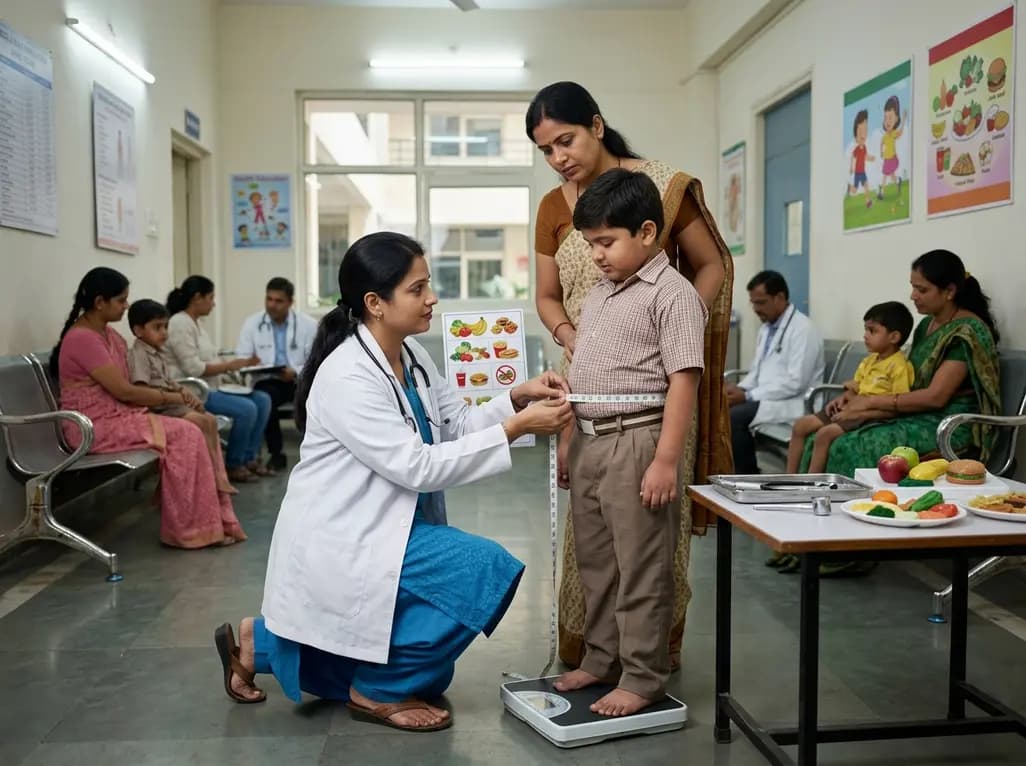
With World Obesity Atlas data warning that over 41 million Indian children are overweight or obese, ICMR and NIN have unveiled a 10-point policy roadmap. The initiative calls for mandatory front-of-pack labeling, HFSS taxes, strict marketing bans, and healthier school environments to curb non-communicable diseases.
Today
