.webp&w=384&q=75)

Loading, please wait...
Loading, please wait...
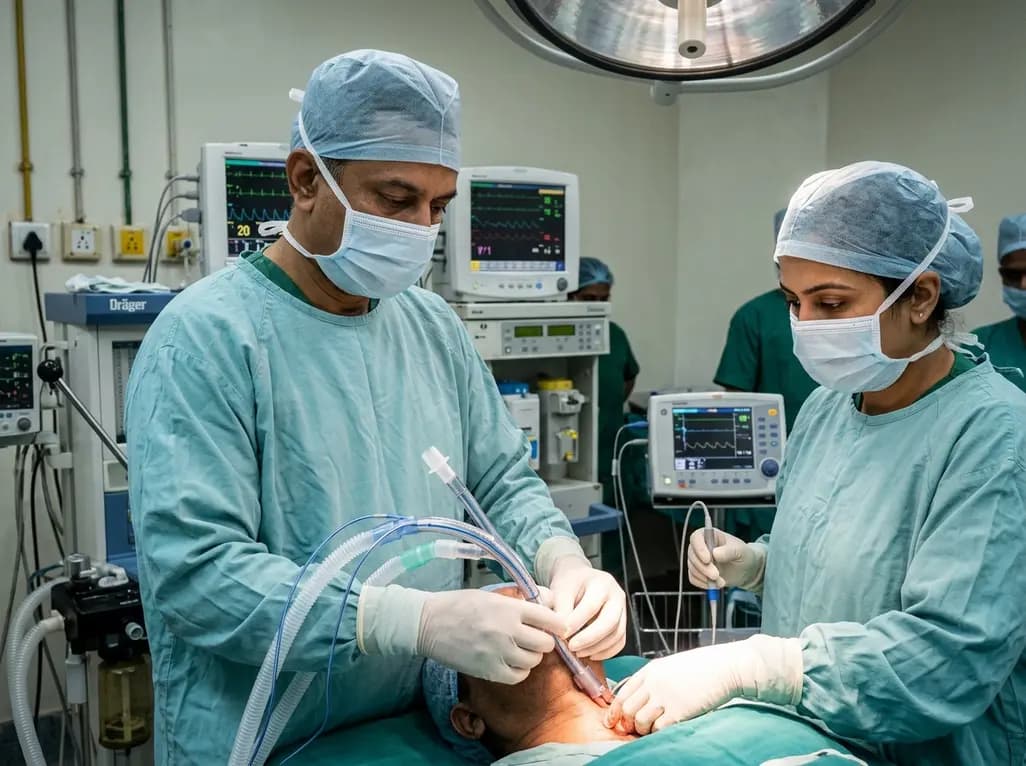
Intractable hiccups present a formidable clinical hurdle that severely exhausts patients and impairs overall quality of life. Furthermore, continuous diaphragmatic spasms trigger profound sleep deprivation, dehydration, severe malnutrition, and psychological distress. Standard pharmacological therapies, including chlorpromazine and gabapentin, frequently fail to provide sustained relief in refractory cases. Similarly, repeated percutaneous phrenic nerve blocks often yield only transient symptomatic improvement. Consequently, clinicians must evaluate advanced surgical interventions targeting aberrant phrenic nerve pathways within the thoracic cavity. In this clinical scenario, teams implement hybrid airway management to satisfy two competing surgical prerequisites. Specifically, the surgical team requires excellent thoracoscopic visibility through single-lung collapse, whereas the neurophysiologist requires intact motor response tracking. Traditional double-lumen endotracheal tubes reliably isolate the operative lung, but they cannot accommodate specialized electromyography sensors. Therefore, clinicians must formulate innovative airway configurations to overcome these mechanical and monitoring barriers. A recent landmark case report details a 32-year-old woman suffering from idiopathic intractable hiccups who underwent thoracoscopic phrenic exploration. The anaesthesia team successfully enabled branch-specific neuromonitoring alongside effective lung isolation. Ultimately, this approach showcases how thoughtful device adaptation solves demanding operative challenges.
Thoracic surgery requiring intraoperative neuromonitoring demands meticulous pre-procedural equipment selection and positioning. To achieve this dual goal, the anaesthesiologist combines a specialized electromyography endotracheal tube with an independent bronchial blocker. First, the team performs conventional endotracheal intubation using the electromyography tube under direct video laryngoscopy. This specialized conduit carries surface recording electrodes that interface directly with the vocal cords and neurophysiological monitors. Next, the anaesthesiologist introduces a bronchial blocker through the single-lumen tube using a dedicated multiport airway adapter. Fiberoptic bronchoscopy plays an indispensable role during this phase to confirm precise anatomical positioning. In the reported patient, clinicians guided the bronchial blocker directly into the right mainstem bronchus. Subsequently, the surgical team positioned the patient into the left lateral decubitus posture for thoracic access. Repositioning often dislodges endobronchial devices; therefore, the team repeated fiberoptic bronchoscopy to confirm blocker stability. The cuff inflated smoothly, achieving airtight sealing of the right lung. As a result, the right hemithorax fully collapsed, granting the surgeon clear visualization of the phrenic nerve trajectory. This hybrid configuration effectively prevented airway trauma while preserving electrophysiological data collection.
Intraoperative neuromonitoring introduces significant pharmacological constraints during general anaesthesia. Anaesthesiologists typically administer non-depolarizing neuromuscular blocking agents during induction to facilitate smooth tracheal intubation. However, persistent muscle relaxation suppresses compound muscle action potentials and eliminates diaphragmatic twitches. Consequently, surgeons cannot evaluate evoked motor responses when stimulating nerve trunks or peripheral branches. In this challenging case, the clinical team deployed an intermediate-acting aminosteroid neuromuscular blocker during initial airway instrumentation. Once the team secured the airway and positioned the patient, the operative field required complete neuromuscular recovery. Therefore, the anaesthesiologist administered sugammadex intraoperatively to achieve rapid, predictable encapsulation of the neuromuscular blocking agent. Sugammadex promptly restored diaphragmatic responsiveness, enabling the neurophysiologist to record clear electromyographic signals. Moreover, maintenance anaesthesia relied on total intravenous anaesthesia or titrated volatile agents without supplementary relaxants. This balanced technique preserved adequate anaesthetic depth while averting intraoperative awareness. The patient exhibited complete surgical immobility without any diaphragmatic suppression during critical stimulation protocols. Thus, targeted reversal agents bridge the gap between safe intubation mechanics and pristine intraoperative electrophysiology.
One-lung ventilation carries inherent risks of hypoxemia, hypercapnia, and ventilation-perfusion mismatching. When treating this 32-year-old patient, the anaesthesia team maintained one-lung ventilation for 35 minutes during thoracoscopy. The clinicians applied a lung-protective ventilation protocol to support the dependent left lung. Specifically, the team selected a fraction of inspired oxygen between 0.70 and 0.80. Furthermore, they delivered conservative tidal volumes of 5 to 6 mL per kilogram of predicted body weight. A respiratory rate of 18 breaths per minute ensured adequate minute ventilation, while positive end-expiratory pressure of 5 cmH2O maintained alveolar recruitment. Arterial blood gas analysis performed at 25 minutes of single-lung ventilation confirmed outstanding physiological stability. Specifically, the arterial pH measured 7.38, arterial carbon dioxide tension reached 41 mmHg, and arterial oxygen tension remained robust at 92 mmHg. In addition, peak airway pressures remained well within safe parameters throughout the thoracic stage. Because the bronchial blocker maintained complete isolation, the operative lung did not obscure the surgical view. Consequently, the team safeguarded systemic oxygenation without resorting to high airway driving pressures.
Accurate localization of pathological nerve fibers represents the core therapeutic objective in selective phrenic surgery. The surgical team carefully dissected the right phrenic nerve trunk along the pericardium and superior vena cava. Thoracoscopic electrical stimulation helped the multidisciplinary team distinguish functional motor conduits from hyperactive, spastic branches. Notably, branch-specific neuromonitoring revealed pathological, hyperactive electrophysiological discharges within the medial and anterolateral branches. In contrast, the remaining nerve branches demonstrated standard, rhythmic diaphragmatic conduction. Therefore, surgeons performed selective bipolar ablation and surgical clipping exclusively on the abnormal branches. This ultra-precise intervention interrupted the hiccup reflex arc while preserving baseline diaphragmatic contractility. Following surgical completion, the anaesthesiologist deflated the bronchial blocker cuff and successfully re-expanded the right lung under direct bronchoscopic control. The patient emerged smoothly from general anaesthesia without coughing or airway distress. Postoperatively, she breathed comfortably on room air without supplemental oxygen. Furthermore, structured clinical evaluations and functional imaging confirmed no clinically relevant diaphragmatic paralysis or paradoxical motion. Most importantly, the patient experienced immediate, total cessation of her chronic, exhausting hiccups.
Selective phrenic nerve surgery presents two conflicting clinical requirements: complete lung isolation for thoracoscopic visualization and continuous neurophysiological monitoring. Standard double-lumen tubes collapse the operative lung but cannot accommodate vocal cord or specialized electromyography sensors. Conversely, standard electromyography tubes lack lung separation capabilities. Combining an electromyography endotracheal tube with an independent bronchial blocker provides an ideal hybrid solution, ensuring reliable single-lung ventilation while simultaneously facilitating sensitive motor nerve tracking.
Neuromuscular blocking agents administered during anaesthesia induction paralyze skeletal muscles and abolish diaphragmatic twitches, preventing neurophysiologists from recording evoked compound motor action potentials. Sugammadex rapidly encapsulates aminosteroid relaxants like rocuronium, achieving complete chemical reversal within minutes. By restoring prompt diaphragmatic excitability without anticholinergic side effects, sugammadex allows the multidisciplinary surgical team to perform sensitive, branch-specific electrical stimulation while the patient remains safely asleep under total intravenous or volatile anaesthesia.
The primary concern following surgical manipulation of the phrenic nerve involves permanent diaphragmatic paralysis and subsequent respiratory insufficiency. However, selective branch ablation targets solely the aberrant, spastic branches responsible for the hiccup reflex, leaving the primary trunk intact. In addition, patients undergo thorough postoperative monitoring to evaluate ventilatory mechanics, oxygen saturation on room air, and fluoroscopic diaphragmatic excursion. This highly targeted surgical strategy dramatically minimizes functional impairment and eliminates debilitating hiccups.
Disclaimer: This content is for informational and educational purposes only... Refer to the latest local and national guidelines for clinical practice.
References

Read summarized clinical updates, watch expert medical content, and earn CME certifications right from your smartphone.
Open your smartphone camera to scan and install.





Thoracic surgeons and anaesthesiologists successfully managed idiopathic intractable hiccups using hybrid airway management, pairing an electromyography tube with a bronchial blocker. Intraoperative sugammadex enabled precise branch-specific phrenic nerve neuromonitoring and selective ablation.
Today

A retrospective study shows that symptom-monitored loading with lorazepam, chlordiazepoxide, or gabapentin significantly reduces hospital length of stay compared to CIWA-Ar-only therapy in severe alcohol withdrawal, providing a safer, more proactive management strategy.
Today

A retrospective cohort study of 5,481 children aged 3–6 years evaluated whether surgical sperm retrieval for ICSI affects offspring cognitive and physical growth compared with ejaculated sperm and IVF. Results demonstrate comparable IQ scores and growth parameters, providing reassuring safety evidence for clinical practice.
Today
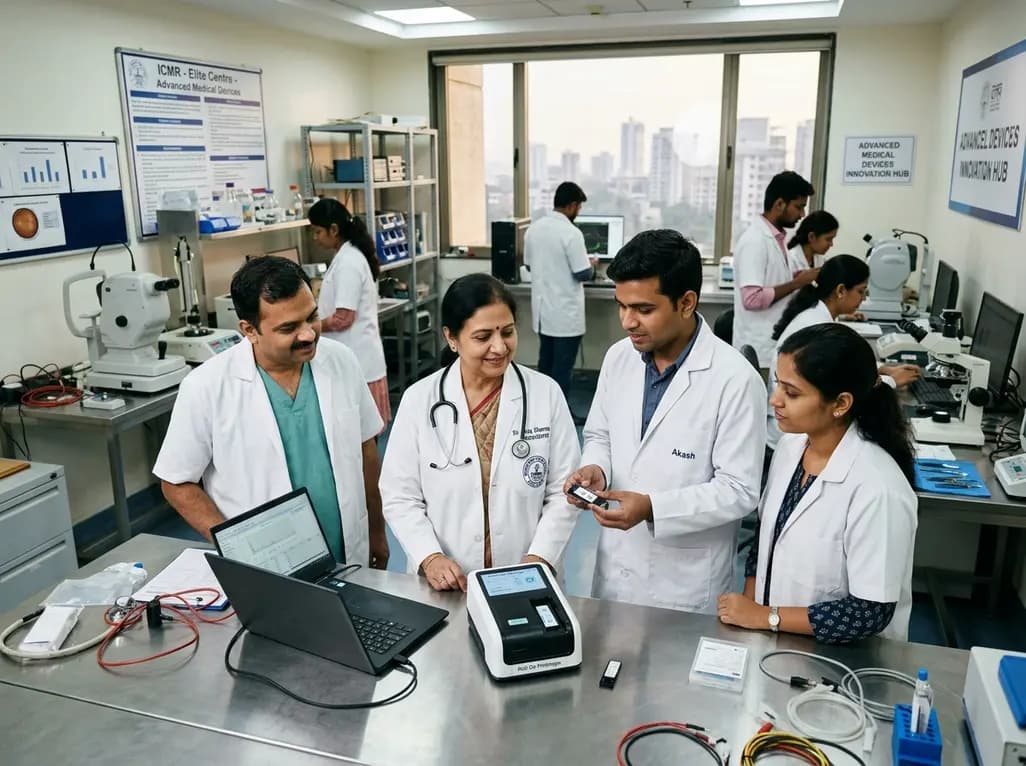
The Indian Council of Medical Research has funded seven top academic hubs to build indigenous healthcare technologies. Targeting point-of-care diagnostics, biomaterials, and ophthalmology, these multidisciplinary centres aim to tackle unmet clinical needs and make medical care affordable across India.
Today

Diagnostic data shows that nearly one in four spine investigations now involve patients younger than 40 years. This comprehensive overview explores the drivers behind this demographic trend, evaluates ergonomic hazards, clarifies red-flag signs, and highlights clinical indications for judicious diagnostic imaging.
Today

A multicenter cross-sectional study of 1,315 adults with type 1 diabetes reveals that the GMI/HbA1c ratio does not independently predict microvascular complications. Clinicians should prioritize sustained time in range and blood pressure management over glycation discordance metrics.
Today
