.webp&w=384&q=75)

Loading, please wait...
Loading, please wait...
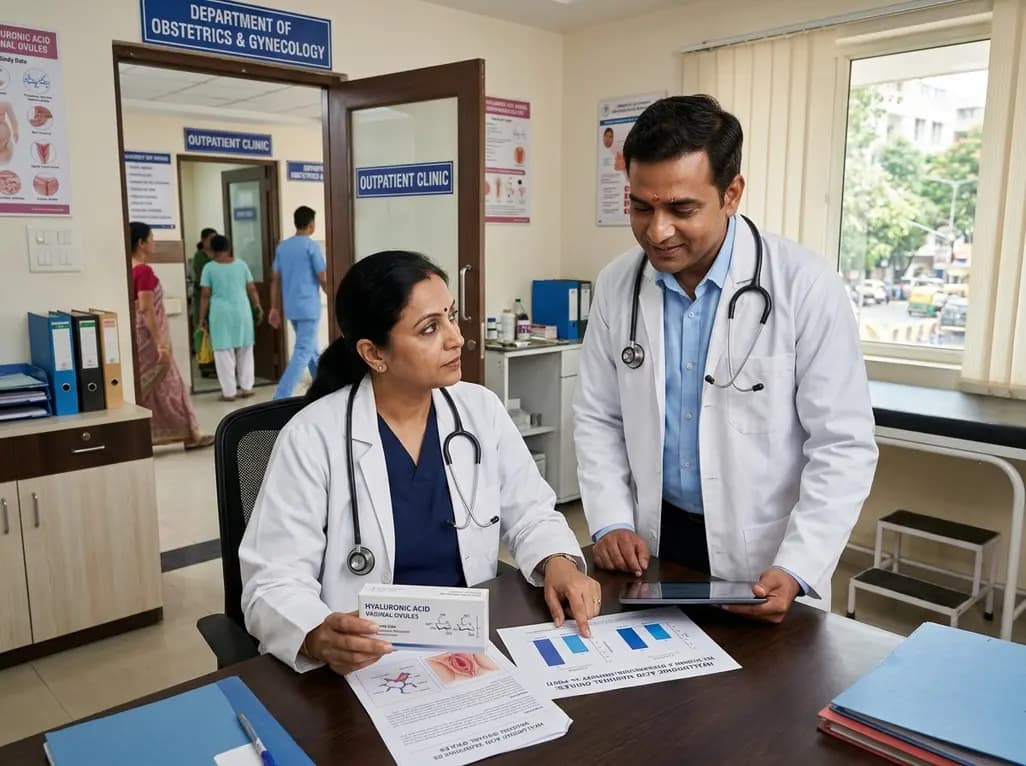
Vulvovaginal atrophy and persistent vaginal dryness represent widespread clinical challenges that compromise physical comfort, sexual wellness, and overall quality of life. Although these symptoms frequently arise during postmenopausal years due to hypoestrogenism, women across younger demographics also experience mucosal dryness due to lactation, contraceptive use, or oncological therapies. Clinicians constantly seek non-hormonal therapeutic alternatives that restore mucosal integrity without introducing systemic endocrine exposure. Recent evidence underscores the utility of a moisturising hyaluronic acid vaginal ovule as an effective, well-tolerated intervention. This advanced topical delivery system actively rehydrates the vulvovaginal epithelium, rebuilds the protective physiological barrier, and alleviates painful intercourse. Furthermore, prospective clinical evaluation demonstrates robust improvements in objective tissue health scores alongside subjective symptom relief. Consequently, non-hormonal formulations provide crucial therapeutic versatility for patients who cannot receive local estrogens or prefer hormone-free regimens. Understanding the cellular mechanisms, clinical outcomes, and safety characteristics of these ovules empowers practitioners to address intimate health issues with confidence and precision.
Vaginal dryness and dyspareunia substantially impair patient wellbeing, often leading to chronic pelvic discomfort, emotional distress, and strained interpersonal relationships. In clinical practice, estrogen depletion drives progressive thinning of the vaginal epithelium, loss of tissue elasticity, and a pronounced reduction in glandular secretions. Consequently, friction during sexual activity causes epithelial micro-trauma, burning, and severe dyspareunia. Moreover, the accompanying elevation in vaginal pH disrupts the protective microflora, increasing susceptibility to local irritation and secondary infections. Unfortunately, many patients hesitate to discuss these symptoms voluntarily, resulting in underdiagnosis and delayed therapeutic intervention. Therefore, healthcare providers must proactively screen symptomatic individuals during routine gynecological visits. When left unmanaged, persistent dryness leads to progressive mucosal fragility and debilitating coital pain that adversely affects mental health. While local estrogen therapy remains a common standard, many women exhibit absolute contraindications, such as estrogen-dependent malignancies or thromboembolic risks, while others express personal preferences against hormone use. Accordingly, identifying evidence-based, non-hormonal interventions represents an urgent clinical priority for modern gynecological care.
Hyaluronic acid functions as a naturally occurring glycosaminoglycan with an extraordinary capacity to bind water molecules within the extracellular matrix. When administered via a specialized hyaluronic acid vaginal ovule, the formulation adheres intimately to the vaginal mucosa to create a persistent, hydrating protective film. This non-hormonal barrier shields fragile subepithelial nerve endings from mechanical shear stress, thereby providing immediate symptomatic comfort. Furthermore, hyaluronic acid facilitates tissue regeneration by stimulating microvascular perfusion and accelerating cellular migration across damaged epithelial layers. In vitro studies using three-dimensional human vaginal epithelial models confirm that liposomal and ovule delivery vehicles enhance mucosal hydration without disturbing cellular architecture. Importantly, the physical-chemical mechanism of action operates independently of cellular estrogen receptors, ensuring localized moisture retention without triggering systemic hormonal alterations. Additionally, sustained-release ovules maintain mucosal hydration throughout the day, preventing moisture loss and promoting mucosal suppleness. By reinforcing structural resilience and supporting local tissue homeostasis, this non-hormonal approach establishes an optimal physiological environment for tissue repair and long-term symptom resolution.
Recent prospective, multicentre clinical research provides compelling validation for the therapeutic performance of hyaluronic acid ovules in symptomatic women. In these post-market clinical follow-up investigations, investigators enrolled adult women experiencing moderate-to-severe vaginal dryness and compromised baseline Vaginal Health Index scores. Patients administered the ovules consistently according to structured dosing protocols over several weeks. Notably, clinical evaluations revealed rapid and statistically significant improvements in objective mucosal health, including enhanced tissue elasticity, restored mucosal thickness, and improved moisture secretion. Simultaneously, patient-reported outcome measures highlighted substantial reductions in dyspareunia, itching, burning sensations, and spontaneous coital pain. Furthermore, longitudinal assessments demonstrated sustained therapeutic benefits, with the majority of participants achieving normal Vaginal Health Index parameters by the study conclusion. These robust findings corroborate earlier trials evaluating liposomal hyaluronic acid formulations, which documented reductions in dryness by more than eighty percent alongside pronounced decreases in coital discomfort. Therefore, structured clinical evidence confirms that non-hormonal ovule therapy reliably reverses mucosal atrophy signs and restores comfortable sexual function.
Safety and patient compliance remain critical benchmarks when choosing long-term therapies for vulvovaginal discomfort. The prospective multicentre trial demonstrated an exceptional safety profile for the hyaluronic acid ovule, with no serious treatment-related adverse events reported. Because the active ingredient is a biocompatible molecule naturally present in human connective tissues, local mucosal tolerance is remarkably high. Participants reported minimal adverse reactions, with an absence of severe burning, hypersensitivity, or abnormal discharge during regular administration. Moreover, the formulation respects normal physiological pH, preventing opportunistic microbial overgrowth and maintaining vaginal flora equilibrium. Consequently, treatment adherence remained remarkably high throughout the study duration, reflecting superior comfort and ease of use. This favorable tolerability makes the ovule suitable for diverse patient cohorts, including young premenopausal women, lactating mothers, and postmenopausal individuals. Furthermore, cancer survivors managing endocrine therapy-induced genitourinary syndrome of menopause can safely utilize this non-hormonal ovule without concerns regarding oncological safety or systemic estrogenic stimulation.
Integrating non-hormonal moisturising ovules into daily practice enables gynecologists to deliver personalized, comprehensive care for intimate health disorders. Clinicians should establish a comprehensive baseline assessment utilizing validated diagnostic tools such as the Vaginal Health Index and visual analogue scales for dyspareunia. For initial management, practitioners typically recommend inserting one ovule intravaginally two to three times weekly, preferably at bedtime to maximize tissue absorption and retention. Additionally, educating patients on the distinction between transient lubricants and long-term moisturising ovules ensures realistic expectations and sustained compliance. While lubricants provide temporary relief during intercourse, ovules exert cumulative hydrating and regenerative effects that restore basal mucosal integrity over time. Clinicians should schedule structured follow-up visits at four to twelve weeks to evaluate symptomatic progress and mucosal recovery. Ultimately, offering an effective, non-hormonal alternative broadens treatment accessibility, restores intimate comfort, and significantly elevates the overall quality of life for women experiencing distressing vulvovaginal symptoms.
Patients frequently experience noticeable soothing comfort and improved lubrication within the first several days of starting therapy. However, significant structural improvements in mucosal elasticity and marked reductions in dyspareunia typically develop after four to eight weeks of consistent administration. Regular usage allows the hyaluronic acid formulation to hydrate the extracellular matrix deeply, promoting comprehensive epithelial regeneration and sustained tissue resilience.
Yes, breast cancer survivors can safely use this non-hormonal treatment. Because hyaluronic acid acts purely via physical-chemical hydration and tissue repair mechanisms without binding to estrogen receptors, it produces zero systemic hormonal activity. Consequently, oncologists and gynecologists widely recommend hyaluronic acid ovules as a secure first-line therapy for managing hormone therapy-induced genitourinary atrophy without compromising oncological safety.
While standard water-based lubricants provide short-term friction reduction exclusively during sexual intercourse, moisturising vaginal ovules deliver long-term therapeutic rehydration. The hyaluronic acid ovule dissolves intravaginally, forming a persistent bio-adhesive barrier that actively binds water and stimulates cellular tissue repair over several days. Thus, ovules continuously reverse underlying mucosal atrophy rather than merely offering transient symptomatic relief during coitus.
Disclaimer: This content is for informational and educational purposes only and does not constitute medical advice. Healthcare professionals should rely on their clinical judgment when evaluating medical research and therapeutic options. Refer to the latest local and national guidelines for clinical practice.
References

Read summarized clinical updates, watch expert medical content, and earn CME certifications right from your smartphone.
Open your smartphone camera to scan and install.





A prospective multicentre study demonstrates that a moisturising hyaluronic acid-based vaginal ovule significantly improves vaginal health index scores and alleviates dyspareunia, offering a safe, non-hormonal therapeutic option for women.
last month

With post-monsoon dengue surges threatening South Asian health systems, physicians must refine triage and management. This guide covers vital warning signs, plasma leakage detection, crystalloid titration, and vector containment strategies to prevent mortality during seasonal arboviral epidemics.
Today

Findings from Project Viva indicate that sustained postpartum weight retention, rather than excessive gestational weight gain alone, directly worsens women's mid-life cardiovascular health, degrading blood pressure and glycemic parameters decades after delivery.
Today
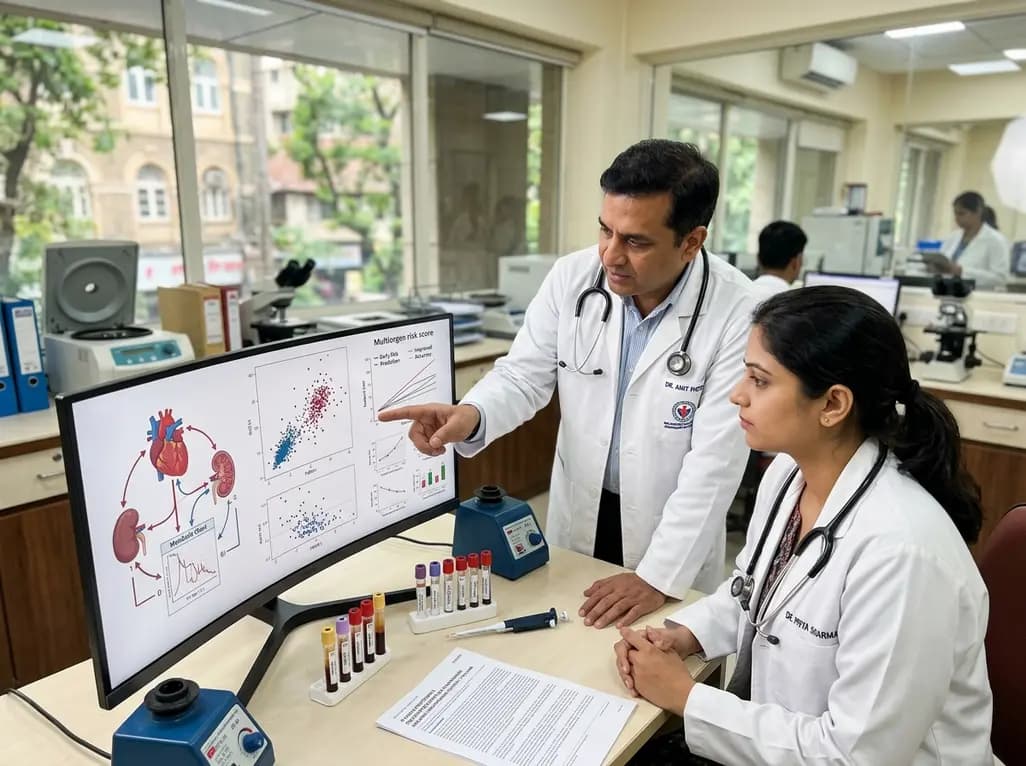
A large UK Biobank study reveals that plasma proteomic signatures capture preclinical organ damage and improve multiorgan risk prediction across early CKM syndrome stages 0 to 2 beyond traditional PREVENT clinical models.
Today

A retrospective CBCT study reveals that superior TMJ space asymmetry correlates moderately with occipital condyle-atlas-axis asymmetry in unilateral TMJ osteoarthritis, highlighting an imaging correlate between jaw biomechanics and upper cervical alignment rather than a standalone diagnostic marker.
Today

A Bayesian multilevel meta-analysis reveals that aerobic training combined with moderate carbohydrate restriction modestly lowers HbA1c in type 2 diabetes. However, sparse data and very low certainty leave incremental benefits over exercise or diet alone unproven, highlighting the need for individualized care.
Today
