

Loading, please wait...
Loading, please wait...

Effective breathlessness management in COPD remains a critical priority for clinicians, especially in high-burden regions like India. Chronic breathlessness significantly restricts independence and lowers the quality of life for patients. Consequently, researchers have developed the Macarthur Breathless Clinic (MBC) protocol to address these challenges through a multidisciplinary, home-based intervention. This single-arm cohort study evaluates whether a personalized approach can reduce symptom burden and healthcare utilization.
The MBC intervention utilizes a 9-week program involving medical, nursing, physiotherapy, and occupational therapy clinicians. Specifically, the team conducts holistic medical assessments to identify individual factors contributing to respiratory distress. They then provide coaching for self-management using multicomponent strategies tailored to each participant. Therefore, the program moves beyond traditional pharmacological treatment by empowering patients in their own environments.
The primary goal of this protocol is to enhance breathlessness mastery among participants. Researchers use the Chronic Respiratory Questionnaire's mastery subscale to measure long-term improvements. Additionally, the study monitors 12-month exacerbation rates and rescue medication use. Notably, preliminary recruitment reached 92 participants by March 2024. This data will likely provide robust evidence for integrating such models into existing chronic care frameworks.
Furthermore, the study explores the experiences of both patients and their carers. Qualitative insights will inform future service developments, ensuring that interventions remain patient-centered. Because home-based rehabilitation bypasses travel barriers, it offers a sustainable solution for patients with limited mobility.
The study aims to investigate if a home-based multidisciplinary intervention can reduce the burden of chronic breathlessness and decrease healthcare use in COPD patients.
The intervention consists of a 9-week program that includes personalized coaching and contributions from a diverse team of medical and therapy professionals.
Home-based care improves accessibility for patients with mobility issues and reduces the economic strain on families who would otherwise travel to specialized centers.
Disclaimer: This content is for informational and educational purposes only. It is not a substitute for professional medical advice, diagnosis, or treatment. Always seek the advice of your physician or other qualified health provider with any questions you may have regarding a medical condition. Refer to the latest local and national guidelines for clinical practice.
References
1. Lee JS et al. A Personalized, Home-Based, Multidisciplinary Outpatient Clinic for Managing Breathlessness in Chronic Obstructive Pulmonary Disease: Protocol for a Single-Arm, Mixed-Methods Cohort Study. JMIR Res Protoc. 2026 Apr 02. doi: 10.2196/85766. PMID: 41926758.
2. Kasim et al. From Breathlessness to Better Living: Transforming COPD Care with Home-based Pulmonary Rehabilitation. Rambam Maimonides Medical Journal. 2025;16(4):e0025.
3. Global Initiative for Chronic Obstructive Lung Disease. Global Strategy for the Diagnosis, Management, and Prevention of Chronic Obstructive Pulmonary Disease (2024 Report).
4. Verma A et al. Prevalence of COPD among population above 30 years in India: A systematic review and meta-analysis. Aug 2021.

Read summarized clinical updates, watch expert medical content, and earn CME certifications right from your smartphone.
Open your smartphone camera to scan and install.





This study protocol explores a 9-week home-based multidisciplinary intervention (MBC) to improve breathlessness mastery and quality of life in COPD patients...
6 months ago

Discover the crucial role of glymphatic dysfunction in stroke, where perivascular clearance failure and neuroinflammation exacerbate cerebral edema and post-stroke brain injury.
Today
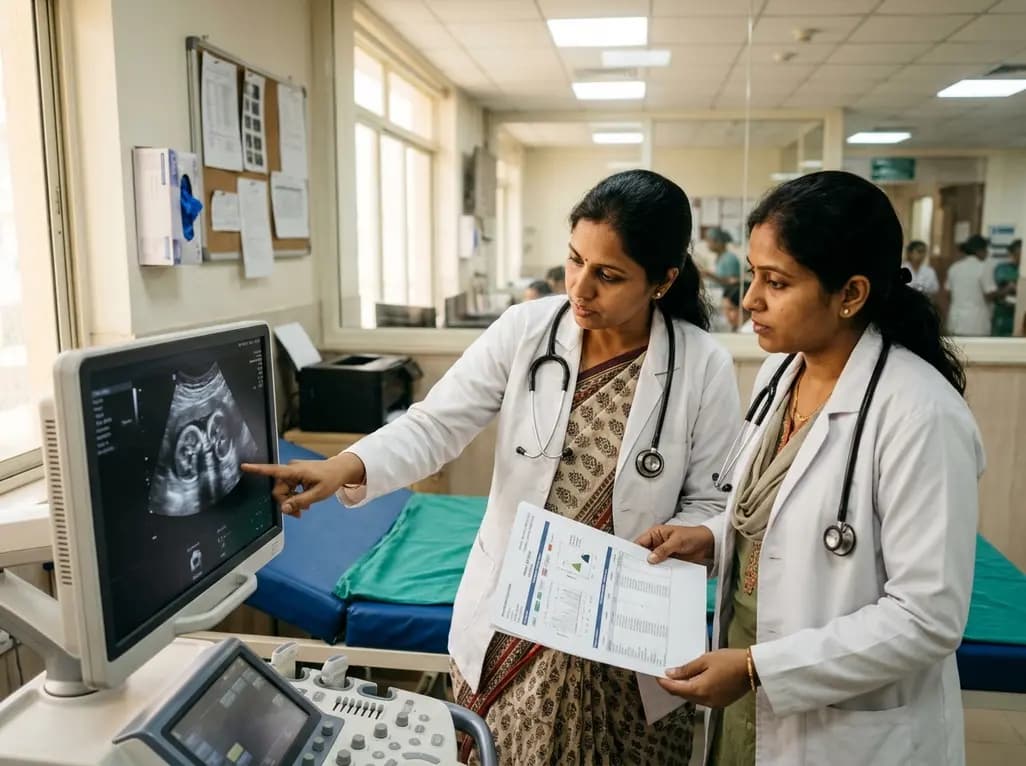
A prenatal case highlights severe glutaric acidemia type II presenting as bilateral hyperechoic cystic kidneys at 18 weeks. Whole-exome sequencing revealed a novel homozygous ETFDH frameshift variant, demonstrating the power of rapid genetic testing in fetal renal anomalies.
Today
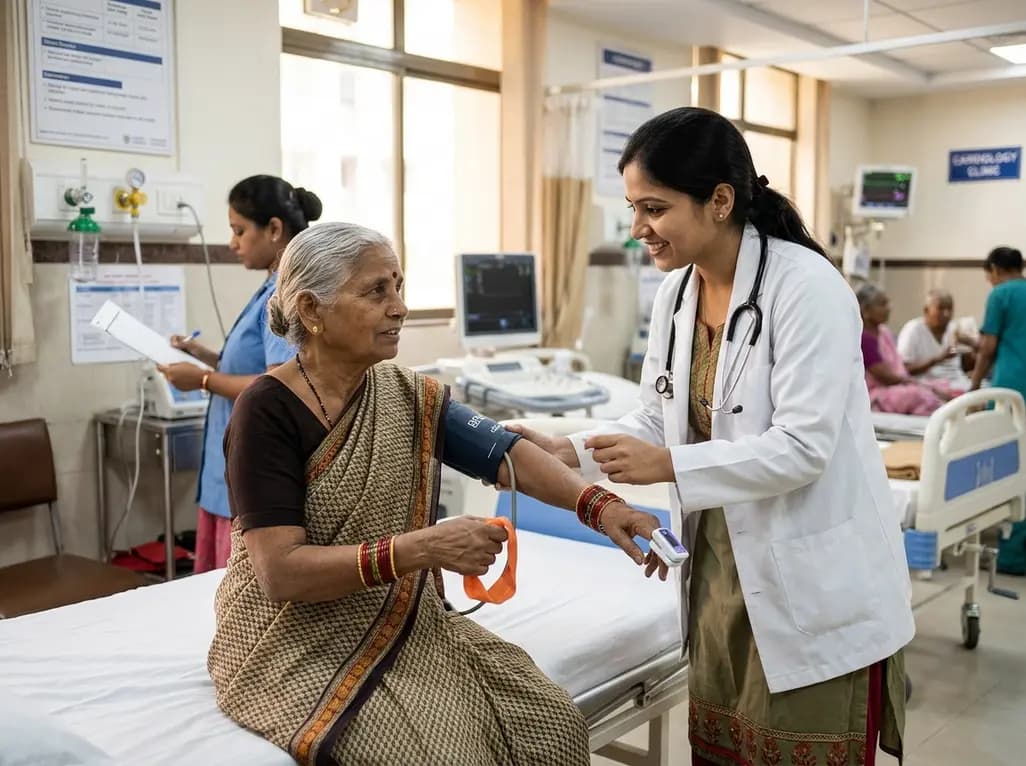
Review how tailored exercise programs benefit frail older patients with heart failure. Explore pathophysiological mechanisms, individualized training prescriptions, and strategies to overcome adherence barriers in clinical practice.
Yesterday
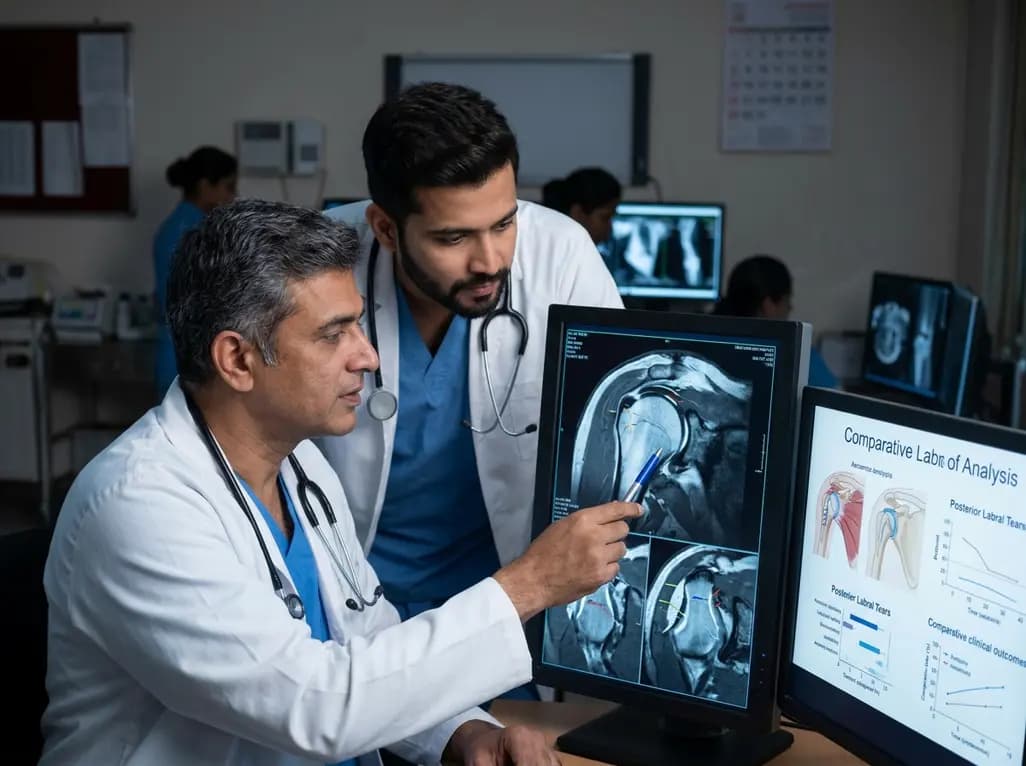
This comparative study evaluates posterior labral tears with and without glenohumeral instability, highlighting distinct demographic patterns, MRI underestimation in stable shoulders, and successful arthroscopic repair outcomes.
Yesterday
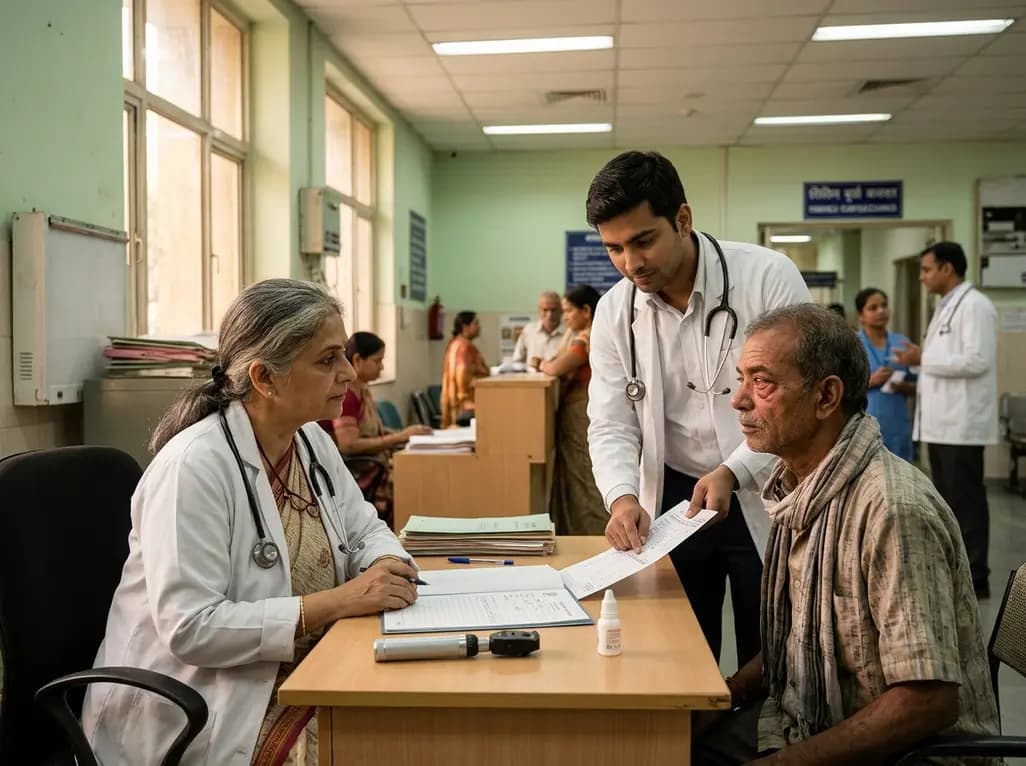
A clinical study demonstrates that early intervention with tocilizumab, either as monotherapy or bridged with corticosteroids, achieves significant proptosis reduction and resolves active inflammation in treatment-naive thyroid eye disease.
Yesterday
