

Loading, please wait...
Loading, please wait...

Public health surveillance increasingly reveals a changing demographic pattern in global HIV transmission. Clinicians worldwide now observe a rising incidence of sexually transmitted infections among aging adults. However, persistent social taboos and deep-seated HIV-related stigma continue to hinder effective prevention and timely clinical screening in rural communities. Primary care physicians often overlook sexual health in geriatric cohorts, which creates substantial vulnerabilities and delays diagnosis.
Historically, public health programs focused predominantly on adolescents and younger adults during sexual health campaigns. Consequently, older adults remained neglected in preventive education and routine screening initiatives. Recent epidemiological data challenge this narrow perspective, demonstrating that individuals aged fifty and above represent an expanding proportion of new diagnoses. In many rural settings, demographic shifts and labor migration leave older men socially isolated, which frequently increases high-risk sexual behaviors. Furthermore, healthcare professionals rarely initiate comprehensive sexual history assessments among senior patients because ageist assumptions portray older adults as asexual. This systemic oversight prevents timely counseling and reinforces societal silence. When older men develop symptoms, they often encounter intense social shame and marginalization from peers and families. Therefore, community attitudes and institutional neglect create an environment where sexually transmitted infections spread unchecked. Clinicians must recognize that sexual health remains vital throughout the entire lifespan. Addressing the psychosocial vulnerabilities of aging individuals is essential to achieving global targets for disease elimination. Without targeted outreach, older cohorts will continue to face preventable morbidity and severe psychological distress.
A recent landmark cross-sectional study conducted in Sichuan Province, China, offers critical empirical insights into these persistent challenges. Researchers evaluated 526 rural men aged fifty years or older through structured, face-to-face clinical questionnaires. Remarkably, only 13.3 percent of the participants demonstrated adequate knowledge regarding transmission routes, prevention methods, and therapeutic options. This alarming knowledge gap clearly illustrates the chronic failure of conventional health communication channels in remote rural regions. Moreover, the investigators documented a high mean score for overall stigma, with fear of infection emerging as the highest-scoring dimension. Multivariable statistical analyses confirmed that comprehensive knowledge correlated negatively with stigmatizing attitudes. Men who understood transmission dynamics expressed significantly lower levels of social prejudice and personal fear. In addition, previous exposure to structured educational sessions strongly predicted lower stigma scores among respondents. These empirical findings underscore that irrational fear thrives primarily in an informational vacuum. When individuals do not understand how the virus transmits, they inevitably develop exaggerated protective reactions and irrational hostility. Consequently, educational deprivation fuels discrimination, discouraging community members from seeking testing or supporting infected neighbors.
The investigation highlighted several key sociodemographic variables that heavily shape social perceptions and health behaviors. Specifically, educational attainment played a decisive role in mitigating biased attitudes among participants. Older men with secondary schooling or higher literacy demonstrated markedly lower prejudice compared to individuals with minimal formal education. Similarly, economic stability significantly influenced community perspectives and health-seeking behaviors. Participants with better financial conditions reported less fear and exhibited greater willingness to interact with infected peers. Conversely, poverty and educational deprivation compounded social vulnerability, creating fertile ground for entrenched myths and severe prejudice. Furthermore, rural geography amplifies these disparities because remote hamlets frequently lack modern medical infrastructure and trained counselors. Older residents often rely on informal social networks for health information, where antiquated misconceptions circulate freely without scientific correction. Marital status and living arrangements also affected perceived vulnerability and community attitudes. Widowed or single older men faced higher risks of social marginalization, which worsened their reluctance to access healthcare services. Therefore, interventions must move beyond generic messaging to address underlying socioeconomic inequities. Tailoring educational content to illiterate or economically disadvantaged cohorts represents an indispensable clinical and ethical priority.
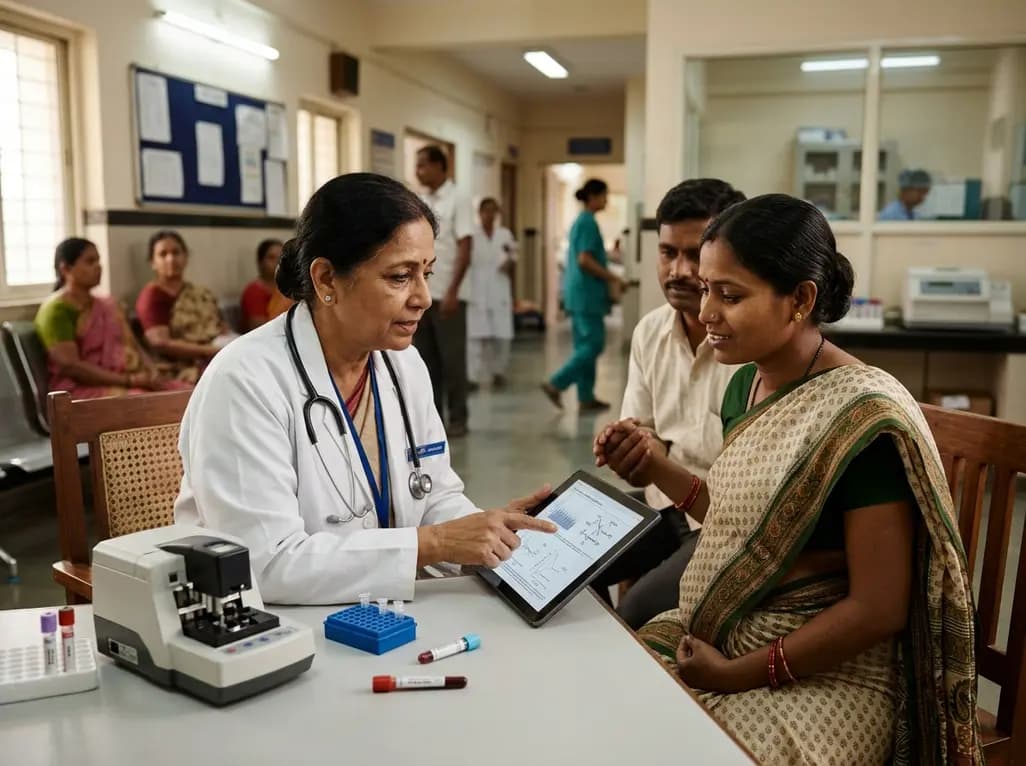
Although conducted in Sichuan Province, these valuable research findings carry immediate clinical relevance for physicians practicing across diverse healthcare landscapes, including India. In Indian clinical practice, general practitioners and family physicians frequently encounter older patients who present with advanced opportunistic infections due to diagnostic delay. Societal conservatism and fear of judgment prevent aging individuals from discussing their sexual symptoms during standard medical consultations. Furthermore, primary care clinicians rarely perform routine screening for sexually transmitted infections in senior patients unless severe symptoms emerge. Doctors must proactively normalize sexual health discussions during routine geriatric evaluations, hypertension check-ups, and diabetic clinics. When physicians initiate non-judgmental dialogues, patients feel empowered to disclose behavioral risks and seek testing without shame. In addition, clinicians must actively educate patients regarding the concept of undetectable equals untransmittable. Explaining modern antiretroviral therapy effectively demystifies the disease and diminishes irrational fear of everyday social contact. Healthcare providers must also ensure strict confidentiality in clinic environments to protect patient dignity. By integrating empathetic counseling into routine outpatient visits, clinicians can dismantle systemic barriers and transform primary healthcare centers into safe spaces for comprehensive care.
Eliminating institutional prejudice requires coordinated action across both healthcare facilities and community environments. Health systems must implement culturally sensitive, community-based educational initiatives designed specifically for older rural populations. Traditional text-heavy pamphlets frequently fail because literacy levels remain low among older agricultural workers. Therefore, health authorities should utilize engaging audio-visual tools, community radio broadcasts, and peer-led educational dialogues in village centers. Involving trusted community leaders and village elders helps legitimize sexual health discussions and reduces generational shame. Moreover, primary care teams must receive comprehensive training in non-stigmatizing communication and geriatric sexual health. When healthcare workers model supportive behaviors, community attitudes shift progressively toward empathy and acceptance. In countries like India, leveraging existing community networks such as accredited social health activists can dramatically expand rural outreach. These frontline workers can distribute educational resources, dispel infectious contagion myths, and facilitate discreet point-of-care testing. Additionally, national health programs must align geriatric care policies with infectious disease prevention strategies. By combining aggressive public education with accessible clinical services, health systems can eradicate harmful biases and ensure healthy aging for all senior citizens.
Older rural men often face compounding vulnerabilities due to low educational attainment, limited access to accurate medical information, and entrenched cultural taboos. Because public health campaigns rarely target geriatric demographics, these individuals frequently hold misconceptions regarding disease transmission. Consequently, irrational fear of infection drives intense social prejudice. In addition, rural communities often lack confidential screening services, which magnifies fear of social ostracization and discourages individuals from discussing symptoms.
Low health literacy directly leads to delayed presentation, advanced disease staging, and increased transmission risk among older adults. When patients do not recognize transmission routes or early symptoms, they rarely request diagnostic screening during medical consultations. Furthermore, pervasive fear and shame prevent them from seeking timely medical intervention. Consequently, older individuals frequently present with severe opportunistic infections, which significantly complicates antiretroviral therapy and leads to worse overall morbidity and mortality.
Primary care doctors should routinely incorporate sexual health histories into annual geriatric assessments, normalizing conversations about transmission and protection. Additionally, clinicians must educate older patients that casual contact does not transmit the virus, effectively dispelling irrational fear. Promoting modern concepts like undetectable equals untransmittable helps reduce social bias. Finally, healthcare facilities must enforce strict patient confidentiality, ensuring senior patients feel safe seeking counseling, diagnostic testing, and preventive services without fear of exposure.
Disclaimer: This content is for informational and educational purposes only. It should not be used as a substitute for professional medical advice, diagnosis, or treatment. Always seek the advice of your physician or other qualified healthcare provider with any questions you may have regarding a medical condition. Refer to the latest local and national guidelines for clinical practice.
References

Read summarized clinical updates, watch expert medical content, and earn CME certifications right from your smartphone.
Open your smartphone camera to scan and install.





A recent cross-sectional study highlights alarming rates of HIV-related stigma and severe knowledge deficits among rural older men. Healthcare providers must recognize emerging geriatric risks, dismantle fear-driven misconceptions, and implement proactive sexual health screening in routine clinical consultations.
Today

A landmark study evaluated 16 botanical extracts using human iPSC-derived cardiomyocytes and microelectrode array technology. The findings revealed potent electrophysiological hazards for herbs like oleander, aconite, and goldenseal, offering essential safety insights for clinicians evaluating herbal supplements.
Today
Researchers have engineered a sensitive electrochemiluminescent sandwich immunosensor utilizing silver nanoparticles and quantum dots to quantify placental growth factor, paving the way for rapid, accurate, and accessible early preeclampsia screening in clinical practice.
Today

This report reviews the successful off-pump surgical retrieval of a migrated patent ductus arteriosus closure device in an 8-week-old preterm infant, preventing cardiopulmonary bypass morbidity while relieving aortic obstruction.
Today
A new visual nomogram predicts postinfectious bone loss in spinal infection patients with high accuracy (AUC 0.946). Integrating markers like osteoporosis and MDR infection, the model aids early risk stratification to prevent spinal instability and deformity.
Today

As lifestyle diseases surge across India, clinicians face rising challenges from dietary misinformation and unmonitored therapies. Prioritising structured nutrition therapy, evidence-based self-care, and robust regulatory oversight offers a sustainable pathway to counter metabolic dysfunction and enhance patient health.
Today
