.webp&w=384&q=75)

Loading, please wait...
Loading, please wait...
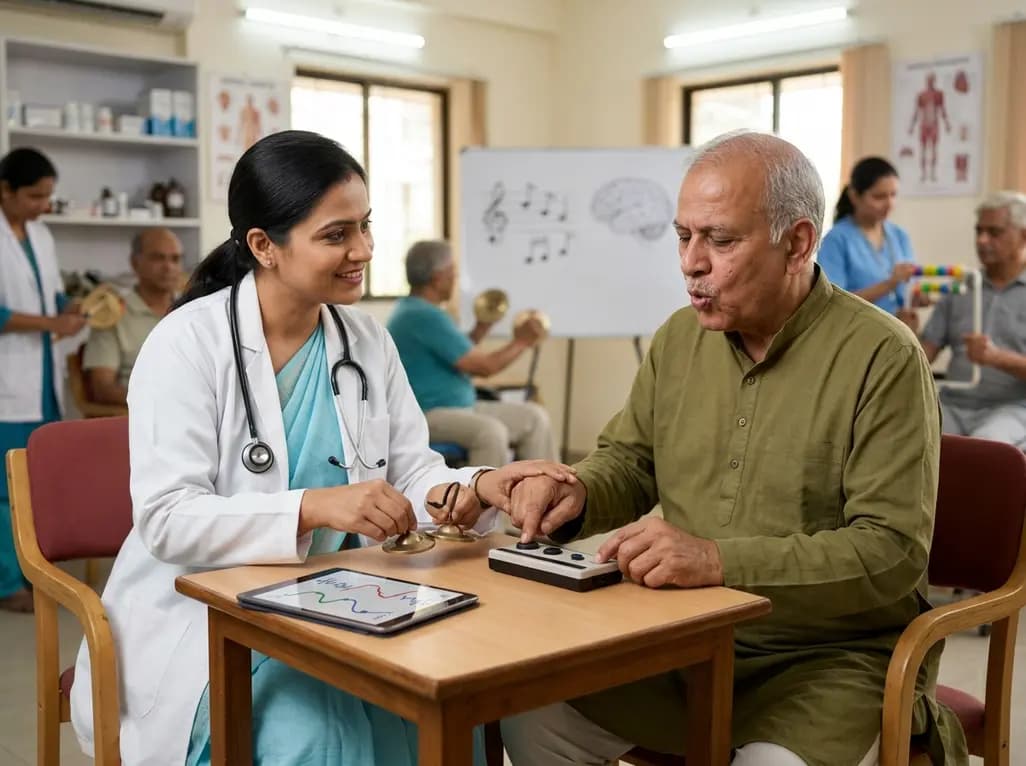
Post-stroke aphasia represents one of the most debilitating neurological complications following an ischemic or hemorrhagic cerebrovascular accident. Patients suffering from non-fluent aphasia typically retain auditory comprehension and cognitive awareness, yet they experience profound expressive communication deficits. Clinicians historically utilize speech-language therapy, but cultural and linguistic barriers frequently limit rehabilitation success in non-English speaking populations. Consequently, researchers from IIT Delhi, AIIMS New Delhi, and IHBAS developed Hindi Melodic Intonation Therapy to bridge this critical therapeutic gap. This innovative music-based intervention leverages preserved melodic processing pathways within the right hemisphere to rebuild expressive language capabilities in Hindi-speaking patients.
Traditional Melodic Intonation Therapy relies heavily on Western linguistic stress, rhythm, and intonation patterns. Therefore, simple translation of English protocols into Indian languages often fails because natural speech cadence differs dramatically. By specifically adapting pitch contours, phrase durations, and rhythmic cadences to match natural spoken Hindi, clinicians can effectively stimulate neural plasticity. Moreover, this culturally adapted framework engages undamaged musical networks to bypass injured left-hemisphere language centers. Early feasibility studies indicate that structured intonation exercises enable patients to reconnect auditory-motor loops essential for vocalization, thereby opening new horizons for clinical neurorehabilitation across South Asia.
The neurological rationale behind music-assisted speech rehabilitation rests on cross-hemispheric compensation and functional neuroplasticity. Severe post-stroke non-fluent aphasia primarily involves damage to Broca's area and adjacent frontotemporal networks within the left dominant hemisphere. However, structural and functional neuroimaging demonstrates that singing and rhythmic intonation preferentially recruit homologous right-hemisphere regions, including the right superior temporal gyrus and premotor cortex. Additionally, tapping rhythmically with the left hand during intonation exercises activates right sensorimotor pathways, further enhancing auditory-motor integration.
Furthermore, the therapeutic adaptation modifies everyday Hindi communicative phrases into short pitch-contour sequences consisting of two to three distinct tones. As patients internalize these rhythmic and melodic patterns, speech therapists gradually fade the musical support to transition melodic vocalizations into normal propositional speech. Clinical studies indicate that repetitive engagement with language-specific musical cadences strengthens white matter connections, such as the right arcuate fasciculus. As a result, patients regain functional communication skills faster than with standard non-melodic articulation drills alone. Furthermore, because music engages limbic emotional networks, patients often exhibit increased motivation, reduced rehabilitation anxiety, and higher therapy adherence throughout prolonged recovery cycles.
The groundbreaking pilot study published in the international journal Aphasiology evaluated the clinical efficacy and feasibility of the Hindi adaptation among six post-stroke aphasia survivors. Each participant underwent an intensive rehabilitation protocol consisting of 40 individual therapy sessions lasting between 45 and 60 minutes each. Trained speech-language pathologists delivered the structured sessions, focusing on progressive vocal exercises that mirrored routine daily communication needs. Notably, all six patients successfully completed the full therapeutic course without any reported adverse events or intervention burnout, highlighting the safety and acceptability of this specialized approach.
Remarkably, every participant demonstrated measurable speech recovery that crossed established clinical thresholds for meaningful improvement. Objective post-intervention assessments revealed marked enhancements in sentence formation, verbal fluency, and narrative coherence. Patients transitioned from producing isolated syllables to articulating complete, grammatically coherent sentences in conversational Hindi. Additionally, standardized patient-reported outcome measures reflected substantial improvements in self-reported quality of life, psychological well-being, and social participation. Although these pilot results represent a strong preliminary signal, the study investigators emphasize that further prospective randomized controlled trials involving larger multi-center patient cohorts are essential to confirm long-term clinical efficacy and establish standardized administration guidelines.
Creating an effective linguistic adaptation required extensive interdisciplinary collaboration between bioengineers, clinical neurologists, speech therapists, and otorhinolaryngologists. Faculty members from the National Resource Centre for Value Education in Engineering at IIT Delhi joined medical experts from AIIMS New Delhi and IHBAS to design the clinical protocol. Rather than executing a literal translation of English materials, the research team systematically analyzed the phonetic structure, syllabic stress, and conversational cadence unique to native Hindi speakers. Subsequently, they crafted custom exercises that correspond directly with expressions encountered in domestic and community interactions.
Moreover, this systematic customization addresses a long-standing challenge in Indian neurorehabilitation. Historically, clinicians relied on English-based assessment tools and therapeutic materials, which failed to reflect native linguistic cadence and cultural contexts. By aligning melodic pitch variations with natural Hindi phonetics, the research team ensured that patients practice phonemes and pitch shifts that feel intuitive and practical. In addition, the investigators are currently investigating digital tools and mobile health platforms to scale therapy delivery. Consequently, stroke survivors residing in remote or medically underserved regions may soon access high-quality, standardized speech therapy beyond major metropolitan tertiary referral centers.
Integrating language-specific music therapy into comprehensive stroke rehabilitation workflows offers promising opportunities for multidisciplinary care teams. Neurologists, physiatrists, and speech-language therapists should identify eligible candidates during the subacute post-stroke phase when neuroplasticity remains highly responsive. Ideal candidates typically include stroke survivors presenting with marked non-fluent Broca-type aphasia who preserve auditory comprehension and can vocalize continuous melodic contours. Furthermore, early baseline assessments using validated Indian aphasia tools help clinicians establish personalized therapeutic targets and monitor incremental improvements in verbal output.
Additionally, medical institutions should foster collaborative networks between tertiary referral hospitals and community rehabilitation clinics to ensure seamless continuity of care. Incorporating family members into caregiver-guided home practice sessions can further consolidate functional gains achieved during formal clinical visits. As research expands to include other Indian regional languages, culturally adapted music therapies may fundamentally transform speech-language pathology across diverse patient populations. Physicians and rehabilitation specialists are encouraged to keep abreast of emerging digital tools and expanding clinical trial data, ensuring that evidence-based, localized neurorehabilitation strategies are promptly translated into everyday clinical practice.
Q1: What makes Hindi Melodic Intonation Therapy different from traditional speech therapy?
Hindi Melodic Intonation Therapy utilizes pitch, rhythm, and melody adapted specifically to the stress patterns and natural cadence of spoken Hindi. Traditional speech therapy often focuses on repetitive articulation drills or English-based materials. By leveraging intact right-hemisphere musical processing, this therapy helps non-fluent aphasia patients bypass damaged left-hemisphere speech centers to produce functional words and phrases efficiently.
Q2: Who is an ideal candidate for this post-stroke speech therapy approach?
The therapy is primarily designed for stroke survivors with non-fluent aphasia who retain good auditory comprehension but struggle significantly with expressive speech. Ideal candidates are individuals who can understand spoken instructions and repeat simple singing tones, enabling clinicians to use melodic structure to rebuild spontaneous spoken sentences during structured rehabilitation sessions.
Q3: How many therapy sessions are required to see clinical improvements?
In the published feasibility study, patients completed 40 structured therapy sessions lasting 45 to 60 minutes each. Clinical improvements in speech fluency, sentence formation, and quality of life were observed upon completing this protocol. However, individual treatment duration may vary depending on stroke severity, baseline communication impairment, and patient consistency during rehabilitation.
Disclaimer: This content is for informational and educational purposes only. It does not constitute medical advice or replace professional judgment. Refer to the latest local and national guidelines for clinical practice.
References

Read summarized clinical updates, watch expert medical content, and earn CME certifications right from your smartphone.
Open your smartphone camera to scan and install.





Indian researchers have developed a localized adaptation of Melodic Intonation Therapy for Hindi-speaking stroke survivors with post-stroke aphasia. The pilot study demonstrates significant clinical improvements in expressive speech, sentence structure, and patient quality of life without adverse effects.
Today
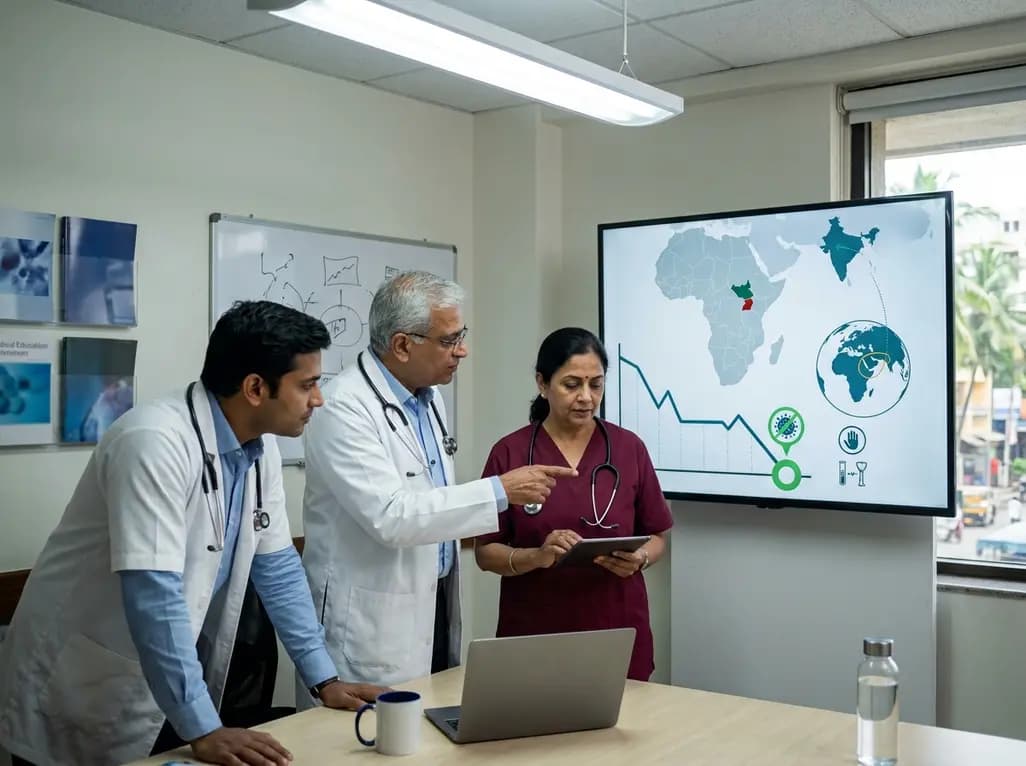
Uganda has officially declared the conclusion of its latest Ebola virus disease outbreak following a mandatory 42-day monitoring period without new confirmed cases. This comprehensive review examines the containment strategies, clinical manifestations, diagnostic protocols, and key epidemiological takeaways.
Today
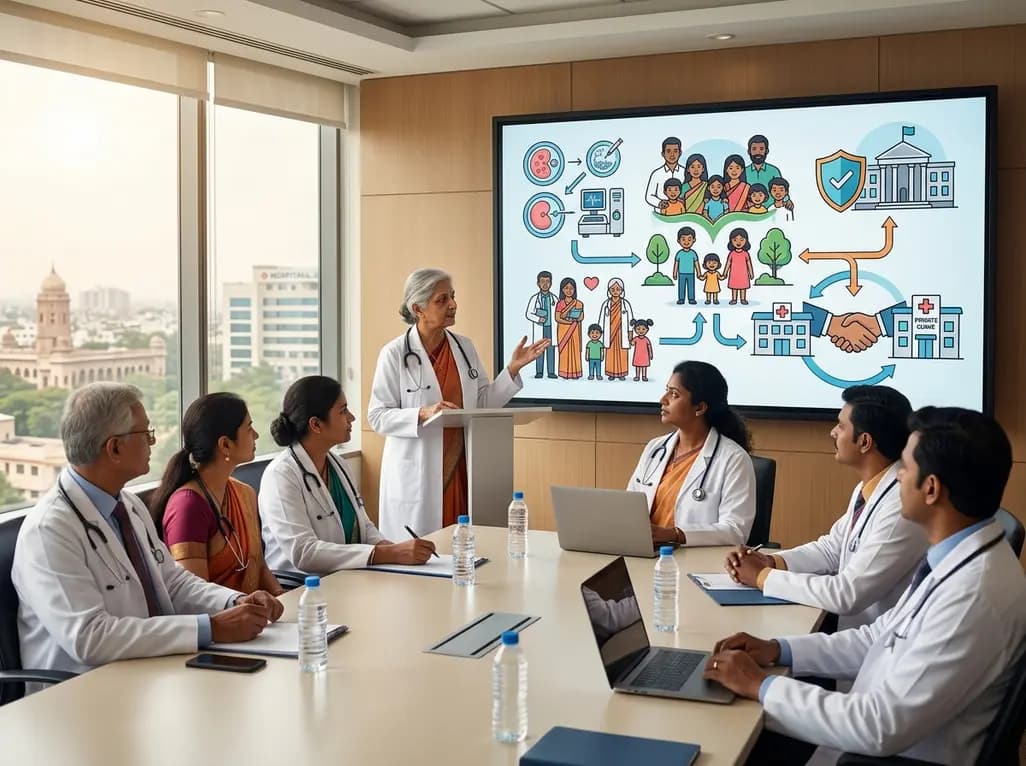
A new white paper launched on World IVF Day advocates for insurance reforms, Ayushman Bharat coverage, workplace fertility benefits, and public-private partnerships to improve fertility care access across India. Experts emphasize addressing declining fertility rates and high out-of-pocket costs for patients.
Today
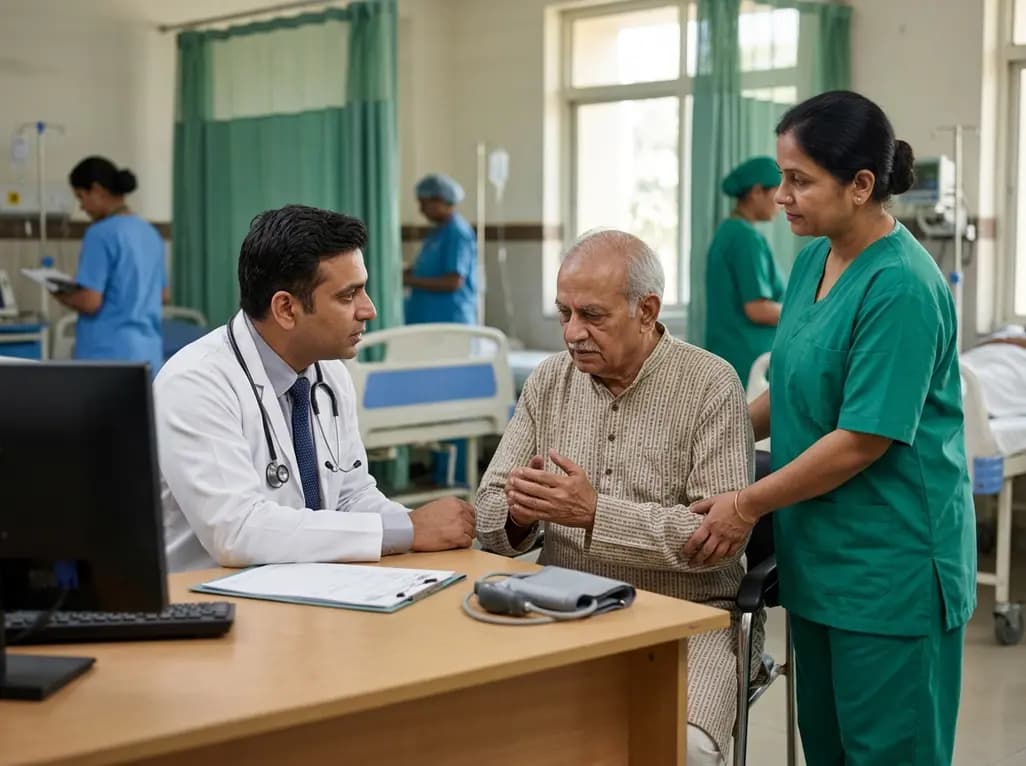
A cross-sectional study evaluates post-intensive care syndrome in cardiac patients 2-4 weeks post-ICU discharge, highlighting cognitive, psychological, and functional impairments and the need for structured multidisciplinary rehabilitation.
5 days back
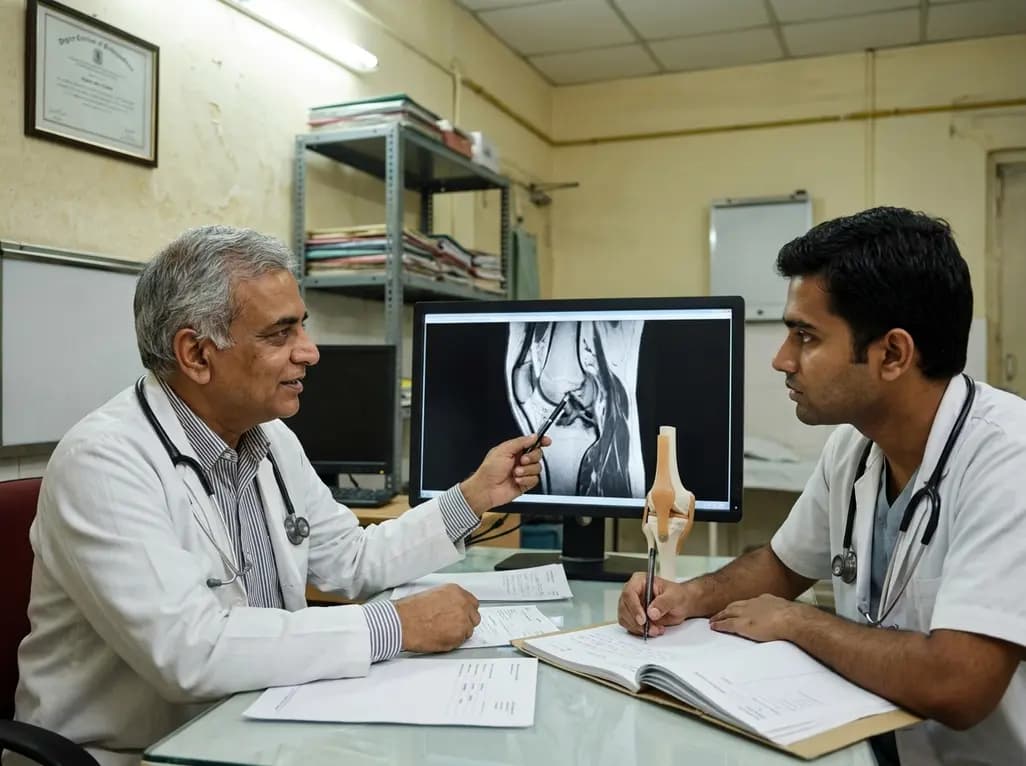
Anterior cruciate ligament reconstruction failure lacks uniform definition. A narrative review proposes an integrative framework incorporating objective and subjective instability, persistent pain, restricted motion, graft rupture, and secondary meniscal injury to standardize clinical reporting.
5 days back

The Delhi High Court has issued a notice to the Centre and FSSAI regarding a plea for an India-specific scientific evaluation of non-sugar sweeteners. The petition highlights concerns over metabolic risks, front-of-pack labeling, and misleading health claims on artificial substitutes.
Today
