.webp&w=384&q=75)

Loading, please wait...
Loading, please wait...

Chronic kidney disease severely disrupts normal endocrine homeostasis, creating profound metabolic dysregulation. Specifically, growth hormone-releasing hormone acts as the critical upstream regulator of the growth hormone and insulin-like growth factor-1 axis. While clinicians frequently observe peripheral growth hormone resistance in advanced uremia, the status of hypothalamic signals remained largely unexplored. Preclinical investigations demonstrate that renal parenchyma abundantly expresses functional receptors for growth hormone-releasing hormone. Furthermore, specialized peptide agonists targeting these renal receptors confer potent renoprotective, anti-fibrotic, and vasoprotective effects. Importantly, these beneficial physiological actions occur independently of systemic growth hormone secretion. In healthy individuals, the renal glomeruli and tubules participate actively in the clearance and metabolic processing of circulating peptide hormones. Consequently, chronic loss of functioning nephrons fundamentally perturbs this delicate equilibrium. Endocrine signaling cascades become blunted, contributing to systemic protein-energy wasting, persistent subclinical inflammation, and accelerated vascular aging. Therefore, evaluating upstream hypothalamic neuropeptides provides valuable biological insights into chronic renal injury. Understanding these pathways enables clinicians to conceptualize kidney disease not merely as excretory failure, but rather as an intricate multi-organ neuroendocrine disorder requiring comprehensive therapeutic attention.
Successful renal allograft transplantation dramatically alters host physiology, restoring critical excretory and endocrine functions. Consequently, researchers designed a prospective longitudinal investigation involving sixty adult kidney failure patients. They evaluated participants prior to transplantation and reassessed them at two years of post-transplant follow-up. Using competitive enzyme-linked immunosorbent assays, the team measured circulating growth hormone-releasing hormone immunoreactivity alongside diverse metabolic markers. Notably, circulating hormone levels increased by twenty percent following allograft engraftment, rising significantly from baseline values. This marked elevation demonstrates that restoring functional nephron mass fundamentally reshapes hypothalamic-pituitary signaling dynamics. In addition, the sustained increase indicates that prolonged uremic state does not cause irreversible suppression of upstream regulatory peptides. Moreover, improved systemic clearance and normalized metabolic environments facilitate neuroendocrine recovery over time. Clinicians must appreciate that kidney transplantation achieves far more than urea clearance; it re-establishes physiological communication across distant organ systems. However, graft recipients continue to display significant individual variation in their post-transplant hormonal trajectories. Therefore, identifying specific drivers of this endocrine heterogeneity remains essential for improving long-term patient outcomes. These clinical findings highlight the remarkable resilience of the human somatotropic axis once functional renal parenchymal tissue returns.
The intestinal microbiome plays a pivotal role in the pathophysiology of chronic uremia. Colonic microbial fermentation produces bioactive metabolites, including p-cresyl sulfate, phenyl sulfate, and trimethylamine-N-oxide. Because these gut-derived uremic toxins rely on tubular secretion for elimination, they accumulate dramatically in kidney failure. Following kidney transplantation, circulating levels of these toxins decline, yet their relationship with peptide hormones remains intricate. Interestingly, the clinical study identified divergent associations between growth hormone-releasing hormone immunoreactivity and distinct gut-derived toxins. Specifically, statistical analyses demonstrated robust, distinct correlation patterns after rigorous correction for multiple testing. Furthermore, these divergent associations suggest that individual gut metabolites exert distinct influences on neuroendocrine regulatory mechanisms. Trimethylamine-N-oxide, for instance, promotes endothelial activation, whereas protein-bound phenols impair cellular metabolic efficiency. In contrast, higher levels of growth hormone-releasing hormone may reflect tissue repair mechanisms combating toxin-mediated cellular stress. In addition, these findings underscore the complex biological crosstalk linking the gut microbiota, allograft function, and central endocrine axes. Consequently, nephrologists must recognize that intestinal dysbiosis continues to affect metabolic recovery even after successful surgical transplantation. Future studies should determine whether modulating gut microbiota can optimize somatotropic recovery.
Transplant recipients face substantial cardiovascular morbidity and mortality, despite experiencing significant improvements in kidney function. Therefore, understanding novel cardioprotective pathways holds profound clinical significance. Experimental studies demonstrate that growth hormone-releasing hormone agonists directly preserve myocardial architecture and enhance cardiac performance. Specifically, these receptor agonists attenuate cardiomyocyte apoptosis, suppress fibrotic remodeling, and stimulate microvascular endothelial regeneration. In human transplant recipients, the observed rise in circulating hormone levels may provide endogenous cardioprotection against chronic ischemic injury. Moreover, the study comprehensively assessed circulating inflammatory mediators, lipid profiles, and vascular biomarkers in relation to hormone concentrations. Consequently, researchers noted that hormonal dynamics correlated favorably with favorable metabolic adaptations in stable graft recipients. However, persistent low-grade systemic inflammation and cumulative immunosuppressive medication exposure can counteract these endogenous protective cascades. Furthermore, traditional cardiovascular risk factors, such as arterial hypertension and post-transplant diabetes mellitus, frequently complicate post-transplant management. Clinicians should therefore integrate neuroendocrine monitoring into comprehensive cardiovascular risk stratification models. Ultimately, evaluating the interplay between endocrine recovery and vascular health will guide personalized therapeutic interventions. Targeting these pathways could potentially alleviate the burdensome cardiovascular risk that transplant recipients commonly experience.
Integrating endocrine assessments into routine transplant nephrology represents a promising frontier for precision medicine. Currently, physicians rely predominantly on serum creatinine, proteinuria, and therapeutic drug monitoring to evaluate graft health. However, these conventional metrics fail to capture subtle biological changes occurring across complex neuroendocrine axes. Because growth hormone-releasing hormone receptors reside within renal tubular and glomerular structures, localized signaling directly influences tissue repair. Therefore, the twenty percent elevation observed post-transplantation reflects active tissue restoration and systemic functional adaptation. In Indian clinical settings, where metabolic syndrome and diabetic nephropathy represent leading causes of kidney failure, these findings carry exceptional relevance. In addition, dietary variations and unique gut microbiome profiles among Indian patients significantly influence gut-derived uremic toxin generation. Consequently, combining microbial metabolite tracking with endocrine profiling could provide deeper mechanistic insights into patient recovery. Clinicians should also explore whether lifestyle modifications, prebiotic fiber supplementation, and balanced nutrition enhance somatotropic restoration. Furthermore, ongoing research into selective peptide receptor agonists may yield innovative pharmacotherapies for preventing chronic allograft dysfunction. Embracing this holistic pathophysiological perspective will ultimately empower clinicians to optimize long-term graft survival and patient vitality.
Following kidney transplantation, restored renal parenchymal mass normalizes metabolic clearance and re-establishes neuroendocrine signaling pathways. The twenty percent increase in circulating hormone concentrations indicates that chronic uremia does not permanently suppress hypothalamic peptide release. Furthermore, reducing systemic inflammation and eliminating inhibitory uremic metabolites allows the somatotropic axis to recover. Consequently, this hormonal rise reflects active systemic restoration and enhanced physiological communication between the transplanted allograft and the central nervous system.
Gut-derived uremic toxins, including p-cresyl sulfate and trimethylamine-N-oxide, accumulate substantially when renal clearance declines. These toxic microbial metabolites promote widespread vascular inflammation, induce oxidative stress, and disrupt peripheral receptor sensitivity across multiple endocrine organs. Consequently, they impair hormonal feedback loops and exacerbate growth hormone resistance. Monitoring these metabolites alongside peptide hormones helps clinicians evaluate how persistent intestinal dysbiosis influences systemic metabolic recovery and long-term graft function in transplant recipients.
Nephrologists can leverage neuroendocrine insights to expand monitoring beyond standard renal function tests like serum creatinine. Recognizing that growth hormone-releasing hormone interacts with microbial metabolites encourages physicians to adopt holistic management strategies. Specifically, addressing gut dysbiosis through targeted nutritional modifications, fiber intake, and microbiome interventions may reduce toxic metabolic burdens. Furthermore, future therapies utilizing renal receptor agonists could directly promote tissue repair, vascular protection, and graft longevity in kidney allograft recipients.
Disclaimer: This content is for informational and educational purposes only... Refer to the latest local and national guidelines for clinical practice.
References

Read summarized clinical updates, watch expert medical content, and earn CME certifications right from your smartphone.
Open your smartphone camera to scan and install.





A landmark study evaluates circulating growth hormone-releasing hormone (GHRH) levels before and after kidney transplantation, uncovering a 20% increase and divergent interactions with gut-derived uremic toxins like p-cresyl sulfate and TMAO, revealing novel neuroendocrine-metabolic axes in renal recovery.
last month
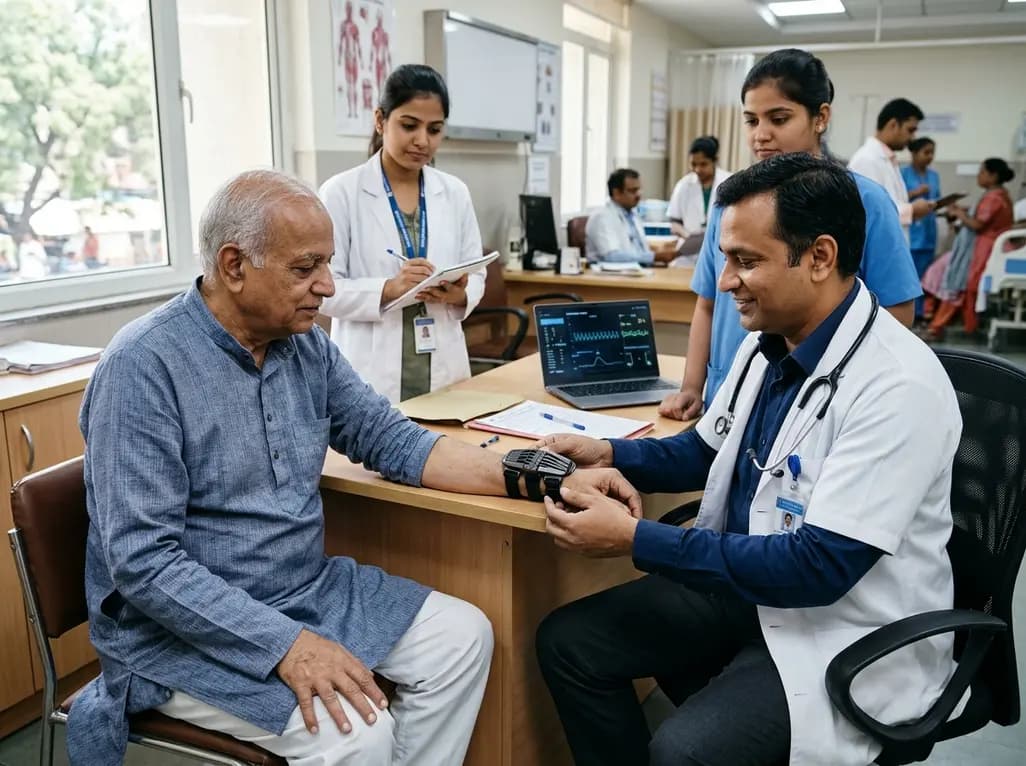
The TREM-AB open-label pilot study evaluated a wearable passive nonlinear vibration absorber for essential tremor. The Nonlinear Energy Sink bracelet reduced clinical Fahn-Tolosa-Marin tremor scores by 32.1% and electrophysiological tremor power by 49.2% with no adverse effects reported.
Today

A study in JAMIA Open shows lightweight open-source reasoning LLMs achieve up to 95% sensitivity and accelerate evidence synthesis screening by nearly twentyfold, presenting a cost-effective, scalable AI solution for biomedical research and systematic reviews.
Today
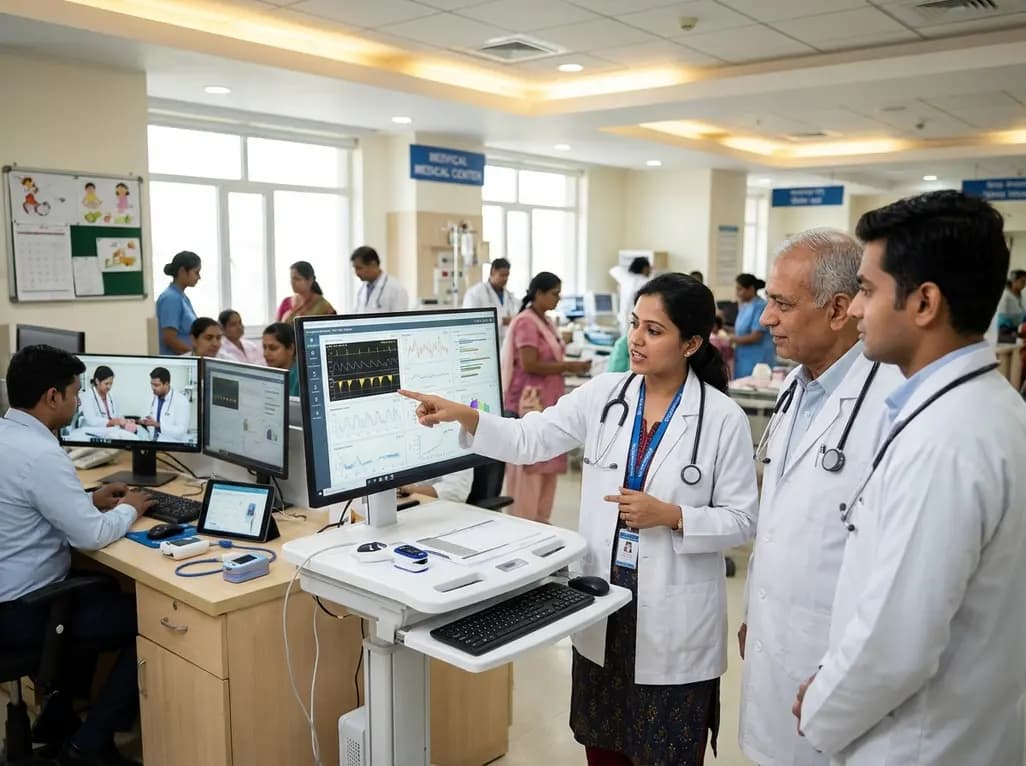
A landmark study details how an enterprise pediatric remote patient management model expanded from a single cardiology pilot to 16 diverse specialty programs by combining centralized digital operations with specialty clinical leadership.
Today
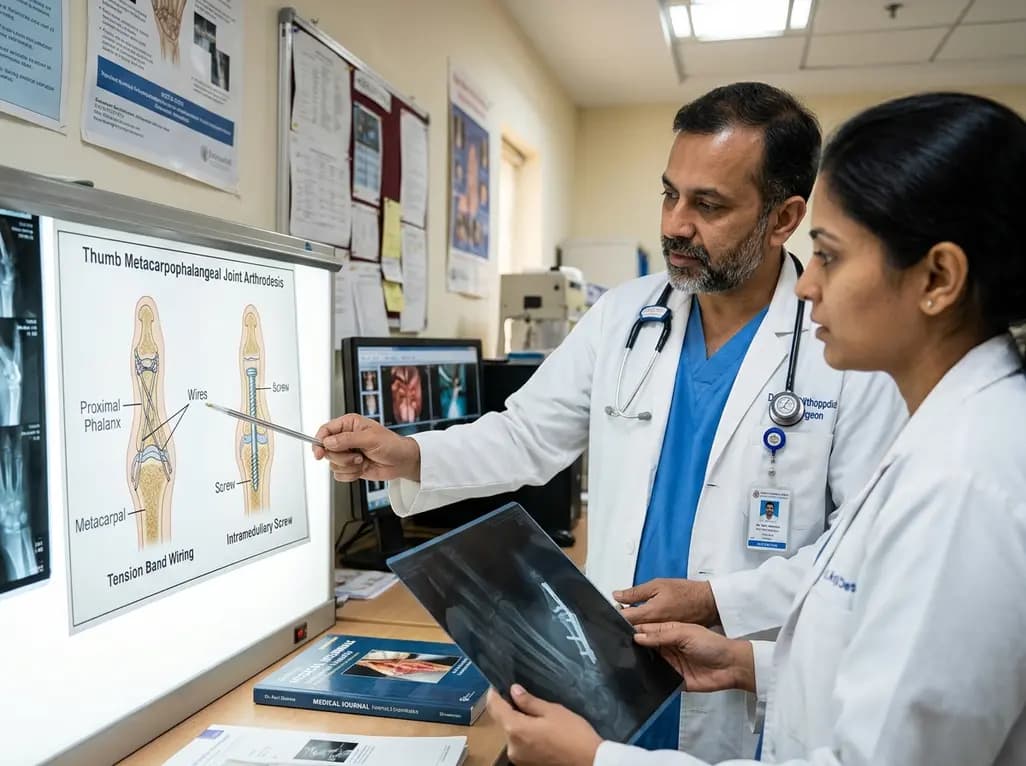
A comparative review of tension band wiring and intramedullary screw fixation in thumb metacarpophalangeal arthrodesis, evaluating union rates, hardware complications, and clinical outcomes.
Today
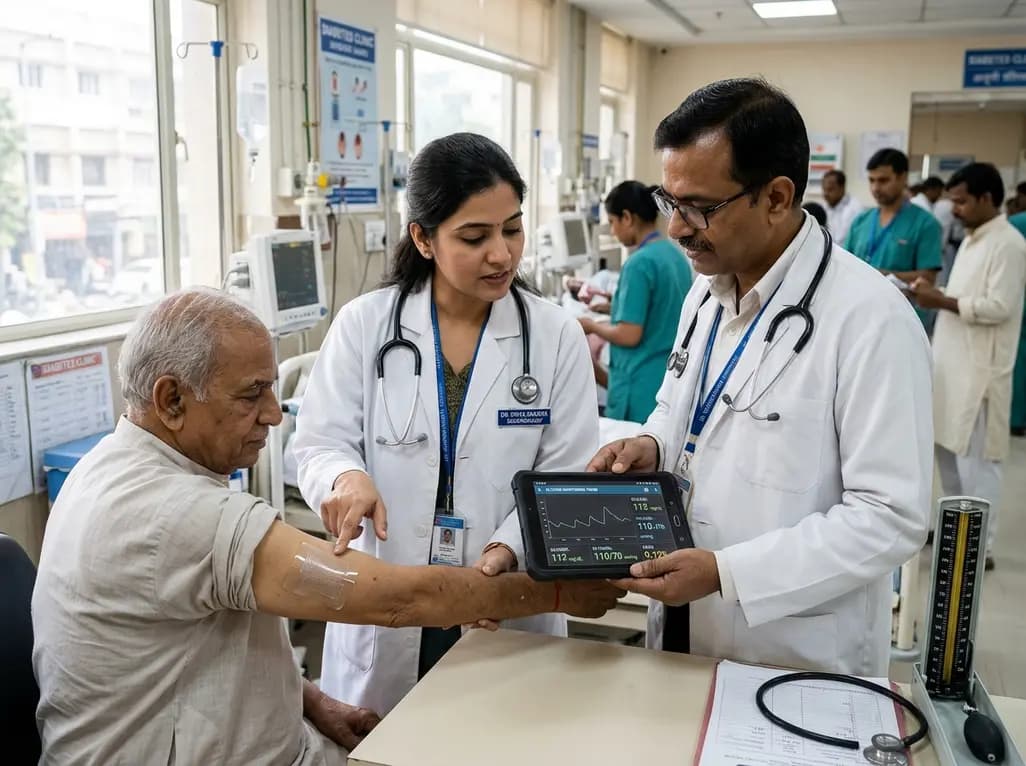
A breakthrough ultrathin multimodal sensor decouples physical hemodynamic monitoring from disposable electrochemical calibration, achieving long-term wearable glucose prediction with 81.36% accuracy and a 9.12% MARD. This offers a robust, drift-free solution for outpatient metabolic surveillance.
Today
