

Loading, please wait...
Loading, please wait...
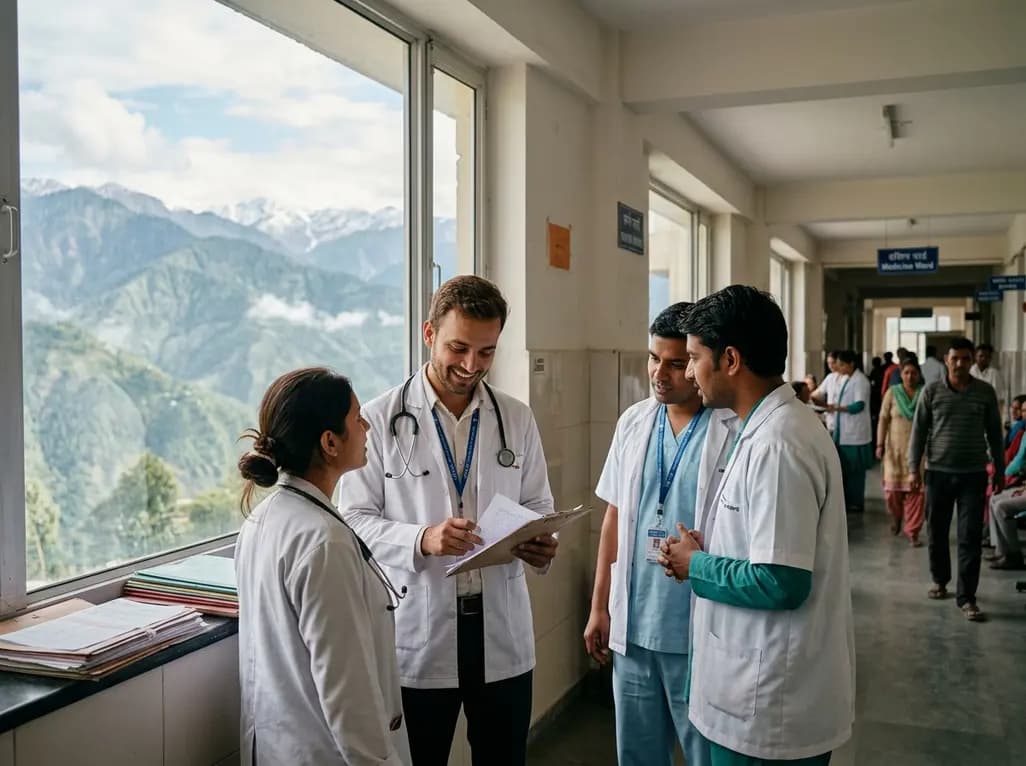
The Government of Himachal Pradesh has announced a major initiative to address chronic healthcare staffing deficits across the state. Chief Minister Sukhvinder Singh Sukhu declared that the administration aims to raise Himachal doctor strength to between 80 and 85 percent of the total sanctioned requirement by next year. Four years ago, physician availability in state-run medical colleges languished at a mere 35 percent. However, targeted state interventions have propelled that figure past 70 percent. Consequently, this workforce expansion directly addresses geographical disparities, strengthens clinical services, and enhances resident doctor training in northern India.
Himachal Pradesh encounters distinctive geographic barriers that complicate equitable medical service delivery. Mountainous terrain, severe seasonal weather, and dispersed populations historically hindered rural medical staffing. In response, the state government formulated aggressive recruitment drives to staff secondary and tertiary facilities. Consequently, the operational cadre in medical colleges surged from 35 percent to more than 70 percent within four years. The administration now intends to close the remaining gap rapidly. Furthermore, administrators are streamlining recruitment pipelines to fill existing vacancies in peripheral clinical centers.
Moreover, authorities recognize that adequate physician density directly reduces the clinical burden on overextended rural practitioners. In the past, severe understaffing forced primary care doctors to manage unmanageable patient volumes without specialist backup. Therefore, expanding the physician workforce stabilizes tertiary referral hospitals and regional clinics alike. In addition, the health department is collaborating with academic medical centers to maintain consistent faculty rosters across all clinical departments. Ultimately, achieving an 85 percent staffing threshold will build resilient healthcare systems capable of serving vulnerable communities across remote valleys.
Postgraduate medical training serves as the primary engine for building a self-sustaining specialist workforce. Chief Minister Sukhu highlighted an unprecedented expansion in postgraduate medical seats across six state government medical colleges. Overall, postgraduate positions escalated from 277 to 597, generating 320 new specialty training spots. This initiative represents the largest singular expansion of residency positions in Himachal Pradesh over the past four decades. Furthermore, Indira Gandhi Medical College in Shimla added 91 postgraduate seats, raising its total intake to 230 candidates.
Similarly, Dr. Rajendra Prasad Government Medical College in Tanda increased its capacity from 99 to 156 specialty seats. Newer district medical colleges in Mandi, Nahan, Chamba, and Hamirpur also secured notable seat increases from the National Medical Commission. Consequently, MBBS graduates from the region gain unprecedented access to advanced clinical education without leaving their home state. Therefore, this retention strategy keeps promising young clinicians within local healthcare networks. In addition, resident physicians deliver crucial frontline inpatient and intensive care during their multi-year postgraduate residency. Ultimately, expanding training capacity directly improves hospital bed coverage and lowers patient morbidity statewide.
Timely diagnosis forms the cornerstone of effective tertiary medical management. However, public facilities historically struggled with prolonged diagnostic backlogs, forcing patients to seek expensive private alternatives. The Himachal Pradesh government is systematically modernizing imaging suites across all teaching hospitals to address this challenge. Specifically, authorities have installed advanced computerized tomography systems, digital radiography units, and magnetic resonance imaging scanners at regional centers.
Furthermore, the administration established an ambitious goal to reduce diagnostic waiting periods down to zero. Chief Minister Sukhu noted that patients in metropolitan hubs often endure multi-month delays for routine MRI evaluations. In contrast, upgraded district installations now provide rapid diagnostic throughput for complex neurovascular and musculoskeletal disorders. Additionally, the state deployed approximately ten licensed radiographers to each medical institution to prevent staffing bottlenecks. Consequently, diagnostic units can operate continuous daily shifts without exhausting technical personnel. Moreover, integrating state-of-the-art diagnostic platforms prevents diagnostic drift and supports clinical decisions in urgent trauma cases. Thus, modern technology transforms remote hospitals into comprehensive diagnostic powerhouses.
Sustaining clinical faculty requires supportive promotional pathways and competitive senior residency frameworks. The state government recognized that senior residents represent the essential backbone of tertiary academic medical centers. Therefore, authorities established 218 new posts for senior residents and tutor specialists across government medical colleges. Furthermore, the health department revised recruitment guidelines to eliminate redundant testing hurdles for accomplished applicants.
Specifically, candidates who qualify through competitive senior residency screening at premier institutes, such as AIIMS Delhi or PGIMER Chandigarh, bypass additional state entrance assessments. Consequently, this policy reform attracts highly qualified specialists directly into Himachal Pradesh medical institutions. In addition, retaining accomplished clinicians strengthens bedside clinical teaching for undergraduate medical trainees. Moreover, increasing the superannuation age of senior professors to 65 years preserves veteran clinical expertise during transition periods. As a result, teaching hospitals maintain accreditation standards without compromising specialized patient management. Ultimately, continuous institutional recruitment ensures that emerging clinical departments achieve mature, autonomous operational capabilities.
Geographic decentralization ensures that patients receive life-saving care close to their ancestral homes. In past decades, rural patients frequently traveled hundreds of kilometers to Chandigarh or New Delhi for standard tertiary consultations. Therefore, out-of-pocket transportation and accommodation costs imposed severe financial strain on mountain households. To mitigate this socioeconomic burden, the state government prioritizes the decentralization of clinical specialties across peripheral districts.
Additionally, the state cabinet constituted an administrative commission to review local governance and optimize public health logistics. This administrative restructuring helps align hospital administration with the specific healthcare demands of remote valleys. Furthermore, expanding specialist clinics at district teaching hospitals enables prompt management of cardiovascular emergencies, complex obstetrical complications, and pediatric illnesses. Consequently, local communities experience fewer avoidable referral delays during hazardous winter weather. In addition, localized specialty care reduces congestion at central apex hospitals in Shimla and Tanda. Ultimately, comprehensive staffing, modernized infrastructure, and decentralized medical education establish a durable model for equitable healthcare delivery throughout the Western Himalayas.
Q1: What is the primary target for doctor strength in Himachal Pradesh?
The state government aims to increase Himachal doctor strength to between 80 and 85 percent of total requirements by next year. Availability previously languished at 35 percent four years ago. However, aggressive hiring drives have already elevated staffing past 70 percent across government institutions. Consequently, this workforce surge stabilizes rural hospitals, reduces physician burnout, and improves public access to primary and specialized medical consultations throughout mountainous terrains.
Q2: How many postgraduate medical seats were added across state medical colleges?
Postgraduate medical positions expanded significantly from 277 to 597 across six government medical colleges, adding 320 new training positions. This development marks the largest single-phase residency expansion in the state. Furthermore, it creates extensive opportunities for MBBS graduates to specialize locally. In addition, resident physicians provide essential patient care, supervise hospital wards, manage acute clinical emergencies, and elevate overall therapeutic standards during their rigorous three-year training curricula.
Q3: How is the state improving radiodiagnosis services in government hospitals?
The government is actively upgrading radiology departments by installing high-resolution CT scanners, advanced MRI machines, and digital radiography systems across medical colleges. Additionally, authorities recruited and posted ten radiographers to each teaching hospital. This initiative aims to eliminate diagnostic waiting times completely. Consequently, patients receive rapid diagnostic evaluations locally without undertaking expensive journeys to metropolitan tertiary centers in neighboring states.
Disclaimer: This content is for informational and educational purposes only. It does not constitute medical advice or replace professional judgment. Refer to the latest local and national guidelines for clinical practice.
References

Read summarized clinical updates, watch expert medical content, and earn CME certifications right from your smartphone.
Open your smartphone camera to scan and install.





Chief Minister Sukhvinder Singh Sukhu announced an ambitious plan to elevate physician staffing levels to 85% across Himachal Pradesh government hospitals. Alongside boosting postgraduate medical seats from 277 to 597, the state aims to eliminate diagnostic wait times and advance equitable mountain healthcare delivery.
Today

A breakthrough study demonstrates that fullerol-primed extracellular vesicles generated in a 3D SECCS bioreactor attenuate ferroptosis and restore myogenic regeneration in diabetes via the FOXO3 pathway, offering a cell-free therapeutic strategy for diabetic musculoskeletal degeneration.
Today
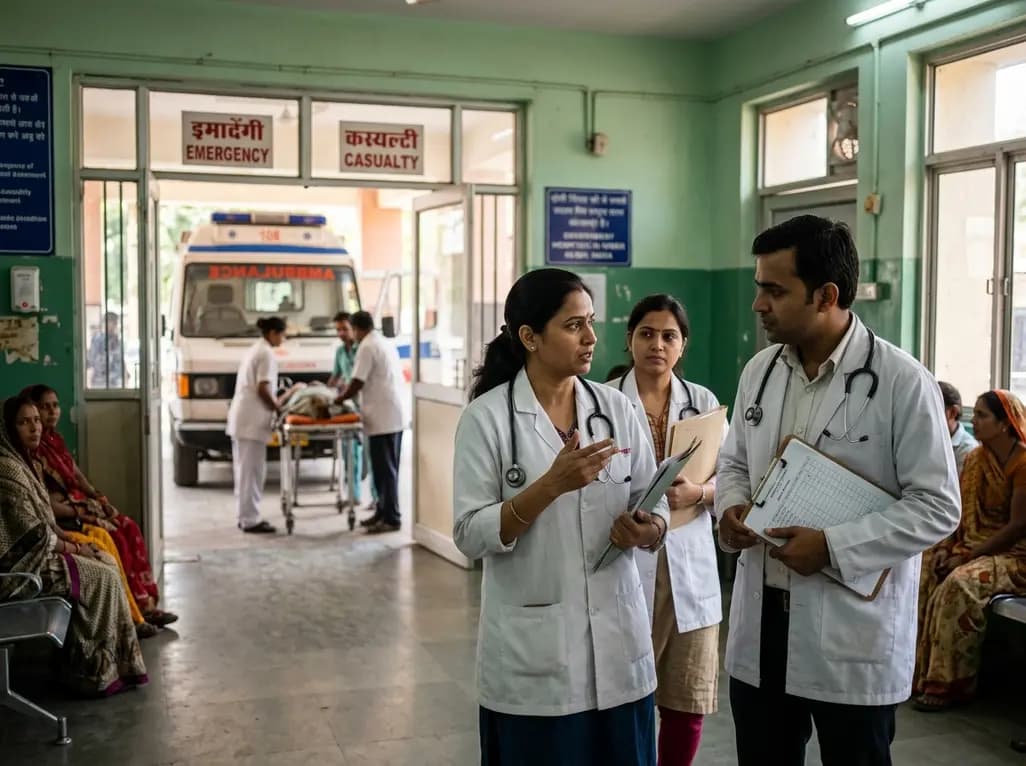
A recent maternal mortality case in Kota has drawn national scrutiny toward operational deficits in emergency transport networks. With low ambulance utilization among high-risk pregnant women, delayed inter-facility transfers, and preventable clinical complications, urgent systemic reforms are vital for patient safety.
Today
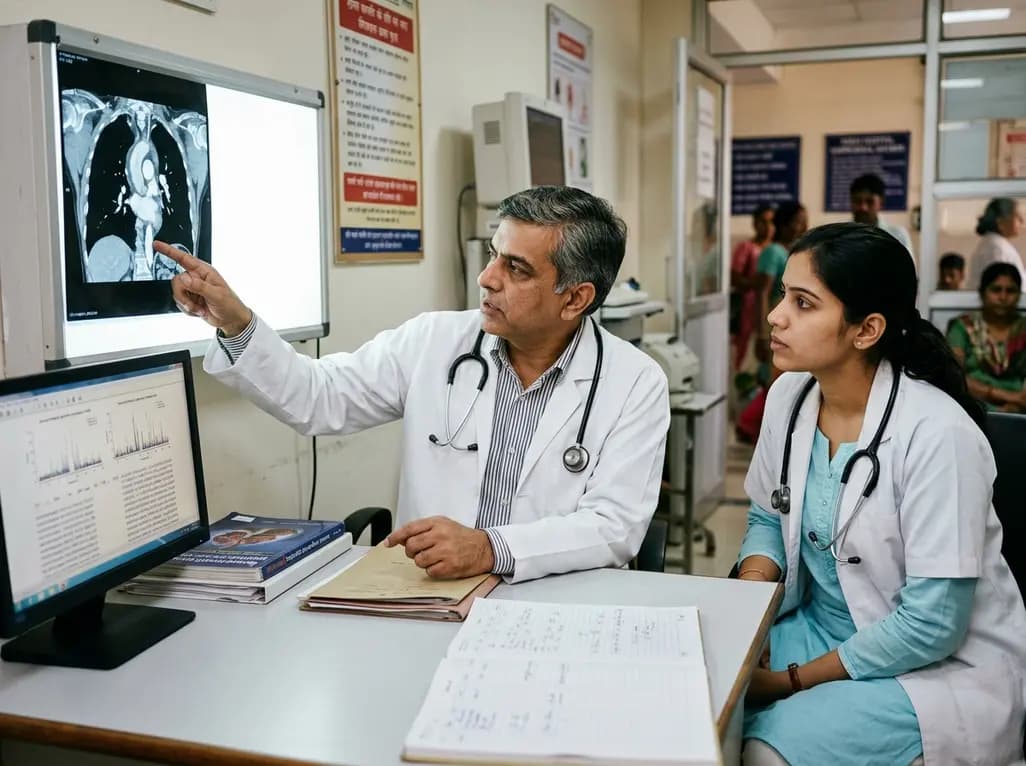
A study reveals that the MYLK c.4079G>A, p.(Gly1360Asp) variant is linked to high-penetrance heritable thoracic aortic disease and early-onset aortic dissection, showing a founder effect in Finnish cohorts. Findings emphasize early cascade screening and vigilant surveillance.
Yesterday
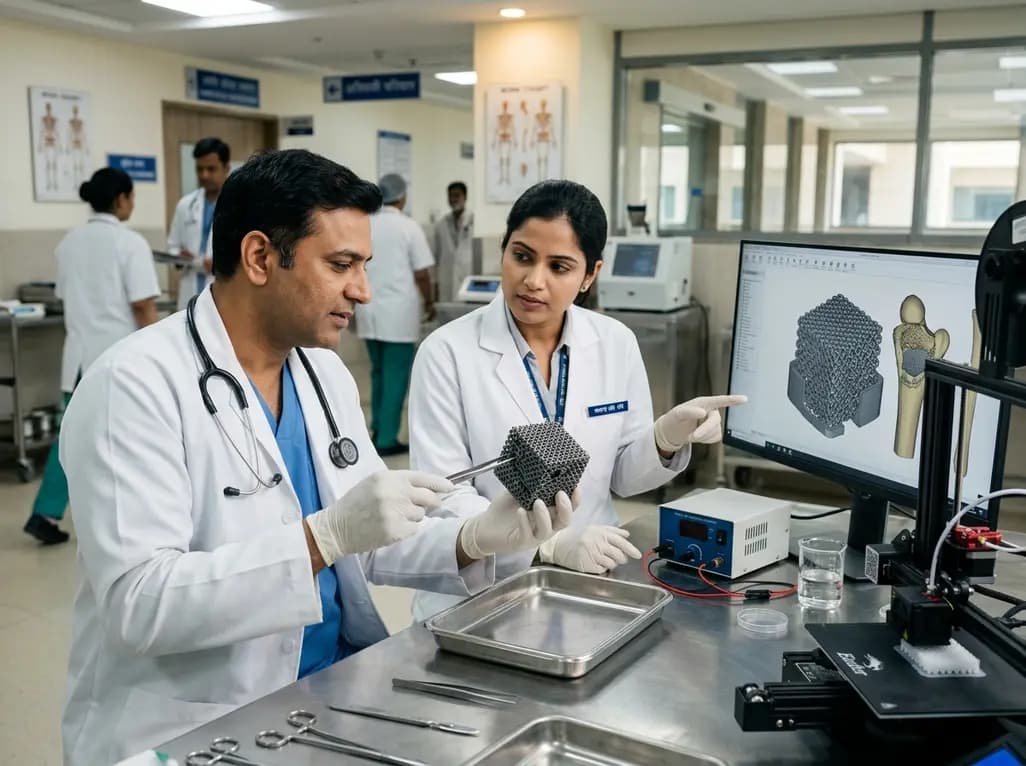
A novel sacrificial-template technique combines FDM polymer 3D printing and micro-arc oxidation to fabricate orientation-controlled porous titanium scaffolds. These bioactive constructs offer tailored stiffness, exceptional multidirectional load resistance, and robust osseointegration for bone defect repair.
Today
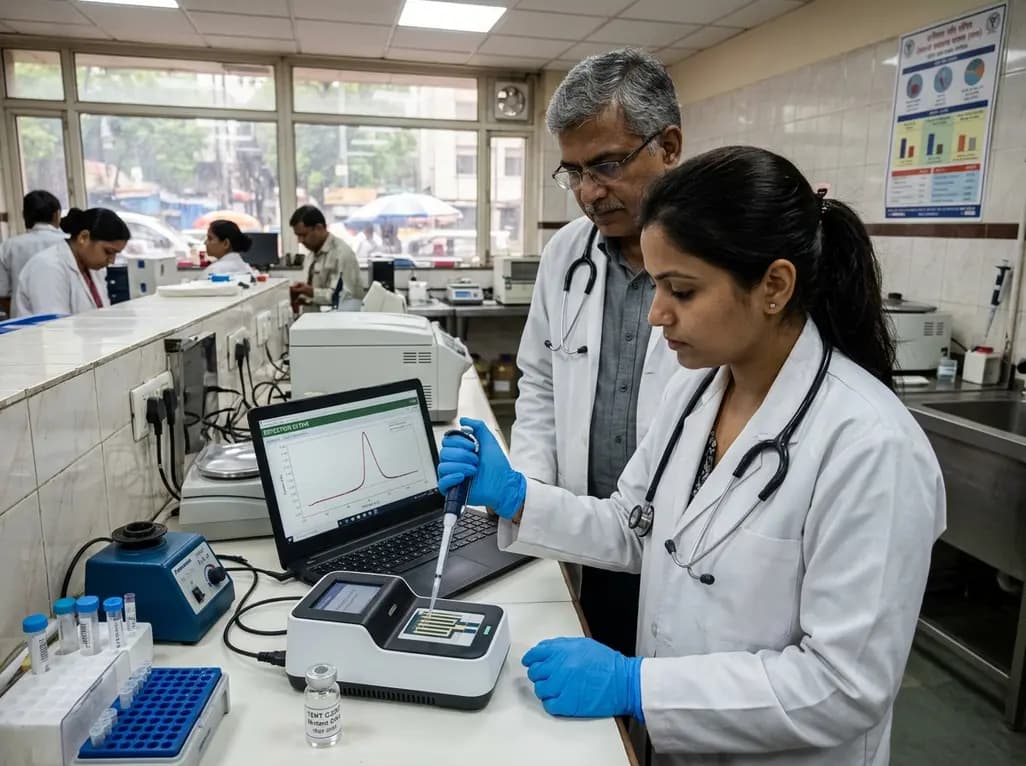
A novel label-free electrochemical biosensor utilizing magnetic nanocomposites enables ultrasensitive TERT C228T mutation detection (LOD: 0.67 pM) for rapid risk stratification in papillary thyroid cancer, offering promising point-of-care utility for endocrine oncology.
Today
