.webp&w=384&q=75)

Loading, please wait...
Loading, please wait...

Kidney replacement therapy continues to evolve rapidly to improve long-term outcomes for patients with end-stage kidney disease. In recent years, high-volume hemodiafiltration has emerged as a superior dialysis modality compared to standard high-flux hemodialysis. This advanced technique combines diffusive and convective transport across highly permeable membranes using online replacement fluid. Consequently, nephrologists worldwide increasingly adopt this approach to clear middle-molecular-weight uremic toxins. In addition, growing clinical data demonstrate that achieving robust convective clearance lowers mortality rates and hospital admissions. Therefore, clinicians must understand the prescription nuances and practical considerations that define modern therapy.
Conventional hemodialysis relies predominantly on diffusion to clear low-molecular-weight solutes like urea and creatinine. However, diffusive clearance remains remarkably inefficient for larger middle molecules and protein-bound toxins. In contrast, high-volume hemodiafiltration incorporates forced convection across a high-flux dialyzer membrane. Hydrostatic pressure gradients drive fluid movement, dragging larger solutes across the semipermeable barrier through solvent drag. Therefore, this mechanism dramatically increases the clearance of beta-2 microglobulin, free light chains, and circulating proinflammatory cytokines. Furthermore, online fluid preparation systems continuously generate sterile, non-pyrogenic replacement fluid from dialysis water. Clinicians infuse this substitution fluid directly into the extracorporeal circuit, usually downstream in a post-dilution configuration. Consequently, the patient maintains precise fluid balance despite ultrafiltering substantial plasma volumes. In addition, enhanced middle-molecule clearance significantly attenuates systemic endothelial injury and chronic systemic inflammation. Studies show that reducing these circulating toxins improves hemodynamic stability during dialysis sessions. Thus, the physiological synergy of diffusion and convection delivers superior biological purification compared to standard dialysis methods.
Robust clinical trial data now confirm the substantial clinical benefits of convective kidney replacement therapies. Specifically, the landmark CONVINCE randomized controlled trial demonstrated a compelling twenty-three percent reduction in all-cause mortality with convective therapy compared with high-flux hemodialysis. Furthermore, pooled individual participant data meta-analyses corroborate these findings across diverse demographic populations. Importantly, researchers observed that these clinical benefits follow a clear dose-dependent pattern. Patients who consistently achieve high substitution volumes experience the greatest reduction in cardiovascular and infection-related mortality. In addition, treatment centers report a meaningful decrease in all-cause hospitalization rates and shorter recovery times following treatment. Patients also report noticeable improvements in vitality, functional capacity, and overall health-related quality of life. Moreover, economic analyses indicate that lower hospitalization rates largely offset the equipment and consumable costs of convective modalities. Consequently, nephrology guidelines across multiple continents now recognize convective therapy as an optimal standard for kidney replacement. Therefore, clinical teams should actively identify suitable candidates and facilitate transition from standard high-flux modalities to improve patient survival.
Achieving effective convective therapy requires meticulous optimization of several interconnected prescription parameters. Foremost, clinicians must target a substitution volume exceeding twenty-three liters per session in post-dilution mode. Therefore, the vascular access must reliably deliver a sustained blood flow rate of at least 350 to 400 milliliters per minute. A mature arteriovenous fistula or high-flow arteriovenous graft provides the best conduit for these elevated flows. In addition, nephrologists must carefully calibrate the filtration fraction, which represents the ratio between ultrafiltration rate and blood flow rate. Clinical protocols typically set the filtration fraction between twenty-five and thirty percent to prevent excessive hemoconcentration. If the filtration fraction rises too high, secondary membrane polarization and dialyzer clotting can occur. Furthermore, treatment time plays an essential role in reaching convective targets without inducing vascular stress. Extending treatment duration from four hours to four and a half hours easily generates higher convective volumes. Clinicians must also select high-flux dialyzers possessing high ultrafiltration coefficients and high sieving capabilities. Consequently, thoughtful prescription adjustments allow teams to reach therapeutic targets safely in daily practice.
Delivering online therapy safely demands rigorous engineering protocols and uncompromising quality assurance. Because the dialysis machine infuses tens of liters of fluid directly into the bloodstream, substitution fluid must meet ultrapure standards. Therefore, dialysis facilities must install advanced double-pass reverse osmosis water purification systems. In addition, facilities must incorporate specialized endotoxin-retention ultrafilters along the fluid path before online infusion occurs. Clinical staff must perform regular microbiological surveillance to monitor bacterial counts and endotoxin levels strictly. Specifically, endotoxin levels must remain below 0.03 endotoxin units per milliliter to prevent pyrogenic reactions. Furthermore, modern dialysis platforms feature automated biofeedback loops that adjust filtration rates continuously. These smart sensors monitor transmembrane pressure, hematocrit shifts, and line resistance in real time. Consequently, the machine maximizes convective volume while actively preventing circuit thrombosis and excessive hemoconcentration. Biomedical technicians must also conduct routine system sanitization using heat or validated chemical disinfectants. Ultimately, maintaining strict adherence to these technical standards ensures dependable, pyrogen-free therapy across repeated clinical shifts.
Future innovations in convective therapy will shift practice from rigid empirical prescriptions toward personalized precision medicine. Currently, fixed substitution volume targets guide therapy, but emerging research supports tailoring targets to individual body composition and surface area. Furthermore, integration of artificial intelligence and machine learning algorithms will optimize real-time treatment delivery. These computational algorithms analyze historical session trends, vascular access performance, and live sensor inputs to adjust convective flow dynamically. In addition, novel non-invasive biosensors will soon track continuous middle-molecule clearance directly in the effluent dialysate. Consequently, clinicians can evaluate biological adequacy during each individual treatment rather than relying solely on periodic monthly blood samples. Digital monitoring platforms also capture patient-reported outcome measures, allowing teams to modulate ultrafiltration rates based on reported recovery time and fatigue. Meanwhile, next-generation synthetic membranes with biomimetic coatings will further improve biocompatibility and minimize protein adsorption. Therefore, the combination of advanced machine automation, digital health tools, and individualized biometrics will transform convective kidney replacement into an adaptive, patient-tailored standard of care worldwide.
Current clinical trials define high-volume hemodiafiltration as achieving a convective volume of at least twenty-three liters per session in post-dilution mode. Achieving this target requires stable blood flow, sufficient treatment time, and appropriate filtration fraction settings. Furthermore, clinical trials show that reaching this threshold delivers significant reductions in all-cause mortality and middle-molecule accumulation compared with standard high-flux dialysis.
High-volume hemodiafiltration enhances cardiovascular stability by efficiently removing middle-molecular toxins and cardiotoxic uremic solutes. In addition, the continuous infusion of cool online substitution fluid induces mild systemic vasoconstriction, preventing intra-dialytic hypotension. Furthermore, superior fluid clearance reduces chronic myocardial strain, systemic vascular stiffness, and persistent vascular inflammation. Consequently, patients experience fewer arrhythmic episodes and lower rates of long-term cardiovascular mortality during maintenance therapy.
Online hemodiafiltration requires ultrapure dialysis water and sterile substitution fluid because the machine infuses replacement liquid directly into circulation. Facilities must use double-pass reverse osmosis purification coupled with online endotoxin filters. Moreover, dialysis technicians must routinely verify that bacterial counts remain below 0.1 colony-forming units per milliliter and endotoxin concentrations stay under 0.03 endotoxin units per milliliter to avoid inflammatory responses.
Disclaimer: This content is for informational and educational purposes only and is not intended to be a substitute for professional medical advice, diagnosis, or treatment. Always seek the advice of your physician or another qualified health provider with any questions you may have regarding a medical condition. Refer to the latest local and national guidelines for clinical practice.
References

Read summarized clinical updates, watch expert medical content, and earn CME certifications right from your smartphone.
Open your smartphone camera to scan and install.





High-volume hemodiafiltration is emerging as an optimal kidney replacement modality. Recent trials demonstrate reduced mortality and hospitalization compared to conventional hemodialysis, driven by robust convective clearance, enhanced vascular stability, and individualized treatment delivery.
Today
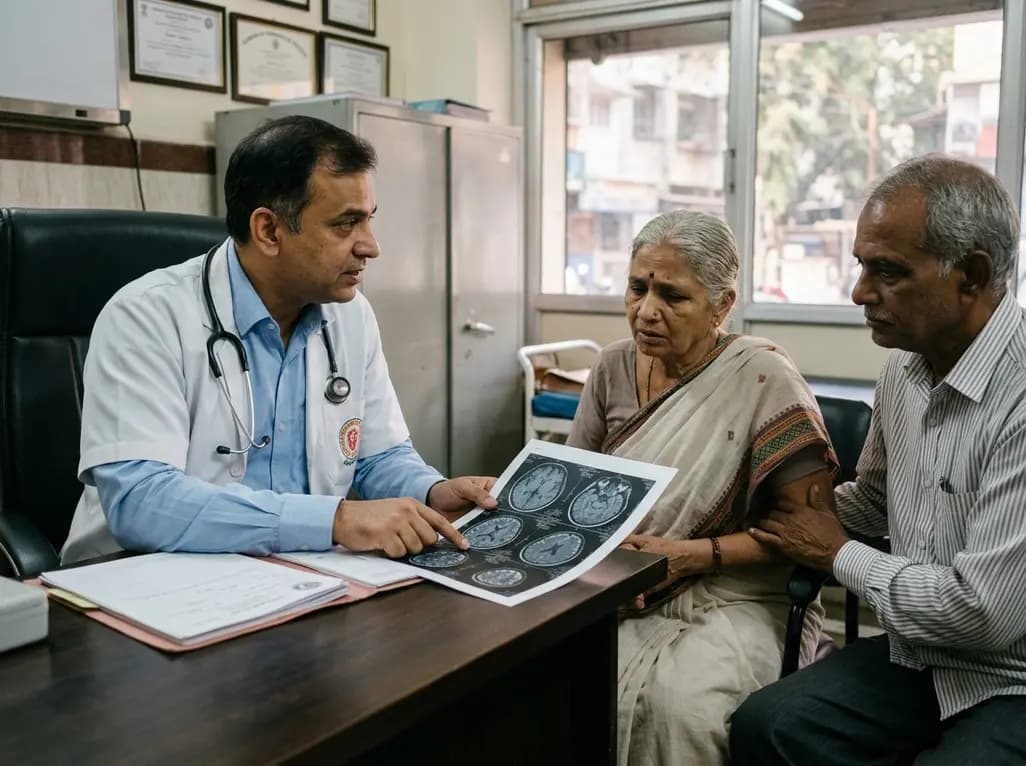
With dementia cases in India projected to double, clinicians must recognize neurodegenerative decline before irreversible neuron loss occurs. This review explores differential diagnostic strategies for memory loss, the growing disease burden, and the targeted application of newly approved anti-amyloid therapies.
Today
A school-based intervention using the Health Action Process Approach (HAPA) significantly enhanced adolescents' perceived benefits of consulting healthcare providers and promoted proactive menstrual health behaviors, offering key clinical insights for managing adolescent dysmenorrhea and endometriosis.
Today

A multicenter propensity-matched study evaluated DOAC plus single versus dual antiplatelet therapy after carotid artery stenting. Findings revealed comparable intracranial hemorrhage and ischemic stroke rates, supporting DOAC plus SAPT as a viable antithrombotic strategy in high-risk patients.
Today

A cross-sectional study reveals that sarcopenic obesity independently increases functional impairment and severe disc degeneration in patients with degenerative lumbar spinal stenosis, highlighting the need for body composition assessment.
Today
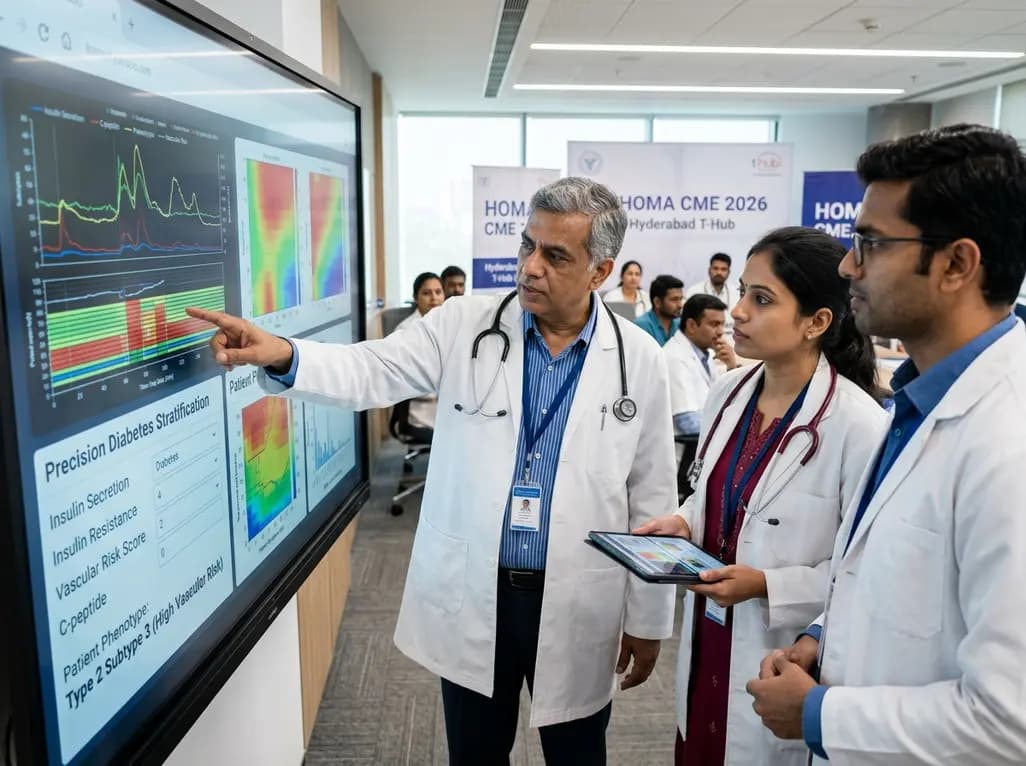
At Homa CME 2026 at Hyderabad's T-Hub, healthcare leaders emphasized moving beyond routine metrics through digital calculators and precision stratification. Discover why characterizing individual insulin secretion, resistance patterns, and vascular risks transforms chronic metabolic care in India.
Yesterday
