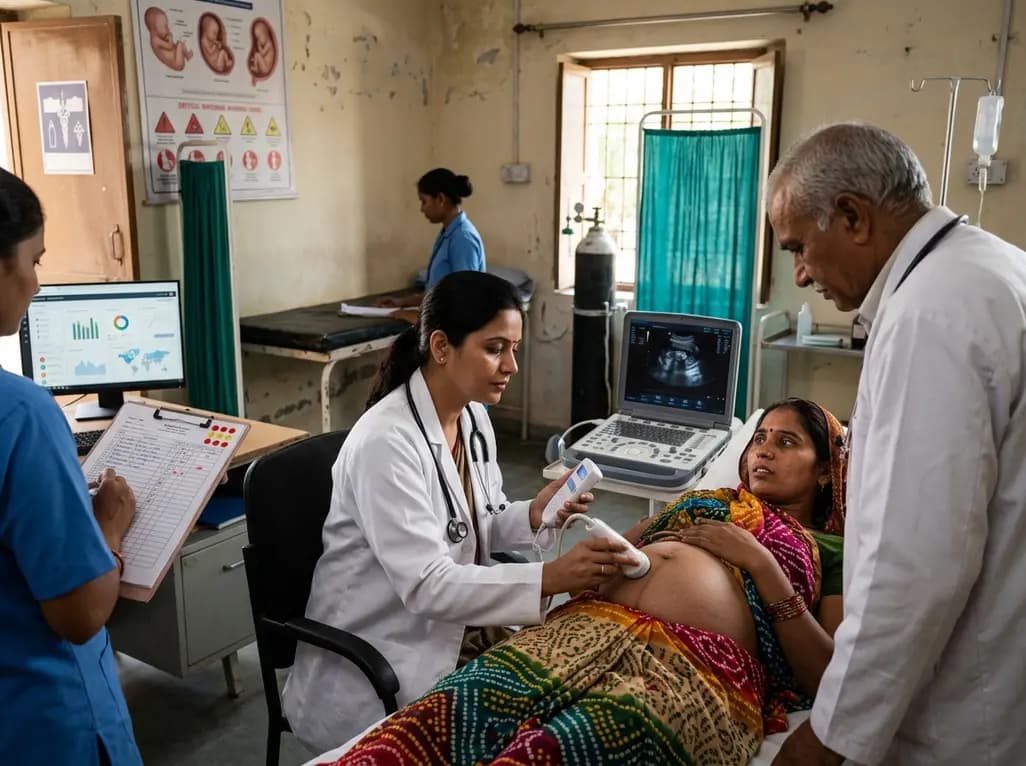
The Rajasthan health department recently launched a five-day statewide campaign to identify and closely monitor **high-risk pregnancies**. This extensive public health initiative, running from July 15 to July 20, 2026, responds to a worrying uptick in maternal deaths. Consequently, healthcare professionals must coordinate to establish tracking and ensure timely clinical interventions.
The Catalyst: Addressing Recent Maternal Mortality Gaps
Recent clinical developments in the state highlighted critical gaps in infection-control protocols and obstetric management. Specifically, health officials identified pseudomonas bacteria in operating theatres at Bhilwara's Mahatma Gandhi Hospital following multiple maternal deaths. Additionally, other facilities in Bikaner, Kota, and Banswara reported similar tragic events, which raised immediate red flags. Therefore, this intensive five-day screening drive serves as an urgent corrective measure to prevent infections and maternal complications. The department has already suspended several responsible medical officers and initiated strict disciplinary proceedings against negligent staff. Furthermore, laboratory professionals have collected samples of oxytocin injections to rule out sub-standard pharmaceutical batches. Ultimately, this prompt administrative response aims to restore public trust in government healthcare facilities. Simultaneously, it forces block-level and district-level health administrators to audit their sterilisation practices thoroughly. Clinicians must realize that early risk mitigation is the most effective shield against childbirth-related mortality. Consequently, every facility must submit daily compliance reports to ensure the complete elimination of operational hazards. Moreover, senior leadership will conduct unannounced physical inspections of labor rooms. These measures will ensure strict adherence to sanitation guidelines.
Clinical Screening for High-Risk Pregnancies
To lower maternal mortality, health workers must aggressively identify and register **high-risk pregnancies** within twelve weeks of gestation. Specifically, the campaign mandates at least four comprehensive antenatal care check-ups for every single expectant mother. During these clinical visits, nursing staff and community health officers must measure and record vital physiological indicators. These baseline tests include blood pressure monitoring, haemoglobin estimation, maternal weight, urine analysis, and blood sugar assessments. Furthermore, clinicians must provide specialist care and regular follow-ups for women presenting with established risk factors. These factors include severe anaemia, gestational hypertension, pre-existing diabetes, multiple gestations, and previous Caesarean deliveries. In addition, the department requires all healthcare facilities to maintain adequate stocks of emergency blood supplies and essential life-saving medicines. Consequently, early therapeutic intervention can prevent devastating obstetric emergencies like postpartum haemorrhage and eclampsia. Doctors must prioritize targeted surveillance for highly vulnerable patients during the crucial third trimester. This strategic focus ensures that high-risk cases receive continuous care and advance planning for safe deliveries. Additionally, healthcare facilities must arrange direct lines of communication between field midwives and obstetrical specialists.
Administrative Accountability and Online Monitoring
To guarantee the campaign's success, the state has established a stringent framework for administrative tracking and accountability. Specifically, health workers must upload all screening results daily through the PCTS online monitoring portal. Moreover, district-level officials are actively inspecting local clinics and reviewing the quality of antenatal care services. They are also verifying the availability of critical diagnostic tools, including functional ultrasound machines and laboratory reagents. Additionally, the department has warned field staff that any negligence during this drive will result in immediate suspension. Principal Secretary Gayatri Rathore emphasized that every maternal death is preventable if workers perform duties diligently. Therefore, mapping each high-risk expectant mother to a specific Auxiliary Nurse Midwife establishes clear clinical ownership. This system allows for individual follow-ups and ensures that no patient slips through the cracks. Consequently, digital monitoring tools bridge the gap between rural clinics and state-level administrative supervisors. Furthermore, supervisors must review expected delivery dates and verify emergency referral preparedness for every registered patient. These active monitoring measures will enforce professional accountability across all tiers. Additionally, officials will audit block-level data daily.
Strengthening the Referral System and Delivery Planning
A seamless referral network plays a crucial role in preventing maternal mortality during obstetric complications. Therefore, the screening drive mandates strict evaluations of referral systems across all public health facilities. Specifically, medical officers must coordinate with emergency transport services to minimize transport delays for critical patients. Furthermore, tracking women in their third trimester ensures that tertiary care centres remain fully prepared for their arrival. Advanced delivery planning offers critical protection for patients with prior Caesarean sections carrying higher rupture risks. Clinicians must establish clear protocols for emergency referrals and postpartum care at every administrative block. Additionally, the department is encouraging institutional deliveries to guarantee that qualified obstetricians manage complex births. When healthcare providers plan these deliveries in advance, they can avoid last-minute crises and panic. Consequently, this preemptive approach drastically reduces the risk of both maternal and neonatal morbidity. Ultimately, the state hopes to achieve a resilient, integrated system where every delivery occurs under expert medical supervision. Moreover, hospital administrators must keep emergency obstetric kits fully stocked and ready for immediate deployment. Specifically, obstetric units must maintain backup power sources.
Clinical Recommendations for Indian Practitioners
Healthcare professionals in India must adopt a highly proactive approach to manage maternal health risks effectively. Firstly, practitioners should align their clinical workflows with the national Pradhan Mantri Surakshit Matritva Abhiyan guidelines. This alignment ensures that vulnerable patients receive comprehensive screenings and specialized care at designated intervals. Secondly, doctors must focus on early gestational tracking, ideally before the twelfth week of pregnancy. Early tracking allows for timely nutritional counselling, iron supplementation, and blood pressure management. Furthermore, clinical teams must emphasize clean delivery practices and strict infection-control procedures in all labour rooms. As recent incidents demonstrate, environmental pathogens pose a severe threat to post-operative patients. Consequently, hospital administrators should implement regular microbiological testing of operating suites. Clinicians must also counsel families regarding birth spacing and postpartum contraception to improve long-term maternal outcomes. Ultimately, clinical vigilance and patient education will create a safer environment for expectant mothers across the nation. By prioritizing these guidelines, clinicians can collaborate to reduce preventable maternal deaths. Furthermore, medical institutions should conduct monthly audits of all near-miss maternal events. These systematic reviews will identify latent system vulnerabilities and improve clinical performance.
Frequently Asked Questions
Q1: What are the primary objectives of the Rajasthan statewide screening campaign?
The primary objectives of this intensive five-day campaign are to identify high-risk pregnancies early and curb maternal deaths across the state. Specifically, the government wants to ensure 100% registration of pregnant women within the first 12 weeks of gestation. Furthermore, the initiative guarantees at least four comprehensive antenatal care check-ups for every expectant mother. Consequently, healthcare workers can monitor vital parameters and plan safe institutional deliveries.
Q2: Which clinical parameters do healthcare workers evaluate to identify high-risk cases?
During the screening visits, healthcare professionals evaluate several key physiological indicators to detect potential complications. Specifically, they test blood pressure, haemoglobin levels, maternal weight, urine abnormalities, and blood sugar. Furthermore, they flag women with severe anaemia, diabetes, hypertension, twin pregnancies, or previous Caesarean deliveries for specialist care. Consequently, this systematic approach allows the medical team to implement targeted clinical interventions and reduce the maternal mortality rate.
Q3: How does the government ensure administrative compliance and tracking during this campaign?
To ensure strict administrative compliance, health workers must upload all screening reports and patient follow-up details on the digital PCTS portal on the same day. Additionally, the state maps each high-risk pregnancy to a specific Auxiliary Nurse Midwife for continuous tracking. Moreover, district officials conduct on-site inspections of clinical facilities to verify the availability of essential diagnostic tools and medicines. Consequently, this clear accountability system prevents negligence.
Disclaimer: This content is for informational and educational purposes only. It does not constitute medical advice or replace professional judgment. Refer to the latest local and national guidelines for clinical practice.
References
- Raj launches statewide drive to identify high-risk pregnancies - ETHealthworld
- Pradhan Mantri Surakshit Matritva Abhiyaan - PIB
- Maternal health | UNICEF India
.webp&w=384&q=75)