.webp&w=384&q=75)

Loading, please wait...
Loading, please wait...
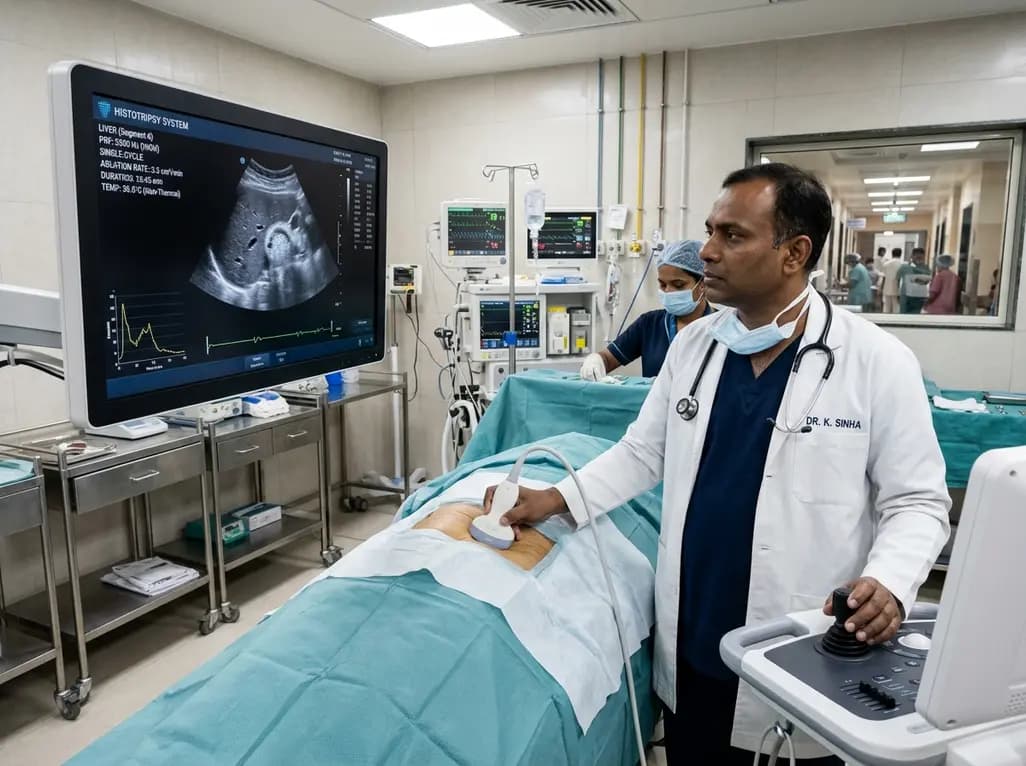
Non-thermal ultrasound technologies are rapidly transforming modern interventional oncology. Specifically, single-cycle histotripsy provides a non-invasive alternative for treating complex liver malignancies without causing thermal injury. Conventional histotripsy typically operates at low pulse repetition frequencies to preserve bubble cloud stability. However, low-frequency delivery significantly prolongs operative times, creating scheduling challenges in busy hospital environments. Recent preclinical research demonstrates that single-cycle pulsing maintains outstanding ablation efficiency across elevated frequencies up to 2500 Hz. Consequently, clinicians can achieve rapid tissue destruction while preserving critical millimeter precision. Furthermore, accelerated delivery substantially reduces procedural anesthesia times for vulnerable patients. By evaluating high-rate mechanical fractionation in phantom and tissue models, researchers have established a foundation for faster ablation protocols. Therefore, understanding these cavitation bioeffects is essential for interventional radiologists and surgical oncologists seeking efficient non-thermal therapies.
Unlike thermal ablation modalities, single-cycle histotripsy relies entirely on mechanical bioeffects generated by acoustic cavitation. Specifically, the transducer emits short, high-amplitude ultrasound pulses exceeding the intrinsic cavitation threshold of soft tissue. As a result, the acoustic rarefaction phase nucleates microbubbles from endogenous sub-micron gas pockets. These microscopic bubbles expand rapidly and undergo violent inertial collapse within microseconds. Consequently, the resulting shear stresses and microjets physically disrupt nearby cellular membranes. This localized mechanical stress swiftly fractionates intact liver parenchyma into an acellular liquid homogenate. Furthermore, single-cycle pulsing avoids the acoustic shielding and wave reflections common in multi-cycle bursts. Because the brief pulses deposit negligible cumulative energy, temporal heating remains minimal throughout the target volume. Additionally, the intrinsic cavitation threshold exhibits an all-or-nothing binary response, yielding sharp margins at the cellular scale. Moreover, collagenous structures and major blood vessels possess inherently higher mechanical tensile strength than cellular hepatocytes. Therefore, the acoustic bubble cloud reliably pulverizes neoplastic cells while preserving critical vascular and biliary architecture. This selective sparing eliminates classic complications associated with thermal heat sink dissipation.
To determine whether high pulse rates compromise therapeutic efficacy, researchers tested pulse repetition frequencies between 500 Hz and 2500 Hz. First, investigators utilized a 500 kHz transducer with an F-number of 0.61 in red blood cell agarose phantoms. They administered 800 pulses across peak negative pressures of 15, 24, and 42 MPa, comparing outcomes against low-frequency controls. Remarkably, phantom experiments showed identical ablation efficacy across all tested pulse repetition frequencies. Following phantom validation, the team conducted volumetric ablations in porcine liver tissue using doses between 400 and 800 pulses per point. Subsequent histological evaluation with Masson trichrome staining confirmed complete cellular fractionation after 600 to 800 pulses. However, lower doses of 400 pulses exhibited partial tissue sparing at higher frequencies. Consequently, adequate pulse dosing remains essential when clinicians utilize accelerated pulse repetition rates. Importantly, residual bubble nuclei from preceding pulses did not impede subsequent cloud formation or cause focal distortion. Thus, the experimental data confirm that single-cycle pulsing preserves predictable lesion generation even at high pulse repetition frequencies. These findings provide strong preclinical support for accelerating clinical ablation protocols.
Percutaneous thermal modalities, including microwave and radiofrequency ablation, face notable challenges when treating hepatic tumors. In particular, flowing hepatic blood carries thermal energy away from targeted lesions adjacent to major vessels. Consequently, this heat-sink effect frequently leads to incomplete tumor coagulation and local disease recurrence. Furthermore, excessive thermal energy risks damaging central biliary ducts, causing severe biliary strictures or persistent bilomas. In contrast, high-frequency single-cycle histotripsy completely bypasses these thermal vulnerabilities through its mechanical mechanism. Because the therapy does not rely on thermal diffusion, adjacent hepatic blood flow does not compromise treatment margins. In addition, operators can visualize the cavitation bubble cloud continuously using real-time diagnostic B-mode ultrasound. The ablated liver tissue produces immediate hypoechoic changes on ultrasound during pulse delivery. Therefore, interventionalists obtain immediate visual verification of complete lesion liquefaction. This continuous imaging feedback allows precise real-time adjustments throughout the ablation procedure. Ultimately, eliminating thermal risk factors expands therapeutic candidacy for patients with historically unresectable perivascular lesions.
Primary hepatocellular carcinoma and metastatic colorectal lesions present extensive therapeutic hurdles in modern oncology. Many patients present with multifocal tumors, advanced cirrhosis, or compromised liver reserve that precludes major surgical resection. For these individuals, accelerated single-cycle histotripsy offers an appealing, non-invasive therapeutic strategy. By elevating pulse repetition frequencies up to 2500 Hz, clinical teams can shorten operative sessions dramatically. Consequently, reduced procedural times lessen general anesthesia exposure and lower perioperative risks for frail cirrhotic patients. In addition, mechanical cell lysis preserves intact tumor antigens within the local extracellular environment. Unlike thermal ablation, which denatures cellular proteins, cavitation leaves antigenic peptides undamaged. Subsequently, antigen-presenting cells engulf the acellular debris and present tumor neoantigens to host cytotoxic T lymphocytes. Therefore, mechanical tissue fractionation can stimulate robust systemic antitumor immune responses alongside local tumor ablation. Moreover, combining rapid histotripsy with immune checkpoint inhibitors represents an exciting strategy to prevent distant metastatic relapse. Clinicians can thus achieve superior local control while bolstering host systemic immunity.
Translating accelerated mechanical ablation into routine hospital workflows offers notable logistical benefits for interventional oncology departments. Operating theatres and interventional suites frequently experience high procedural demand and tight scheduling constraints. Consequently, reducing ablation duration per tumor enables interventionalists to treat multifocal hepatic lesions within a single session. Furthermore, native macrophages rapidly resorb the resulting liquid debris, fostering rapid hepatic parenchymal regeneration. As a result, patients typically experience minimal post-procedural pain, negligible systemic inflammation, and expedited discharge times. Looking forward, engineers are integrating robotic arm navigation and automated respiratory gating into clinical histotripsy platforms. Specifically, real-time motion compensation will stabilize ultrasound delivery for subdiaphragmatic lesions that shift during breathing. In addition, ongoing research is exploring single-cycle histotripsy applications for renal, pancreatic, and prostate malignancies. As prospective human clinical trials gather momentum, high-frequency pulsing will likely become a standard tool in image-guided tumor management. Ultimately, these technological refinements promise to establish non-thermal cavitation as a cornerstone of next-generation interventional oncology.
Thermal modalities like radiofrequency ablation rely on heat to coagulate cellular tissue. Consequently, heat-sink effects near major hepatic vessels frequently cause incomplete tumor clearance. In contrast, single-cycle histotripsy uses high-amplitude acoustic pulses to create mechanical bubble clouds. These microbubbles rapidly pulverize parenchyma into acellular liquid debris without generating coagulative heat. Therefore, this non-thermal technique effectively preserves adjacent connective architecture, bile ducts, and critical vascular structures without heat sink dissipation.
Standard low-frequency histotripsy regimens require extended operating durations to deliver sufficient acoustic pulses for complete tissue homogenization. By escalating pulse repetition frequencies up to 2500 Hz, interventional teams can substantially reduce procedural treatment times. Consequently, shortened anesthesia intervals minimize physiologic stress for vulnerable oncologic patients. Furthermore, accelerated volumetric ablation improves theatre utilization and operational throughput in busy tertiary interventional oncology units without sacrificing millimeter-level lesion margins.
Histological evaluation using Masson trichrome staining demonstrates thorough mechanical cellular disintegration within the targeted treatment volume. The acoustic cavitation process liquefies cellular membranes, creating a well-demarcated acellular homogenate with minimal residual architecture. Furthermore, the sharp transition zone between completely ablated tissue and viable parenchyma spans only micrometers. Over subsequent weeks, endogenous macrophages steadily clear the non-viable debris, leaving behind negligible fibrotic scarring compared to standard coagulative necrotic lesions.
Disclaimer: This content is for informational and educational purposes only and is not intended as medical advice, diagnosis, or treatment. Healthcare professionals should exercise independent clinical judgment. Refer to the latest local and national guidelines for clinical practice.
References

Read summarized clinical updates, watch expert medical content, and earn CME certifications right from your smartphone.
Open your smartphone camera to scan and install.





High pulse repetition frequency single-cycle histotripsy achieves rapid, non-thermal liver ablation without compromising precision. Recent preclinical studies show complete cellular disruption across frequencies up to 2500 Hz, significantly shortening procedural duration in oncologic practice.
Today
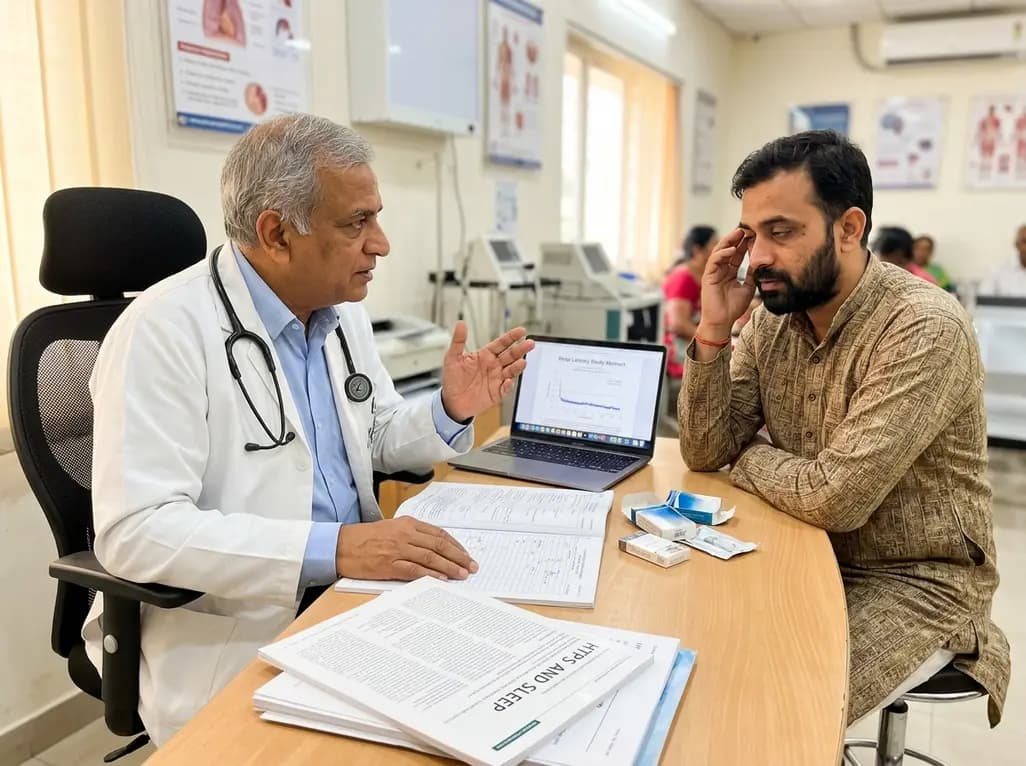
New evidence from the J-ECOH study demonstrates that exclusive and dual use of heated tobacco products significantly increases sleep latency and restless sleep among workers. These findings refute harm reduction claims, highlighting critical sleep health risks relevant to clinical counseling in India.
Today

A multiparametric MRI approach combining quantitative T2 shading, apparent diffusion coefficient (ADC) measurements, and morphological signs provides superior diagnostic accuracy over subjective evaluation to differentiate ovarian endometriomas from benign hemorrhagic cysts.
Today
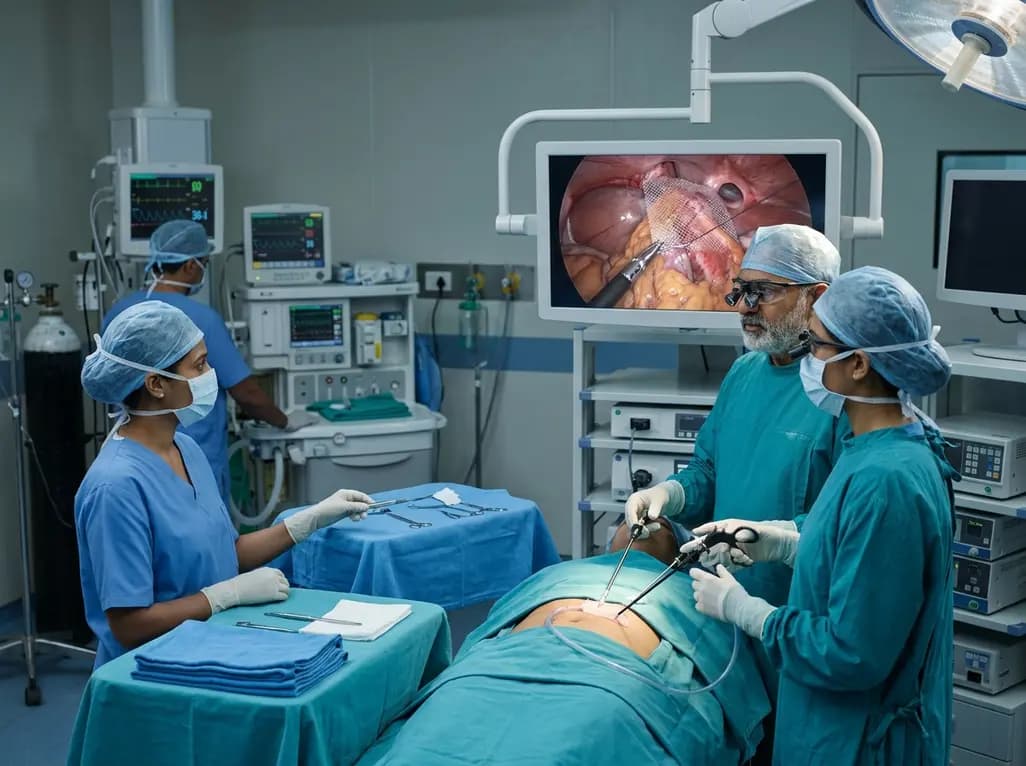
Discover a novel laparoscopic approach for iatrogenic diaphragmatic hernia repair following pedicled omentoplasty. This modified Sugarbaker technique integrates dorsal pedicle lateralization and round ligament reinforcement to secure the diaphragmatic defect while preserving vital omental vascularity.
Yesterday

A new randomized crossover trial reveals that a hinged ulnar gutter orthosis significantly improves hand function and weight-bearing tolerance compared to standard volar splints in patients with degenerative triangular fibrocartilage complex lesions, supporting functionally permissive orthotic designs.
Today
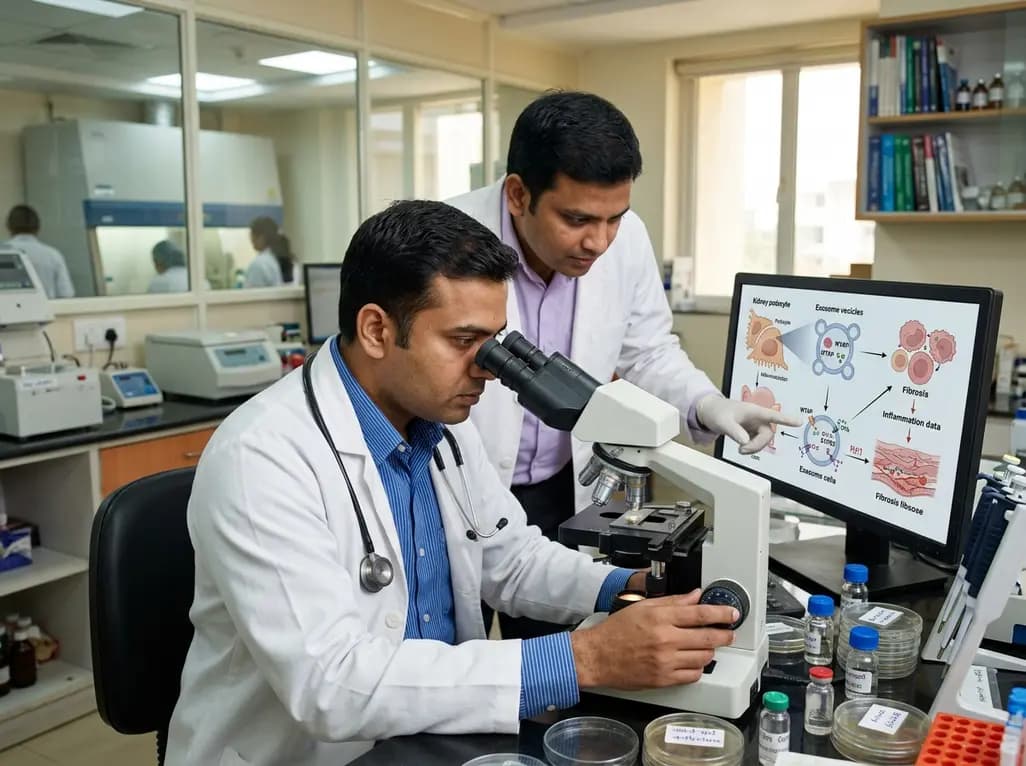
New research reveals that M1 macrophage-derived exosomes aggravate diabetic nephropathy by transferring WTAP to stabilize S1PR2 mRNA. Silencing WTAP in these vesicles attenuates endothelial injury and renal fibrosis, pointing toward innovative nanomedicine therapies.
Today
