.webp&w=384&q=75)

Loading, please wait...
Loading, please wait...

Colorectal cancer (CRC) remains one of the most significant oncological challenges worldwide, including in rapidly developing nations like India. While most cases are sporadic, a substantial proportion of patients harbor germline mutations that predispose them and their families to various malignancies. Consequently, hereditary colorectal cancer screening has become a cornerstone of personalized medicine. Identifying syndromes such as Lynch syndrome early allows for intensive surveillance and prophylactic interventions that significantly reduce mortality. However, moving from a diagnosis of cancer to the successful completion of genetic counseling and testing is a complex journey fraught with hurdles. Patient navigation programs have emerged as a potential solution to bridge these gaps, aiming to steer patients through the logistical and psychological barriers of the healthcare system. The recent pilot trial by Knerr and colleagues specifically examined whether a phone-based navigation model could optimize this critical transition.
The paradigm of hereditary colorectal cancer screening has shifted toward universal tumor screening (UTS) in many advanced academic health systems. This approach involves testing all newly diagnosed CRC tumors for mismatch repair deficiency or microsatellite instability. While UTS identifies patients at risk, the subsequent step of germline genetic testing often sees a sharp decline in adherence. Clinicians frequently encounter barriers such as lack of patient awareness, financial constraints, and the emotional burden of a new cancer diagnosis. Furthermore, the specialized nature of genetic counseling means that patients often need to navigate separate departments or facilities. To address these issues, healthcare providers are increasingly looking at centralized, technology-aided interventions. Patient navigation, which traditionally involved in-person advocates, is now evolving into more scalable models like phone-based outreach. These models attempt to provide the necessary education and support without requiring additional physical visits, which is particularly relevant in decentralized or overburdened healthcare environments.
In the pilot trial conducted within an academic-affiliated health system, researchers utilized a randomized controlled design to evaluate the impact of phone-based navigation. The study focused on patients newly diagnosed with CRC who were eligible for germline testing based on tumor screening results. The intervention was carefully designed to address specific barriers identified through preliminary needs assessments. Notably, the study followed a Zelen design, allowing for a pragmatic evaluation of how patients interact with such services in a real-world setting. Patients randomized to the navigation arm were offered free support to facilitate their genetic counseling and testing journey. Interestingly, despite the specialized attention, only about one-third of the participants offered navigation actually engaged with the service. This highlights a critical challenge in clinical practice: the mere availability of support services does not guarantee their utilization. Moreover, the results indicated that rates of referral, counseling attendance, and testing completion did not differ significantly between those offered navigation and those receiving usual care. This suggests that in systems where universal screening is already well-established, the baseline performance might be high enough that simple phone-based navigation offers diminishing returns.
The statistical analysis of the trial showed that at the six-month mark, approximately 76% of all participants were referred to genetic services, while 62% completed counseling and 55% received testing. These figures represent a relatively high baseline level of care, which may explain why the navigation intervention did not show a statistically significant advantage. Specifically, the P-values for referral, counseling, and testing comparisons were all well above the significance threshold. One must consider that the participants were predominantly young, with 81% under the age of 50, a demographic that is often more proactive about their health. However, the low engagement rate with the navigator suggests that the timing or the medium of the intervention might not have been optimal for all patients. For many, the overwhelming nature of a primary cancer treatment plan—involving surgery, chemotherapy, or radiation—might relegate genetic testing to a secondary priority. Therefore, clinicians must think critically about how to integrate hereditary colorectal cancer screening into the existing treatment workflow rather than treating it as an auxiliary task that requires additional patient effort.
Beyond the primary outcomes of the navigation trial, the researchers performed ad hoc analyses to identify factors that influenced whether a patient successfully accessed genetic services under usual care. They found that female patients were significantly more likely to be referred to genetic services than their male counterparts. This gender disparity in genetic service utilization is a well-documented phenomenon across various cancer types, often attributed to different levels of health-seeking behavior or family communication styles. Additionally, geographical proximity played a vital role; patients who lived closer to the health system were referred more frequently. This finding underscores the persistent impact of travel distance as a barrier to care, even in academic settings. Consequently, for hereditary colorectal cancer screening programs to be truly equitable, healthcare systems must develop strategies that reach patients across different demographics and geographic locations. Addressing these disparities requires a nuanced understanding of patient needs, ranging from transportation assistance to gender-specific outreach strategies.
The findings from this pilot study provide valuable lessons for the Indian healthcare landscape, where the burden of colorectal cancer is rising among younger populations. In India, the implementation of universal tumor screening is still in its nascent stages and is largely confined to premier tertiary centers. The logistical barriers identified in the trial, such as distance to the health system, are magnified in the Indian context due to the vast urban-rural divide. While the phone-based navigation in the study did not significantly outperform usual care in a high-resource setting, it might hold much more promise in India, where "usual care" is often less structured. Furthermore, the use of tele-health and mobile-based navigation could be a cost-effective way to provide genetic counseling to patients in remote areas. To improve the uptake of hereditary colorectal cancer screening, Indian oncologists should focus on building robust referral pathways and considering the family-centric nature of Indian society. Providing genetic education to the entire family rather than just the patient might enhance engagement and ensure that high-risk relatives are also brought into the surveillance loop.
Identifying Lynch syndrome is vital because it significantly alters the clinical management of both the patient and their family. For the patient, it may influence surgical decisions and the choice of adjuvant therapies, such as immunotherapy. For family members, it allows for early hereditary colorectal cancer screening via frequent colonoscopies, which can detect precancerous polyps or early-stage cancers, drastically improving long-term survival rates and reducing overall cancer incidence.
Phone-based navigation may not show improvement if the existing healthcare system already has high baseline referral rates or if the intervention is not timed correctly. Patients newly diagnosed with cancer are often overwhelmed by their primary treatment schedule. Additionally, some patients may perceive phone calls from unfamiliar navigators as intrusive or low-priority compared to their immediate surgical or oncological needs, leading to the low engagement observed in pilot trials.
Proximity remains a powerful determinant of healthcare access. Patients living near a major health center face fewer logistical hurdles, such as long travel times, high transportation costs, and the need for overnight stays. These factors make it easier for them to attend multiple appointments, including specialized genetic counseling. Conversely, those living far away are more likely to miss follow-up sessions, highlighting the need for decentralized services or robust digital health solutions.
Disclaimer: This content is for informational and educational purposes only. It does not constitute medical advice or establish a doctor-patient relationship. Always seek the advice of a qualified healthcare provider regarding any medical condition or treatment. Refer to the latest local and national guidelines for clinical practice.
References
Knerr S et al. Offering Phone-based Patient Navigation to Improve Receipt of Genetic Testing for Hereditary Colorectal Cancer: A Pilot Trial in an Academic-Affiliated Health System. Genet Med. 2026 Jul 14. doi: undefined. PMID: 42454475.
Pandey V et al. Screening for Colorectal Carcinoma in India: Real-World Scenario, Pitfalls, and Solutions. J Clin Oncol. 2025 Feb 12.
Sjöström S et al. The use of telephone in genetic counseling versus in-person counseling: a randomized study on counselees' outcome. BMC Cancer. 2024 Sep 25.
"
Read summarized clinical updates, watch expert medical content, and earn CME certifications right from your smartphone.
Open your smartphone camera to scan and install.





This study evaluates whether phone-based patient navigation improves referral and testing for hereditary colorectal cancer. Findings highlight utilization rates and demographic predictors of service engagement in academic health systems.
3 months ago

Failing to account for competing events like mortality in longitudinal geriatric studies produces biased risk estimates and misleading inferences. This review highlights key methodological principles, insights from the Precipitating Events Project, and practical approaches for clinical research appraisal.
Today

A study in JAMIA Open shows lightweight open-source reasoning LLMs achieve up to 95% sensitivity and accelerate evidence synthesis screening by nearly twentyfold, presenting a cost-effective, scalable AI solution for biomedical research and systematic reviews.
Today
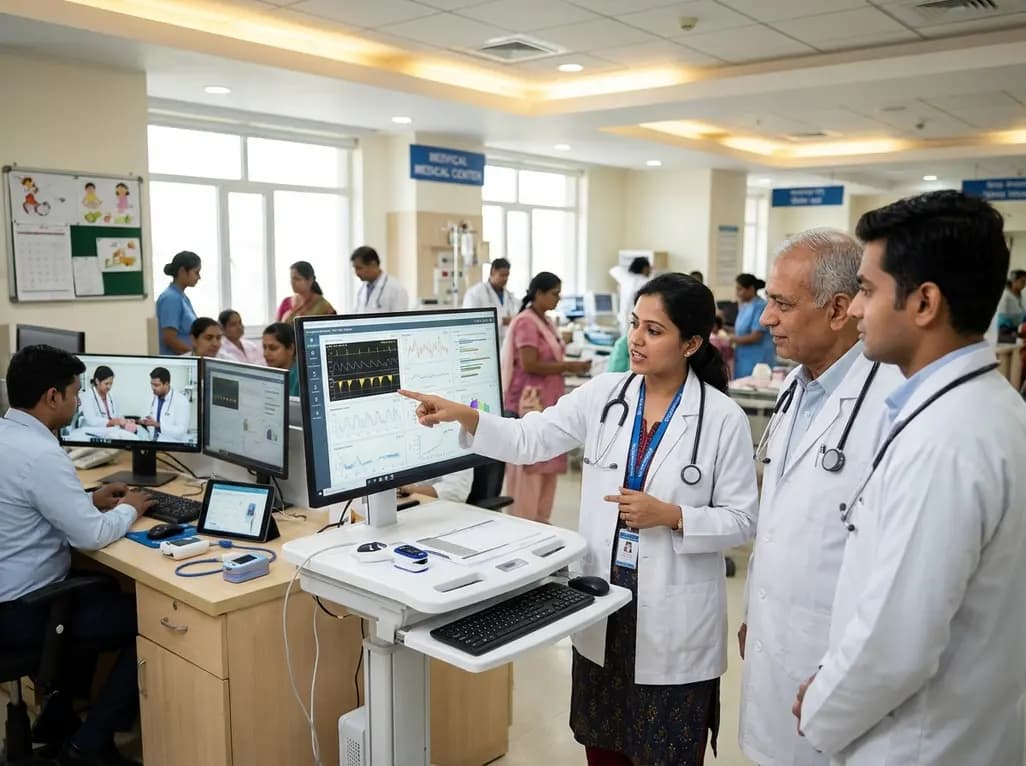
A landmark study details how an enterprise pediatric remote patient management model expanded from a single cardiology pilot to 16 diverse specialty programs by combining centralized digital operations with specialty clinical leadership.
Today
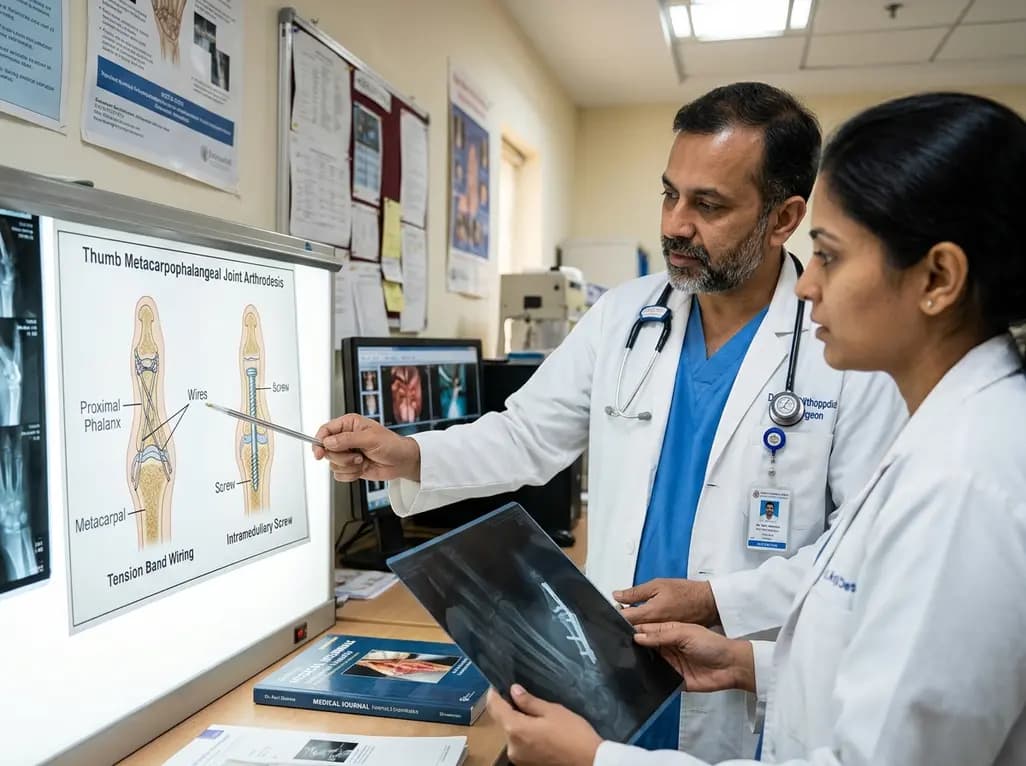
A comparative review of tension band wiring and intramedullary screw fixation in thumb metacarpophalangeal arthrodesis, evaluating union rates, hardware complications, and clinical outcomes.
Yesterday
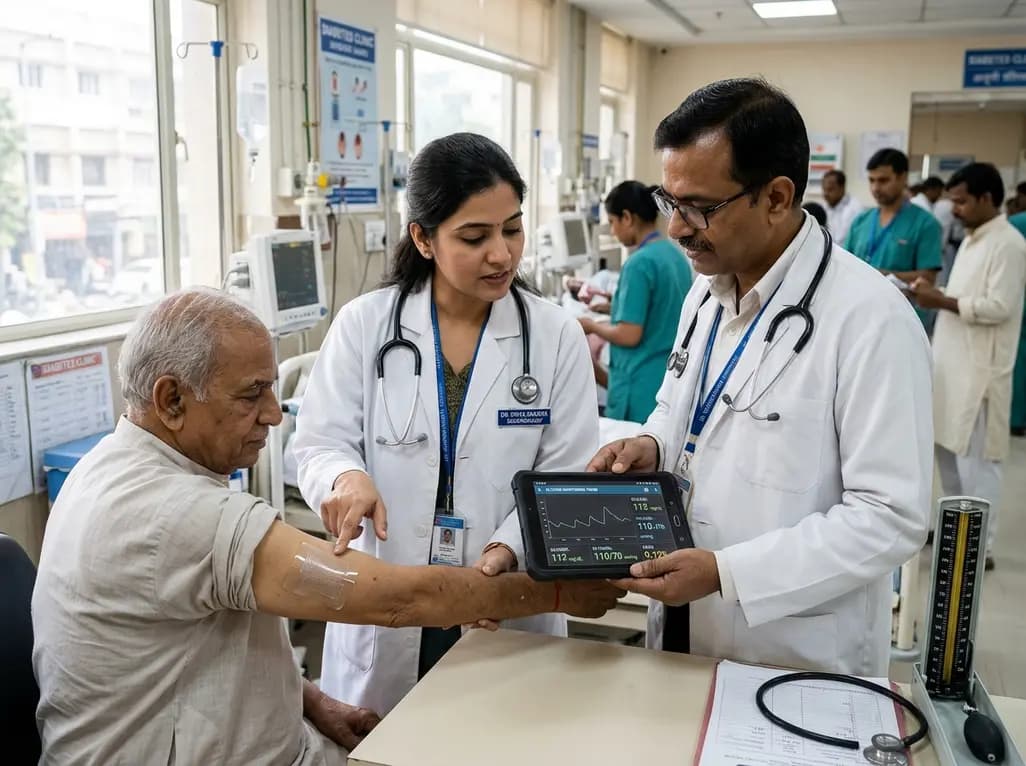
A breakthrough ultrathin multimodal sensor decouples physical hemodynamic monitoring from disposable electrochemical calibration, achieving long-term wearable glucose prediction with 81.36% accuracy and a 9.12% MARD. This offers a robust, drift-free solution for outpatient metabolic surveillance.
Today
